Root Canal Therapy: Why Saving Your Natural Tooth Matters

When a tooth becomes infected or severely damaged, many patients wonder whether they should have a root canal treatment or simply remove the tooth. While extraction may seem like the easier option, root canal therapy is often the best way to preserve your oral health and avoid future complications.

What Is Root Canal Therapy?

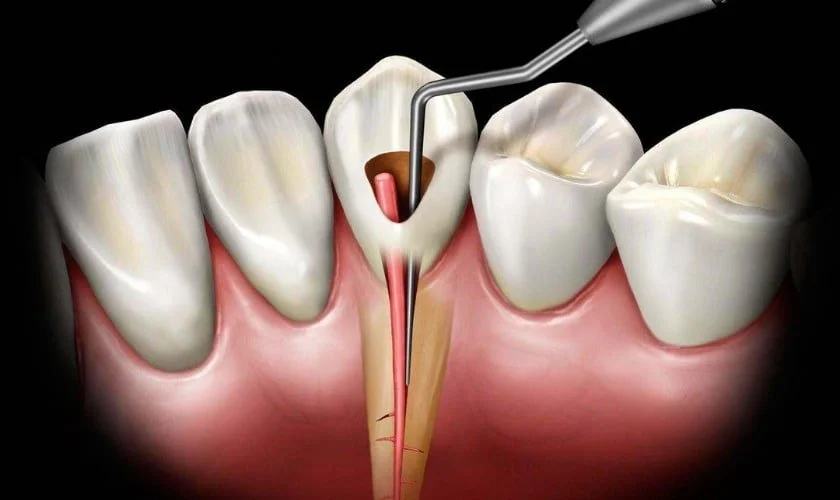
Root canal therapy (RCT) is a procedure that removes infection from inside the tooth, cleans the root canals, and seals the tooth to prevent further damage. In most cases, the tooth is restored with a crown, allowing it to function normally.

The goal is simple: save your natural tooth whenever possible.

Benefits of Root Canal Therapy

Relieves Pain and Eliminates Infection

An infected tooth can cause significant discomfort. Root canal treatment addresses the source of the problem, helping to relieve pain and prevent the infection from spreading.

Preserves Your Natural Tooth

Keeping your natural tooth helps maintain normal chewing function and supports the alignment of surrounding teeth.

Restores Function and Appearance

Once restored, a treated tooth can look, feel, and function much like your other natural teeth.

Helps Avoid More Extensive Treatment

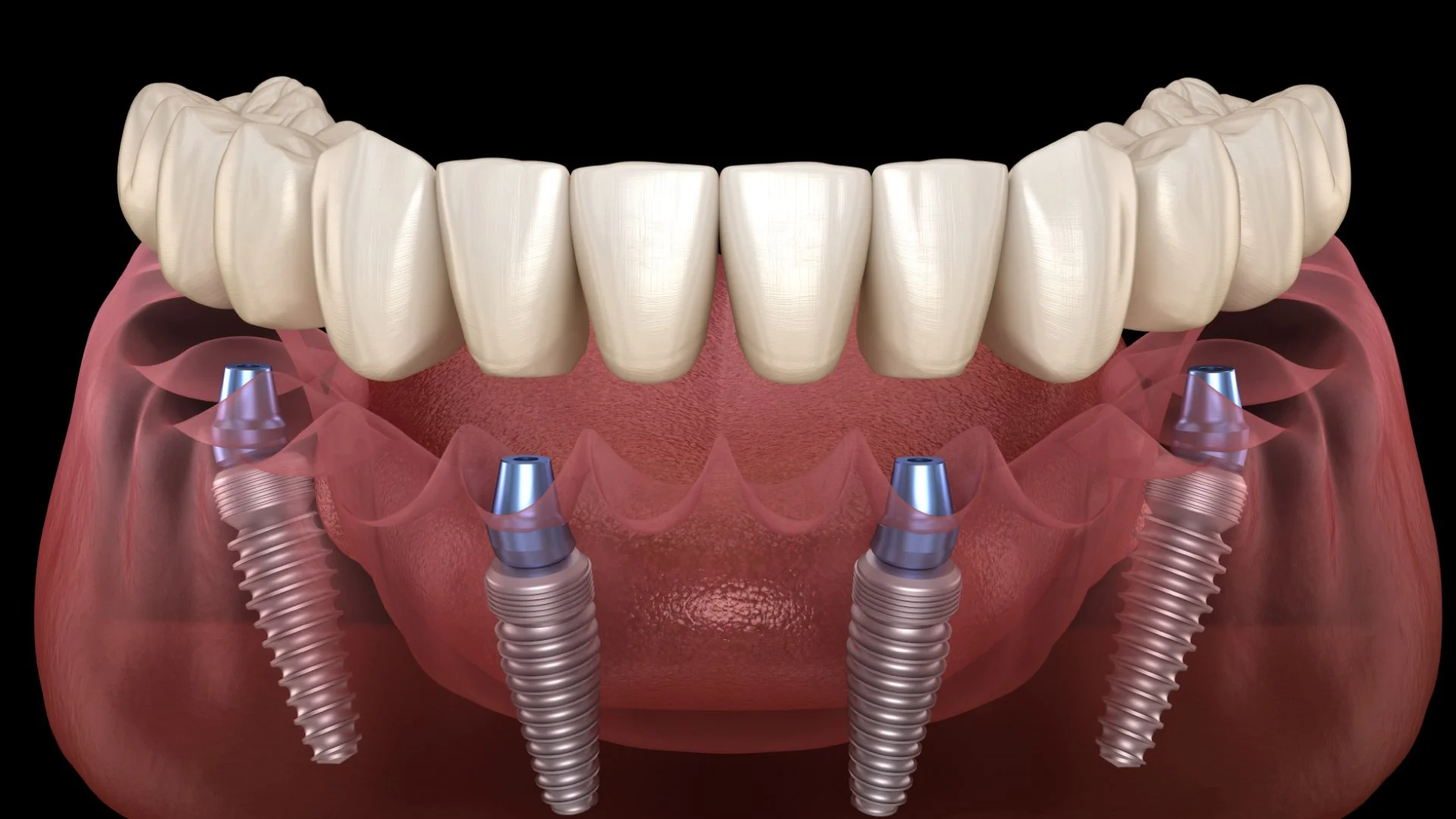
Saving a tooth may help you avoid the need for replacements such as dental implants, bridges, or dentures.

What Happens If You Leave It Untreated?

Ignoring an infected tooth can lead to worsening pain, swelling, abscess formation, and eventual tooth loss. Early treatment is often simpler, more predictable, and less costly than managing advanced dental problems.

The Consequences of Tooth Extraction

While tooth extraction is sometimes necessary, leaving a missing tooth unreplaced can affect more than just your smile.

Missing teeth can lead to:

  • Shifting of neighbouring teeth

  • Changes in your bite alignment

  • Increased wear on remaining teeth

  • Difficulty chewing efficiently

  • Altered jaw function

In some cases, these changes may contribute to jaw discomfort or TMJ-related symptoms, particularly when chewing patterns become unbalanced over time.

Save Your Tooth, Protect Your Smile

Modern root canal therapy is a safe and effective way to treat infection while preserving your natural tooth. Whenever possible, saving your tooth can help maintain proper function, support long-term oral health, and reduce the risk of future complications.

If you're experiencing tooth pain or have been advised that you may need a root canal, don't wait. Seeking treatment early can make all the difference in protecting your smile for years to come. Call 02 9558 8988 to speak to our friendly team and make an appointment today!

How Dental Problems Affect the Rest of Your Body: Why Oral Health Matters More Than You Think

Many people think dental health is only about teeth and gums. In reality, your mouth is closely connected to your entire body. Untreated dental problems can contribute to issues far beyond oral discomfort — affecting your heart, brain, sleep, and overall wellbeing.

Understanding this connection highlights why regular dental care is essential for long-term health.

The Mouth–Body Connection

Your mouth is a gateway to the rest of your body. Bacteria from gum disease or untreated infections can enter the bloodstream and trigger inflammation in other areas.

This is why oral health is considered a key part of overall systemic health.

Gum Disease and Whole-Body Inflammation

Periodontitis is one of the most common dental conditions linked to systemic health issues.

If untreated, bacteria from gum disease can spread through the bloodstream and contribute to inflammation elsewhere in the body.

Research has linked periodontal disease to:

  • Heart disease

  • Stroke risk

  • Diabetes complications

  • Respiratory infections

Inflammation is the key factor connecting oral health to these conditions.

Dental Health and Heart Disease

Poor oral hygiene and gum disease may increase the risk of cardiovascular problems. Bacteria from infected gums can enter the bloodstream and contribute to plaque buildup in arteries, potentially affecting heart function over time.

While dental disease does not directly “cause” heart disease, it can increase risk factors significantly.

Diabetes and Oral Health: A Two-Way Relationship

People with diabetes are more prone to gum infections due to reduced immune response and slower healing.

At the same time, untreated gum disease can make blood sugar harder to control.

This creates a cycle where each condition worsens the other.

Oral Health and Brain Health

Emerging research suggests a link between chronic oral infections and cognitive decline. Long-term inflammation from gum disease may affect brain health and has been studied in relation to conditions like dementia.

Although more research is ongoing, maintaining oral hygiene is considered an important preventive step.

Dental Problems and Sleep Quality

Dental issues such as jaw pain, missing teeth, or misalignment can affect sleep quality. Conditions like teeth grinding and airway obstruction are often linked to disrupted sleep patterns.

Poor sleep then impacts energy levels, concentration, and immune function.

The Role of Jaw and Muscle Health

Temporomandibular Joint Disorder can also influence overall wellbeing. Chronic jaw tension or pain can lead to:

  • Headaches

  • Neck and shoulder pain

  • Difficulty eating

  • Sleep disturbances

The jaw is closely connected to muscles and nerves in the head and neck, making TMJ issues more widespread than many expect.

Why Regular Dental Check-Ups Matter

Routine dental visits are not just about cleaning teeth — they help detect early signs of systemic issues.

Dentists can identify:

  • Gum inflammation

  • Early tooth decay

  • Jaw misalignment

  • Signs of sleep apnea

  • Oral infections

Early detection can prevent complications before they affect overall health.

How to Protect Your Whole-Body Health Through Dentistry

Simple habits can significantly improve both oral and general health:

  • Brush twice daily with fluoride toothpaste

  • Floss regularly

  • Limit sugar intake

  • Stay hydrated

  • Avoid smoking

  • Attend regular dental check-ups

Small improvements in oral care can have long-term health benefits.

Final Thoughts

Dental health is deeply connected to overall health. Conditions like gum disease and TMJ disorder don’t stay limited to the mouth — they can influence inflammation, sleep, and systemic disease risk.

Taking care of your teeth is not just about your smile — it’s an investment in your entire body.

The Link Between Sleep Apnea, Dental Problems, and TMJ Disorder

Many people think sleep issues and jaw pain are unrelated — but dentistry tells a different story. Conditions like sleep apnea, teeth grinding, and jaw joint disorders are often closely connected.

Understanding this relationship can help identify the real cause of chronic fatigue, headaches, and facial pain.

What Is Sleep Apnea?

Obstructive Sleep Apnea is a common condition where breathing repeatedly stops during sleep due to airway obstruction.

Common signs include:

  • Loud snoring

  • Gasping or choking during sleep

  • Daytime fatigue

  • Morning headaches

  • Poor concentration

Left untreated, it can impact heart health, energy levels, and quality of life.

How Dental Problems Are Connected

Dentists often spot early signs of sleep apnea during routine check-ups. This is because the mouth, jaw, and airway are closely linked.

Common dental indicators include:

  • Worn or flattened teeth (from grinding)

  • Jaw tension or pain

  • Small or recessed jaw structure

  • Dry mouth upon waking

  • Tongue scalloping (indentations on the tongue edges)

Many of these signs overlap with jaw disorders.

TMJ Disorder and Sleep Apnea Connection

Temporomandibular Joint Disorder affects the jaw joint and surrounding muscles, often causing pain, clicking, and restricted movement.

The connection between TMJ and sleep apnea includes:

1. Airway Restriction

A misaligned jaw or tight jaw muscles can contribute to a narrower airway during sleep.

2. Teeth Grinding (Bruxism)

Many sleep apnea patients grind their teeth at night as the body tries to reopen the airway.

3. Jaw Muscle Overuse

Chronic clenching increases strain on the TMJ, leading to pain and inflammation.

Teeth Grinding: The Missing Link

Bruxism (teeth grinding) is one of the strongest links between sleep apnea and TMJ disorders.

It can lead to:

  • Tooth wear and fractures

  • Jaw soreness

  • Headaches

  • Sleep disruption

In many cases, grinding is not just a habit — it can be a response to airway obstruction during sleep.

How Dentists Help Diagnose the Problem

Dentists play a key role in identifying sleep-related breathing issues. They may look for:

  • Signs of bruxism

  • Jaw alignment problems

  • Airway size and tongue position

  • TMJ tenderness or dysfunction

In some cases, referral to a sleep physician for a formal sleep study may be recommended.

Treatment Options

Treatment depends on severity and underlying cause. Common approaches include:

1. Mandibular Advancement Devices

Custom dental appliances that help keep the airway open during sleep.

2. Night Guards

Protect teeth from grinding and reduce TMJ strain.

3. TMJ Therapy

Includes muscle relaxation techniques, physiotherapy, or Botox in some cases.

4. CPAP Therapy

For moderate to severe sleep apnea, continuous positive airway pressure may be prescribed.

Why Early Diagnosis Matters

Untreated sleep apnea can worsen:

  • TMJ pain

  • Tooth damage

  • Chronic fatigue

  • Cardiovascular risk

Early dental detection can significantly improve long-term outcomes.

Final Thoughts

Sleep apnea, TMJ disorder, and dental health are deeply interconnected. Jaw alignment, airway health, and muscle activity all influence one another.

If you experience jaw pain, grinding, or poor sleep, a dental evaluation could be the first step toward finding lasting relief.