
Jaw Pain and Clicking Years After Braces: Understanding TMJ Symptoms That Appear Later

Many people finish orthodontic treatment feeling pleased with their new smile. Years later, however, some patients begin to notice symptoms they have never experienced before—such as jaw clicking, jaw pain, facial discomfort, headaches, or difficulty opening their mouth.

For some patients, the symptoms develop gradually. At first, there may only be an occasional click when opening or closing the mouth. Over time, the clicking may become more noticeable, followed by jaw soreness, muscle tension, or persistent discomfort.

This can understandably leave patients asking:

“Why is my jaw clicking now?”

“Why am I experiencing jaw pain when I never had it before?”

“Could my previous orthodontic treatment be relevant?”

These are reasonable questions. However, every patient is different, and jaw symptoms can have multiple contributing factors. A thorough assessment is important before drawing conclusions about the cause.

When Jaw Clicking Appears Years Later

Jaw clicking is one of the most commonly noticed symptoms associated with the temporomandibular joints, also known as the TMJs.

The TMJs are the joints located on either side of the face that allow the jaw to open, close, move forward, and move from side to side. They work together with the jaw muscles, teeth, ligaments, and surrounding structures.

Some patients notice clicking when:

  • Opening or closing their mouth

  • Chewing

  • Yawning

  • Eating harder foods

  • Moving the jaw from side to side

For some people, clicking may occur without pain. For others, clicking may occur together with jaw soreness, facial pain, headaches, restricted jaw movement, or a feeling that the bite has changed.

When symptoms develop years after braces, patients often naturally look back at their orthodontic history and wonder whether there may be a connection.

“I Never Had This Before”

One of the most concerning experiences for patients is developing jaw symptoms that they do not remember having before orthodontic treatment.

A patient may remember having orthodontic treatment years earlier and then, much later, begin experiencing:

  • Jaw clicking or popping

  • Pain around the jaw joint

  • Facial muscle pain

  • Headaches

  • Ear pressure or discomfort

  • Jaw stiffness

  • Difficulty opening the mouth comfortably

  • Pain when chewing

  • A feeling that the bite no longer feels the same

It is important to take these symptoms seriously—not because they automatically prove that braces caused the problem, but because new or worsening symptoms deserve proper assessment.

The timing of symptoms can be an important part of a patient's history. However, the relationship between orthodontic treatment, the bite, the jaw joints, muscles, and other factors can be complex.

Can Braces Cause TMJ Problems?

This is one of the most common questions patients ask.

The answer is not always straightforward. TMJ symptoms can have multiple possible contributing factors, and the presence of previous orthodontic treatment does not automatically mean that orthodontic treatment caused a patient's current symptoms.

Factors that may be relevant can include:

  • Changes in the bite

  • Jaw clenching or teeth grinding

  • Stress and muscle tension

  • Changes in the jaw joints over time

  • Previous trauma

  • Muscle dysfunction

  • Dental changes

  • Individual anatomy and joint structure

  • Other medical or dental factors

For this reason, it is important not to make assumptions based solely on the fact that a patient previously had braces.

At the same time, patients should not feel that their concerns are being dismissed simply because their orthodontic treatment occurred years ago.

A patient's history—including when symptoms began, how they have progressed, and what changes they have noticed—can be valuable information during an assessment.

Why Symptoms May Appear Years Later

Many patients are surprised that symptoms can appear long after their braces have been removed.

The jaw is not an isolated system. The teeth, bite, jaw joints, chewing muscles, and surrounding structures work together every day.

Over time, a number of factors may influence how the jaw functions. A patient may also develop habits such as clenching or grinding, experience increased stress, or undergo natural changes in the teeth and jaw joints.

Sometimes, symptoms develop gradually and are initially easy to ignore.

A patient may first notice a small click. Months or years later, they may begin to experience soreness or stiffness. Eventually, they may develop more persistent discomfort.

This is why early evaluation can be helpful when symptoms are new, changing, or becoming more frequent.

When Should You Seek an Evaluation?

You should consider seeking professional evaluation if you experience:

  • Persistent or worsening jaw pain

  • Pain when chewing

  • Frequent or painful jaw clicking

  • Jaw locking or catching

  • Difficulty opening your mouth

  • Facial pain or muscle tenderness

  • Headaches associated with jaw tension

  • A noticeable change in your bite

  • Ear-related discomfort with no obvious ear cause

  • Symptoms that are affecting your daily life

If you have a history of orthodontic treatment and are now experiencing new jaw symptoms, it can be helpful to provide the clinician with as much information as possible about your dental and orthodontic history.

Why a TMJ Specialist Assessment Matters

TMJ symptoms can be complex. Jaw pain may involve the joint, muscles, teeth, bite, or a combination of factors.

A TMJ-focused assessment can help evaluate:

  • The movement of the jaw

  • Jaw opening and movement patterns

  • Joint sounds such as clicking or popping

  • Muscle tenderness and tension

  • The patient's bite and dental history

  • The progression of symptoms

  • Whether imaging or further investigations may be appropriate

The goal is not simply to identify a clicking sound. A proper assessment should consider the patient as a whole and try to understand the pattern of symptoms.

Your Symptoms Deserve to Be Heard

If you developed jaw pain or clicking years after braces, it is understandable to wonder whether the two may be connected.

The answer cannot be determined simply by looking at a patient's history or assuming that orthodontic treatment was or was not responsible. Each patient requires an individual assessment.

What is important is that new and persistent symptoms should not be ignored.

If your jaw is painful, clicking, locking, or affecting your ability to eat and function comfortably, consider seeking an evaluation from a clinician experienced in assessing TMJ and jaw-related conditions.

Your symptoms are real. Your history matters. And understanding what may be contributing to your discomfort is an important first step toward appropriate care.

If you are experiencing jaw pain or clicking years after braces, a TMJ-focused evaluation may help you better understand your symptoms and explore appropriate treatment options.

All-on-6 Dental Implants: A Comprehensive Guide to Restoring Your Smile and Quality of Life

Introduction

Tooth loss affects millions worldwide, impacting not only the ability to chew and speak but also self-confidence and overall quality of life. Traditional removable dentures often cause discomfort, instability, and accelerate bone loss, while individual implants for every missing tooth can be prohibitively expensive and time-consuming.

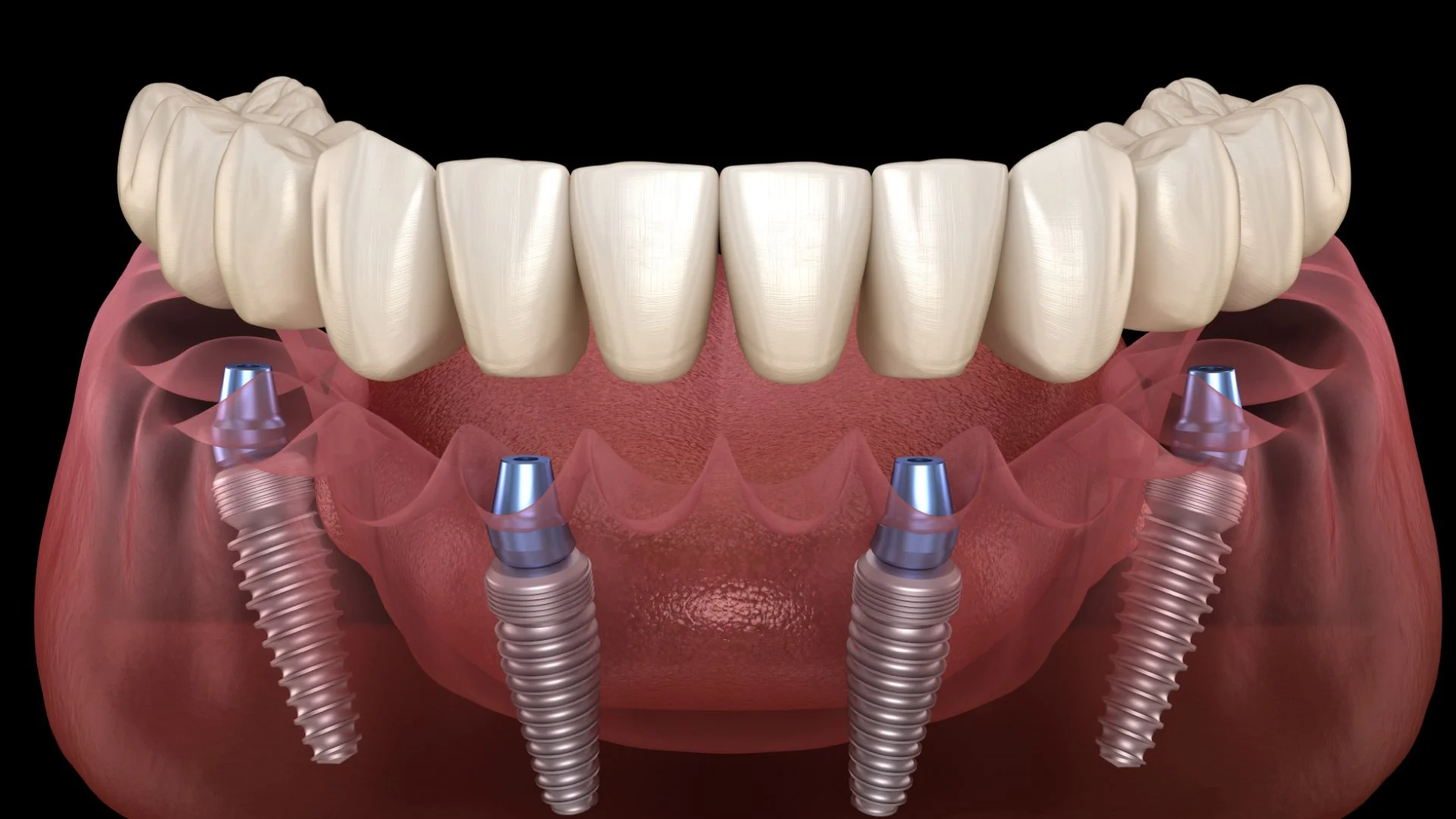
The All-on-6 dental implant technique offers a modern, effective solution for complete tooth restoration. This procedure uses six strategically placed dental implants to support a fixed, full-arch prosthesis, combining the stability of implants with the efficiency of full-mouth rehabilitation.

What is the All-on-6 Procedure?

The All-on-6 concept involves placing six titanium implants into the jawbone to anchor a permanent bridge of prosthetic teeth. The implants are positioned in areas where bone support is strongest, often using a combination of vertical and angled placements to maximize bone usage.

This approach differs from the All-on-4 technique, which uses four implants. The two additional implants in the All-on-6 system provide increased stability and distribute biting forces more evenly, making it particularly beneficial for patients with lower bone density in the upper jaw.

Key Benefits of All-on-6 Implants

Immediate Function and Aesthetics

In many cases, patients can receive a temporary fixed prosthesis on the same day as surgery, allowing them to leave the clinic with functional, aesthetic teeth immediately. This immediate loading approach promotes high patient satisfaction with respect to aesthetics, phonetics, and mastication.

Enhanced Stability and Comfort

The six implants provide a solid, long-lasting foundation. Unlike removable dentures, All-on-6 restorations don't slip or require adhesives, allowing patients to eat, talk, and smile with confidence.

Bone Preservation

Dental implants stimulate the jawbone, preventing the bone resorption that commonly occurs after tooth loss. This helps maintain facial structure and prevents the "sunken" appearance associated with traditional dentures.

Long-Term Durability

With proper care, All-on-6 implants can last 20-30+ years. While the upfront cost is significant, the long-term cost-effectiveness is excellent compared to alternatives that require frequent replacement.

Improved Quality of Life

Research demonstrates that edentulous patients treated with All-on-6 prostheses show high satisfaction in oral health-related quality of life, with significant improvements in chewing comfort, aesthetics, stability, and psychological well-being.

Cost Considerations

The cost of All-on-6 dental implants typically ranges from $24,000 to $50,000 per arch in the United States. Several factors influence the final price, including the geographic location of the dental practice, the expertise of the surgeon, the materials used for the final prosthesis, and whether any additional procedures such as bone grafting or extractions are required.

Comparing Your Options

When evaluating All-on-6 against other tooth replacement solutions, it is helpful to look beyond the initial price tag. All-on-6 generally costs between $24,000 and $50,000 per arch and offers a lifespan of 20 to 30 years or more with proper care. The procedure provides a fixed, non-removable solution that actively prevents bone loss. For comparison, the All-on-4 procedure ranges from $18,000 to $35,000 per arch. While it also offers a fixed solution and a lifespan of over 20 years, the stability is somewhat less due to the fewer number of implants. Implant overdentures typically cost between $5,000 and $16,000 per arch, but they are removable, require ongoing maintenance, and generally last 10 to 15 years. Traditional dentures have the lowest initial cost at $1,500 to $3,500 per arch, but they are removable, do not preserve bone, and typically need replacement every 5 to 10 years.

The True Cost of Ownership

While traditional dentures have the lowest upfront cost, they require frequent adjustments, relines, and replacement every 5 to 10 years. Over a 10-year period, the total cost for a fixed hybrid solution like All-on-6 ranges from $30,000 to $40,000, while dentures can accumulate $11,000 to $18,000 in maintenance costs during the same timeframe. This comparison does not even account for the significant impact on quality of life and bone health that dentures fail to address. The investment in All-on-6 is not merely a dental expense but a long-term investment in your overall health and well-being.

The Procedure Timeline

Step 1: Initial Consultation

Your journey begins with a comprehensive evaluation that includes 3D imaging such as a CBCT scan to assess bone density and precisely plan implant placement. Your dentist will evaluate your overall health, bone condition, and discuss your aesthetic and functional goals.

Step 2: Surgical Placement

On the day of surgery, six implants are placed into the jawbone under local anesthesia or sedation. The procedure typically takes 2 to 4 hours. Any damaged or decayed teeth that need to be removed are extracted during this same appointment.

Step 3: Immediate Provisional Restoration

In favorable cases, a temporary fixed bridge is attached to the implants on the same day as surgery. This provides you with immediate function and aesthetics, so you never have to go without teeth.

Step 4: Osseointegration

Over the next 3 to 6 months, the implants fuse with the jawbone in a process called osseointegration. During this healing period, patients follow a modified soft-food diet to protect the healing implants.

Step 5: Final Restoration

Once complete healing has occurred, the permanent custom-designed prosthesis is securely attached to the implants. This final restoration is crafted to look, feel, and function like natural teeth, providing you with a beautiful and durable smile.

Recovery and Aftercare

What to Expect During Recovery

In the first 24 hours following surgery, you can expect some swelling, mild bleeding, and soreness. Rest is essential during this time, and you should stick to a soft-food diet. During the first week, discomfort gradually eases, but you should continue to avoid hard or sticky foods. By the end of the first month, your daily comfort improves significantly, though the implants continue to heal beneath the surface. The 3 to 6 month mark is when osseointegration completes, and you will be fitted with your final prosthesis. Beyond this point, long-term maintenance involves regular dental visits and diligent home care.

Essential Aftercare Practices

Maintaining proper oral hygiene is crucial for the long-term success of your All-on-6 implants. You should brush and floss regularly, using specialized tools designed to clean around the prosthesis and beneath the bridge. Regular checkups with your dentist are necessary for professional cleanings and to monitor the condition of your implants and surrounding tissues. Lifestyle adjustments such as avoiding smoking and limiting hard or sticky foods will help protect your investment and ensure the longevity of your new smile.

All-on-4 vs. All-on-6: Which is Right for You?

Studies show that both All-on-4 and All-on-6 provide comparable high satisfaction in oral health-related quality of life. However, there are notable differences that may influence your decision.

All-on-4 uses four implants per arch and is generally more affordable, ranging from $18,000 to $35,000. The procedure is highly successful and provides good stability. However, in some cases, patients have reported slightly lower satisfaction with speech outcomes compared to All-on-6. Additionally, long-term research suggests that All-on-4 may provide a better psychological effect in some patient populations, likely due to the slightly more conservative approach.

All-on-6, on the other hand, uses six implants per arch and costs between $24,000 and $50,000. The two additional implants provide superior stability and can accommodate bone loss more effectively than the four-implant system. Patients often report excellent speech outcomes with All-on-6, and the distribution of bite forces is more even across the dental arch. This reduces stress on individual implants and prosthetic components, potentially extending the lifespan of the restoration.

All-on-6 may be preferable when you have moderate to significant bone loss, you want maximum stability particularly for the upper jaw, you desire restoration of molars without long cantilevers, or you have high bite forces or bruxism (teeth grinding). Your implant dentist will help you determine which approach is best suited to your specific anatomical and functional needs.

Candidates for All-on-6 Implants

Ideal candidates for All-on-6 implants include patients who have lost most or all teeth in one or both arches, have sufficient jawbone density to support the implants, and do not have conditions that significantly delay healing such as uncontrolled diabetes or heavy smoking. The procedure is also well-suited for individuals who are looking for a permanent, fixed alternative to removable dentures and want to avoid the inconvenience and discomfort of adhesives and slipping prosthetics.

Even patients with significant bone loss may be candidates for All-on-6. The strategic placement of implants, often using angled positioning, can often avoid the need for bone grafting. This makes the procedure accessible to a wider range of patients than traditional implant techniques. However, a thorough evaluation by an experienced implant dentist is essential to determine your individual suitability.

Clinical Success and Research

Recent clinical studies confirm the effectiveness of the All-on-6 approach and provide reassuring data for patients considering this treatment. A retrospective study of 125 patients followed over 3 to 7 years found that patients treated with both All-on-4 and All-on-6 showed high satisfaction in chewing comfort, aesthetics, cleanability, and stability. The research highlighted that both techniques successfully restored oral function and improved patients' quality of life.

A case series specifically examining rehabilitation of the atrophic edentulous maxilla using six implants demonstrated remarkable results, with 100 percent implant and prosthesis survival rates. The study also reported significant improvement in all domains of oral health-related quality of life, confirming that the All-on-6 approach is both reliable and transformative for patients with challenging bone conditions.

From a biomechanical perspective, the All-on-6 system distributes masticatory forces more uniformly than All-on-4. This reduces stress on individual implants and prosthetic components, which may contribute to the long-term durability of the restoration and reduce the risk of mechanical complications over time.

Conclusion

The All-on-6 dental implant technique represents a significant advancement in restorative dentistry, offering patients a durable, aesthetic, and functional solution for complete tooth restoration. While the initial investment is substantial, the long-term benefits including improved quality of life, bone preservation, and high patient satisfaction make it a compelling choice for suitable candidates.

If you are considering full-arch rehabilitation, consult with an experienced implant dentist to determine whether All-on-6 is the right solution for your specific needs and bone condition. Your journey to a restored smile and renewed confidence could begin with a single consultation.

Psychological Injury and TMJ Disorder: Understanding the Hidden Connection

Can Psychological Injury Cause TMJ Problems?

Yes—psychological injury can play a significant role in the development or worsening of temporomandibular joint (TMJ) disorder. While TMJ is often thought of as a physical condition, it is strongly influenced by emotional stress, anxiety, trauma, and sleep disruption.

In many cases, patients develop jaw pain, teeth grinding, and muscle tension after experiencing significant psychological stress or workplace trauma.

What Is TMJ Disorder?

TMJ disorder refers to dysfunction in the jaw joints and surrounding muscles that control chewing, speaking, and movement of the mouth.

It can affect both physical structures and muscular function, often influenced by stress-related habits like clenching and grinding.

What Is Psychological Injury?

Psychological injury refers to mental health conditions that arise after stressful, traumatic, or prolonged adverse experiences. This may include:

  • Workplace stress or burnout

  • Post-traumatic stress disorder (PTSD)

  • Anxiety disorders

  • Depression

  • Acute stress reactions after an incident

These conditions can have real physical effects on the body, including the jaw and facial muscles.

How Psychological Injury Contributes to TMJ Disorder

Psychological injury does not directly damage the TMJ in most cases. Instead, it contributes indirectly through muscle tension, behavioural changes, and sleep disturbances.

1. Teeth Grinding and Clenching (Bruxism)

Stress and anxiety often trigger unconscious jaw activity.

Bruxism is one of the most common pathways linking psychological injury to TMJ problems.

This can lead to:

  • Overworked jaw muscles

  • Tooth wear and sensitivity

  • Jaw pain and stiffness

  • Increased pressure on the TMJ

2. Chronic Muscle Tension

Psychological stress activates the body’s “fight or flight” response, increasing muscle tone throughout the body, especially in:

  • Jaw muscles (masseter and temporalis)

  • Neck and shoulders

  • Facial muscles

Over time, this constant tension can overload the TMJ system.

3. Sleep Disturbance and Nighttime Clenching

Psychological injury often affects sleep quality. Poor sleep or fragmented sleep is strongly linked to:

  • Night grinding

  • Morning jaw pain

  • Headaches on waking

  • Increased fatigue in jaw muscles

Sleep disruption reduces the body’s ability to recover from muscle strain.

4. Heightened Nervous System Activity

Anxiety and trauma can keep the nervous system in a heightened state of alertness. This can cause:

  • Continuous low-level clenching

  • Difficulty relaxing the jaw

  • Increased pain sensitivity

  • Chronic facial muscle fatigue

Symptoms of TMJ Related to Psychological Injury

Patients with psychologically influenced TMJ disorder often experience:

Jaw Symptoms

  • Jaw tightness or pain

  • Clicking or popping

  • Jaw locking or restricted opening

  • Difficulty chewing comfortably

Head and Facial Symptoms

  • Tension headaches or migraines

  • Facial muscle soreness

  • Ear pressure or pain

Neck and Body Symptoms

  • Neck stiffness

  • Shoulder tightness

  • General muscle fatigue

Psychological Symptoms

  • Anxiety or panic symptoms

  • Sleep disturbance

  • Ongoing stress or hypervigilance

The Cycle Between Stress and TMJ Pain

Psychological injury can create a self-reinforcing cycle:

  1. Stress or trauma increases muscle tension

  2. Jaw clenching and grinding begin or worsen

  3. TMJ pain develops

  4. Pain increases stress and anxiety

  5. Symptoms become chronic

Breaking this cycle is essential for recovery.

Diagnosis of Psychologically Linked TMJ Disorder

A proper assessment may involve:

  • Dental and TMJ examination

  • Muscle tenderness evaluation

  • Bite and jaw function analysis

  • Review of stress and mental health history

  • Sleep and bruxism assessment

  • Medical and psychological reports (if part of a claim)

A multidisciplinary approach is often required.

Treatment Options

Dental and Physical Treatments

  • Custom night guards to reduce grinding

  • Physiotherapy for jaw and neck muscles

  • Botox for severe muscle overactivity

  • Anti-inflammatory management

  • Jaw relaxation exercises

Psychological and Behavioural Treatments

  • Cognitive behavioural therapy (CBT)

  • Stress management strategies

  • Trauma-focused therapy (if applicable)

  • Sleep improvement strategies

  • Relaxation and breathing techniques

Why Early Treatment Matters

If left untreated, psychologically driven TMJ disorder can become chronic and lead to:

  • Persistent jaw pain

  • Tooth damage from grinding

  • Long-term muscle dysfunction

  • Reduced quality of life

  • Ongoing sleep disturbance

Early intervention improves both physical and psychological outcomes.

Key Takeaway

Psychological injury can significantly contribute to TMJ disorder through stress-induced muscle tension, teeth grinding, and sleep disruption. While the jaw joint itself may not be directly injured, the surrounding muscles and functional system can become overloaded over time.

Treating both the physical symptoms and the underlying psychological factors is often the most effective approach to long-term recovery.

If you are experiencing jaw pain, headaches, or teeth grinding following psychological stress or trauma, a combined dental and psychological assessment can help guide appropriate treatment.