
Missing a Tooth? Here's What Actually Happens If You Don't Replace It

Maybe you lost a tooth to an accident. Maybe it was a cavity that went too deep. Whatever the reason, you're now left with a gap. And you've been thinking, "It's at the back. No one sees it. Do I really need to bother?"

The short answer: yes. And here's why.

What Happens When a Tooth Goes Missing:

You might think the gap just sits there, harmless. But your mouth doesn't work like that. Your teeth are a system—they support each other. When one goes missing, everything shifts.

  • The neighboring teeth lean into the gap. They tilt and drift. That weakens their roots.

  • The opposite tooth starts to move too. It has nothing to bite against, so it slowly comes out of its socket.

  • Your bite changes. You chew differently, putting extra pressure on other teeth.

  • Your jawbone shrinks. The bone that held the tooth root starts to dissolve. That changes your facial shape over time—creating a sunken look around your cheeks and lips.

The Solution That Works Best (for Most People):

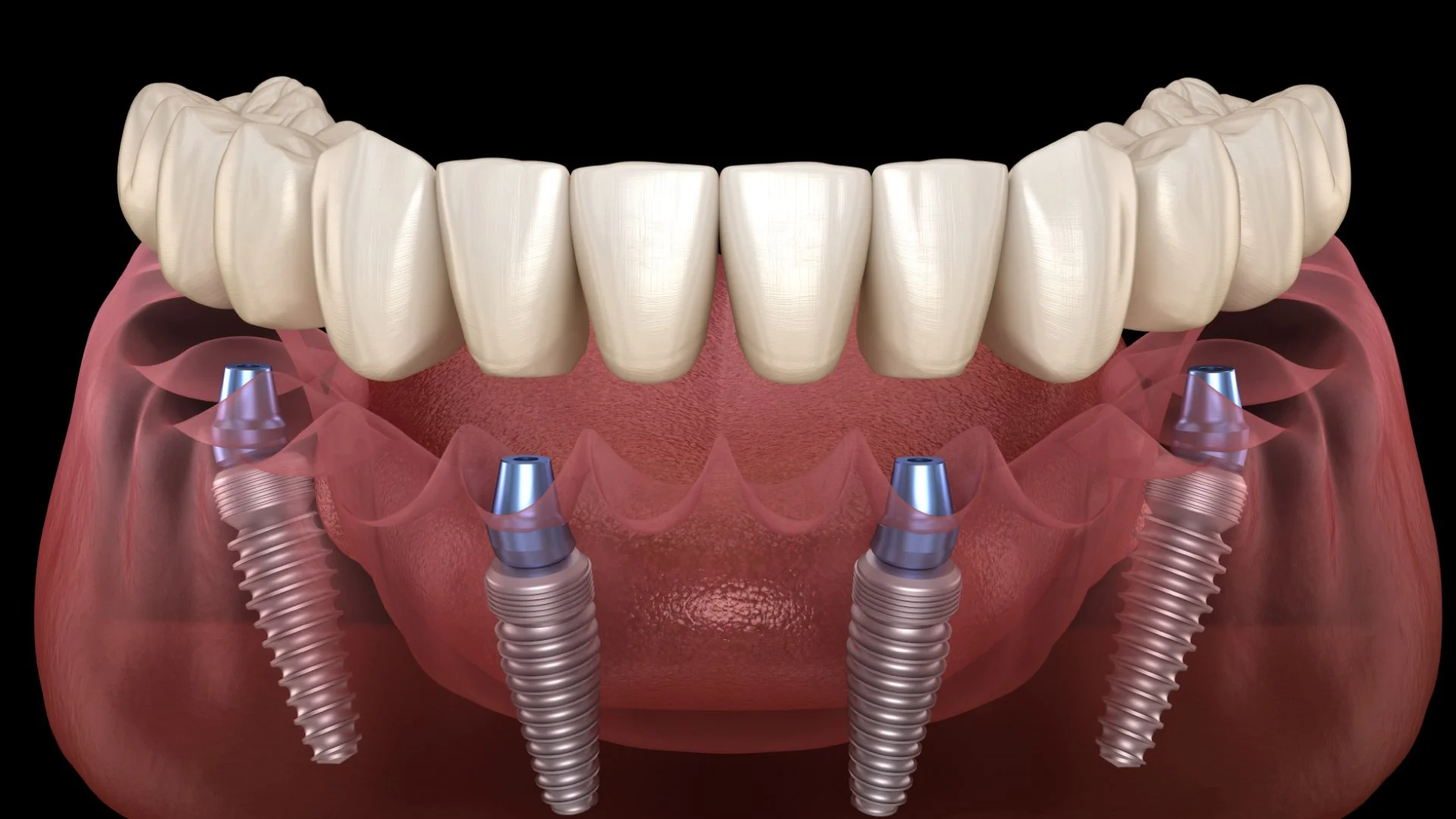
Dental implants are the closest thing to a natural tooth you can get. They're a small titanium post placed gently into your jawbone. Over a few months, the bone grows around it, locking it in place like a real root. Then we place a crown on top that looks, feels, and works like a natural tooth.

What About Other Options?

  • Dental bridge: Anchors to neighboring teeth. Good option, but it requires altering healthy teeth to hold it.

  • Partial denture: Removable, affordable. But less comfortable and stable.

We'll Be Honest With You:

We'll look at your mouth, your bone health, your budget, and your lifestyle. Then we'll tell you what we genuinely think is the best option for you—whether that's an implant, a bridge, or even doing nothing (though we'll explain the risks of that too).

The Takeaway:

Gaps don't stay gaps forever. Your mouth will try to fill them—but not in a good way.

📞 Call us: (02) 9558 8988
✉️ Email us: info@painfreedentistsydney.com.au
🌐 Book online anytime: https://painfreedentistsydney.com.au/

A Brighter Smile in 7 Days? What Actually Works for Teeth Whitening

You scroll through social media. Everyone seems to have a perfect, glowing white smile. And you look in the mirror, and you think, "Mine used to be brighter. What happened?"

Here's the truth: your teeth naturally darken over time. Coffee, tea, red wine, aging, even some medications—they all leave their mark. And the market is flooded with products promising miracles. But most of them are a waste of money. Some are even dangerous.

Let's Cut Through the Noise:

When people search for whitening, they usually want three things: results, safety, and speed. We get it. You don't want a product that hurts, you don't want something that takes six months, and you definitely don't want something that damages your enamel.

What Actually Works (And What Doesn't):

  • Charcoal toothpastes? Trendy, but they're abrasive. They scrub off surface stains but also scratch your enamel. Not worth the risk.

  • Drugstore strips? They work—slowly and mildly. But they often miss the spaces between teeth, leaving uneven results.

  • Baking soda at home? It's mildly abrasive. Can help a little, but don't overdo it.

  • What we use: Professional-grade whitening gel. It penetrates deep into the tooth to break up both surface and internal stains. We protect your gums, and we guide the process so there's no pain or sensitivity.

Why Our Patients Choose Us for Whitening:

We don't do one-size-fits-all. We look at your teeth, your sensitivity level, and your goals. Then we make a plan. Some patients want an in-chair treatment that takes about an hour. Others prefer take-home trays they use over a couple of weeks at their own pace. Both work beautifully.

What You'll Notice:

After professional whitening, your smile looks brighter, cleaner, younger. But more than that—you feel more confident. You smile more. You talk without covering your mouth. And honestly? That's our favorite part to see.

One Important Thing:

Whitening won't fix everything. If you have old fillings, crowns, or severe stains from certain medications, we'll be upfront about that. We want you to have realistic expectations and real results—not disappointment.

📞 Call us: (02) 9558 8988
✉️ Email us: info@painfreedentistsydney.com.au
🌐 Book online anytime: https://painfreedentistsydney.com.au/

The Silent Danger: What Nobody Tells You About Gum Disease

Here's something that might surprise you. Gum disease is the number one cause of tooth loss in adults. And the scariest part? It often doesn't hurt at all.

No sharp pain. No dramatic warning signs. Just a little bleeding when you brush. Maybe some puffiness you barely notice. And people assume it's normal. It's not.

The Quiet Invasion:

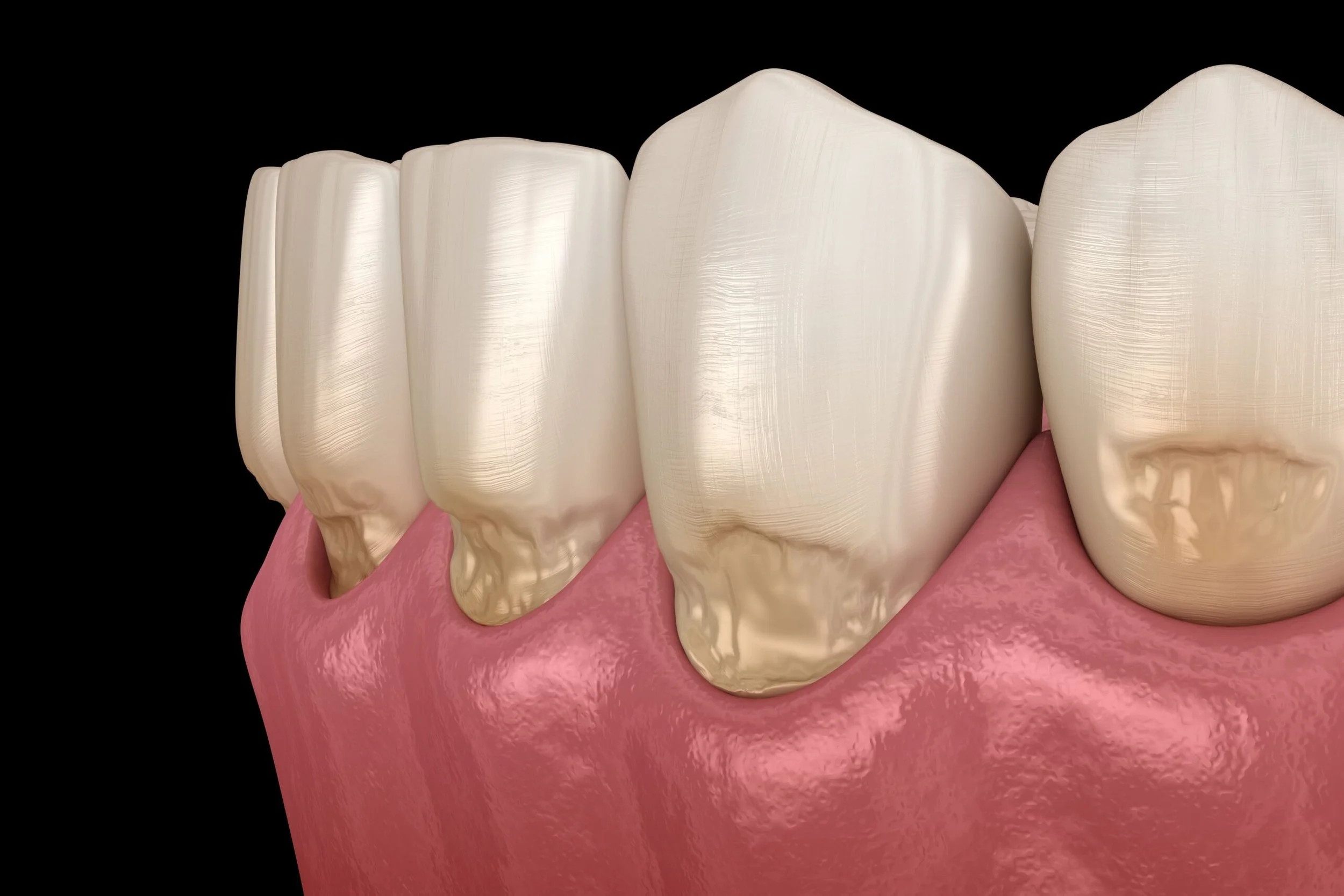
Gum disease starts when plaque—that sticky film of bacteria—builds up along your gumline. Your body fights it with inflammation. That inflammation is what makes your gums bleed, swell, and pull away from your teeth. Over time, bacteria creep deeper, forming pockets that can destroy the bone holding your teeth in place.

The Signs That Shouldn't Be Ignored:

  • Blood in the sink after brushing or flossing.

  • Gums that look redder or puffier than usual.

  • A persistent bad taste or bad breath.

  • Gums that feel like they're pulling away from your teeth.

  • Loose or shifting teeth (in advanced stages).

The Great News:

At the early stage—gingivitis—gum disease is completely reversible. A professional cleaning and a little daily TLC can turn things around in weeks. At the more advanced stage—periodontitis—we can still manage it, stop the damage, and save your teeth.

What a Visit Looks Like:

We start with a gentle examination. We measure the tiny pockets around your teeth to see if there's any deep infection. Then we do a deep clean—called scaling and root planing—where we remove bacteria from below the gumline. It sounds intense, but we do it with numbing and care. Most people are surprised at how comfortable it actually is.

Then We Build a Routine Together:

Good home care—flossing, brushing, maybe a special mouth rinse—keeps the bacteria from coming back. We'll guide you through it step by step.

Your Gums Aren't Meant to Bleed:

If your gums bleed, they're asking for help. Please don't ignore them.

📞 Call us: (02) 9558 8988
✉️ Email us: info@painfreedentistsydney.com.au
🌐 Book online anytime: https://painfreedentistsydney.com.au/