Your Gums and Your Heart: The Silent Conversation You Didn't Know About

Let's talk about a conversation that happens inside your body every single day—a conversation you cannot hear, but that your dentist is trained to listen for. It is the dialogue between your gums and your heart.

If you are someone who brushes off a little blood in the sink when you spit, or you figure that "pink in the sink" is just a sign you brushed too hard, I need you to pause. That tiny trace of blood is actually a distress signal. It is your mouth telling your immune system that there is an active, low-grade war happening right beneath your gumline.

And here is the startling part: your immune system's response to that oral war doesn't stay contained in your mouth. It travels. It creates a ripple effect of inflammation throughout your entire vascular system. Over the last decade, major cardiology and dental journals have confirmed what many of us have long suspected: people with untreated periodontal (gum) disease have roughly two to three times the risk of suffering a heart attack, stroke, or other serious cardiovascular event.

So, why does this happen?

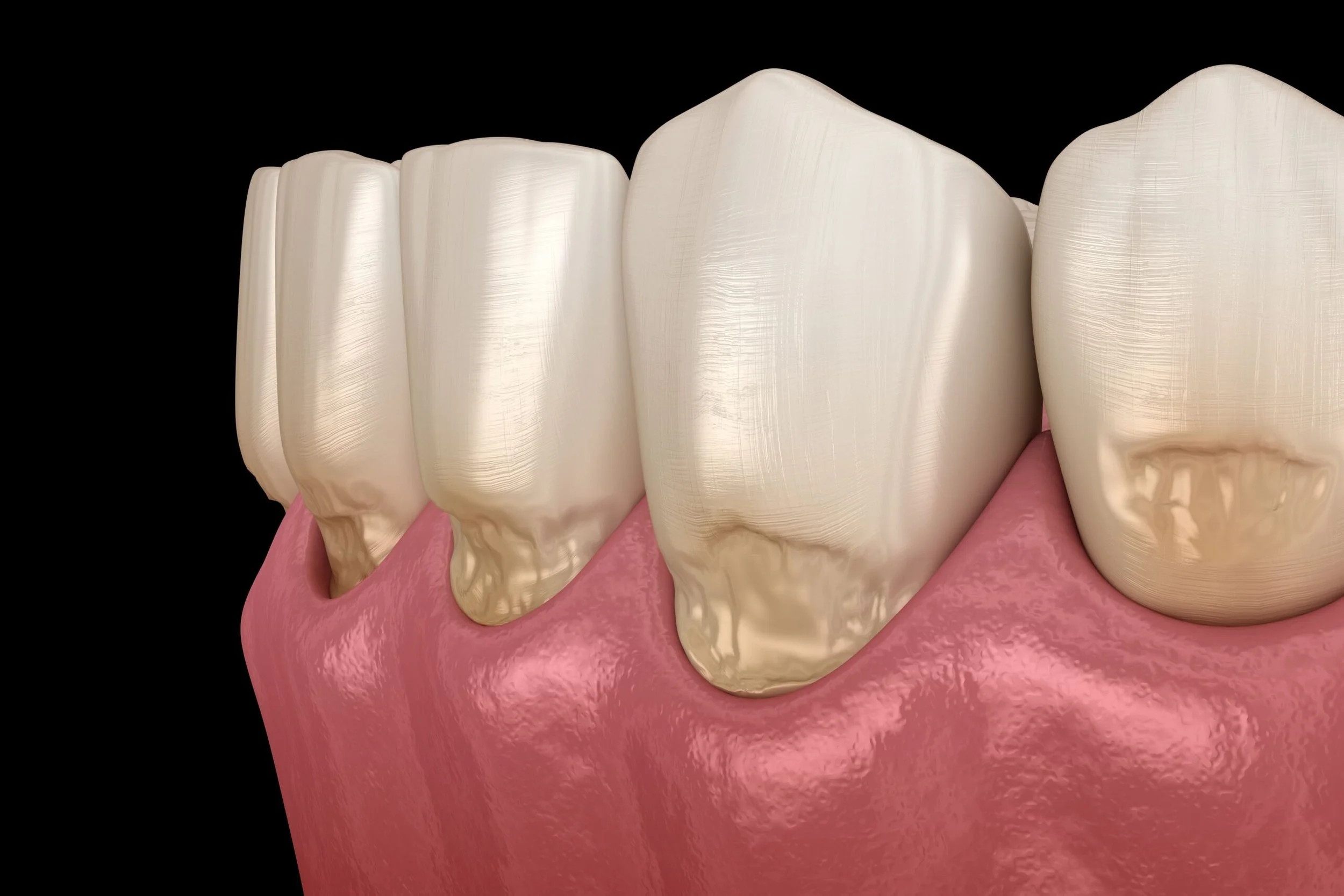
Think of gum disease not as a localized infection, but as a leaky faucet. When plaque builds up along the gumline, the bacteria within that plaque produce toxins. Your body sends white blood cells to fight these toxins, which causes the gums to become inflamed, swollen, and bleeding. This inflammation breaks down the tissue that holds your teeth in place, creating "pockets."

These pockets are essentially open wounds. Every time you chew or brush, bacteria from these pockets are pushed directly into your bloodstream. This bacteria carries a specific protein that causes your blood platelets to clump together. To protect you, your liver responds by producing more C-reactive protein (CRP), which is a marker for inflammation. Over time, this elevated CRP damages the inner lining of your arteries, making them stiffer and narrower—the perfect breeding ground for blood clots.

But here is the good news that often gets lost in the scary headlines: this connection works both ways. Just as gum disease can harm your heart, taking care of your gums can significantly lower your systemic inflammation levels. Studies have shown that a deep cleaning (scaling and root planing) doesn't just stop the bleeding in your mouth; it can actually lower your blood pressure and improve the function of your blood vessels within months.

Your dentist isn't looking at your gums just to save your teeth. We are looking at your gums to help save your life.

Actionable Takeaway:
If you have a family history of heart disease, please don't neglect your six-month cleanings. And if your gums bleed regularly, don't buy a "softer" toothbrush and hope it goes away. That bleeding is your earliest warning system. We can stop the inflammation cycle right here, right now, before it ever reaches your arteries.

Ready to take control of your gum health? Visit our website at https://painfreedentistsydney.com.au/ to book your comprehensive gum evaluation online. You can also call us at (02) 9558 8988 or email us at info@painfreedentistsydney.com.au. Your heart will thank you.

I'm Scared of the Dentist. And That's Okay—Here's How We Help

Let's be real for a moment. For some people, just reading the word "dentist" makes their palms sweat. And if that's you—you're not weak. You're not difficult. You're just human.

Dental anxiety is incredibly common. And yet, most people suffer in silence. They put off check-ups. They let small problems become big ones. They avoid the chair for years. And then, when something breaks or hurts, they have to come in anyway—but now it's urgent and scary.

We See You. We Understand.

At our practice, we don't see anxiety as an obstacle. We see it as part of the journey. Our whole approach is built around making you feel safe, heard, and in control.

What Most People Don't Know About Us:

  • We don't judge. We've treated patients from all backgrounds—some who haven't seen a dentist in a decade. We don't lecture. We just help.

  • We go at your pace. You need a break? We take a break. You need us to explain every step? We do. You want us to stop entirely? We stop.

  • We have options for comfort. Numbing gel, gentle injections, nitrous oxide (laughing gas) for relaxation, even sedation for longer procedures. You can choose your level of comfort.

  • We talk to you like a person. No jargon. No condescension. Just clear, simple, honest communication.

The First Visit Is the Hardest:

We don't do any treatment on the first visit unless you ask us to. We just talk, look around gently, take some X-rays if needed, and make a plan together. That's it. No surprises.

Here's What Our Patients Often Say After:

"I can't believe that was it."
"I wish I came sooner."
"You actually listened to me."

You're Not Alone in This:

Dental fear is normal. But letting it control your health doesn't have to be. We'll meet you exactly where you are—and walk with you from there.

📞 Call us: (02) 9558 8988
✉️ Email us: info@painfreedentistsydney.com.au
🌐 Book online anytime: https://painfreedentistsydney.com.au/

Missing a Tooth? Here's What Actually Happens If You Don't Replace It

Maybe you lost a tooth to an accident. Maybe it was a cavity that went too deep. Whatever the reason, you're now left with a gap. And you've been thinking, "It's at the back. No one sees it. Do I really need to bother?"

The short answer: yes. And here's why.

What Happens When a Tooth Goes Missing:

You might think the gap just sits there, harmless. But your mouth doesn't work like that. Your teeth are a system—they support each other. When one goes missing, everything shifts.

  • The neighboring teeth lean into the gap. They tilt and drift. That weakens their roots.

  • The opposite tooth starts to move too. It has nothing to bite against, so it slowly comes out of its socket.

  • Your bite changes. You chew differently, putting extra pressure on other teeth.

  • Your jawbone shrinks. The bone that held the tooth root starts to dissolve. That changes your facial shape over time—creating a sunken look around your cheeks and lips.

The Solution That Works Best (for Most People):

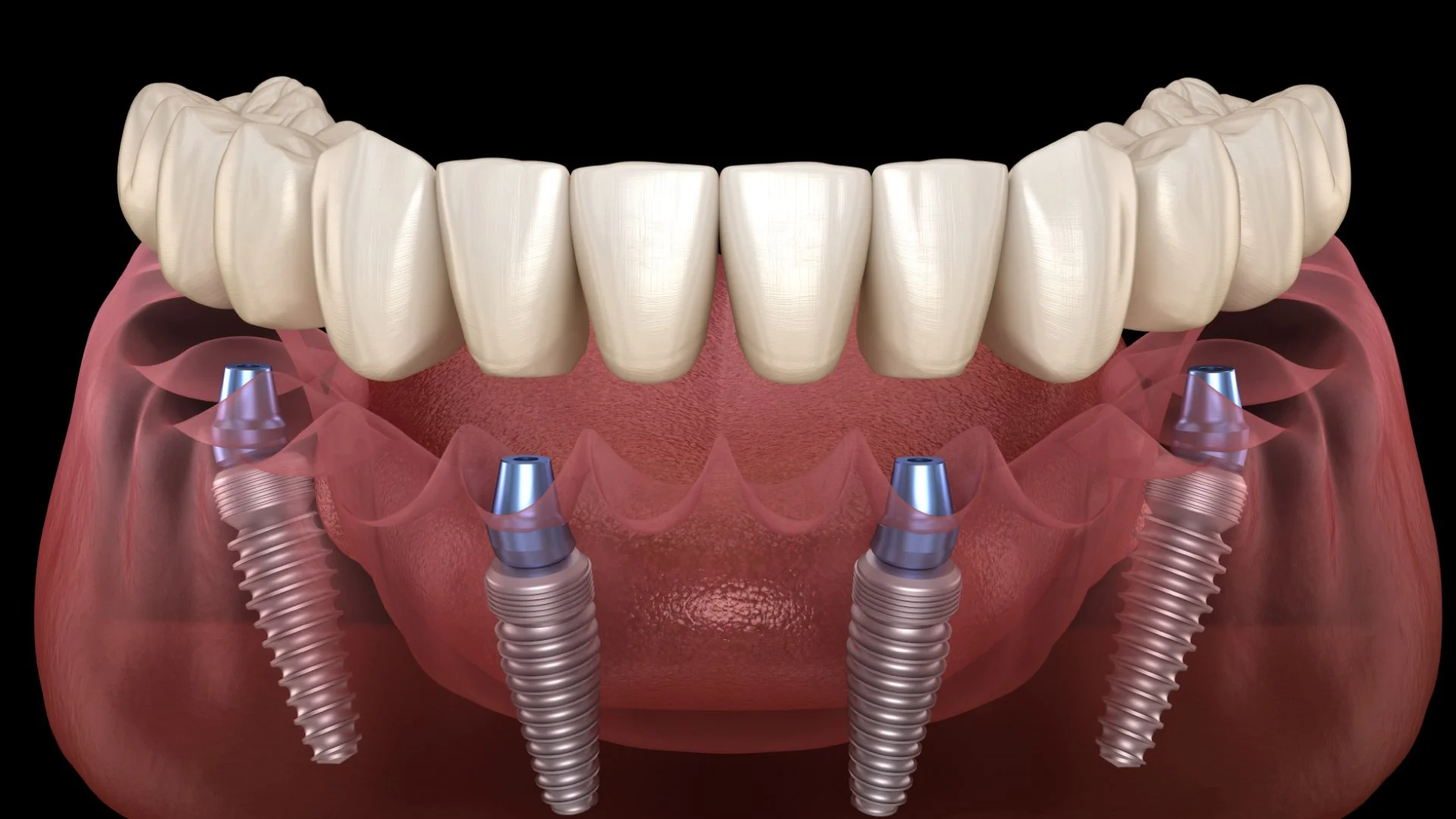
Dental implants are the closest thing to a natural tooth you can get. They're a small titanium post placed gently into your jawbone. Over a few months, the bone grows around it, locking it in place like a real root. Then we place a crown on top that looks, feels, and works like a natural tooth.

What About Other Options?

  • Dental bridge: Anchors to neighboring teeth. Good option, but it requires altering healthy teeth to hold it.

  • Partial denture: Removable, affordable. But less comfortable and stable.

We'll Be Honest With You:

We'll look at your mouth, your bone health, your budget, and your lifestyle. Then we'll tell you what we genuinely think is the best option for you—whether that's an implant, a bridge, or even doing nothing (though we'll explain the risks of that too).

The Takeaway:

Gaps don't stay gaps forever. Your mouth will try to fill them—but not in a good way.

📞 Call us: (02) 9558 8988
✉️ Email us: info@painfreedentistsydney.com.au
🌐 Book online anytime: https://painfreedentistsydney.com.au/