Dental Injuries at Work: Can Workers Compensation Cover Your Dental Treatment in NSW?

A dental injury at work can happen unexpectedly. A fall, an impact to the face, an accident involving workplace equipment or an injury sustained while performing physical duties can result in a broken tooth, damaged dental restoration, knocked-out tooth or injury to the jaw.

Beyond the immediate pain and discomfort, a workplace dental injury can affect your ability to eat, speak and carry out everyday activities. You may also face unexpected dental expenses and uncertainty about who is responsible for paying for treatment.

If you have suffered a dental injury at work in Sydney, understanding your treatment options and the workers compensation process in New South Wales (NSW) can help you take the appropriate next steps.

At Pain Free Dentist Sydney, we understand the importance of assessing dental injuries carefully and helping patients understand their treatment needs.

What Is Considered a Work-Related Dental Injury?

A work-related dental injury is damage to the teeth, gums, mouth or related structures that occurs in circumstances connected with employment.

Depending on the incident, injuries may include:

  • Broken or chipped teeth: Caused by a fall, collision or direct impact to the mouth.

  • Knocked-out teeth: A tooth may be completely displaced from its socket following significant trauma.

  • Loose teeth: An impact may damage the supporting tissues and cause a tooth to become mobile.

  • Cracked teeth: Trauma can cause fractures that may not be immediately obvious.

  • Damaged crowns, bridges or fillings: An accident may fracture or dislodge existing dental restorations.

  • Jaw and facial injuries: A workplace incident may affect the jaw, surrounding soft tissues or the temporomandibular joints.

  • Soft tissue injuries: Cuts or damage to the lips, tongue and gums may occur alongside dental trauma.

The seriousness of an injury can vary. Even if a tooth appears intact, damage to its supporting tissues or the nerve may become apparent later.

What Should You Do If You Injure Your Teeth at Work?

Taking appropriate action after a workplace dental accident can help protect your oral health and support accurate documentation of the incident.

1. Seek prompt dental assessment

If a tooth is broken, loose or displaced, arrange urgent dental care. A knocked-out permanent tooth is a time-sensitive emergency.

If you have a suspected jaw fracture, uncontrolled bleeding, significant facial trauma or difficulty breathing, seek emergency medical assistance.

2. Report the workplace incident

Notify your employer as soon as practicable and follow the workplace injury reporting process. Record when and where the accident occurred and how the injury happened.

3. Keep relevant documentation

Keep copies of medical and dental reports, treatment plans, invoices, photographs where appropriate and any correspondence relating to the incident.

These records may help establish the nature of the injury and the treatment recommended.

4. Ask about workers compensation

If the injury occurred in circumstances covered by NSW workers compensation legislation, you may be able to claim reasonable and necessary dental treatment related to the injury.

Contact your employer or insurer to understand the claim process and whether approval is required before proceeding with planned treatment.

Can Workers Compensation Pay for Dental Treatment After a Workplace Accident?

Potentially, yes. Workers compensation in NSW may cover reasonable and necessary dental treatment for an accepted work-related injury, subject to the applicable legislation, claim circumstances and any required approvals.

Depending on the injury, treatment may involve:

  • Emergency dental treatment.

  • Repair of a fractured tooth.

  • Treatment for a traumatised or loosened tooth.

  • Root canal treatment where clinically indicated.

  • A crown or other restoration to repair a damaged tooth.

  • Replacement of a tooth that cannot be saved, where appropriate.

  • Treatment for associated injuries to the jaw or surrounding structures.

Not every treatment will automatically be funded. The proposed treatment must be appropriately connected to the compensable injury and satisfy the relevant requirements.

The insurer may request a dental report, treatment plan, quotation or other clinical information before approving treatment.

If you already have a workers compensation claim for another injury, do not assume that a new dental condition is automatically covered. Ask the insurer how the dental injury should be reported and what documentation is needed.

What If Your Tooth Breaks at Work but You Had Previous Dental Problems?

Sometimes, a workplace accident affects a tooth that already had a large filling, a crown, previous trauma or underlying structural weakness.

This does not automatically determine whether a claim will be accepted or rejected.

The dentist needs to assess the current condition and consider the reported mechanism of injury, previous dental history and clinical findings.

Relevant questions may include:

  • Was the tooth healthy before the accident?

  • Did the incident cause a new fracture or dislodge an existing restoration?

  • Was there pre-existing tooth damage?

  • What treatment is now clinically necessary?

  • Is there evidence that the workplace incident caused or aggravated the dental condition?

The answer depends on the individual circumstances. Clear clinical records can help distinguish the pre-existing condition from any new injury or aggravation.

How Is a Workplace Dental Injury Diagnosed?

A dental assessment usually begins with a history of the accident and an examination of the injured area.

Depending on the circumstances, your dentist may assess:

The affected tooth: Checking for fractures, mobility, tenderness, changes in colour and damage to existing restorations.

The surrounding tissues: Examining the gums, lips and other soft tissues for injury.

The supporting structures: Assessing the tissues around the tooth and checking for signs of injury to the surrounding bone.

The jaw and bite: Determining whether the injury has affected your bite, jaw movement or ability to chew comfortably.

Dental imaging: X-rays or other appropriate imaging may be needed to assess the extent of the injury.

Some injuries require monitoring because changes to the tooth nerve or supporting tissues may not become obvious immediately.

What Dental Treatments Might Be Required?

Treatment depends on the type and severity of the injury.

Repairing a chipped or fractured tooth

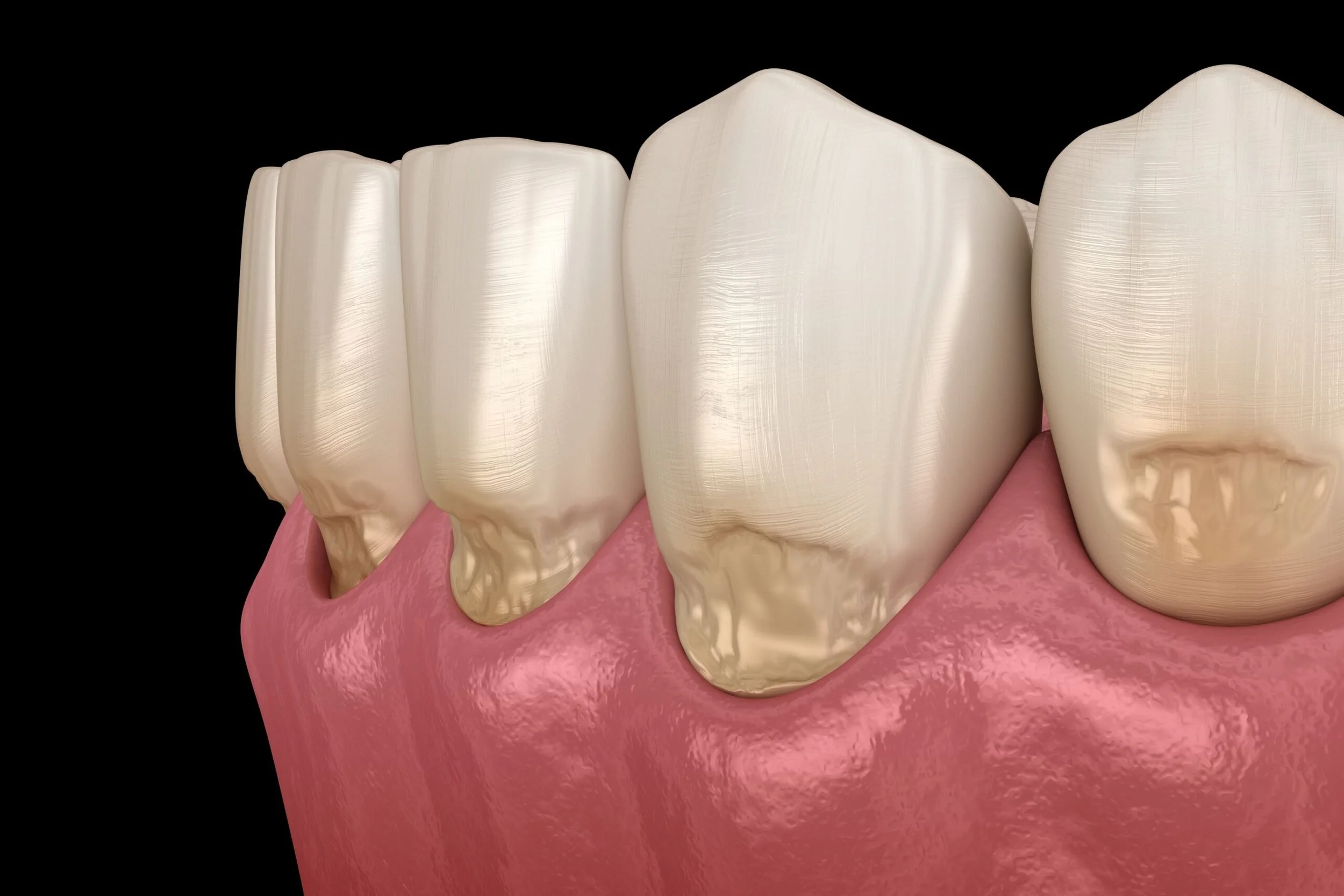
Small fractures may be managed with bonding or composite restoration. More extensive damage may require a crown or another form of restoration.

Root canal treatment

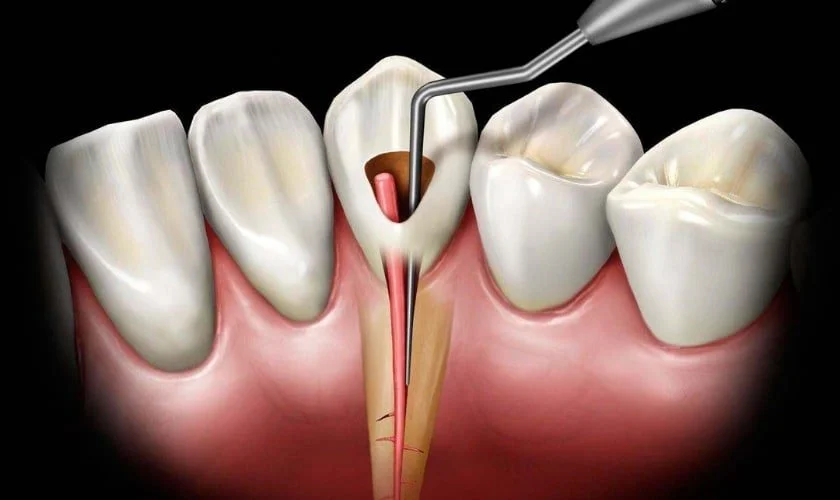
If trauma causes irreversible damage to the tooth's pulp, root canal treatment may be considered to preserve the tooth where appropriate.

Treating a loosened tooth

Depending on the injury, management may involve monitoring, stabilisation or other treatment. Follow-up examinations may be needed to assess healing.

Replacing a tooth that cannot be saved

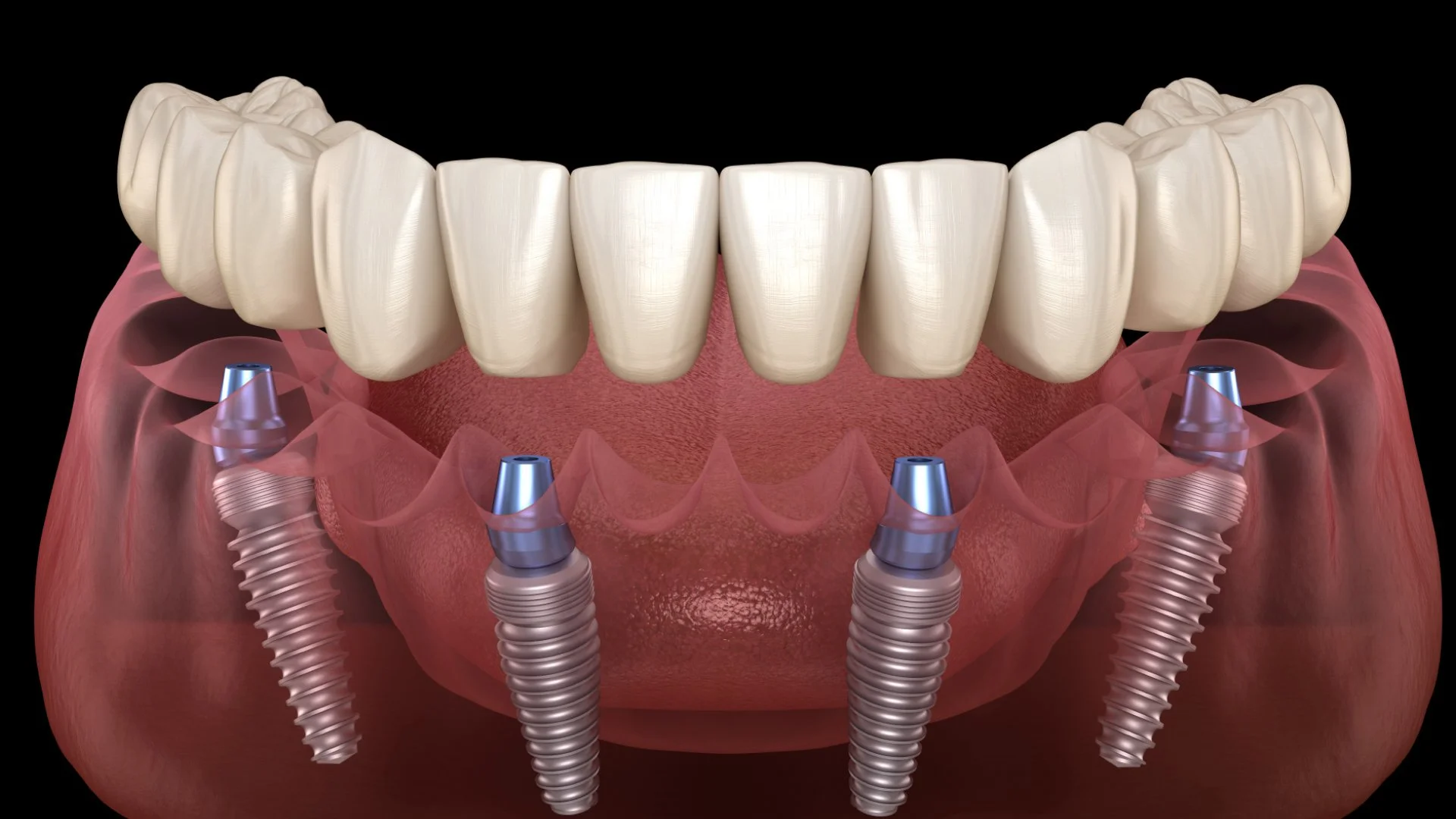
If a tooth is lost or cannot be restored, replacement options may include an implant, bridge or removable prosthesis, depending on the clinical situation.

Where workers compensation is involved, the proposed treatment and funding arrangements should be discussed with the insurer. Treatment suitability and coverage are assessed individually.

Why Is Early Treatment Important?

Prompt assessment can help identify injuries that are not immediately visible and reduce the risk of avoidable complications.

Delaying treatment may allow some problems to progress, particularly where a fracture extends into the tooth or the supporting tissues have been damaged.

Early documentation also creates a clearer record of the injury, the clinical findings and the treatment recommended.

If you have sustained a dental injury at work, seek advice even if the initial pain seems manageable.

Dental Injury and Workers Compensation in Sydney's Inner West

If you have broken, loosened or lost a tooth in a workplace accident, Pain Free Dentist Sydney can assess your dental condition and discuss appropriate treatment options.

We can explain the clinical findings and provide relevant dental documentation where appropriate. Whether treatment is covered by workers compensation depends on the circumstances of the injury, the applicable requirements and any necessary insurer approvals.

Contact our clinic to enquire about an assessment following a workplace dental injury.

Pain Free Dentist Sydney

G1A / Suite 1A, 570 New Canterbury Road, Hurlstone Park NSW 2193

Phone: 02 9558 8988

Email: info@painfreedentistsydney.com.au

Website: painfreedentistsydney.com.au

Disclaimer: This article provides general information and is not legal or individualised dental advice. Treatment recommendations depend on a clinical examination. Workers compensation eligibility and treatment funding are determined under the applicable NSW requirements and the circumstances of each claim.

Can PTSD After a Workplace Injury Cause Teeth Grinding, Jaw Pain and Headaches?

A traumatic workplace incident can affect a person's physical and psychological wellbeing long after the event itself. For some people, recovery involves more than treating the original injury. Ongoing anxiety, disturbed sleep and symptoms of post-traumatic stress disorder (PTSD) may occur alongside teeth grinding, jaw clenching, facial muscle pain and headaches.

If you developed PTSD after a work-related injury and are now experiencing jaw discomfort or persistent headaches, you may be wondering whether these symptoms are connected.

Although PTSD does not automatically cause dental or jaw problems, research suggests that psychological trauma, painful temporomandibular disorders (TMD) and bruxism can be associated. Understanding this relationship may help you seek appropriate assessment and treatment.

What Happens to Your Body After a Traumatic Workplace Incident?

Following a frightening or distressing event, some people experience prolonged changes in their stress response. PTSD can involve intrusive memories, nightmares, heightened alertness, anxiety and difficulty sleeping.

These symptoms may affect everyday activities, concentration, rest and muscle tension.

Some people notice that they tighten their jaw when feeling stressed or remain unaware that they are clenching their teeth during the day. Others experience sleep-related teeth grinding or wake up with sore jaw muscles.

Over time, repeated clenching and grinding may contribute to discomfort in the chewing muscles and place additional stress on the teeth and existing dental restorations.

However, these symptoms can also have other causes, so an individual assessment is important.

The Connection Between PTSD and Teeth Grinding

Teeth grinding and clenching are commonly described as bruxism. Bruxism can occur while awake or during sleep, and the two forms may have different contributing factors.

People experiencing PTSD may have disturbed sleep, increased arousal or heightened muscle tension. These factors can coexist with bruxism, although PTSD is not the sole cause of teeth grinding.

Signs that you may be clenching or grinding your teeth include:

  • Waking up with a tired or sore jaw.

  • Feeling tightness around the cheeks or temples.

  • Noticing that your teeth remain pressed together during the day.

  • Experiencing increased tooth sensitivity or wear.

  • Developing cracks or damage to fillings and other restorations.

  • Having a partner notice grinding sounds during sleep.

If these symptoms began or worsened after a traumatic workplace incident, tell your dentist when you first noticed them and whether they fluctuate with your other symptoms.

Why Can Jaw Clenching Lead to Headaches?

The muscles used for chewing extend across the cheeks and temples. When these muscles become painful or overworked, discomfort may be felt beyond the jaw itself.

Some people with TMD experience headaches around the temples, facial soreness or pain that increases with chewing and jaw movement.

Possible symptoms include:

Temple headaches: Pain or tenderness around the sides of the head, sometimes associated with jaw muscle discomfort.

Morning headaches: Headaches occurring on waking may warrant assessment for several possible causes, including sleep disturbances, bruxism or other conditions.

Facial tension: Persistent tightness around the cheeks, temples or jaw can make everyday activities uncomfortable.

Jaw joint discomfort: Pain near the ears, clicking, restricted movement or difficulty opening the mouth may indicate a need for TMJ assessment.

Not every headache originates from the jaw. Migraine, tension-type headaches, sleep disorders and other medical conditions may produce similar symptoms. A proper assessment helps determine whether the jaw is contributing.

Could Your TMJ Symptoms Be Related to Your Work Injury?

The timing of symptoms can be an important part of your medical and dental history.

For example, a person may experience a workplace accident, develop PTSD during recovery and subsequently notice increased clenching, poor sleep and jaw pain. Another person may sustain a direct facial injury and later experience restricted jaw movement.

These are different clinical situations and should be evaluated individually.

Your dentist may ask about:

  • The nature and date of the original workplace incident.

  • Whether you sustained a direct injury to your face, teeth or jaw.

  • When your PTSD symptoms and jaw symptoms began.

  • Any previous history of jaw pain, headaches or teeth grinding.

  • Changes in sleep, medication or other health conditions.

  • How the symptoms affect eating, speaking, sleeping and daily activities.

This information can help guide the clinical assessment. It does not, by itself, establish that a workplace incident caused the TMJ disorder.

Can Workers Compensation Cover Treatment for Teeth Grinding and TMJ Pain?

In NSW, workers compensation may cover appropriate treatment for a condition accepted as related to a compensable workplace injury, subject to the relevant legal requirements and insurer approval processes.

If you have an accepted claim involving a workplace injury or psychological condition, and you subsequently develop persistent jaw pain or bruxism, you can ask your treating doctor or insurer whether assessment of the jaw condition is appropriate.

The insurer may require clinical reports explaining the diagnosis, symptoms, proposed treatment and possible relationship to the original injury.

It is important to understand that:

  • An accepted PTSD claim does not automatically mean that a TMJ condition is also accepted.

  • Teeth grinding or jaw pain may have multiple contributing factors.

  • A dentist can document clinical findings and provide an opinion within their professional scope.

  • Funding and approval depend on the individual claim and applicable workers compensation requirements.

If you are unsure about your eligibility, contact your insurer or seek advice from a qualified workers compensation professional.

How Can a TMJ Dentist Assess Jaw Pain After PTSD?

A comprehensive dental and jaw assessment can help identify whether your symptoms may involve the teeth, chewing muscles, jaw joints or a combination of factors.

Depending on your symptoms, the assessment may include:

Dental examination: Checking for tooth wear, fractures, sensitivity and damage to existing dental work.

Jaw movement assessment: Evaluating opening range, movement patterns, joint discomfort and other relevant signs.

Muscle examination: Assessing the chewing muscles for tenderness and possible signs of overactivity.

Review of symptom history: Considering when the symptoms began, what aggravates them and whether there are relevant sleep or psychological factors.

Further investigations: Imaging or referral may be appropriate when indicated by the clinical findings.

Treatment should be tailored to the diagnosis rather than assuming that every case of jaw pain requires the same approach.

What Treatment Options May Help?

Management depends on the underlying causes and the severity of your symptoms. Options may include:

  • Education about jaw habits and reducing unnecessary clenching.

  • Appropriate jaw exercises or physiotherapy where indicated.

  • A carefully selected oral appliance for suitable patients.

  • Dental treatment for damaged teeth or restorations.

  • Further assessment of persistent headaches or sleep problems.

  • Coordination with your treating doctor or mental health professional.

Some patients may benefit from a combination of approaches. An oral appliance may help protect teeth in selected cases, but it does not necessarily eliminate bruxism or treat PTSD.

Similarly, treatment for jaw pain should not replace appropriate care for the psychological effects of a traumatic event.

Don't Ignore Persistent Jaw Pain After a Workplace Injury

Living with PTSD can be challenging, particularly when physical symptoms interfere with sleep, eating or daily life. If you are also experiencing teeth grinding, jaw pain or headaches, it is worth discussing these symptoms with your healthcare providers.

Identifying the possible contributing factors can help you make informed decisions about treatment and, where relevant, provide clearer clinical documentation for your workers compensation claim.

TMJ Assessment in Sydney's Inner West

At Pain Free Dentist Sydney, we assess patients experiencing jaw pain, teeth grinding, headaches and other symptoms associated with temporomandibular disorders.

If your symptoms developed after a work-related injury or during recovery from PTSD, we can assess your dental and jaw concerns and discuss suitable management options.

Contact our clinic to enquire about a TMJ consultation and any documentation that may be relevant to your circumstances. Please confirm insurer requirements and treatment approval before proceeding with workers compensation-funded care.

Pain Free Dentist Sydney

G1A / Suite 1A, 570 New Canterbury Road, Hurlstone Park NSW 2193

Phone: 02 9558 8988

Email: info@painfreedentistsydney.com.au

Website: painfreedentistsydney.com.au

This article is for general educational purposes and does not replace medical, dental, psychological or legal advice. PTSD, bruxism, headaches and TMJ disorders can have multiple causes. A clinical assessment is required to determine appropriate care, and workers compensation eligibility is determined under the applicable rules and individual claim circumstances.

Work-Related Injury, PTSD and TMJ Disorder: Understanding the Connection and Workers Compensation in NSW

A serious workplace incident can leave lasting effects that go beyond the original injury. For some workers, the experience may lead to post-traumatic stress disorder (PTSD), persistent anxiety, disrupted sleep and changes in muscle tension. Over time, some may also develop jaw clenching, teeth grinding, facial pain or temporomandibular joint (TMJ) disorder.

If you have experienced a work-related injury, developed PTSD and subsequently started experiencing jaw problems, you may wonder whether these conditions could be connected and whether your TMJ treatment may be considered under workers compensation.

At Pain Free Dentist Sydney, we assess patients with jaw pain, teeth grinding and TMJ-related symptoms, including those who report symptoms following a traumatic event. Understanding the possible relationship between psychological trauma and jaw dysfunction is an important step towards appropriate assessment and care.

How Can a Work-Related Injury Lead to PTSD and TMJ Problems?

A workplace injury may involve a physical accident, a frightening incident, exposure to violence or another traumatic experience. While the original injury may affect the body physically, its psychological effects can sometimes continue long after the event.

PTSD is a recognised mental health condition that can develop after exposure to traumatic events. Symptoms may include intrusive memories, nightmares, heightened alertness, anxiety and difficulty sleeping.

These symptoms can affect the body's stress responses and may contribute to increased muscle tension, including tension in the muscles responsible for chewing.

For some individuals, this may be associated with the development or worsening of temporomandibular disorders (TMD), which affect the jaw joints and surrounding muscles.

Research has identified an association between PTSD and TMD, although the evidence does not establish that PTSD directly causes every case of TMJ disorder.

The Possible Link Between PTSD, Teeth Grinding and Jaw Pain

When a person experiences ongoing psychological distress, their sleep, muscle activity and pain sensitivity may change.

Several factors may contribute to jaw symptoms:

1. Increased jaw clenching

Some people unconsciously clench their teeth during the day, particularly when concentrating, feeling anxious or experiencing reminders of a traumatic event.

2. Sleep-related teeth grinding

Disturbed sleep and sleep-related bruxism may occur alongside psychological distress. Repeated grinding can place additional stress on teeth and dental restorations.

3. Persistent muscle tension

Prolonged muscle tension may contribute to soreness in the cheeks, temples and jaw, sometimes accompanied by headaches or facial discomfort.

4. Increased pain sensitivity

PTSD and chronic pain can interact in complex ways. Some people with both PTSD and TMD experience more persistent pain or greater difficulty managing their symptoms.

5. Changes in everyday function

Jaw discomfort may make eating, speaking, yawning or opening the mouth uncomfortable. Poor sleep and ongoing pain can also affect concentration, work capacity and quality of life.

Not everyone with PTSD develops these symptoms, and TMJ disorders can have several contributing factors. A proper assessment helps distinguish possible causes.

Signs You Should Not Ignore After a Workplace Injury

If you have experienced a traumatic workplace incident and subsequently developed jaw symptoms, watch for:

  • Persistent jaw pain or tenderness around the ears.

  • Pain in the temples, cheeks or facial muscles.

  • Frequent clenching or grinding of the teeth.

  • Morning jaw stiffness or fatigue.

  • Headaches associated with jaw movement or muscle tension.

  • Clicking or painful movement of the jaw.

  • Difficulty opening the mouth fully or chewing comfortably.

  • New tooth wear, cracked teeth or damaged dental restorations.

These symptoms do not automatically indicate a work-related TMJ disorder. However, if they developed after the incident or changed as your psychological symptoms progressed, the timing is worth discussing with your treating healthcare professionals.

Can TMJ Disorder Be Related to a Workers Compensation Claim?

In some circumstances, a worker may seek assessment and treatment for TMJ symptoms that they believe developed or worsened following a work-related injury and associated PTSD.

The important question is whether there is sufficient clinical evidence to support a relationship between the claimed condition and the workplace injury.

For example, the circumstances may involve:

  • A physical workplace injury followed by ongoing psychological symptoms and jaw clenching.

  • A traumatic incident followed by PTSD, disturbed sleep and persistent jaw pain.

  • An accepted workplace injury where TMJ symptoms emerge or worsen during recovery.

  • An existing jaw condition that appears to have worsened after the incident.

Each situation needs individual consideration. The sequence of events alone does not prove causation, and an insurer's decision depends on the applicable workers compensation rules and the evidence available.

What evidence may help?

Depending on the circumstances, relevant information may include:

  • Medical records documenting the original workplace injury.

  • Reports from the treating doctor, psychologist or psychiatrist regarding the PTSD diagnosis and symptoms.

  • Dental records documenting when the jaw symptoms began.

  • Clinical findings from a TMJ and dental examination.

  • Information about previous jaw symptoms, dental problems and other possible contributing factors.

  • A reasoned clinical opinion addressing whether the TMJ condition may be related to the accepted workplace injury.

Clear documentation can help treating practitioners and insurers understand the condition being assessed and the basis for any proposed treatment.

Will Workers Compensation Pay for TMJ Treatment in NSW?

Potentially, depending on the claim and the applicable requirements.

In NSW, treatment generally needs to meet the relevant criteria for compensable treatment, including being appropriately connected to the work-related injury and satisfying applicable approval requirements.

If you already have an accepted workers compensation claim for a workplace injury or psychological condition, you should not assume that every subsequent dental or TMJ condition is automatically included.

You may need to ask your insurer whether the TMJ condition must be separately assessed or accepted, what clinical reports are required and whether prior approval is needed before treatment begins.

The rules can also depend on when the psychological injury was first notified and the circumstances of the claim. NSW workers compensation reforms that commenced in 2026 introduced new requirements for certain primary psychological injury claims.

For current information, consult the NSW State Insurance Regulatory Authority (SIRA) or obtain advice from a qualified workers compensation professional.

How Can a TMJ Dentist Help?

A TMJ assessment can help investigate jaw symptoms and identify potential contributing factors.

Depending on your presentation, an assessment may include:

Dental examination: Checking for tooth wear, fractures, damaged restorations and other dental conditions.

Jaw joint assessment: Evaluating jaw movement, opening range, joint tenderness and relevant symptoms.

Muscle assessment: Examining the muscles involved in chewing and identifying areas of tenderness or discomfort.

Review of symptom history: Considering when symptoms began, how they have progressed and whether they coincide with the workplace incident, sleep disturbances or psychological symptoms.

Further investigations or referrals: Where clinically indicated, additional imaging or collaboration with other healthcare professionals may be recommended.

Treatment depends on the findings. Options may include conservative jaw management, an appropriate oral appliance, dental treatment or other individually selected interventions.

PTSD may require ongoing care from a qualified mental health professional. Dental treatment can address relevant oral and jaw problems, but it does not replace psychological treatment.

Why an Individualised Approach Matters

Two people may experience similar workplace incidents but develop very different symptoms. One may have a direct injury to the jaw, while another may experience increased clenching and muscle pain during a prolonged period of psychological distress.

Some people may have both physical trauma and stress-related contributing factors.

A comprehensive assessment can help identify what is happening, consider other possible explanations and guide appropriate treatment. It is important not to assume that all jaw symptoms are psychological or that all TMJ disorders arise from a workplace injury.

TMJ Assessment After a Work-Related Injury in Sydney

If you developed jaw pain, teeth grinding, headaches or other TMJ symptoms after a workplace injury and subsequent PTSD, Pain Free Dentist Sydney can assess your dental and jaw concerns and discuss suitable next steps.

Our clinic takes a broader view of jaw function, dental health and relevant contributing factors, with the aim of helping patients understand their symptoms and explore appropriate management options.

Contact our team to enquire about a TMJ consultation and the documentation that may be relevant to your circumstances. Please confirm workers compensation funding and insurer approval requirements before commencing treatment.

Pain Free Dentist Sydney

G1A / Suite 1A, 570 New Canterbury Road, Hurlstone Park NSW 2193

Phone: 02 9558 8988

Email: info@painfreedentistsydney.com.au

Website: painfreedentistsydney.com.au

Disclaimer: This article provides general educational information and is not medical, psychological or legal advice. The relationship between PTSD and TMJ disorders must be assessed individually. Workers compensation eligibility and treatment funding depend on the applicable legislation, claim circumstances, clinical evidence and any required approvals.