Teeth Abfraction: Causes, Symptoms, and How to Treat It

What Is Teeth Abfraction?

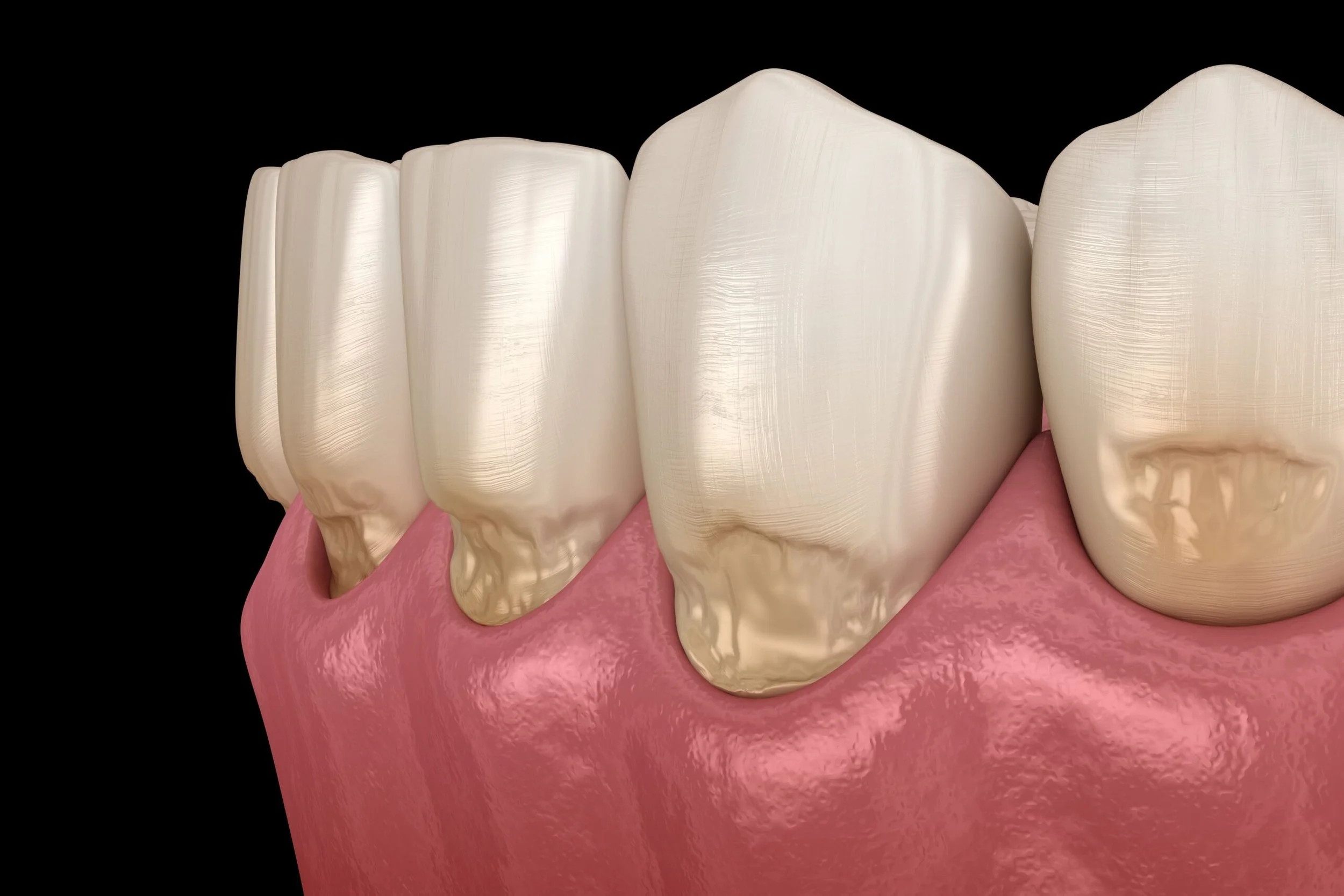
Teeth abfraction refers to the loss of tooth structure near the gum line caused by mechanical forces such as chewing and grinding. Unlike cavities caused by decay, abfraction results from stress on the teeth leading to small notches or lesions at the base of the tooth.

Causes of Abfraction

The main causes include:

  • Excessive teeth grinding or clenching (bruxism)

  • Improper bite or misaligned teeth

  • Repeated flexing and stress on teeth during chewing

  • Aggressive tooth brushing (can contribute but is distinct from abrasion)

  • Chewing hard or abrasive foods

Signs and Symptoms

  • Small V-shaped notches near the gum line

  • Tooth sensitivity, especially to cold or sweet foods

  • Visible grooves or wear on tooth enamel

  • Possible gum recession around affected teeth

  • Discomfort when biting or chewing

How Is Abfraction Different from Abrasion and Erosion?

  • Abfraction is caused by mechanical stress and flexing of the tooth.

  • Abrasion results from physical wear, like aggressive brushing.

  • Erosion comes from acid damage due to diet or gastric reflux.

Often, these conditions can occur together, requiring comprehensive treatment.

Treatment Options for Teeth Abfraction

  • Dental Bonding or Composite Fillings: To restore the lost tooth structure and reduce sensitivity.

  • Night Guards: To protect teeth from grinding forces during sleep.

  • Bite Adjustment: Correcting misaligned bites to reduce stress on teeth.

  • Gentle Tooth Brushing: Using a soft-bristle brush and proper technique to avoid worsening lesions.

  • Desensitizing Toothpaste: To help manage sensitivity caused by abfraction.

Preventing Teeth Abfraction

  • Manage bruxism with stress reduction or dental devices

  • Avoid hard or abrasive foods

  • Maintain good oral hygiene with gentle brushing

  • Regular dental check-ups to monitor tooth wear and bite issues

Concerned About Abfraction Lesions?

If you notice notches or sensitivity near your gums, see your dentist for a thorough evaluation. Early detection and treatment can prevent further damage and protect your smile.

Book a Consultation Today

Our clinic offers expert diagnosis and personalized treatment plans for teeth abfraction and related dental concerns. Contact us to schedule your appointment and keep your teeth strong and healthy.

Cracked Teeth: Causes, Symptoms, and Treatment Options

Understanding Cracked Teeth

A cracked tooth can range from a minor fracture in the enamel to a severe split affecting the tooth’s structure and nerves. Recognizing the signs early and seeking prompt treatment is essential to prevent further damage or tooth loss.

What Causes Teeth to Crack?

Several factors can contribute to cracked teeth, including:

  • Biting down on hard foods or objects

  • Teeth grinding or clenching (bruxism)

  • Trauma or injury to the face or mouth

  • Large fillings weakening the tooth structure

  • Sudden temperature changes in the mouth

  • Age-related wear and tear

Common Symptoms of a Cracked Tooth

  • Sharp pain when chewing or biting

  • Sensitivity to hot or cold foods and drinks

  • Intermittent pain or discomfort

  • Swelling or tenderness around the affected tooth

  • Visible cracks or fractures in the tooth surface

If you experience any of these symptoms, visiting an emergency dentist promptly is important.

How Are Cracked Teeth Treated?

Treatment depends on the severity and location of the crack:

1. Bonding or Dental Filling

Small cracks may be repaired with dental bonding to restore the tooth’s appearance and function.

2. Dental Crown

For more significant cracks, a crown can protect the tooth from further damage and provide strength.

3. Root Canal Therapy

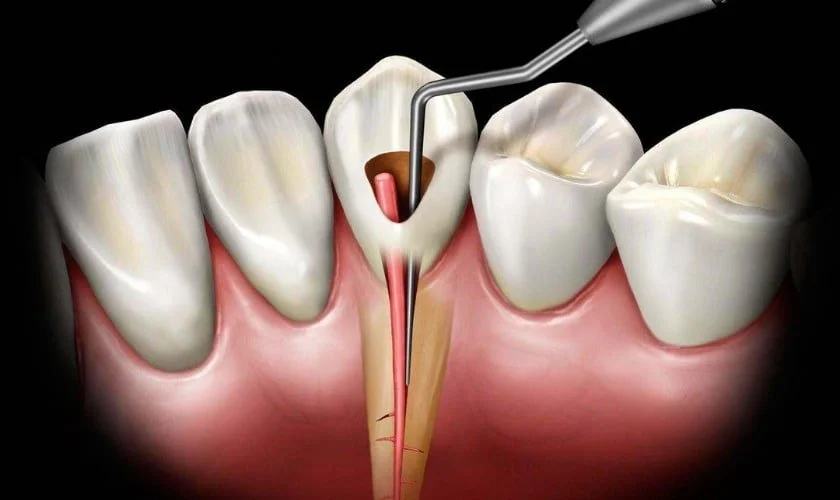
If the crack extends into the pulp (inner nerve), a root canal may be necessary to remove infected tissue and save the tooth.

4. Extraction

Severe cracks that split the tooth may require extraction if repair isn’t possible.

Preventing Cracked Teeth

  • Avoid chewing hard foods like ice or nuts

  • Wear a mouthguard if you grind your teeth at night

  • Use protective gear during sports or physical activities

  • Maintain good oral hygiene and regular dental check-ups

Need Help With a Cracked Tooth?

If you suspect a cracked tooth or are experiencing pain, don’t wait. Our experienced dental team provides emergency care and effective treatments to save your tooth and restore your smile.

Book an Emergency Appointment Today

Contact us for urgent dental care if you have a cracked tooth or other dental emergency. Early intervention can make all the difference.

Night Grinding (Bruxism): Causes, Symptoms, and Effective Treatments

What Is Night Grinding (Bruxism)?

Bruxism is the medical term for grinding or clenching your teeth, especially during sleep. Night grinding affects many people and can lead to tooth damage, jaw pain, and headaches if left untreated.

What Causes Bruxism?

The exact cause varies, but common triggers include:

  • Stress and anxiety

  • Sleep disorders like sleep apnea

  • Abnormal bite or missing teeth

  • Medications or lifestyle factors such as caffeine or alcohol

  • TMJ (temporomandibular joint) disorders

Signs and Symptoms of Night Grinding

  • Worn, flattened, or chipped teeth

  • Jaw soreness or stiffness, especially in the morning

  • Frequent headaches or earaches

  • Sensitive teeth

  • Clicking or popping sounds in the jaw

  • Disrupted sleep or fatigue

Why You Should Treat Bruxism

Ignoring teeth grinding at night can lead to serious dental problems:

  • Tooth fractures and enamel loss

  • Gum recession

  • TMJ dysfunction and chronic jaw pain

  • Difficulty chewing or speaking

Effective Treatments for Bruxism

1. Custom Night Guards

A custom-fitted night guard for teeth grinding protects your teeth by cushioning the bite and preventing direct grinding.

2. Stress Management

Since stress is a major factor, relaxation techniques, counseling, or lifestyle changes can reduce grinding.

3. Dental Correction

If an abnormal bite contributes to bruxism, your dentist may recommend restorative procedures.

4. Botox for Bruxism

Botox injections can help relax the jaw muscles, reducing grinding and associated pain.

How to Prevent Night Grinding

  • Avoid caffeine and alcohol before bedtime

  • Maintain a calming bedtime routine

  • Practice stress reduction exercises

  • Use your night guard consistently if prescribed

When to See a Dentist for Bruxism

If you notice symptoms of night grinding, don’t wait. Early diagnosis and treatment can protect your teeth and relieve pain.

Looking for Help with Night Grinding?

Our clinic specializes in diagnosing and treating bruxism with personalized care. Contact us to schedule a consultation and protect your smile from the effects of grinding.