Do you wince when sipping a hot coffee or bite into ice cream? Sensitivity to hot and cold may seem like a minor annoyance, but it could be a red flag signaling something more serious—possibly the need for a root canal treatment (RCT). Let’s explore the symptoms, causes, and what happens if this issue is left untreated.
Common Warning Signs That May Indicate You Need a Root Canal
Many patients initially brush off the early signs of dental trouble. However, certain symptoms should never be ignored, especially when they persist. These include:
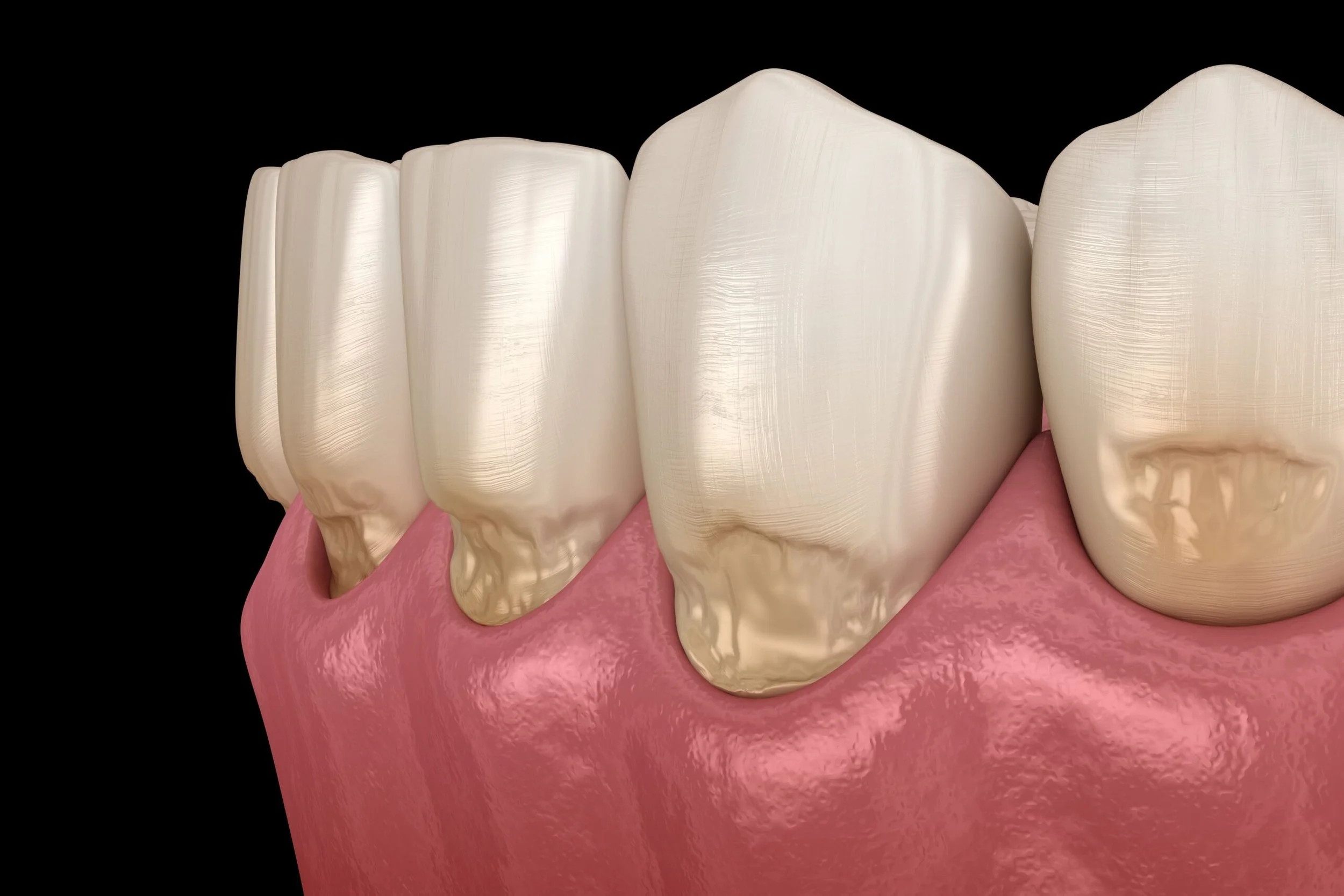
Sensitivity to Hot & Cold That Lingers: If your teeth continue to ache after the temperature stimulus is removed, the nerve inside may be damaged or infected.
Persistent Pain: Dull, throbbing pain or sharp stabs while chewing could mean the pulp (nerve tissue) inside the tooth is inflamed or infected.
Bad Taste in the Mouth: A constant foul taste or odor could be a sign of a draining infection.
Pimples or Boils on the Gums: Small gum boils or abscesses are often signs of underlying infection at the root tip.
Tooth Discoloration: A gray or darkened tooth might indicate nerve death inside the tooth.
Swollen Gums or Face: Swelling near a tooth, or even on the face or jaw, may indicate a spreading infection.
What Happens During a Root Canal Treatment?
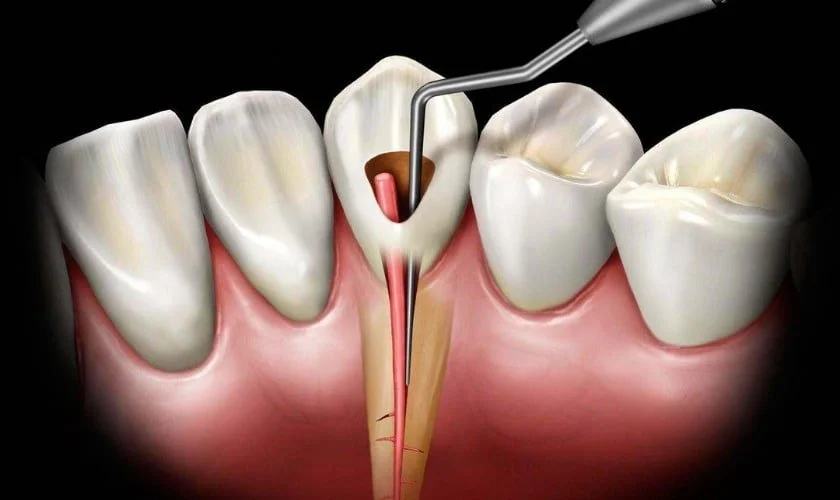
A root canal treatment involves removing the infected or damaged pulp tissue inside the tooth, cleaning and disinfecting the canals, and then sealing the space to prevent further infection. It’s a highly effective procedure that can save your natural tooth and prevent the need for extraction.
Though it may sound intimidating, modern dental techniques and local anesthesia make the procedure no more uncomfortable than getting a filling.
The Hidden Dangers of Avoiding Treatment
Failing to treat an infected tooth can lead to serious complications:
Swelling and Abscess Formation: Untreated infections often form abscesses, which are pockets of pus that can spread.
Bone Loss: The infection can destroy surrounding jawbone tissue.
Jaw Infection & Necrosis: In severe cases, untreated infections can lead to the death of bone tissue (jaw necrosis).
Systemic Health Risks: Bacteria from an infected tooth can enter the bloodstream, potentially impacting heart health or causing complications during pregnancy.
Visit Our Dental Clinic – Your Health Comes First
At Pain Free Dentist Sydney, we take your oral health seriously. If you're experiencing sensitivity, pain, or swelling, a consultation is just $150. In addition, you may require X-rays to determine the health of your tooth roots.
🔹 Quotations for root canal treatment are available and depend on the number of canals involved.
🔹 Referral to a specialist endodontist is available for more complex or multi-rooted cases.
🔹 We also offer payment plans, making quality care accessible without stress.
Don’t Ignore the Signs—Book Your Consultation Today
Sensitivity to temperature, recurring boils, and bad taste in your mouth might not just be discomfort—they could be cries for help from a deeply infected tooth. Let us help you prevent more serious issues and preserve your natural smile.
📞 Call us at 9558 8988
📍 Visit our clinic in Shop G01A, 570 New Canterbury Road, Hurlstone Park, NSW 2193
📅 Or book online at https://calendly.com/painfreedentistsydney