The Consequences of Mouth Breathing on Oral and Overall Health

While many people breathe through their nose naturally, mouth breathing can cause serious oral and health problems over time. At Pain Free Dentist Sydney, we help patients understand the effects of mouth breathing and provide guidance to protect oral health.

How Mouth Breathing Affects Oral Health

  • Dry mouth – reduces saliva, which protects teeth from decay and gum disease.

  • Increased risk of cavities – less saliva leads to more bacteria and plaque buildup.

  • Gum disease – chronic dryness can make gums more prone to inflammation and infection.

  • Bad breath – bacterial growth in a dry mouth contributes to persistent halitosis.

Other Health Consequences

  • Altered facial growth in children – long-term mouth breathing can affect jaw and facial structure.

  • Sleep problems – can worsen snoring and sleep apnoea.

  • Speech difficulties – may affect tongue placement and clarity of speech.

How to Address Mouth Breathing

  • Treat underlying causes such as nasal obstruction, allergies, or enlarged tonsils/adenoids.

  • Maintain good oral hygiene to prevent cavities and gum disease.

  • Use hydration and saliva-promoting products to combat dry mouth.

  • Consider dental appliances or consultation with specialists for chronic cases.

At Pain Free Dentist Sydney, we provide preventive dental care and advice to reduce the impact of mouth breathing on teeth and gums.

📞 Call us at 02 9558 8988
📧 Email: info@painfreedentistsydney.com.au
💻 Book online: painfreedentistsydney.com.au

Posture and Its Relationship with Dental Health

Did you know that your posture can affect your teeth, jaw, and overall oral health? Poor posture, especially while sitting or working, can contribute to jaw pain, teeth grinding, and temporomandibular joint (TMJ) disorders. At Pain Free Dentist Sydney, we help patients understand how posture impacts dental health and offer strategies to protect your smile.

How Posture Affects Dental Health

  • Forward head posture – leaning forward while using computers or phones strains jaw muscles, increasing risk of TMJ pain.

  • Neck and shoulder tension – chronic tension can lead to clenching or teeth grinding (bruxism).

  • Uneven bite forces – poor posture may cause imbalanced pressure on teeth, leading to wear, fractures, or sensitivity.

Signs Your Posture May Be Affecting Your Teeth

  • Jaw pain or clicking

  • Headaches or facial pain

  • Worn, chipped, or sensitive teeth

  • Difficulty opening or closing your mouth comfortably

Tips to Improve Posture and Protect Dental Health

  • Maintain a neutral spine and head position when sitting or standing

  • Take frequent breaks to stretch if working at a desk

  • Practice jaw relaxation exercises

  • Use ergonomic equipment to reduce strain on neck and shoulders

  • Seek dental advice if teeth grinding or jaw pain occurs

At Pain Free Dentist Sydney, we provide gentle dental care and guidance for patients affected by posture-related dental issues to maintain long-term oral health.

📞 Call us at 02 9558 8988
📧 Email: info@painfreedentistsydney.com.au
💻 Book online: painfreedentistsydney.com.au

Sleep Apnoea and Its Relationship with Dental Health

Sleep apnoea is a common sleep disorder where breathing repeatedly stops and starts during sleep. While it primarily affects breathing and overall health, it also has significant dental connections. At Pain Free Dentist Sydney, we help patients understand the link between sleep apnoea and oral health, and provide solutions that support both.

How Sleep Apnoea Affects Dental Health

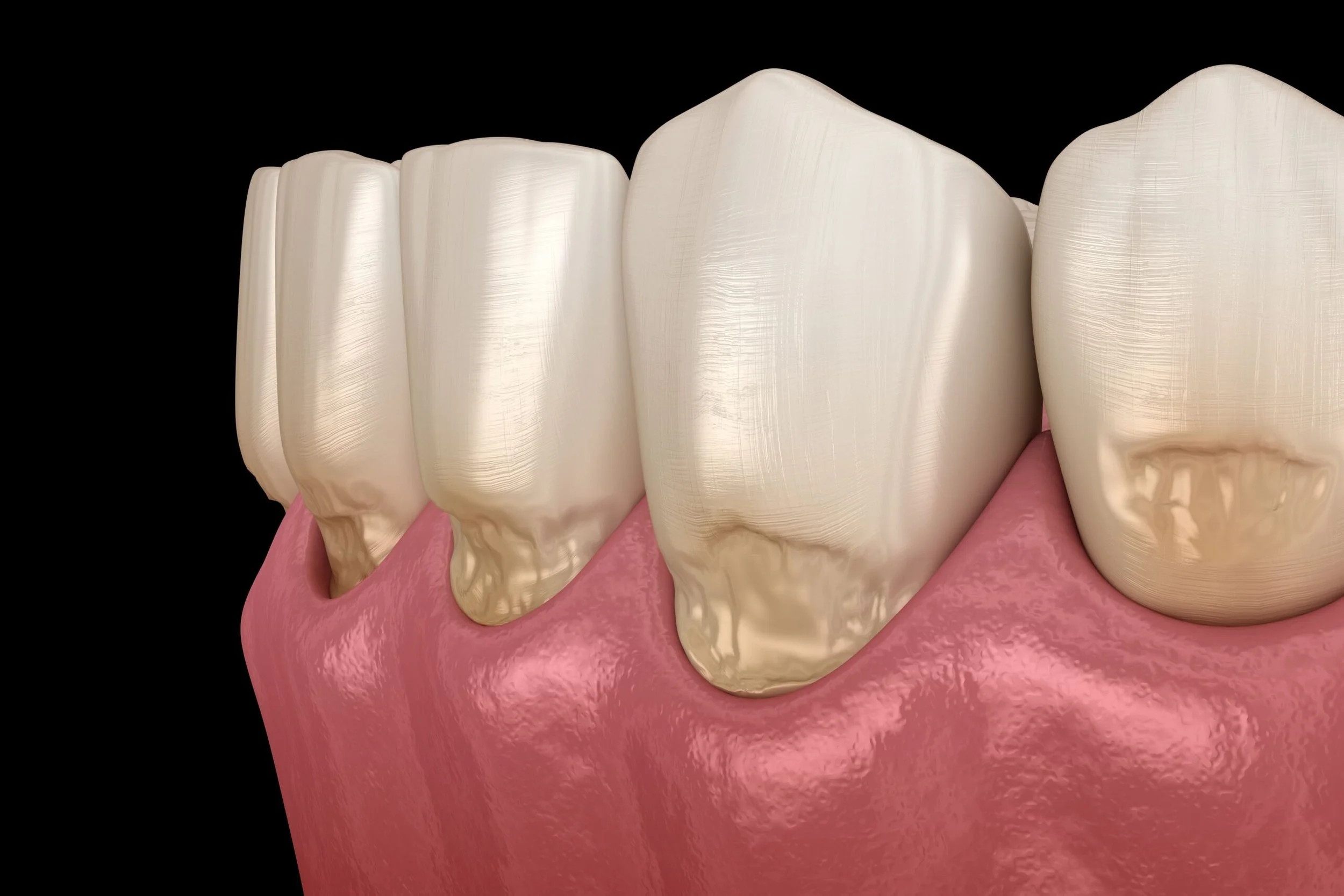
  • Teeth grinding (bruxism) – many people with sleep apnoea grind or clench their teeth at night, causing enamel wear, sensitivity, and jaw pain.

  • Dry mouth – reduced airflow or mouth breathing during sleep can lead to dry mouth, increasing the risk of cavities and gum disease.

  • Temporomandibular joint (TMJ) issues – chronic grinding or clenching can contribute to jaw pain, clicking, and headaches.

How Dentists Can Help

  • Custom oral appliances – dentists can fit mandibular advancement devices that help keep the airway open during sleep.

  • Monitoring dental wear – treating bruxism early prevents severe tooth damage.

  • Collaboration with sleep specialists – dentists often work with doctors to manage obstructive sleep apnoea effectively.

Benefits of Addressing Sleep Apnoea with Dental Care

  • Reduces teeth grinding and jaw pain

  • Lowers risk of cavities and gum disease from dry mouth

  • Improves overall sleep quality and daytime alertness

  • Supports better general health, including heart and brain function

At Pain Free Dentist Sydney, we provide personalised, gentle dental solutions for patients with sleep apnoea to protect their teeth and improve their quality of life.

📞 Call us at 02 9558 8988
📧 Email: info@painfreedentistsydney.com.au
💻 Book online: painfreedentistsydney.com.au