Baby Lip and Tongue Tie: How It Affects Latching and Feeding

Lip-tie and tongue-tie are common conditions in newborns where the tissue connecting the upper lip or tongue to the gum or floor of the mouth is unusually tight. These restrictions can affect a baby’s ability to latch properly during breastfeeding, leading to feeding difficulties and potential oral issues later in life.

Understanding these conditions is crucial for parents and caregivers to ensure successful feeding and healthy oral development.

What Are Lip-Tie and Tongue-Tie?

Tongue-Tie (Ankyloglossia)

Tongue-tie occurs when the lingual frenulum (the tissue under the tongue) is short, tight, or restrictive. This can limit tongue movement, making it difficult for the baby to suckle effectively.

Lip-Tie

Lip-tie happens when the upper labial frenulum (the tissue connecting the upper lip to the gum) is unusually tight, preventing the lip from flanging outward during breastfeeding.

Both conditions can occur separately or together and vary in severity.

How Lip and Tongue Tie Affect Latching

Proper latching is essential for efficient breastfeeding. A poor latch can result in:

  • Inadequate milk transfer, leading to poor weight gain

  • Nipple pain, cracking, or bleeding for the mother

  • Prolonged or inefficient feeding sessions

  • Fussiness and frequent feeding attempts due to frustration or hunger

Lip and tongue restrictions prevent the baby from fully opening the mouth and achieving a deep latch, which is necessary for effective milk extraction.

Long-Term Oral and Feeding Implications

If left untreated, lip and tongue ties can contribute to:

  • Speech difficulties as the child grows

  • Dental issues such as gaps, misaligned teeth, or increased risk of cavities

  • Swallowing difficulties and abnormal chewing patterns

  • Breastfeeding challenges leading to early weaning or supplementation

Early detection and treatment are key to minimizing these issues.

Diagnosis and Treatment

Diagnosis

A pediatric dentist, lactation consultant, or pediatrician can assess the baby’s frenulum and feeding ability. Tools like the Hazelbaker Assessment Tool for Lingual Frenulum Function (HATLFF) help determine the severity.

Treatment Options

  • Frenotomy: A simple procedure to release the restrictive tissue

  • Frenuloplasty: A more comprehensive surgical correction if needed

  • Feeding support: Guidance from lactation consultants to improve latch post-procedure

These procedures are typically quick, minimally invasive, and promote immediate improvement in breastfeeding.

Supporting Successful Feeding

After treatment, it’s important to:

  • Practice proper latch techniques recommended by a lactation consultant

  • Monitor the baby’s weight gain and feeding efficiency

  • Attend follow-up appointments to ensure healing and effective oral function

Early intervention helps babies feed comfortably and develop healthy oral habits.

Final Thoughts: Early Detection Makes a Difference

Lip-tie and tongue-tie can significantly impact breastfeeding and oral development. Recognizing the signs early and seeking professional assessment ensures your baby can feed effectively, grow healthily, and avoid long-term complications.

Ensure your baby’s feeding success today.
Call 9558 8988, email info@painfreedentistsydney.com.au, or book online to schedule an assessment and discuss treatment options for lip and tongue tie.

Veneers: Transform Your Smile with Confidence

A bright, even smile can dramatically boost confidence and improve your overall appearance. Dental veneers are a popular cosmetic dentistry solution that can correct imperfections and provide a natural, lasting smile transformation.

This guide explains what veneers are, their benefits, the procedure, and why they might be the right choice for you.

What Are Dental Veneers?

Dental veneers are thin, custom-made shells, typically crafted from porcelain or composite resin, that cover the front surface of teeth. They are designed to enhance the appearance of teeth by:

  • Correcting discoloration or staining

  • Closing gaps between teeth

  • Fixing minor chips or cracks

  • Improving the shape, size, or alignment of teeth

Porcelain veneers are particularly favored for their durability and natural appearance.

Benefits of Veneers

1. Improve Aesthetics

Veneers can transform a smile, making teeth appear whiter, straighter, and more uniform, enhancing overall facial aesthetics.

2. Long-Lasting Results

With proper care, porcelain veneers can last 10–15 years or more, making them a reliable long-term cosmetic solution.

3. Minimally Invasive Procedure

Only a small amount of enamel is removed to fit the veneer, preserving most of the natural tooth structure.

4. Stain Resistance

Porcelain veneers are highly resistant to staining from coffee, tea, or smoking, maintaining a bright smile over time.

5. Boost Confidence

Patients often report improved self-esteem and confidence after receiving veneers, feeling more comfortable smiling and socializing.

The Veneers Procedure

  1. Consultation and Planning: Your dentist evaluates your teeth, discusses goals, and designs a treatment plan.

  2. Preparation: A thin layer of enamel is removed from the front of the teeth to accommodate the veneers.

  3. Impressions: Custom veneers are crafted in a dental laboratory.

  4. Bonding: Veneers are carefully bonded to the teeth using strong dental cement.

  5. Final Adjustments: Your dentist ensures a perfect fit, bite alignment, and natural appearance.

Who Is a Good Candidate for Veneers?

Ideal candidates are individuals who:

  • Have discolored, chipped, or misaligned teeth

  • Are seeking cosmetic improvements rather than restorative dental work

  • Maintain good oral hygiene and healthy gums

  • Want a long-lasting, natural-looking smile enhancement

A thorough dental examination is necessary to ensure veneers are suitable and durable.

Final Thoughts: Smile with Confidence

Dental veneers offer a versatile and effective way to enhance your smile, correct imperfections, and boost confidence. Whether it’s discoloration, gaps, or minor misalignments, veneers provide a long-lasting, aesthetically pleasing solution.

Enhance your smile today.
Call 9558 8988, email info@painfreedentistsydney.com.au, or book online to schedule a consultation and explore if veneers are the right choice for you.

Implant Bridges: A Modern, Reliable Solution for Missing Teeth

Losing multiple teeth can impact your smile, chewing ability, and confidence. While traditional bridges and dentures have been used for decades, implant bridges offer a modern, durable, and natural-looking solution that combines the benefits of dental implants with the stability of a fixed bridge.

This guide explores why implant bridges are a game-changer for patients seeking long-term tooth replacement.

What Is an Implant Bridge?

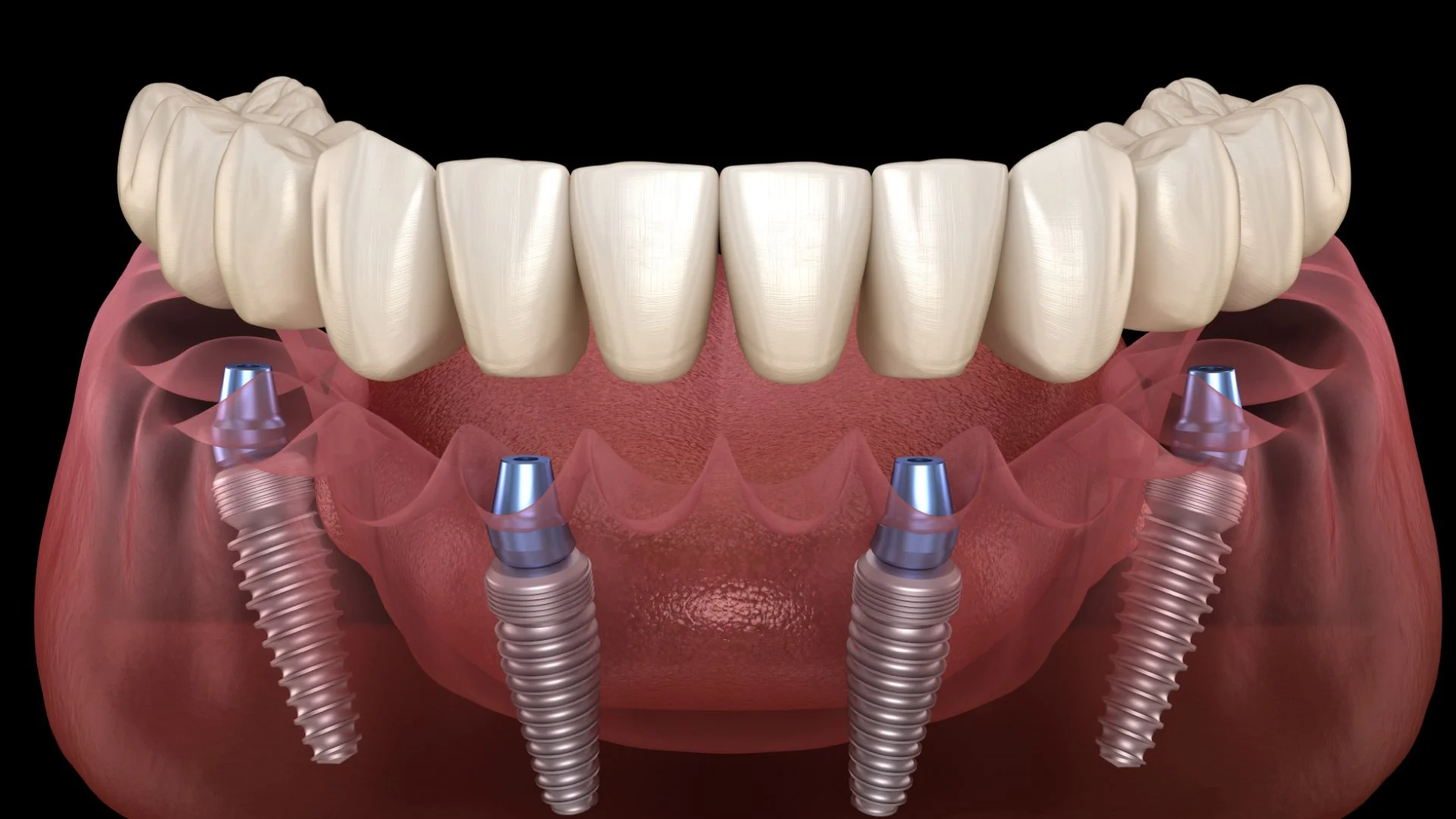
An implant bridge is a dental prosthetic used to replace two or more missing teeth in a row. Unlike traditional bridges, which rely on neighboring teeth for support, an implant bridge is anchored directly into the jawbone using dental implants.

The procedure typically involves:

  • Placing two or more dental implants in the jaw

  • Attaching a custom-made bridge that spans the missing teeth

  • Restoring natural appearance, function, and bite stability

Why Implant Bridges Are Different from Traditional Bridges

  • Preserve adjacent teeth: Traditional bridges require grinding down healthy teeth for support; implant bridges do not.

  • Prevent bone loss: Implants stimulate the jawbone, preventing the shrinkage that often occurs after tooth loss.

  • Enhanced stability: Implant bridges are fixed and do not slip, unlike removable dentures.

  • Longevity: With proper care, implant bridges can last decades, often a lifetime.

Benefits of Implant Bridges

1. Restore Chewing Function

Implant bridges allow you to eat your favorite foods without discomfort or concern, restoring your natural chewing ability and improving digestion.

2. Improve Speech and Confidence

Missing teeth can affect pronunciation and self-esteem. Implant bridges fill gaps seamlessly, helping you speak clearly and smile confidently.

3. Natural-Looking and Comfortable

The bridge is designed to match the shape, size, and color of your existing teeth, providing a natural appearance and comfortable fit.

4. Long-Term Oral Health

By preventing bone loss and maintaining jaw structure, implant bridges protect surrounding teeth and support overall oral health.

5. Durable and Reliable

High-quality dental implants and bridge materials ensure long-lasting results with minimal maintenance beyond regular oral hygiene.

Who Is a Good Candidate?

Implant bridges are ideal for patients who:

  • Have multiple missing teeth in a row

  • Are in good overall health

  • Have sufficient jawbone density (or are eligible for bone grafting)

  • Want a permanent, fixed solution over removable dentures

A comprehensive dental assessment is required to determine suitability and create a personalized treatment plan.

Why Implant Bridges Are a Game-Changer

Implant bridges offer the perfect combination of function, aesthetics, and durability. They go beyond simply replacing teeth—they restore confidence, improve oral health, and provide a solution that feels and functions like natural teeth.

Final Thoughts: Reclaim Your Smile with Implant Bridges

If you’re missing multiple teeth, an implant bridge could be the long-term solution that transforms your smile and quality of life. Combining advanced dental technology with skilled craftsmanship, implant bridges are designed to last and look natural.

Take the first step toward a confident, functional smile.
Call 9558 8988, email info@painfreedentistsydney.com.au, or book online to schedule your implant bridge consultation today.