How Acid Reflux and Gut Issues Can Damage Your Teeth

Introduction

Many people think of heartburn or acid reflux as just uncomfortable digestive issues—but they can have a serious impact on your teeth. The stomach acid that flows back into the mouth during gastroesophageal reflux disease (GERD) or other gut problems can erode enamel, cause sensitivity, and increase cavities. Understanding this connection is key to protecting your dental health.

How Acid Reflux Affects Teeth

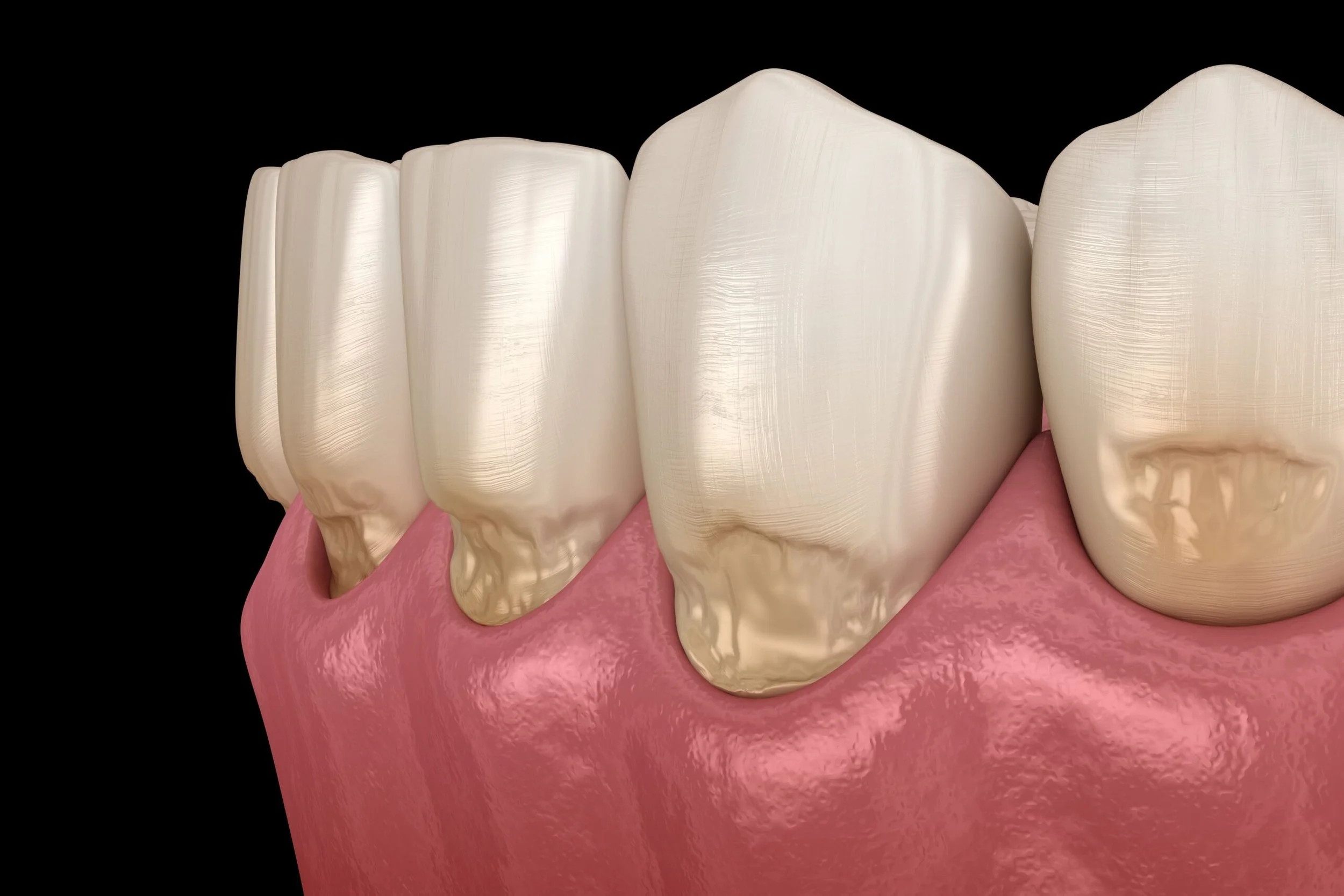
When stomach acid repeatedly enters the mouth, it can wear away the protective enamel on your teeth. This can lead to:

  • Tooth erosion: Enamel thinning and yellowing

  • Sensitivity: Discomfort to hot, cold, or sweet foods

  • Cavities: Higher risk of decay due to enamel loss

  • Cracks and chips: Weakened teeth become more prone to damage

Even mild acid reflux, if frequent, can have long-term dental consequences.

Other Gut Issues That Can Impact Dental Health

Beyond acid reflux, other digestive issues can indirectly affect teeth:

  • Frequent vomiting (as in bulimia or severe morning sickness): Exposes teeth to stomach acid repeatedly.

  • GERD and Hiatal Hernia: Cause acid exposure even while sleeping.

  • Crohn’s Disease or Ulcerative Colitis: Can cause dry mouth and nutrient deficiencies affecting enamel strength.

Signs Your Teeth May Be Affected

Watch for these warning signs:

  • Yellowing or thinning enamel

  • Rounded or shiny edges on teeth

  • Increased tooth sensitivity

  • Persistent bad breath

  • Small cracks or chips in teeth

If you notice any of these, consult a dentist as soon as possible to prevent irreversible damage.

Prevention and Treatment

  1. See a Dentist Regularly: Early detection prevents severe damage.

  2. Rinse After Acid Exposure: Use water or a fluoride mouth rinse—avoid brushing immediately after reflux as enamel is softened.

  3. Fluoride Treatments: Strengthen enamel and prevent erosion.

  4. Diet Modifications: Reduce acidic foods and beverages.

  5. Manage Acid Reflux: Work with a doctor to control GERD, medications, or lifestyle changes.

  6. Dental Restorations: In severe cases, veneers or crowns may be needed to repair damaged teeth.

Conclusion

Your gut health and dental health are more connected than you might think. Acid reflux, GERD, and other digestive issues can silently damage teeth over time, leading to sensitivity, cavities, and erosion. Regular dental checkups, proper oral hygiene, and managing underlying gut issues are essential to preserving a healthy, confident smile.

Call-to-Action:
If you have acid reflux or frequent digestive issues, schedule a dental evaluation today. Protect your teeth before damage becomes permanent.

Wisdom Teeth Removal Under IV Sedation for Anxious Patients

Introduction

For many patients, the thought of having wisdom teeth removed can trigger anxiety and fear. Fortunately, modern dentistry offers IV sedation, a safe and effective method that ensures comfort, relaxation, and a stress-free experience. Whether you’re nervous about pain, needles, or the procedure itself, IV sedation can make wisdom teeth extraction much easier for anxious patients.

Why Some Patients Are Anxious About Wisdom Teeth Removal

Common reasons for dental anxiety include:

  • Fear of pain or discomfort

  • Previous negative dental experiences

  • Sensitivity to needles or dental tools

  • Anxiety about anesthesia or surgery

IV sedation addresses these concerns by keeping patients relaxed and often unaware of the procedure.

What is IV Sedation?

IV (intravenous) sedation involves administering a sedative directly into the bloodstream, producing a state of deep relaxation. Unlike general anesthesia, IV sedation allows patients to remain conscious but calm, often with little to no memory of the procedure.

Key Benefits:

  • Reduces anxiety and stress

  • Minimizes discomfort during surgery

  • Allows for safer and faster treatment

  • Shortens recovery time due to relaxed muscles

The Wisdom Teeth Removal Procedure with IV Sedation

  1. Consultation: Your dentist or oral surgeon evaluates your teeth, jaw, and overall health.

  2. Preparation: An IV line is inserted, and sedation medication is administered.

  3. Extraction: The surgeon carefully removes one or more wisdom teeth while you remain relaxed.

  4. Recovery: After the procedure, you rest in the office until the sedative wears off. You’ll need someone to drive you home.

Who Can Benefit from IV Sedation?

  • Patients with severe dental anxiety

  • Children or teens who fear oral surgery

  • Adults with complex wisdom teeth extraction cases

  • Patients with gag reflex sensitivity

IV sedation ensures a calm, safe, and more comfortable experience for almost any patient who struggles with anxiety.

Recovery Tips After Wisdom Teeth Removal

  • Follow your surgeon’s post-operative instructions carefully.

  • Use ice packs to reduce swelling.

  • Stick to soft foods for the first few days.

  • Avoid smoking or using straws, which can dislodge blood clots.

  • Attend follow-up appointments to monitor healing.

Why Choose IV Sedation for Anxiety

IV sedation transforms wisdom teeth removal from a stressful procedure into a comfortable, almost effortless experience. Patients often report feeling calm, relaxed, and relieved after surgery. For anxious patients, it’s a life-changing solution that makes oral surgery accessible and pain-free.

Call-to-Action:
If you feel nervous about wisdom teeth removal, schedule a consultation with a trusted oral surgeon experienced in IV sedation. Say goodbye to dental anxiety and hello to a confident, relaxed smile.

Narrow Palate: How It Can Affect Your Whole Life

Introduction

A narrow palate, also known as a constricted or high-arched palate, is more than a dental concern—it can affect your entire body. While it may seem like a minor orthodontic issue, a narrow palate can influence your breathing, sleep patterns, jaw alignment, and even facial appearance. Recognizing the signs early can prevent long-term complications and improve overall quality of life.

What is a Narrow Palate?

The palate is the roof of the mouth, separating the oral and nasal cavities. A narrow palate occurs when the width of the upper jaw is reduced, causing the dental arch to be constricted. This can lead to crowded teeth, bite problems, and aesthetic concerns.

Common signs include:

  • Crowded or crooked teeth

  • Crossbite or misaligned bite

  • Difficulty chewing

  • Mouth breathing

  • Speech difficulties

How a Narrow Palate Affects Dental Health

A narrow palate can create uneven pressure on teeth, leading to:

  • Tooth misalignment and overcrowding

  • Increased risk of cavities due to hard-to-clean areas

  • Gum issues from improper bite patterns

Orthodontic treatments like expanders can widen the palate, reducing these risks and improving oral hygiene.

Impact on Breathing and Sleep

A constricted upper jaw can reduce nasal airflow, forcing mouth breathing. This can contribute to:

  • Snoring and sleep apnea

  • Poor oxygen intake during sleep

  • Chronic fatigue and reduced concentration

Correcting a narrow palate can enhance nasal breathing and improve sleep quality, boosting overall health.

Speech and Facial Development Concerns

The shape of your palate affects your tongue placement, which is crucial for clear speech. A narrow palate may lead to:

  • Lisp or speech delays in children

  • Facial asymmetry or a longer facial profile

  • TMJ (temporomandibular joint) discomfort

Early intervention can promote balanced facial growth and proper speech development.

Causes of a Narrow Palate

Several factors can contribute to a narrow palate:

  • Genetics – inherited jaw structure

  • Childhood habits – thumb sucking, prolonged pacifier use

  • Mouth breathing – often due to allergies or nasal obstruction

  • Premature loss of baby teeth

Conservative Treatment Options


Myofunctional Therapy – Exercises to improve tongue posture and breathing.

Why Early Intervention Matters

Addressing a narrow palate in childhood can prevent serious complications in adulthood, including:

  • Sleep apnea and breathing issues

  • Severe dental crowding requiring extractions

  • Facial asymmetry and jaw misalignment

Conclusion

A narrow palate is more than a cosmetic dental issue—it affects your teeth, breathing, sleep, speech, and overall quality of life. If you notice signs of a narrow palate in yourself or your child, consulting an orthodontist or pediatric dentist can provide solutions that improve health and confidence for years to come.

Call-to-Action:
Schedule a consultation with a trusted orthodontist to evaluate your palate and explore treatment options. Early action can change your life—literally from the inside out.