Dental Implants: The Modern, Long‑Lasting Solution for Missing Teeth

If you’re searching for a confident, natural-looking smile that lasts, dental implants are one of the most advanced and effective treatments available today. Whether you’ve lost a tooth due to injury, decay, or gum disease, implants can restore your appearance, oral health, and confidence. In this guide, we’ll explore everything you need to know about dental implants, their benefits, costs, procedure, and why they’re considered the gold standard in tooth replacement.

What Are Dental Implants?

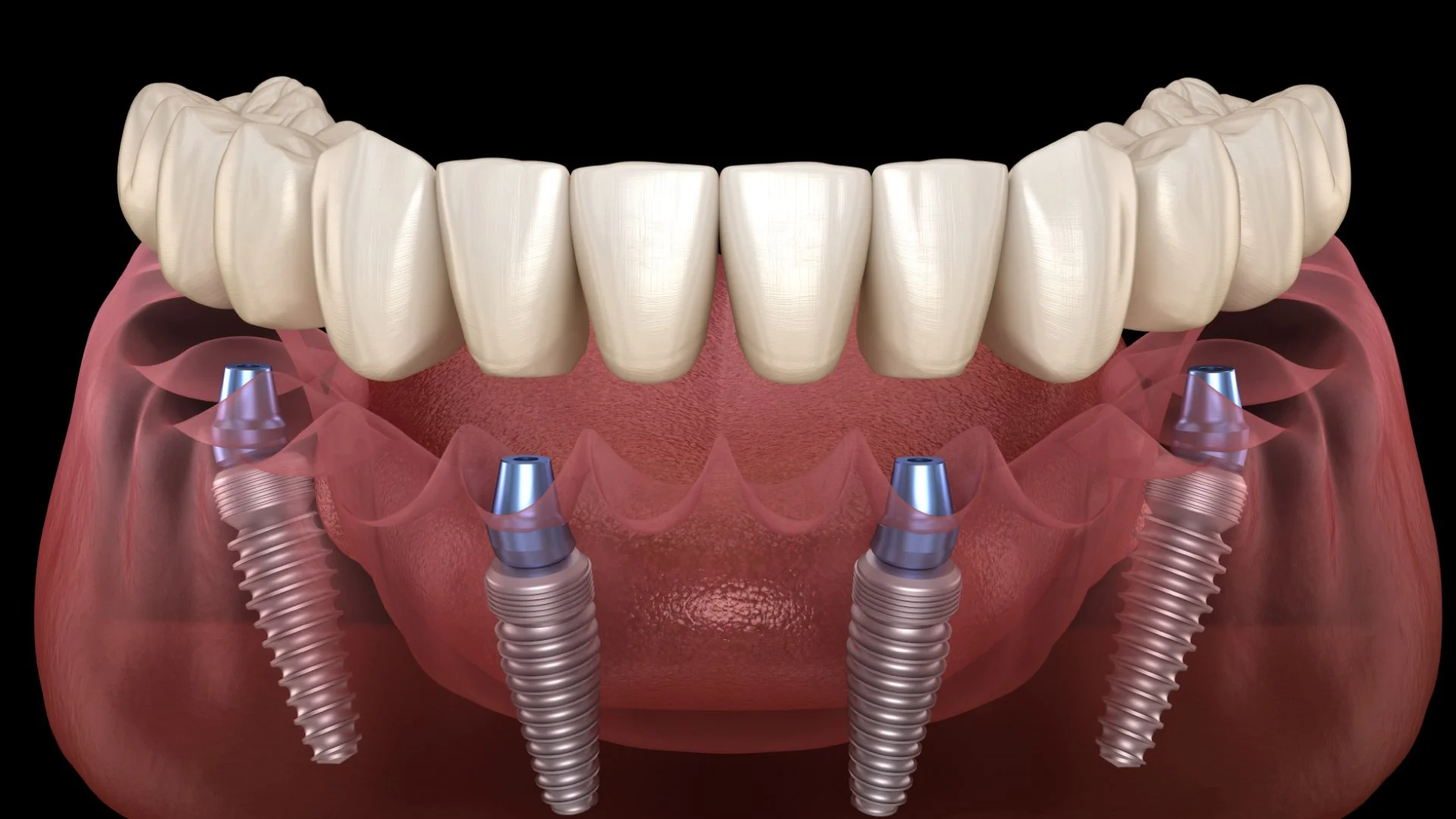
Dental implants are small, biocompatible titanium posts that are surgically placed into the jawbone to replace the root of a missing tooth. Once healed, they support crowns, bridges, or dentures, providing a strong and stable foundation that looks and feels like natural teeth.

Unlike traditional dentures or bridges, dental implants integrate with the jawbone in a process called osseointegration, which helps preserve bone structure and prevent facial sagging.

Why Choose Dental Implants?

Dental implants have become increasingly popular because they offer unmatched comfort, durability, and aesthetics. Here are some key reasons patients prefer implants:

1. Natural Look and Feel

Implants are designed to match your natural teeth in shape, size, and colour. Most people won’t even notice you have an implant.

2. Long‑Term Solution

With proper care, dental implants can last 15–25 years or even a lifetime.

3. Improved Oral Health

Unlike dental bridges, implants do not require altering nearby healthy teeth.

4. Strong and Stable

You can eat, speak, and smile with confidence without worrying about movement.

5. Prevent Bone Loss

Implants stimulate the jawbone and prevent deterioration that occurs after tooth loss.

Who Is a Good Candidate for Dental Implants?

You may be suitable for dental implants if you:

  • Have one or more missing teeth

  • Have healthy gums

  • Have adequate jawbone or are willing to undergo bone grafting

  • Are in good general health

  • Do not smoke or are willing to quit

A professional consultation is essential to assess your oral health and determine your suitability.

The Dental Implant Procedure: Step by Step

Understanding the implant process can help reduce anxiety and prepare you for treatment.

Step 1: Consultation and Assessment

Your dentist will perform a comprehensive exam, including X‑rays or 3D scans.

Step 2: Implant Placement

The titanium post is placed into the jawbone under local anaesthesia.

Step 3: Healing and Integration

Over 3–6 months, the implant fuses with the bone.

Step 4: Abutment Placement

A small connector is attached to the implant.

Step 5: Crown Placement

A custom crown is placed to complete your smile.

Types of Dental Implants

Single Tooth Implant

Ideal for replacing one missing tooth.

Implant‑Supported Bridge

Used when several teeth are missing in a row.

All‑on‑4 Dental Implants

A full arch of teeth supported by just four implants.

Implant‑Supported Dentures

More stable and comfortable than traditional dentures.

Benefits of Dental Implants

  • Restore chewing ability

  • Improve speech

  • Boost self‑confidence

  • Maintain facial structure

  • Prevent teeth shifting

  • Easy to care for

How Much Do Dental Implants Cost?

The cost of dental implants varies depending on:

  • Number of implants

  • Need for bone grafting

  • Type of restoration

  • Dentist’s experience

  • Location of the clinic

Although implants have a higher upfront cost, they are a long‑term investment in your oral health.

Many clinics offer flexible payment plans to make treatment more accessible.

Are Dental Implants Safe?

Dental implants have been used successfully for decades and have a success rate of over 95%. When performed by experienced professionals and supported by proper oral hygiene, they are considered a safe and predictable treatment.

Recovery and Aftercare Tips

To ensure long‑lasting results:

  • Brush and floss daily

  • Visit your dentist regularly

  • Avoid smoking

  • Maintain a healthy diet

  • Follow post‑operative instructions

Good oral hygiene is essential for implant longevity.

Dental Implants vs Dentures: Which Is Better?

While dentures are more affordable initially, they may require frequent adjustments and replacements. Implants provide superior stability, comfort, and long‑term value.

For many patients, implants are the preferred choice for restoring function and confidence.

Why Choose Our Clinic for Dental Implants?

At our practice, we combine advanced technology, personalised care, and experienced professionals to deliver outstanding implant results. We focus on comfort, precision, and natural aesthetics.

We also offer:

  • Free consultations

  • Flexible payment options

  • Modern technology

  • Gentle, patient‑focused care

Book Your Dental Implant Consultation Today

If you’re ready to transform your smile and regain confidence, dental implants may be the perfect solution. Contact our friendly team today to schedule your consultation and take the first step toward a healthier, more beautiful smile.

How Acid Reflux and Gut Issues Can Damage Your Teeth

Introduction

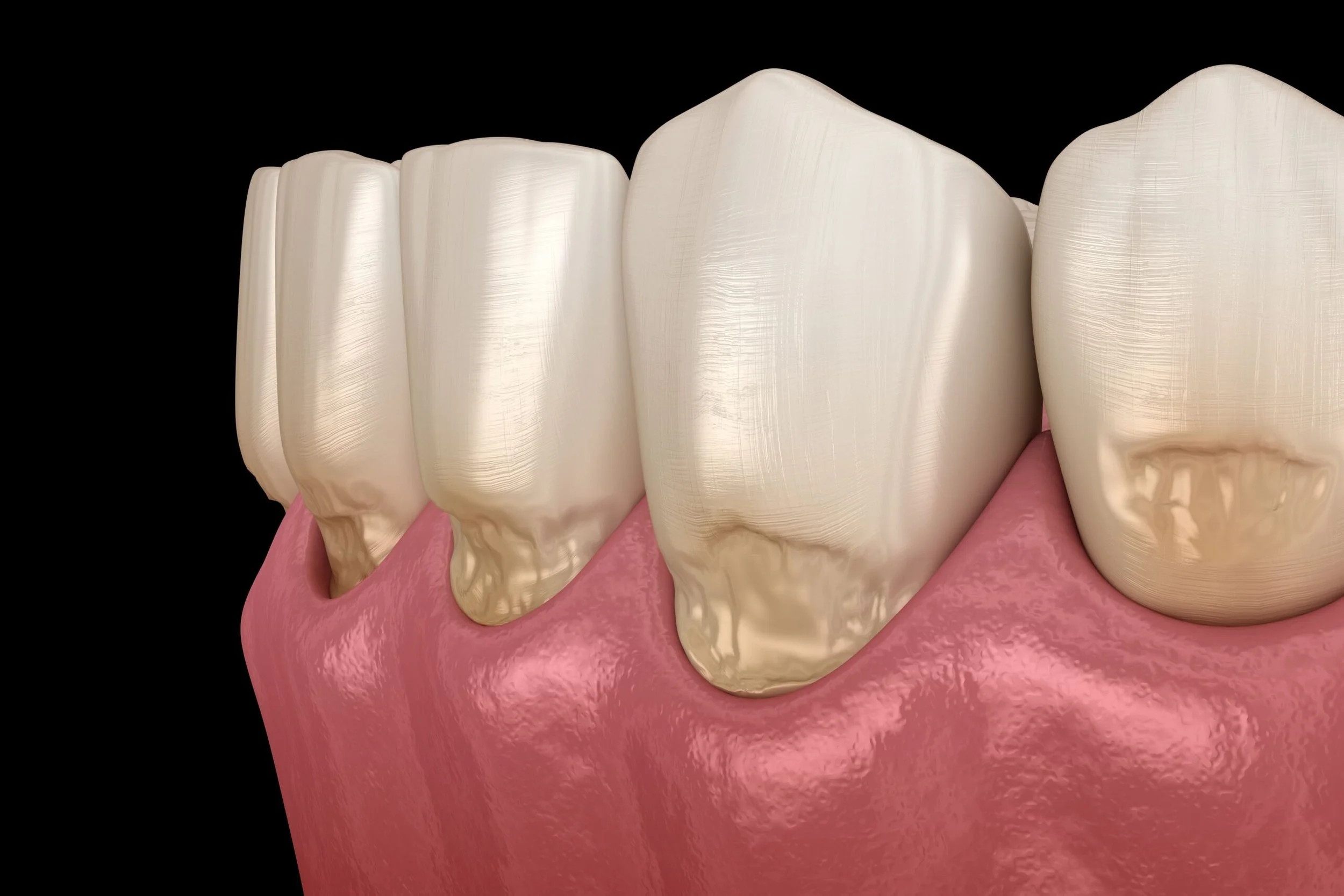
Many people think of heartburn or acid reflux as just uncomfortable digestive issues—but they can have a serious impact on your teeth. The stomach acid that flows back into the mouth during gastroesophageal reflux disease (GERD) or other gut problems can erode enamel, cause sensitivity, and increase cavities. Understanding this connection is key to protecting your dental health.

How Acid Reflux Affects Teeth

When stomach acid repeatedly enters the mouth, it can wear away the protective enamel on your teeth. This can lead to:

  • Tooth erosion: Enamel thinning and yellowing

  • Sensitivity: Discomfort to hot, cold, or sweet foods

  • Cavities: Higher risk of decay due to enamel loss

  • Cracks and chips: Weakened teeth become more prone to damage

Even mild acid reflux, if frequent, can have long-term dental consequences.

Other Gut Issues That Can Impact Dental Health

Beyond acid reflux, other digestive issues can indirectly affect teeth:

  • Frequent vomiting (as in bulimia or severe morning sickness): Exposes teeth to stomach acid repeatedly.

  • GERD and Hiatal Hernia: Cause acid exposure even while sleeping.

  • Crohn’s Disease or Ulcerative Colitis: Can cause dry mouth and nutrient deficiencies affecting enamel strength.

Signs Your Teeth May Be Affected

Watch for these warning signs:

  • Yellowing or thinning enamel

  • Rounded or shiny edges on teeth

  • Increased tooth sensitivity

  • Persistent bad breath

  • Small cracks or chips in teeth

If you notice any of these, consult a dentist as soon as possible to prevent irreversible damage.

Prevention and Treatment

  1. See a Dentist Regularly: Early detection prevents severe damage.

  2. Rinse After Acid Exposure: Use water or a fluoride mouth rinse—avoid brushing immediately after reflux as enamel is softened.

  3. Fluoride Treatments: Strengthen enamel and prevent erosion.

  4. Diet Modifications: Reduce acidic foods and beverages.

  5. Manage Acid Reflux: Work with a doctor to control GERD, medications, or lifestyle changes.

  6. Dental Restorations: In severe cases, veneers or crowns may be needed to repair damaged teeth.

Conclusion

Your gut health and dental health are more connected than you might think. Acid reflux, GERD, and other digestive issues can silently damage teeth over time, leading to sensitivity, cavities, and erosion. Regular dental checkups, proper oral hygiene, and managing underlying gut issues are essential to preserving a healthy, confident smile.

Call-to-Action:
If you have acid reflux or frequent digestive issues, schedule a dental evaluation today. Protect your teeth before damage becomes permanent.

Wisdom Teeth Removal Under IV Sedation for Anxious Patients

Introduction

For many patients, the thought of having wisdom teeth removed can trigger anxiety and fear. Fortunately, modern dentistry offers IV sedation, a safe and effective method that ensures comfort, relaxation, and a stress-free experience. Whether you’re nervous about pain, needles, or the procedure itself, IV sedation can make wisdom teeth extraction much easier for anxious patients.

Why Some Patients Are Anxious About Wisdom Teeth Removal

Common reasons for dental anxiety include:

  • Fear of pain or discomfort

  • Previous negative dental experiences

  • Sensitivity to needles or dental tools

  • Anxiety about anesthesia or surgery

IV sedation addresses these concerns by keeping patients relaxed and often unaware of the procedure.

What is IV Sedation?

IV (intravenous) sedation involves administering a sedative directly into the bloodstream, producing a state of deep relaxation. Unlike general anesthesia, IV sedation allows patients to remain conscious but calm, often with little to no memory of the procedure.

Key Benefits:

  • Reduces anxiety and stress

  • Minimizes discomfort during surgery

  • Allows for safer and faster treatment

  • Shortens recovery time due to relaxed muscles

The Wisdom Teeth Removal Procedure with IV Sedation

  1. Consultation: Your dentist or oral surgeon evaluates your teeth, jaw, and overall health.

  2. Preparation: An IV line is inserted, and sedation medication is administered.

  3. Extraction: The surgeon carefully removes one or more wisdom teeth while you remain relaxed.

  4. Recovery: After the procedure, you rest in the office until the sedative wears off. You’ll need someone to drive you home.

Who Can Benefit from IV Sedation?

  • Patients with severe dental anxiety

  • Children or teens who fear oral surgery

  • Adults with complex wisdom teeth extraction cases

  • Patients with gag reflex sensitivity

IV sedation ensures a calm, safe, and more comfortable experience for almost any patient who struggles with anxiety.

Recovery Tips After Wisdom Teeth Removal

  • Follow your surgeon’s post-operative instructions carefully.

  • Use ice packs to reduce swelling.

  • Stick to soft foods for the first few days.

  • Avoid smoking or using straws, which can dislodge blood clots.

  • Attend follow-up appointments to monitor healing.

Why Choose IV Sedation for Anxiety

IV sedation transforms wisdom teeth removal from a stressful procedure into a comfortable, almost effortless experience. Patients often report feeling calm, relaxed, and relieved after surgery. For anxious patients, it’s a life-changing solution that makes oral surgery accessible and pain-free.

Call-to-Action:
If you feel nervous about wisdom teeth removal, schedule a consultation with a trusted oral surgeon experienced in IV sedation. Say goodbye to dental anxiety and hello to a confident, relaxed smile.