Botox for TMJ: Effective Relief for Jaw Pain, Clenching, and Headaches

Temporomandibular Joint Disorder (TMJ or TMD) affects millions of people worldwide, causing symptoms such as jaw pain, headaches, teeth grinding, and difficulty chewing. While traditional treatments like mouthguards and physical therapy remain common, many patients are now turning to Botox for TMJ relief as an effective and minimally invasive treatment option.

In this article, we’ll explore how Botox works for TMJ, its benefits, procedure details, side effects, and why it has become a popular treatment for chronic jaw tension and discomfort.

What Is TMJ Disorder?

The temporomandibular joint (TMJ) connects your jawbone to your skull and helps you perform essential movements like speaking, chewing, and yawning. When this joint becomes inflamed or strained, it can lead to Temporomandibular Joint Disorder (TMD).

Common Symptoms of TMJ Include:

  • Jaw pain or tenderness

  • Clicking or popping sounds in the jaw

  • Chronic headaches or migraines

  • Teeth grinding (bruxism)

  • Facial pain

  • Difficulty opening or closing the mouth

  • Ear pain or pressure

TMJ symptoms can range from mild discomfort to severe chronic pain that impacts daily life.

What Is Botox for TMJ?

Botox is a purified protein derived from botulinum toxin that temporarily relaxes muscles. When injected into overactive jaw muscles, Botox reduces muscle tension and minimizes excessive clenching or grinding.

Botox for TMJ is commonly injected into:

  • Masseter muscles (jaw muscles)

  • Temporalis muscles

  • Forehead or neck muscles in some cases

By relaxing these muscles, Botox helps reduce pressure on the temporomandibular joint and relieves pain.

How Botox Helps TMJ Symptoms

Relieves Jaw Tension

Botox reduces excessive muscle contractions that contribute to jaw pain and stiffness.

Minimizes Teeth Grinding and Clenching

Patients who grind their teeth at night often experience reduced bruxism after Botox treatment.

Reduces Headaches and Facial Pain

TMJ-related tension headaches and migraines may improve significantly with muscle relaxation.

Improves Jaw Movement

Many patients notice improved comfort while chewing, speaking, and opening their mouths.

Non-Surgical Treatment Option

Botox offers a minimally invasive alternative to surgical TMJ procedures.

What to Expect During the Botox Procedure

Botox treatment for TMJ is quick and typically completed within 15–30 minutes.

The Procedure Includes:

  1. Consultation and evaluation

  2. Identification of overactive jaw muscles

  3. Small Botox injections into targeted areas

  4. Minimal downtime after treatment

Most patients can resume normal activities immediately after the appointment.

How Long Does Botox for TMJ Last?

Results usually begin appearing within a few days, with full effects noticeable after about 1–2 weeks.

Botox results generally last:

  • 3 to 6 months

Repeat treatments may be recommended to maintain long-term relief.

Benefits of Botox for TMJ

Quick and Convenient

Treatment sessions are fast and require little recovery time.

Minimally Invasive

No surgery or lengthy healing process is involved.

Effective Pain Relief

Many patients experience significant improvement in jaw pain and headaches.

Helps Prevent Tooth Damage

Reducing grinding and clenching can protect teeth from excessive wear.

Cosmetic Slimming Effect

Some patients notice a slimmer jawline due to relaxation of enlarged masseter muscles.

Are There Any Side Effects?

Botox for TMJ is generally safe when performed by a qualified professional. However, some temporary side effects may occur, including:

  • Mild swelling or bruising

  • Tenderness at injection sites

  • Temporary muscle weakness

  • Slight changes in chewing strength

Serious complications are rare when treatment is administered correctly.

Who Is a Good Candidate for Botox TMJ Treatment?

Botox may be suitable for individuals who:

  • Experience chronic jaw pain

  • Grind or clench their teeth

  • Have tension headaches related to TMJ

  • Have not found relief with traditional treatments

At Pain Free Dentist Sydney, we offer Botox for TMJ treatment and symptom managment. Reach out to us at 95588988 or email us at info@painfreedentistsydney.com.au
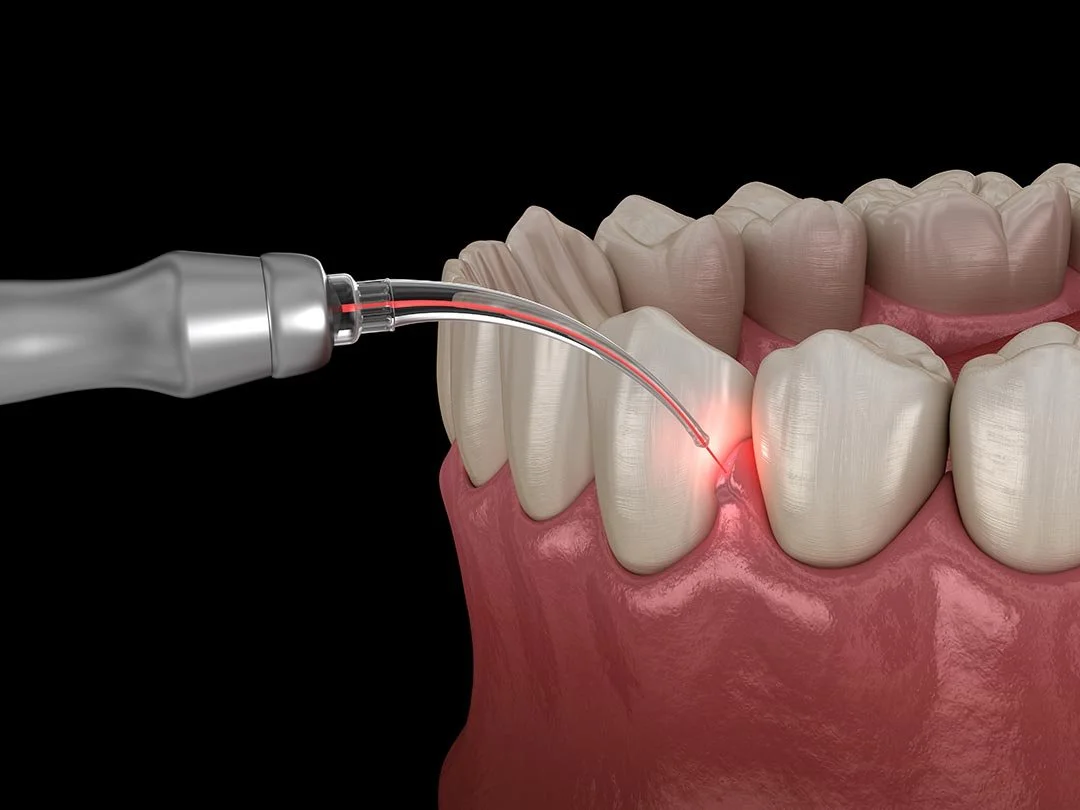
Dental Laser Therapy: A Modern, Pain-Free Solution for Better Oral Health

Dental Laser Therapy: A Modern, Pain-Free Solution for Better Oral Health

Dental Laser Therapy: A Modern, Pain-Free Solution for Better Oral Health

Dental technology has advanced rapidly in recent years, and one of the most innovative treatments transforming modern dentistry is dental laser therapy. From treating gum disease to whitening teeth and performing cavity procedures, laser dentistry offers patients a more comfortable, precise, and minimally invasive experience.

In this article, we’ll explore what dental laser therapy is, its benefits, common procedures, safety considerations, and why more patients are choosing laser treatments for their dental care.

What Is Dental Laser Therapy?

Dental laser therapy is a modern dental treatment that uses focused light energy (lasers) to perform a variety of dental procedures. The term “laser” stands for Light Amplification by Stimulated Emission of Radiation.

Dentists use specialized dental lasers to:

  • Remove or reshape soft tissue

  • Treat gum disease

  • Detect cavities

  • Whiten teeth

  • Reduce bacteria in the mouth

  • Perform minimally invasive surgeries

Unlike traditional dental tools such as drills or scalpels, lasers provide greater precision and often reduce discomfort during procedures.

Types of Dental Lasers

There are two primary types of lasers used in dentistry:

1. Soft Tissue Lasers

Soft tissue lasers are commonly used for procedures involving the gums and other soft tissues in the mouth.

Common uses include:

  • Gum reshaping

  • Treating periodontal disease

  • Removing bacteria

  • Treating tongue ties

2. Hard Tissue Lasers

Hard tissue lasers are designed to work on teeth and bone.

They are commonly used for:

  • Detecting cavities

  • Removing tooth decay

  • Preparing teeth for fillings

Benefits of Dental Laser Therapy

Minimally Invasive Treatment

Laser dentistry often eliminates the need for scalpels and sutures, making procedures less invasive.

Reduced Pain and Discomfort

Many patients report less pain during and after treatment compared to traditional methods. In some cases, anesthesia may not even be necessary.

Faster Healing Time

Laser procedures typically cause less trauma to surrounding tissues, leading to quicker recovery and healing.

Less Bleeding and Swelling

Because lasers seal blood vessels as they work, patients often experience minimal bleeding and inflammation.

Lower Risk of Infection

Dental lasers sterilize the treatment area, reducing bacteria and lowering the chance of infection.

Greater Precision

Lasers target specific areas without affecting nearby healthy tissue, improving treatment accuracy.

Common Dental Procedures Using Laser Therapy

Gum Disease Treatment

Dental lasers are highly effective in removing infected gum tissue and bacteria associated with periodontal disease.

Teeth Whitening

Laser-assisted teeth whitening can accelerate the bleaching process, delivering faster and brighter results.

Cavity Detection and Treatment

Lasers can identify early tooth decay and remove cavities with minimal discomfort.

Gum Contouring

Patients with excessive gum tissue or uneven gum lines can benefit from laser gum reshaping procedures.

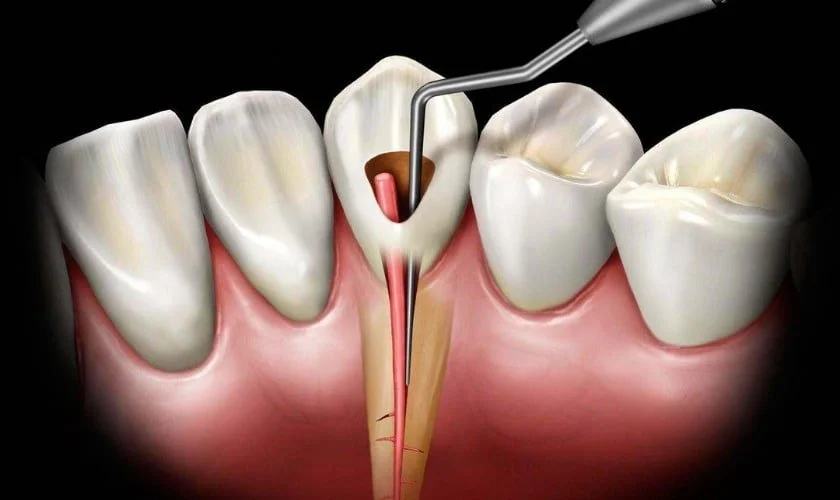
Root Canal Disinfection

Lasers help sterilize root canals more effectively by eliminating bacteria deep within the tooth.

Cold Sore and Ulcer Treatment

Laser therapy may reduce pain and speed healing for canker sores and cold sores.

Is Dental Laser Therapy Safe?

Yes, dental laser therapy is considered safe when performed by a trained and qualified dentist. Dental professionals use protective measures, including specialized eyewear, to ensure patient safety during procedures.

However, not every dental issue can be treated with lasers. Your dentist will determine whether laser therapy is the best option based on your oral health needs.

Who Is a Good Candidate for Laser Dentistry?

Laser dentistry may be ideal for patients who:

  • Experience dental anxiety

  • Prefer minimally invasive procedures

  • Have gum disease

  • Need cosmetic dental treatments

  • Want faster healing and recovery

Patients with severe dental conditions may still require traditional treatment methods.

Smoking and Dental Health Issues: What Every Smoker Should Know

Smoking is widely known for causing serious health problems such as lung disease and heart conditions, but many people overlook the damage it causes inside the mouth. From stained teeth to gum disease and oral cancer, smoking can have long-lasting effects on dental health and overall well-being.

Understanding how smoking affects the mouth is the first step toward protecting your smile and preventing severe complications.

How Smoking Affects Oral Health

Cigarettes contain thousands of harmful chemicals, including nicotine and tar. These substances reduce blood flow, weaken the immune system, and create an environment where harmful bacteria thrive. As a result, smokers face a much higher risk of developing dental and oral health problems than non-smokers.

Common Dental Health Issues Caused by Smoking

1. Gum Disease

One of the most serious effects of smoking is gum disease, also known as periodontal disease. Smoking weakens the gums’ ability to fight infection and slows healing.

Signs of gum disease include:

  • Swollen or tender gums

  • Bleeding while brushing or flossing

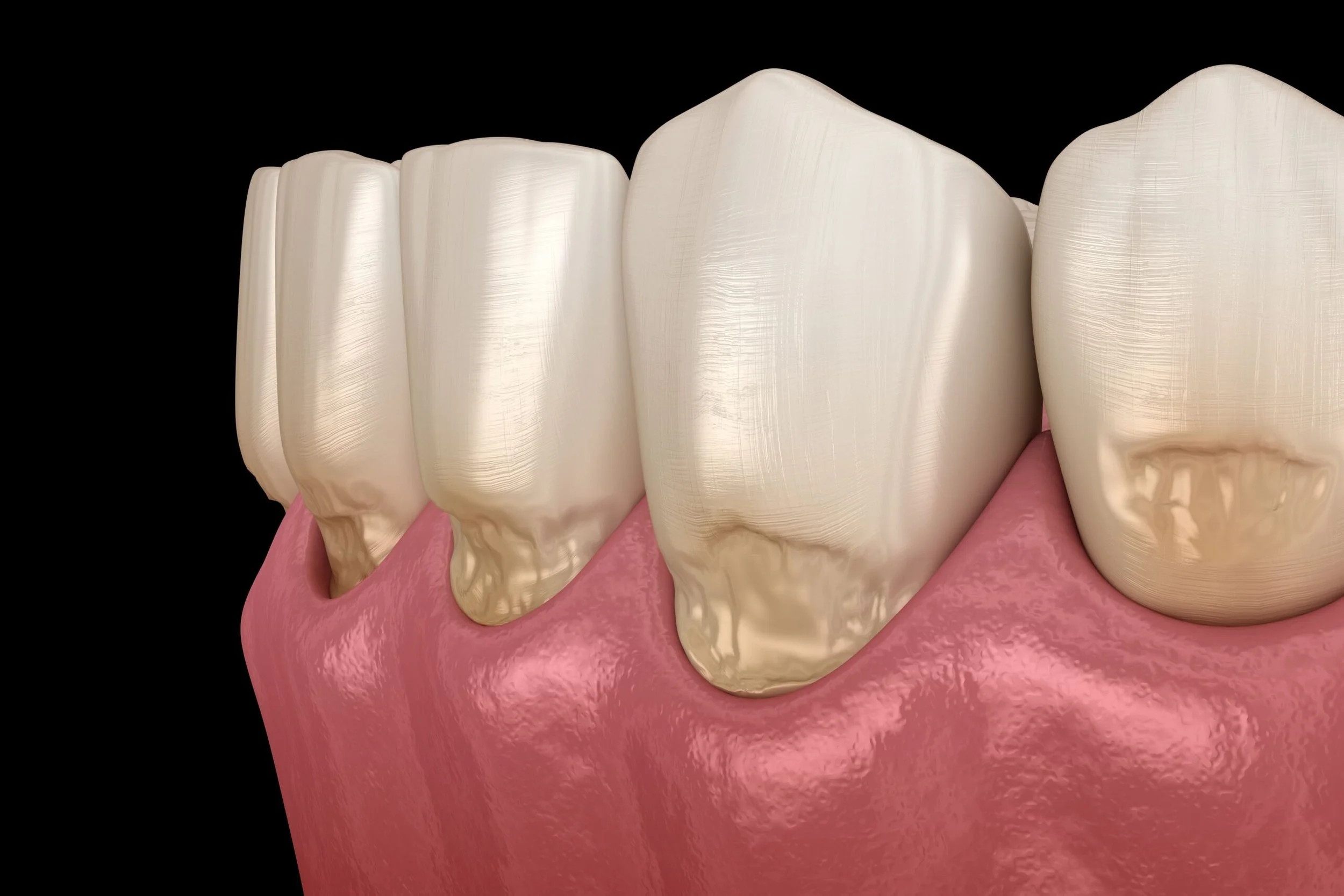
  • Receding gums

  • Persistent bad breath

  • Loose teeth

In severe cases, gum disease can lead to tooth loss. Smokers are significantly more likely to lose teeth due to advanced gum infections.

2. Tooth Staining and Discoloration

Nicotine and tar quickly stain tooth enamel, causing yellow or brown discoloration. Over time, these stains become more difficult to remove with regular brushing alone.

Many smokers seek professional dental cleaning or whitening treatments to improve the appearance of their teeth, but continued smoking often causes stains to return.

3. Bad Breath

Smoking contributes to chronic bad breath, also called halitosis. Tobacco smoke leaves chemical residues in the mouth while also drying out oral tissues. Reduced saliva allows bacteria to multiply, creating unpleasant odors.

4. Delayed Healing After Dental Procedures

Smoking slows down the body’s healing process because it reduces oxygen flow to tissues. This can create complications after:

  • Tooth extractions

  • Dental implants

  • Gum surgery

  • Root canal treatments

Smokers may experience more pain, infections, and slower recovery after dental procedures.

5. Increased Plaque and Tartar Buildup

Smoking encourages the accumulation of plaque and tartar on teeth. These deposits contain bacteria that contribute to cavities and gum disease.

Without regular professional cleaning, tartar buildup can become severe and difficult to manage.

6. Oral Cancer

Smoking is one of the leading causes of oral cancer. Tobacco use can increase the risk of cancers affecting the:

  • Lips

  • Tongue

  • Cheeks

  • Floor of the mouth

  • Throat

Warning signs may include:

  • Mouth sores that do not heal

  • Red or white patches

  • Difficulty chewing or swallowing

  • Lumps inside the mouth

Early detection is critical, which is why regular dental checkups are especially important for smokers.

7. Dry Mouth

Smoking reduces saliva production, causing dry mouth. Saliva plays an essential role in washing away food particles and neutralizing acids. Without enough saliva, the risk of cavities and infections increases.

Benefits of Quitting Smoking for Oral Health

The good news is that quitting smoking can significantly improve oral health. After quitting:

  • Blood circulation to the gums improves

  • Healing becomes faster

  • Bad breath decreases

  • Teeth stop developing new tobacco stains

  • Risk of oral cancer gradually lowers

Many former smokers also notice improved taste and smell within a few weeks.

Tips to Protect Your Dental Health

If you smoke, taking extra care of your oral hygiene is essential:

  • Brush twice daily with fluoride toothpaste

  • Floss every day

  • Visit the dentist regularly for cleanings and screenings

  • Drink plenty of water

  • Consider smoking cessation programs or nicotine replacement therapy

Final Thoughts

Smoking does far more than damage the lungs—it can seriously harm your teeth, gums, and entire mouth. Gum disease, tooth loss, staining, bad breath, and oral cancer are all major risks associated with tobacco use.

Protecting your smile starts with awareness and healthy choices. Quitting smoking and maintaining regular dental care can dramatically improve both oral health and overall quality of life.

Contact us at info@painfreedentistsydney.com.au or (02) 9558 8988 to book an appointment with us!