TMJ, Headaches, Ear Pain, and Teeth Grinding: Understanding the Connection

Do you experience frequent headaches, ear pain, jaw tension, or teeth grinding? Many people are surprised to learn these symptoms may all be connected to TMJ disorder.

TMJ problems can affect far more than just the jaw. Patients commonly experience facial pain, migraines, jaw clicking, neck tension, ear discomfort, and even sleep issues without realising the underlying cause may be related to the jaw joint.

Understanding the connection between TMJ, headaches, ear pain, and teeth grinding can help you find effective relief and improve your overall quality of life.

What Is TMJ Disorder?

The temporomandibular joint, commonly called the TMJ, connects the jaw to the skull and allows movements such as talking, chewing, and yawning.

When this joint becomes inflamed, strained, or misaligned, it can lead to TMJ disorder, also known as TMD.

Common symptoms of TMJ disorder include:

  • Jaw pain or tightness

  • Clicking or popping jaw

  • Headaches or migraines

  • Ear pain or pressure

  • Teeth grinding and jaw clenching

  • Facial pain

  • Neck and shoulder tension

  • Difficulty opening the mouth comfortably

TMJ symptoms can range from mild discomfort to chronic pain that affects daily life.

Can TMJ Cause Headaches?

Yes, TMJ disorder can cause headaches, and this is one of the most common symptoms patients experience.

When the jaw muscles become tense or overworked, pain can radiate into the temples, forehead, and sides of the head. Many people mistake TMJ headaches for migraines or tension headaches.

Jaw clenching and teeth grinding place extra pressure on the jaw muscles and surrounding nerves, often triggering recurring headaches.

TMJ headaches are commonly felt:

  • Around the temples

  • Near the ears

  • Along the sides of the head

  • Around the jaw and cheeks

Patients often notice headaches are worse in the morning due to overnight grinding or clenching.

Can TMJ Cause Ear Pain?

Many patients with TMJ disorder experience ear pain, pressure, ringing, or a blocked sensation even when no ear infection is present.

This happens because the TMJ is located very close to the ear canal. Inflammation and muscle tension around the jaw joint can create symptoms that feel like ear problems.

Common TMJ-related ear symptoms include:

  • Earaches

  • Fullness or pressure in the ears

  • Ringing in the ears (tinnitus)

  • Pain near the ear when chewing

  • Clicking sounds when opening the mouth

Because TMJ and ear symptoms are closely connected, patients are often referred between doctors, dentists, and specialists before receiving the correct diagnosis.

Teeth Grinding and TMJ: What’s the Connection?

Teeth grinding, also known as bruxism, is one of the leading causes of TMJ pain.

Many people grind or clench their teeth during sleep without realising it. Over time, this places excessive pressure on the jaw joints and muscles, leading to inflammation, tightness, headaches, and facial pain.

Stress and anxiety are common triggers for jaw clenching and grinding, especially during sleep.

Signs of teeth grinding may include:

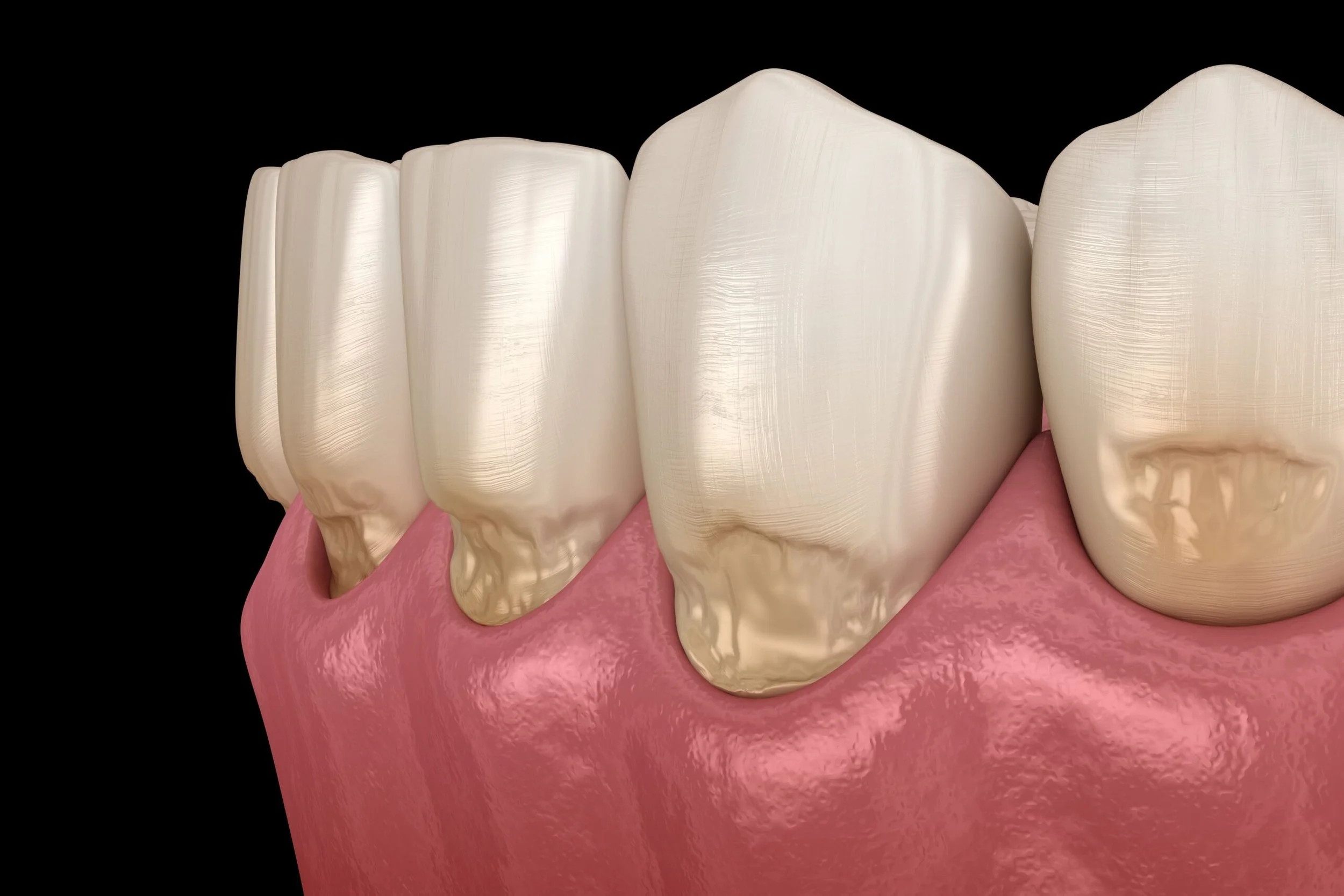
  • Worn or flattened teeth

  • Jaw soreness in the morning

  • Frequent headaches

  • Tight facial muscles

  • Sensitive teeth

  • Clicking or locking jaw

Without treatment, chronic grinding can worsen TMJ symptoms and place ongoing strain on the jaw joint.

How to Relieve TMJ Pain Naturally

Many patients can improve mild to moderate TMJ symptoms with conservative and natural treatments.

Jaw Relaxation Techniques

Reducing jaw tension is one of the most effective ways to relieve TMJ discomfort. Avoid clenching your teeth during the day and try to keep the jaw relaxed.

Warm Compresses

Applying heat to the jaw muscles can help reduce muscle tightness and improve circulation.

Soft Food Diet

Eating softer foods for a short period can reduce pressure on the jaw joint and allow inflammation to settle.

Stress Management

Because stress often contributes to teeth grinding and jaw clenching, relaxation techniques such as meditation, stretching, exercise, and improved sleep habits may help reduce symptoms.

TMJ Exercises and Stretching

Gentle jaw exercises can improve movement and reduce muscle tension. A dentist experienced in TMJ treatment may recommend exercises tailored to your symptoms.

Night Guards for Teeth Grinding

Custom night guards help protect the teeth and reduce pressure caused by overnight grinding and clenching.

For many patients, night guards significantly improve headaches, jaw pain, and muscle tension associated with TMJ disorder.

When to See a TMJ Dentist

If jaw pain, headaches, ear symptoms, or teeth grinding are becoming frequent or affecting your daily life, it may be time to seek professional care.

A dentist experienced in TMJ treatment can assess jaw function, bite alignment, muscle tension, and grinding patterns to identify the cause of your symptoms.

Early treatment often helps prevent worsening discomfort and long-term jaw problems.

Conclusion

TMJ disorder can affect much more than the jaw. Headaches, ear pain, teeth grinding, facial tension, and jaw discomfort are often closely connected.

Understanding the relationship between TMJ, bruxism, headaches, and ear symptoms is the first step toward finding relief.

With proper diagnosis, lifestyle adjustments, and professional TMJ treatment, many patients experience significant improvements in comfort, sleep, and overall quality of life.

Sleep Dentistry: Comfortable Dental Care for Busy, Nervous, and Sensitive Patients

Going to the dentist is not always easy. Some patients experience anxiety, while others struggle with sensitive teeth, strong gag reflexes, difficulty sitting for long appointments, or simply have busy lifestyles that make lengthy treatments stressful. That’s why more people are turning to sleep dentistry for a calm and comfortable dental experience.

Modern sleep dentistry helps patients feel deeply relaxed during treatment, making dental procedures easier, faster, and far less stressful.

What Is Sleep Dentistry?

Sleep dentistry is a form of sedation dentistry that helps patients remain calm and comfortable during dental procedures. Despite the name, patients are usually not fully asleep. Instead, they feel deeply relaxed and may remember very little about the treatment afterward.

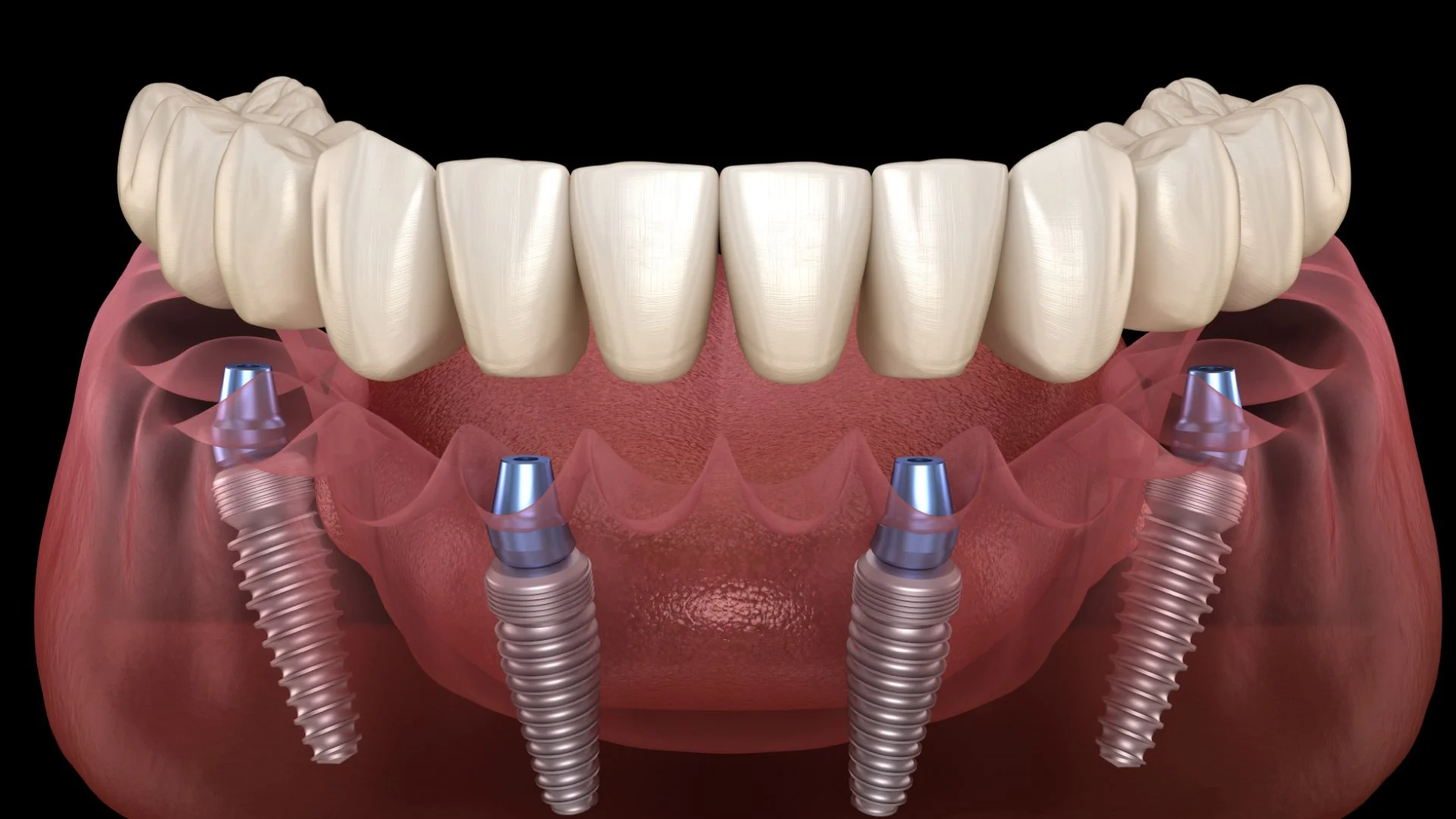
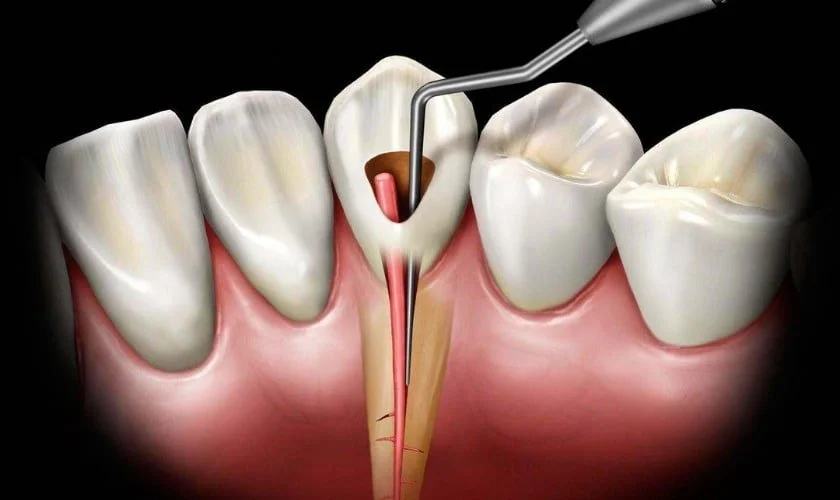
Sleep dentistry is commonly used for procedures such as dental implants, wisdom teeth removal, root canal treatment, cosmetic dentistry, and full-mouth restorations.

For many patients, it transforms the entire dental experience.

Sleep Dentistry Is Not Just for Dental Anxiety

While sleep dentistry is popular for nervous patients, many people choose sedation for completely different reasons.

Patients with sensitive teeth often find long procedures uncomfortable. Sedation helps reduce awareness of discomfort and allows treatment to feel much easier.

People with a strong gag reflex also benefit from sleep dentistry because sedation helps the body relax, making dental procedures smoother and more manageable.

Busy professionals and parents often prefer sleep dentistry because dentists can complete multiple treatments in fewer appointments while patients remain relaxed.

Some patients simply want a more comfortable and stress-free dental experience, especially during complex or lengthy procedures.

Benefits of Sleep Dentistry

One of the biggest advantages of sleep dentistry is comfort. Patients feel calm, relaxed, and less aware of the sights, sounds, and sensations associated with dental treatment.

Sedation also makes time feel much shorter. Procedures that normally feel long or overwhelming often seem to pass very quickly.

Another major benefit is convenience. Dentists can often complete several treatments in a single visit, reducing the need for multiple appointments.

For patients with dental sensitivity, jaw discomfort, or difficulty sitting still, sleep dentistry creates a much more manageable experience.

Types of Sleep Dentistry

Different levels of sedation are available depending on the procedure and patient needs.

Nitrous Oxide Sedation

Also known as laughing gas, nitrous oxide provides mild relaxation while patients remain fully awake and responsive.

Oral Sedation

Oral sedation involves medication taken before the appointment to help patients feel deeply relaxed during treatment.

IV Sleep Dentistry

IV sleep dentistry provides a deeper level of sedation through medication administered directly into the bloodstream.

This option works quickly and is commonly used for complex procedures such as dental implants or full-mouth restorations.

Many patients feel like they slept through the appointment.

Who Can Benefit From Sleep Dentistry?

Sleep dentistry may be ideal for patients who:

  • Have sensitive teeth

  • Have a strong gag reflex

  • Need lengthy dental procedures

  • Have difficulty sitting through appointments

  • Want a more comfortable dental experience

  • Need multiple treatments completed efficiently

  • Experience jaw discomfort during long procedures

It is also highly beneficial for patients undergoing advanced treatments such as dental implants or cosmetic smile makeovers.

Is Sleep Dentistry Safe?

Yes, sleep dentistry is considered very safe when performed by qualified dental professionals. Before treatment, the dental team carefully reviews medical history, medications, and overall health to determine the safest sedation option.

Patients are monitored closely throughout the procedure to ensure safety and comfort at all times.

Modern sedation techniques are highly advanced and widely used in today’s dental clinics.

Why More Patients Are Choosing Sleep Dentistry

Modern dentistry is increasingly focused on patient comfort. As awareness grows, more patients are discovering that dental visits no longer need to feel stressful or uncomfortable.

Sleep dentistry allows people to receive the care they need while feeling calm, relaxed, and comfortable throughout treatment.

For many patients, it changes the way they think about going to the dentist entirely.

Conclusion

Whether you have sensitive teeth, a busy schedule, difficulty sitting through appointments, or simply want a more relaxing dental experience, sleep dentistry offers a safe and comfortable solution.

With modern sedation options and patient-focused care, dental treatment can become easier, faster, and significantly less stressful.

Special Needs Dentistry: Gentle Dental Care for Patients on the Spectrum or With Disabilities

Visiting the dentist can feel challenging for patients with autism, sensory sensitivities, anxiety, or physical and intellectual disabilities. That’s why special needs dentistry focuses on creating a calm, supportive, and comfortable environment tailored to every patient’s individual needs.

Modern dental clinics are increasingly offering compassionate care for patients on the spectrum and individuals with disabilities, helping families access safe and stress-free dental treatment.

What Is Special Needs Dentistry?

Special needs dentistry is a personalised approach to dental care designed for patients who may require additional support during treatment.

This can include patients with:

  • Autism Spectrum Disorder (ASD)

  • Sensory sensitivities

  • ADHD

  • Intellectual disabilities

  • Physical disabilities

  • Dental anxiety or communication challenges

The goal is to create a positive dental experience while ensuring patients receive the oral care they need comfortably and safely.

Creating a Calm and Comfortable Dental Experience

Patients on the spectrum or with disabilities often experience heightened sensitivity to sounds, lights, textures, or unfamiliar environments. A compassionate dental team understands these challenges and adapts treatment accordingly.

Many special needs dental clinics provide:

  • Quiet treatment rooms

  • Gentle communication techniques

  • Sensory-friendly environments

  • Extra appointment time

  • Calm and patient-focused care

  • Sedation dentistry options if required

These adjustments help reduce stress and create a more relaxed experience for both patients and caregivers.

The Importance of Routine Dental Care

Regular dental visits are essential for maintaining oral health and preventing more complex dental issues in the future.

For patients with disabilities or sensory challenges, consistent dental care can help build familiarity and trust over time. Positive experiences also reduce fear and anxiety associated with dental treatment.

Preventive care such as professional cleaning, fluoride treatments, and regular check-ups play an important role in long-term oral health.

Sedation Dentistry for Special Needs Patients

For some patients, sedation dentistry can help make dental treatment more manageable and comfortable.

Options such as nitrous oxide, oral sedation, or IV sedation dentistry may be recommended depending on the patient’s individual needs and level of anxiety.

Sedation can help patients feel calm and relaxed during treatment while allowing dental procedures to be completed safely and efficiently.

Many families find that sedation dentistry significantly improves the overall dental experience for patients with sensory sensitivities or severe anxiety.

Gentle Dentistry for Patients on the Autism Spectrum

Patients with autism often benefit from structured, predictable, and sensory-friendly dental care.

Experienced autism-friendly dentists may use visual explanations, slower introductions to treatment, and clear communication techniques to help patients feel more comfortable.

Simple adjustments such as reducing bright lights, minimising noise, and allowing familiar comfort items can make a significant difference during appointments.

Building trust and routine is essential for creating positive long-term dental experiences for patients on the spectrum.

Support for Families and Caregivers

A caring special needs dental clinic understands that families and caregivers are an important part of the treatment process.

Dentists work closely with parents, support workers, and caregivers to understand each patient’s needs, preferences, and communication style.

This collaborative approach helps create personalised dental care plans that support both comfort and oral health outcomes.

Why Choosing the Right Dentist Matters

Not every dental clinic is experienced in caring for patients with sensory challenges or disabilities. Choosing a dentist with experience in special needs dentistry can make a major difference in comfort, communication, and treatment success.

A patient-focused dental team creates an environment where every individual feels respected, understood, and supported.

Conclusion

Everyone deserves access to comfortable and compassionate dental care. Special needs dentistry helps patients on the spectrum and individuals with disabilities receive high-quality treatment in a calm and supportive environment.

With gentle care, personalised support, and modern sedation options, dental visits can become more positive, manageable, and stress-free for both patients and families.