Tongue Tie in Adults: Hidden Problems You Shouldn’t Ignore

Most people associate tongue tie (ankyloglossia) with babies, but it can also affect adults — often without being diagnosed for years. In many cases, adults only discover they have a tongue tie after experiencing ongoing issues with speech, jaw pain, breathing, or even sleep problems.

Because the body adapts over time, adult tongue tie is often “hidden,” with symptoms mistakenly attributed to TMJ disorder, stress, or posture.

What Is Tongue Tie in Adults?

A tongue tie occurs when the band of tissue (lingual frenulum) under the tongue is too tight, short, or thick, restricting normal tongue movement.

In adults, this restriction can affect:

  • Tongue mobility

  • Speech clarity

  • Swallowing patterns

  • Oral posture (tongue resting position)

  • Jaw and facial muscle balance

Many adults don’t realise they have it because they have lived with compensations for years.

Hidden Problems Caused by Adult Tongue Tie

Jaw Pain and TMJ Issues

Restricted tongue movement can lead to poor oral posture, which may force the jaw muscles to overcompensate.

This can contribute to:

  • Jaw tightness or pain

  • Clicking or popping jaw

  • TMJ dysfunction

  • Facial muscle strain

  • Headaches

Over time, these imbalances may worsen TMJ symptoms.

Speech Difficulties

Adult tongue tie can subtly affect speech, especially with certain sounds like “t,” “d,” “l,” and “r.”

Common issues include:

  • Slurred or unclear speech

  • Difficulty pronouncing certain words

  • Fatigue when speaking for long periods

  • Feeling like speech is “restricted”

Many people never connect these issues to tongue movement.

Breathing and Sleep Issues

The tongue plays a major role in airway stability. If tongue posture is restricted, it may fall backward during sleep, contributing to:

  • Mouth breathing

  • Snoring

  • Poor sleep quality

  • Possible contribution to sleep apnea symptoms

  • Morning dry mouth

This is one of the most overlooked effects of adult tongue tie.

Teeth Grinding and Jaw Clenching

When tongue posture is not functioning properly, the jaw may compensate by clenching or grinding during sleep.

This can lead to:

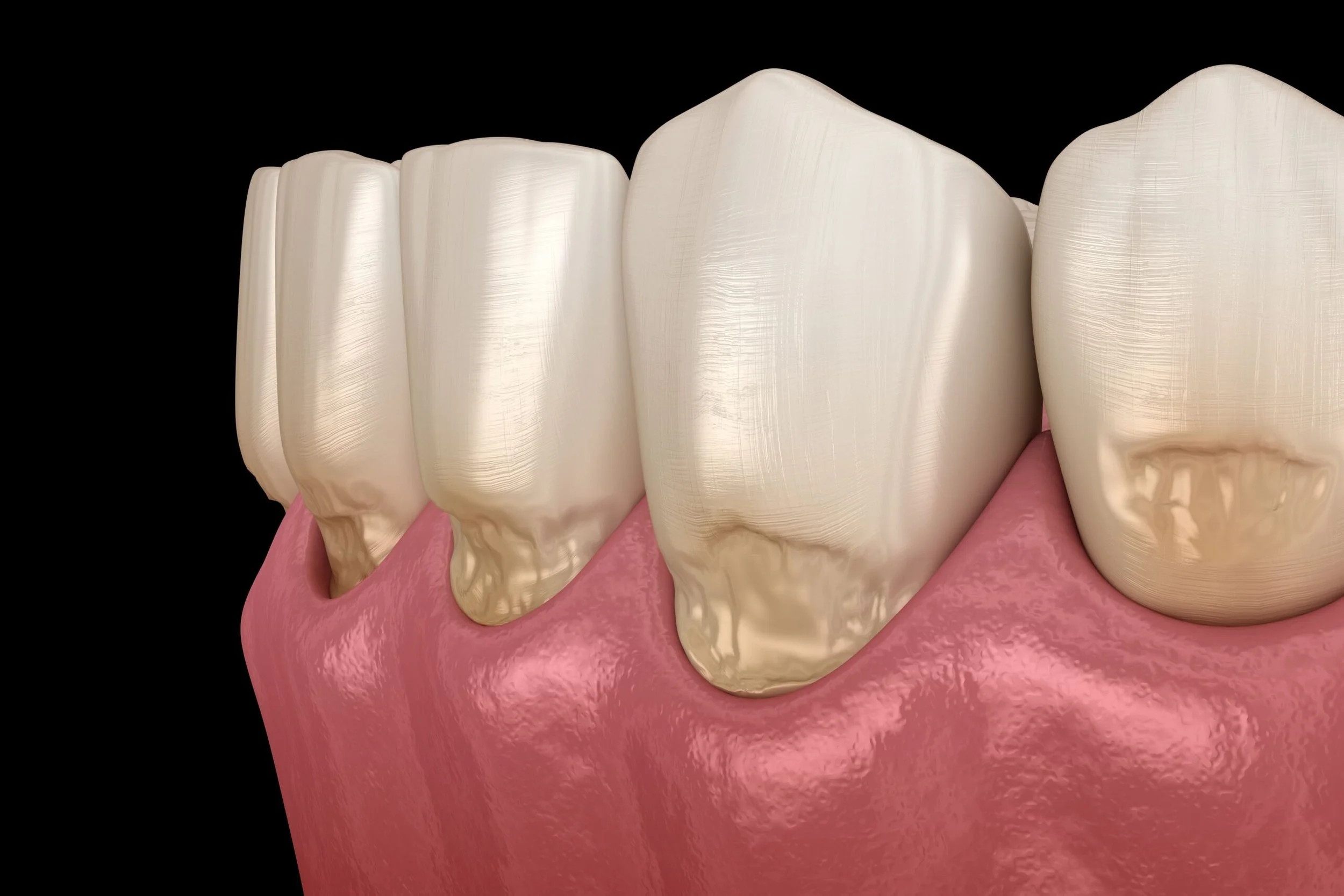
  • Worn teeth

  • Jaw soreness in the morning

  • Headaches

  • Increased TMJ strain

Many patients diagnosed with bruxism later discover tongue restriction as a contributing factor.

Neck and Posture Issues

Tongue position is linked to overall head and neck posture. A restricted tongue can contribute to forward head posture and muscular imbalance.

This may result in:

  • Neck stiffness

  • Shoulder tension

  • Poor head posture

  • Chronic muscle fatigue

Why Adult Tongue Tie Is Often Missed

Adult tongue tie is frequently overlooked because:

  • Symptoms develop gradually over time

  • The tongue may still appear “functional”

  • Compensations hide the restriction

  • Symptoms overlap with TMJ, stress, or sleep disorders

As a result, many patients go years without a correct diagnosis.

Signs You May Have an Adult Tongue Tie

You may want to consider assessment if you experience:

  • Difficulty sticking your tongue out fully

  • Tightness under the tongue

  • Jaw pain or TMJ symptoms

  • Speech fatigue or difficulty pronouncing words

  • Snoring or mouth breathing

  • Teeth grinding or jaw clenching

  • Feeling like your tongue is “restricted”

Even mild restrictions can have long-term effects.

Treatment Options for Adult Tongue Tie

Tongue Tie Release (Frenectomy)

A frenectomy is a simple procedure that releases the tight tissue under the tongue, improving mobility.

Myofunctional Therapy

Exercises may be recommended before and after treatment to retrain tongue posture, swallowing patterns, and muscle coordination.

TMJ and Jaw Support Therapy

If TMJ symptoms are present, additional support may be needed to reduce muscle strain and improve jaw function.

Sleep and Airway Management

For patients with snoring or sleep-related symptoms, airway evaluation may be recommended as part of a broader treatment plan.

Benefits of Treating Adult Tongue Tie

Correcting tongue tie in adults may help improve:

  • Jaw comfort and TMJ symptoms

  • Speech clarity

  • Sleep quality

  • Breathing patterns

  • Oral posture

  • Muscle balance in the face and neck

Many patients report feeling “less tension” overall after treatment and rehabilitation.

When to Seek Professional Assessment

If you experience chronic jaw pain, speech difficulties, sleep issues, or ongoing TMJ symptoms with no clear cause, an evaluation for tongue tie in adults may be beneficial.

A dental professional trained in airway and functional dentistry can assess tongue mobility and its impact on oral health and jaw function.

Conclusion

Adult tongue tie is a commonly missed condition that can contribute to a wide range of hidden problems — including TMJ pain, speech issues, sleep disturbances, and muscle tension.

Because symptoms often develop slowly, many patients don’t realise the root cause until later in life.

With proper diagnosis and treatment, significant improvements in comfort, function, and quality of life are possible.

Cracked Teeth Syndrome: Signs, Symptoms, and Treatment Options

A cracked tooth isn’t always easy to see — but it can cause sharp pain, sensitivity, and discomfort that comes and goes. This condition is often referred to as cracked teeth syndrome (CTS), and it can affect anyone, even if the tooth looks completely normal on the outside.

Because the crack may be very small or hidden, patients often experience symptoms long before a diagnosis is made. Early detection is key to saving the tooth and preventing more serious damage.

What Is Cracked Teeth Syndrome?

Cracked teeth syndrome occurs when a tooth develops a fracture that may extend into the enamel, dentin, or sometimes deeper into the tooth structure.

Unlike a broken tooth, a cracked tooth may still look intact, which makes it harder to identify without a dental examination.

The crack can worsen over time, especially when biting pressure continues to stress the tooth.

Common Symptoms of a Cracked Tooth

Cracked teeth often produce inconsistent or hard-to-pinpoint symptoms, such as:

  • Sharp pain when biting or chewing

  • Sensitivity to hot or cold foods

  • Pain that comes and goes

  • Discomfort when releasing bite pressure

  • Localised tooth pain without obvious cause

  • Occasional swelling around the tooth

Many patients describe it as a “sharp jab” when chewing on a specific side.

What Causes Cracked Teeth?

There are several common causes of cracked teeth syndrome, including:

Teeth Grinding (Bruxism)

Clenching or grinding teeth, especially during sleep, places repeated pressure on teeth and can cause micro-cracks over time.

Chewing Hard Foods

Biting into hard foods such as ice, nuts, or hard lollies can create sudden stress on teeth.

Large Fillings or Previous Dental Work

Teeth with large fillings may be weaker and more prone to cracking.

Trauma or Injury

Accidents, sports injuries, or impacts to the face can cause cracks in teeth.

Age-Related Wear

As teeth age, they naturally become more brittle and susceptible to fractures.

Why Cracked Teeth Are Hard to Diagnose

Cracked teeth are often difficult to detect because:

  • The crack may not show on X-rays

  • Pain is not constant

  • Symptoms can mimic other dental problems

  • The crack may open and close during biting

Because of this, patients may visit multiple times before a diagnosis is confirmed.

What Happens If a Cracked Tooth Is Left Untreated?

If a cracked tooth is not treated, the crack can deepen and spread, leading to:

  • Increased pain and sensitivity

  • Infection of the tooth nerve

  • Tooth fracture or breakage

  • Need for root canal treatment

  • Possible tooth loss

Early treatment greatly improves the chance of saving the tooth.

Treatment Options for Cracked Teeth Syndrome

Treatment depends on the location and severity of the crack.

Dental Bonding or Filling

For small surface cracks, bonding material can help stabilise the tooth and restore function.

Dental Crown

A crown is often used to protect a cracked tooth by covering it completely, preventing further damage.

Root Canal Treatment

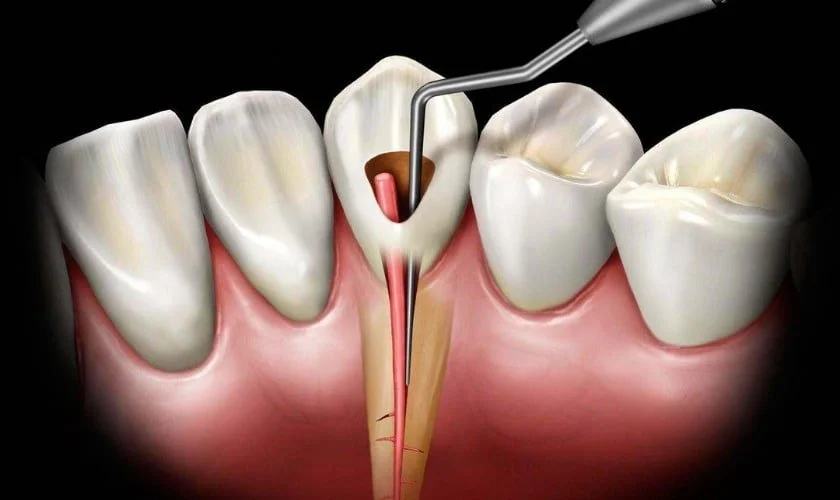
If the crack reaches the inner nerve of the tooth, root canal treatment may be required to remove infection and preserve the tooth.

Tooth Extraction (Severe Cases)

If the crack extends too deep and the tooth cannot be saved, removal may be necessary, followed by replacement options such as a dental implant or bridge.

Can Cracked Teeth Be Prevented?

While not all cracks can be prevented, you can reduce your risk by:

  • Wearing a night guard if you grind your teeth

  • Avoiding chewing hard objects

  • Treating bite problems early

  • Maintaining regular dental check-ups

  • Addressing jaw clenching and stress

Cracked Teeth and Jaw Pain Connection

In some cases, cracked teeth can be linked with jaw tension or TMJ disorder, especially if teeth grinding is the underlying cause.

Patients may experience overlapping symptoms such as:

  • Jaw soreness

  • Headaches

  • Tooth sensitivity

  • Facial muscle tightness

A full dental assessment helps determine the root cause.

When to See a Dentist

You should seek dental care if you experience:

  • Sharp pain when chewing

  • Sensitivity in one specific tooth

  • Pain that comes and goes without explanation

  • Discomfort when biting pressure is released

Early diagnosis is the best way to prevent further damage and preserve the tooth.

Conclusion

Cracked teeth syndrome is a common but often hidden dental condition that can cause significant discomfort if left untreated. Because symptoms can be inconsistent, early professional assessment is essential.

With timely diagnosis and appropriate treatment such as bonding, crowns, or root canal therapy, most cracked teeth can be successfully managed and preserved.

Workers Compensation Dental Injury: How We Can Help You Recover Your Smile

A workplace accident can change everything in an instant — especially when it affects your teeth, jaw, or face. A workers compensation dental injury may cause pain, difficulty eating, jaw problems, and long-term dental complications if not treated properly.

The good news is that many dental injuries sustained at work are eligible for assessment and treatment under workers compensation, and timely dental care can make a major difference in your recovery.

What Is a Workers Compensation Dental Injury?

A dental injury at work can occur in many situations, including:

  • Falls or physical accidents on the job

  • Impact injuries to the face or jaw

  • Workplace vehicle accidents

  • Sports or training incidents during employment

  • Sudden trauma causing chipped, cracked, or knocked-out teeth

These injuries may affect not only your teeth, but also your jaw joints, bite alignment, and overall oral function.

Common symptoms include:

  • Broken, chipped, or lost teeth

  • Jaw pain or stiffness

  • Difficulty chewing or speaking

  • Tooth sensitivity or nerve pain

  • TMJ symptoms such as clicking or locking

  • Facial swelling or bruising

How Dental Injuries Can Affect Your Long-Term Health

Even if the injury seems minor at first, untreated dental trauma can lead to long-term complications such as:

  • Infection or nerve damage

  • Bite changes or misalignment

  • Chronic jaw pain or TMJ disorder

  • Ongoing headaches or facial tension

  • Tooth loss or structural damage

That’s why early assessment and treatment is essential after any workplace dental injury.

How We Can Help You

If you’ve experienced a work-related dental injury, our team is here to support you every step of the way — from diagnosis to treatment and recovery.

Comprehensive Dental Assessment

We carefully assess your teeth, gums, jaw, and bite to fully understand the extent of the injury. This includes checking for hidden damage that may not be immediately visible.

Emergency Dental Care

For urgent cases such as broken teeth, severe pain, or knocked-out teeth, we provide prompt treatment to stabilise your condition and relieve discomfort.

Restorative Dental Treatment

Depending on your needs, treatment may include:

  • Dental fillings or bonding

  • Crowns or bridges

  • Root canal treatment

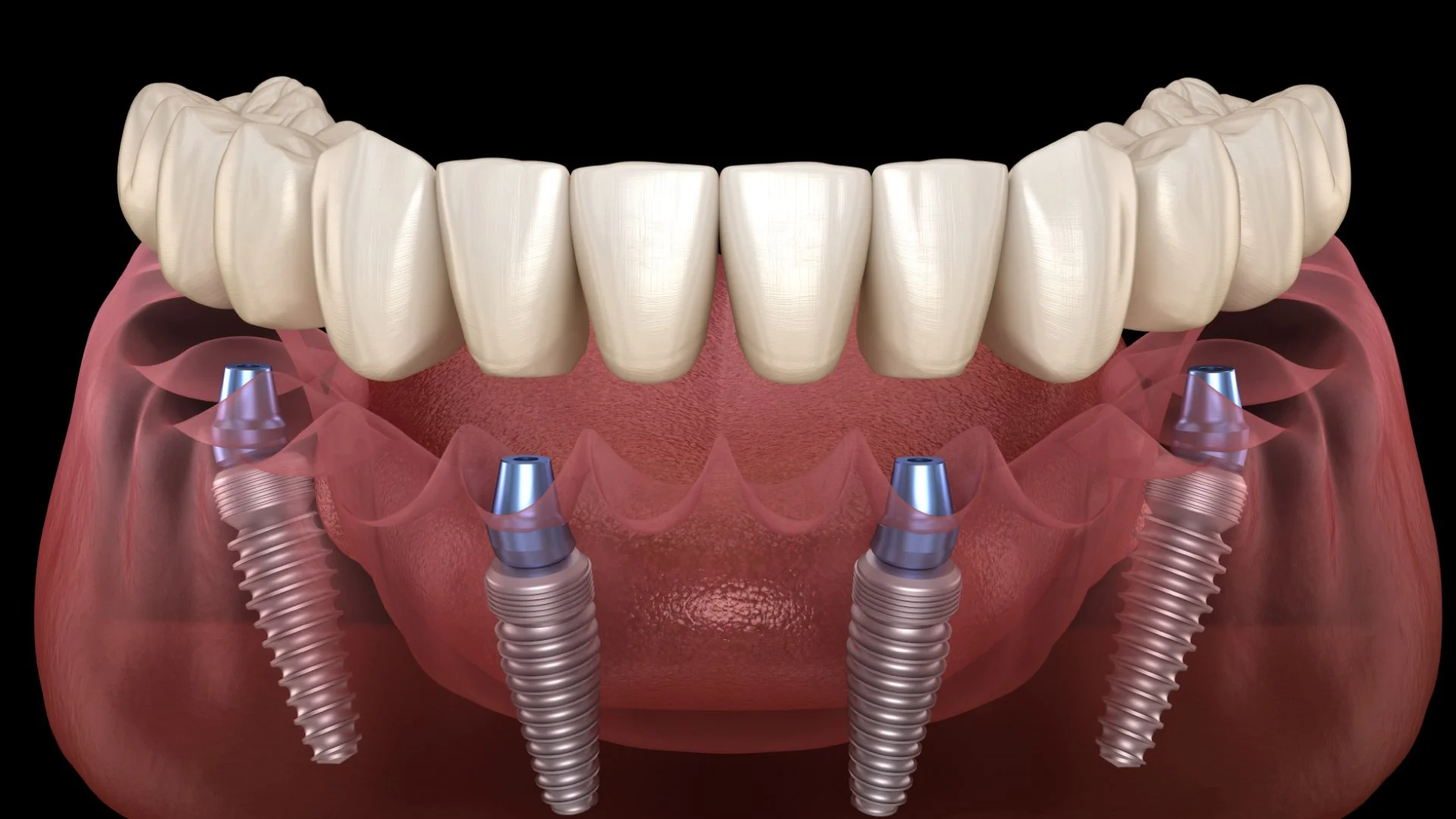
  • Tooth replacement options such as dental implants

  • Cosmetic restoration for chipped or damaged teeth

Our goal is to restore both function and appearance.

TMJ and Jaw Injury Management

Workplace trauma can also affect the jaw joint. If you are experiencing jaw pain, clicking, or difficulty opening your mouth, we assess and manage potential TMJ disorder caused by injury.

Workers Compensation Support

We provide detailed clinical documentation to support your workers compensation dental claim, including:

  • Injury assessment reports

  • Treatment plans

  • Progress notes

  • Ongoing care requirements

This helps ensure your treatment is properly recorded and supported for claims purposes.

Ongoing Monitoring and Care

Dental injuries often require follow-up visits to ensure proper healing and long-term stability. We monitor your recovery closely and adjust treatment if needed.

Why Early Treatment Matters

Delaying treatment after a dental injury can lead to:

  • Worsening pain

  • Permanent tooth damage

  • Infection or complications

  • Costly long-term dental work

  • TMJ issues and bite changes

Early intervention gives the best chance of full recovery and reduces the risk of future complications.

Your Recovery Comes First

We understand that a workplace dental injury can be stressful, painful, and overwhelming — especially when it affects your ability to eat, speak, or work comfortably.

Our focus is to provide:

  • Gentle, supportive care

  • Clear treatment planning

  • Fast pain relief

  • Long-term restoration solutions

  • Assistance with documentation for claims

You don’t need to manage the process alone — we’re here to help guide you through it.

Conclusion

A workers compensation dental injury requires prompt, professional care to prevent long-term complications and restore your oral health. Whether you’ve chipped a tooth, suffered jaw trauma, or developed TMJ symptoms after an accident, early treatment is key.

We are here to assess your injury, provide effective treatment, and support you through the workers compensation process so you can focus on healing and getting back to normal life.