Gum Disease: Causes, Symptoms, Treatment & Prevention

What Is Gum Disease?

Gum disease is a common but serious oral health condition that affects the gums and supporting structures of the teeth. It begins with mild inflammation and can progress to severe infection, potentially leading to tooth loss if left untreated.

The early stage of gum disease is called gingivitis, while the advanced stage is known as periodontal disease.

Gingivitis is reversible with proper oral care, while more advanced disease may require professional treatment.

What Causes Gum Disease?

Gum disease is primarily caused by plaque buildup — a sticky film of bacteria that forms on teeth.

Common contributing factors include:

  • Poor oral hygiene

  • Smoking and tobacco use

  • Diabetes and systemic health conditions

  • Hormonal changes (pregnancy, menopause)

  • Genetics

  • Certain medications

  • Dry mouth (reduced saliva flow)

If plaque is not removed regularly, it hardens into tartar, which can only be removed by a dental professional.

Stages of Gum Disease

1. Gingivitis (Early Stage)

At this stage, gums become inflamed due to plaque buildup.

Symptoms include:

  • Red or swollen gums

  • Bleeding when brushing or flossing

  • Mild gum sensitivity

Good oral hygiene and professional cleaning can often reverse this stage.

2. Periodontitis (Advanced Stage)

If untreated, gingivitis can progress into more serious infection.

Periodontal Disease involves destruction of gum tissue and jawbone.

Symptoms include:

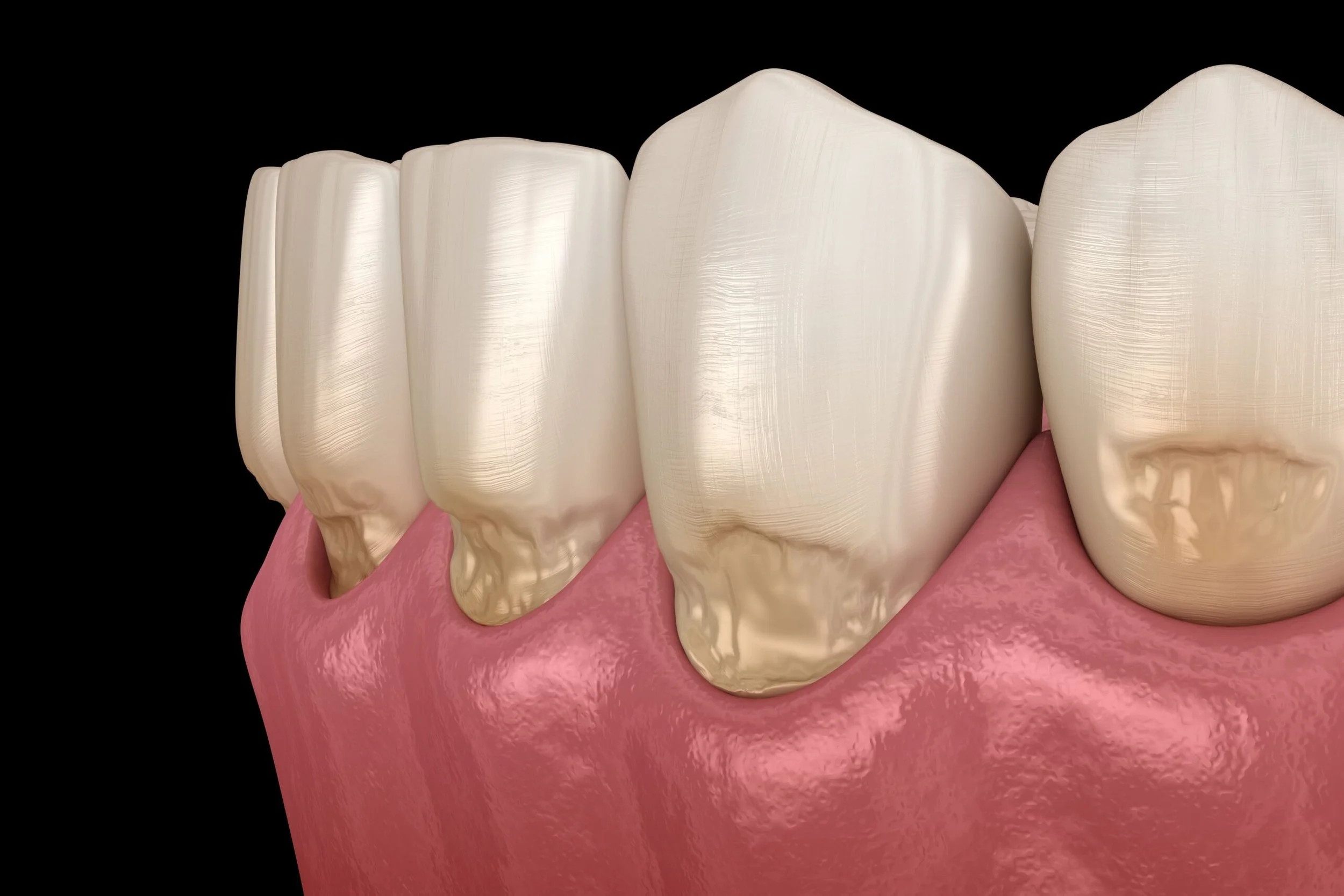
  • Receding gums

  • Loose teeth

  • Persistent bad breath

  • Gum pockets forming around teeth

  • Pain when chewing

This stage requires professional dental treatment to prevent tooth loss.

Symptoms of Gum Disease

Early detection is important. Common signs include:

  • Bleeding gums

  • Swollen or tender gums

  • Bad breath (halitosis)

  • Gum recession

  • Loose or shifting teeth

  • Pain while chewing

  • Changes in bite alignment

Many patients do not experience pain in early stages, which is why regular dental check-ups are essential.

How Gum Disease Is Treated

Treatment depends on severity.

Professional Cleaning

Removal of plaque and tartar above and below the gum line.

Deep Cleaning (Scaling & Root Planing)

Smooths tooth roots to help gums reattach.

Medications

Antibacterial rinses or local antibiotics may be used in some cases.

Surgical Treatment

In advanced cases, procedures may be required to:

  • Reduce gum pockets

  • Regenerate lost bone

  • Restore gum health

Can Gum Disease Be Reversed?

  • Gingivitis: Yes, usually reversible with good oral hygiene and professional cleaning

  • Periodontitis: Not fully reversible, but can be managed and controlled

Early treatment is key to preventing permanent damage.

Risk Factors for Gum Disease

You are more likely to develop gum disease if you:

  • Smoke or use tobacco

  • Have poor oral hygiene habits

  • Have diabetes

  • Experience high stress levels

  • Have a family history of gum disease

  • Do not visit the dentist regularly

How to Prevent Gum Disease

Prevention is the most effective approach.

Daily Oral Care

  • Brush twice daily with fluoride toothpaste

  • Floss or use interdental brushes daily

  • Use antibacterial mouthwash if recommended

Regular Dental Visits

Professional cleanings help remove hardened plaque and detect early signs.

Healthy Lifestyle

  • Quit smoking

  • Maintain a balanced diet

  • Control blood sugar levels if diabetic

Gum Disease and Overall Health

Gum disease is linked to overall health conditions, including:

  • Heart disease

  • Diabetes complications

  • Respiratory conditions

  • Pregnancy complications

This makes gum health an important part of overall wellbeing.

Frequently Asked Questions

Is gum disease common?

Yes, it is one of the most common oral health conditions worldwide.

Can gum disease cause tooth loss?

Yes, advanced periodontal disease can lead to tooth loss if untreated.

Does gum disease hurt?

Early stages are often painless, which is why it can go unnoticed.

How long does treatment take?

It depends on severity, ranging from a single cleaning session to ongoing periodontal therapy.

Conclusion

Gum disease is a progressive condition that can range from mild inflammation to severe infection affecting teeth and bone. Early detection and treatment are essential to prevent long-term damage and tooth loss.

Maintaining good oral hygiene and regular dental visits are the best ways to protect your gums and overall oral health.

Botox for TMJ Pain Relief: Does It Work for Jaw Tension and TMJ Disorder?

otox for TMJ Pain Relief: A Modern Treatment for Jaw Discomfort

Temporomandibular joint (TMJ) disorders are a common cause of jaw pain, headaches, teeth grinding, and facial tension. For patients who do not respond well to traditional treatments, Botox has become an increasingly popular option for relieving TMJ-related symptoms.

Botox is widely known for cosmetic use, but it also has therapeutic benefits for muscle-related conditions such as jaw clenching and TMJ dysfunction.

What Is TMJ Disorder?

Temporomandibular Joint Disorder refers to dysfunction in the jaw joint and surrounding muscles. It can affect one or both sides of the jaw and may vary in severity.

Common symptoms include:

  • Jaw pain or tenderness

  • Clicking or popping sounds when opening the mouth

  • Headaches or migraines

  • Ear pain or pressure

  • Difficulty chewing

  • Jaw locking or stiffness

  • Teeth grinding (bruxism)

How Botox Helps TMJ Pain

Botulinum toxin works by temporarily relaxing overactive muscles in the jaw, particularly the masseter and temporalis muscles.

When these muscles are overactive due to clenching or grinding, they can cause pain, inflammation, and joint stress.

Botox reduces muscle activity, which helps:

  • Decrease jaw tension

  • Reduce clenching and grinding

  • Relieve TMJ-related pain

  • Improve jaw function

  • Reduce associated headaches

What Happens During Botox Treatment for TMJ?

The procedure is relatively quick and minimally invasive.

Step-by-step process:

  1. Consultation and assessment

    • Jaw muscle evaluation

    • Discussion of symptoms and history

  2. Treatment planning

    • Identification of injection points in jaw muscles

  3. Botox injections

    • Small injections into the masseter and/or temporalis muscles

    • Usually completed within 10–20 minutes

  4. Post-treatment care

    • Normal activities can resume immediately

    • Full effect develops over 7–14 days

Benefits of Botox for TMJ Pain Relief

Reduces Jaw Pain and Tension

By relaxing overactive muscles, Botox helps reduce chronic discomfort.

Helps with Teeth Grinding (Bruxism)

Patients who clench or grind their teeth often experience reduced muscle activity.

Decreases Headaches

TMJ-related tension headaches may improve significantly.

Non-Surgical Treatment

No surgery or downtime is required.

Improves Quality of Life

Better jaw comfort can improve sleep, chewing, and daily function.

How Long Does Botox for TMJ Last?

Results are temporary but long-lasting:

  • Typically lasts 3 to 4 months

  • Some patients experience longer relief after repeated treatments

  • Regular maintenance sessions may be needed

Side Effects and Risks

Botox for TMJ is generally safe when performed by a qualified clinician, but possible side effects include:

  • Mild swelling or bruising at injection sites

  • Temporary jaw weakness

  • Difficulty chewing harder foods (rare)

  • Asymmetry in facial muscle strength (uncommon)

Serious complications are rare.

Who Is a Good Candidate for TMJ Botox?

You may benefit from Botox if you:

  • Have chronic jaw pain or tightness

  • Experience teeth grinding or clenching

  • Have not responded well to night guards or physiotherapy

  • Experience TMJ-related headaches

  • Want a non-surgical treatment option

A dental or medical assessment is required before treatment.

Botox vs Traditional TMJ Treatments

Night Guards

  • Protect teeth from grinding

  • Do not directly relax muscles

Physiotherapy

  • Improves jaw function and mobility

  • Requires ongoing exercises

Botox

  • Directly reduces muscle activity

  • Provides faster symptom relief

  • Temporary but effective for many patients

Often, Botox is used alongside other treatments for best results.

Frequently Asked Questions

Is Botox for TMJ painful?

Most patients report only mild discomfort during injections.

How quickly does it work?

Initial improvement may be noticed within a few days, with full results in 1–2 weeks.

Does Botox fix TMJ permanently?

No. It manages symptoms but does not cure underlying structural issues.

Can Botox change my face shape?

In some cases, long-term treatment may slim the jawline due to reduced muscle size.

Conclusion

Botox for TMJ pain relief is an effective, minimally invasive treatment option for patients suffering from jaw tension, clenching, and TMJ-related discomfort. By relaxing overactive jaw muscles, it can significantly reduce pain and improve daily function.

A professional assessment is essential to determine whether Botox is suitable as part of your TMJ treatment plan.

Smoking vs Oral Health: How Tobacco Affects Your Teeth, Gums, and Smile

Smoking vs Oral Health: What You Need to Know

Smoking is one of the most damaging lifestyle habits for oral health. While many people associate tobacco use with lung disease and heart problems, its impact on the mouth is often underestimated.

From stained teeth and persistent bad breath to gum disease and tooth loss, smoking significantly increases the risk of long-term dental problems and can reduce the success of dental treatments such as implants and surgery.

This article explains how smoking affects your teeth and gums, and why quitting is one of the most important steps for improving oral health.

How Smoking Affects Oral Health

Tobacco smoke contains thousands of chemicals, many of which directly harm oral tissues. Smoking reduces blood flow to the gums, weakens the immune system, and creates an environment where harmful bacteria can thrive.

Over time, these effects lead to visible and hidden damage inside the mouth.

1. Gum Disease and Smoking

One of the most serious oral health risks associated with smoking is gum disease, also known as periodontal disease.

Periodontal Disease occurs when bacteria build up around the teeth and gums, causing inflammation, infection, and tissue destruction.

Why smokers are at higher risk:

  • Reduced blood flow to gum tissue

  • Weakened immune response

  • Slower healing

  • Masked symptoms (less bleeding, making disease harder to detect)

Smokers are significantly more likely to develop advanced gum disease, which can lead to gum recession and tooth loss if untreated.

2. Tooth Staining and Discoloration

Nicotine and tar in cigarettes cause deep staining of teeth. Over time, teeth may turn yellow, brown, or even black in severe cases.

Unlike surface stains from food or drinks, smoking stains often penetrate deeper into enamel, making them harder to remove with regular brushing alone.

Professional whitening treatments may be needed, but results are often less predictable in heavy smokers.

3. Bad Breath (Halitosis)

Smoking is a major cause of chronic bad breath.

This happens due to:

  • Dry mouth caused by reduced saliva flow

  • Bacterial buildup

  • Chemical residue from tobacco

  • Gum infections

Even with good oral hygiene, smokers often experience persistent halitosis that can affect confidence and social interactions.

4. Delayed Healing After Dental Treatment

Smoking slows the body’s natural healing process. This is especially important after dental procedures such as:

  • Tooth extractions

  • Dental implant surgery

  • Gum surgery

  • Bone grafting

Nicotine restricts blood flow, reducing oxygen delivery to tissues. This increases the risk of:

  • Infection

  • Implant failure

  • Dry socket after extractions

  • Poor surgical outcomes

For this reason, many dentists strongly recommend stopping smoking before and after dental procedures.

5. Increased Risk of Tooth Loss

Because smoking accelerates gum disease and bone loss, it significantly increases the likelihood of tooth loss over time.

As supporting bone structures weaken, teeth become loose and may eventually fall out or require extraction.

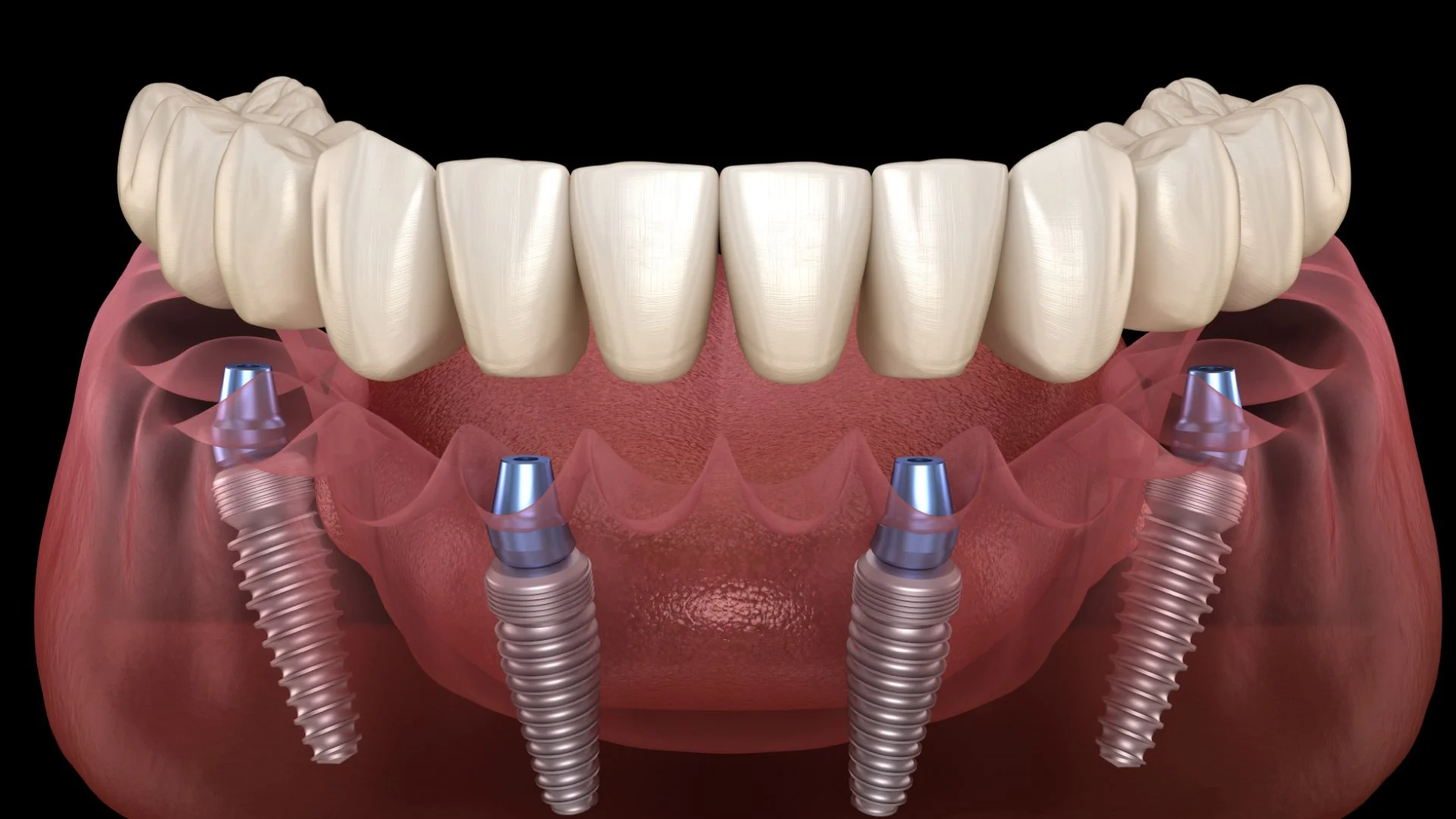
In severe cases, smokers may require full-mouth rehabilitation, including dentures or full-arch implant solutions.

6. Reduced Success of Dental Implants

Dental implants rely on a process called osseointegration, where the implant fuses with the jawbone.

Smoking interferes with this process by:

  • Reducing blood flow to bone tissue

  • Increasing infection risk

  • Slowing healing response

As a result, smokers have a higher risk of implant failure compared to non-smokers.

7. Oral Cancer Risk

Smoking is one of the major risk factors for oral cancer. It increases the likelihood of abnormal cell changes in the mouth, lips, tongue, and throat.

Early signs may include:

  • Persistent mouth ulcers

  • Lumps or thickened tissue

  • Unexplained bleeding

  • Difficulty swallowing

Regular dental check-ups are essential for early detection.

Smoking and Overall Dental Costs

Smoking not only affects oral health but also increases long-term dental expenses due to:

  • More frequent gum treatments

  • Higher risk of tooth replacement needs

  • Increased restorative work (crowns, bridges, implants)

  • Ongoing maintenance and hygiene visits

Preventing damage is significantly more cost-effective than treating advanced disease.

Can Quitting Smoking Improve Oral Health?

Yes. Quitting smoking has immediate and long-term benefits for your mouth.

Short-term improvements:

  • Better breath

  • Improved gum health

  • Reduced staining progression

Long-term improvements:

  • Lower risk of gum disease

  • Improved healing after dental procedures

  • Reduced risk of tooth loss

  • Improved implant success rates

Even after years of smoking, quitting can still significantly improve oral health outcomes.

Dental Care Tips for Smokers

If you currently smoke, these steps can help reduce oral health risks:

  • Brush twice daily with fluoride toothpaste

  • Floss or use interdental brushes daily

  • Visit your dentist regularly (every 6 months or more often if advised)

  • Consider professional cleanings to remove plaque and tartar

  • Stay hydrated to reduce dry mouth

  • Discuss smoking cessation support with your healthcare provider

Frequently Asked Questions

Does smoking always cause gum disease?

Not always, but it significantly increases the risk and severity of gum disease.

Can dental cleanings remove smoking stains?

They can reduce surface stains, but deeper discolouration may require whitening treatments.

Can smokers get dental implants?

Yes, but the risk of complications and implant failure is higher compared to non-smokers.

How soon does oral health improve after quitting smoking?

Some improvements can be seen within weeks, especially in gum health and breath freshness.

Conclusion

Smoking has a profound negative impact on oral health, affecting teeth, gums, breath, healing ability, and long-term dental stability. It significantly increases the risk of gum disease, tooth loss, and complications with dental treatments.

The good news is that quitting smoking can dramatically improve oral health at any stage, helping protect your smile and overall wellbeing for the future.