Jaw Pain That Won't Go Away: A Comprehensive Guide to TMD, TMJ Disorders, and When Your Jaw Becomes the Real Problem

If you've been experiencing persistent jaw pain, clicking sounds when you chew, or headaches that seem to have no clear cause, you may be dealing with a temporomandibular disorder (TMD). This common condition affects the jaw joint and surrounding muscles, and understanding it is the first step toward finding relief.

The temporomandibular joint (TMJ) acts like a sliding hinge, connecting your jawbone to your skull on each side of your face. When problems develop with these joints or the muscles that control jaw movement, it can affect everything from eating and speaking to sleeping and quality of life.

What Are TMJ Disorders?

TMJ disorders—often referred to simply as TMD—are a group of musculoskeletal and neuromuscular conditions affecting the jaw joint, chewing muscles, and surrounding nerves and ligaments. These conditions are more common than many people realize, affecting approximately 5% to 12% of the general population, with peak prevalence among adults aged 20 to 40 years.

The condition is particularly common among women, especially those in their early 20s and between ages 40 and 50. Nearly half of all people experience some form of jaw dysfunction at some point during their lives.

Common Symptoms of TMJ Disorders

TMJ disorders can present with a wide range of symptoms that sometimes seem unrelated to the jaw itself. Common signs include:

  • Pain or tenderness in the jaw, especially when eating

  • Aching pain in and around the ear

  • Difficulty chewing or pain while chewing

  • Aching facial pain

  • Clicking, popping, or grating sounds when opening your mouth or chewing (if pain accompanies these sounds, treatment is usually needed)

  • Locking of the joint, making it hard to open or close your mouth completely

  • Headaches, particularly in the temporal region

  • Neck and shoulder pain

  • Tinnitus (ringing in the ears)

Some people also experience tooth pain that occurs alongside jaw tenderness, or a feeling that their bite is "off" or uneven. Symptoms often worsen during periods of stress or anxiety.

What Causes Jaw Problems?

The exact cause of TMJ disorders is often difficult to determine, as most cases involve multiple contributing factors. Common causes and contributing factors include:

Muscle-Related Causes

The most common form of TMJ disorder involves muscle tension and fatigue, known as temporomandibular myofascial pain syndrome. This can result from:

  • Bruxism (teeth clenching or grinding), which can occur during sleep or while awake

  • Parafunctional habits such as persistent gum chewing, nail biting, or chewing on pens

  • Stress and anxiety, which often lead to increased muscle tension

Joint-Related Causes

Problems within the joint itself can include:

  • Internal joint derangement—when the disc inside the joint shifts out of its normal position, often causing clicking sounds or locking

  • Arthritis—including osteoarthritis (wear and tear), rheumatoid arthritis, or traumatic arthritis from injury

  • Injury or trauma to the jaw, head, or neck—including whiplash injuries that cause referred pain

Other Contributing Factors

Poor posture, particularly holding your head forward while using computers, can strain the muscles of the face and neck. Sometimes, systemic conditions like fibromyalgia, chronic fatigue syndrome, or migraine occur alongside TMJ disorders.

When to Seek Professional Help

You should consult a healthcare provider if you experience:

  • Constant pain or tenderness in your jaw that occurs suddenly or during jaw movements

  • Difficulty opening or closing your jaw completely

  • Symptoms that significantly interfere with eating, speaking, or daily activities

Healthcare professionals typically diagnose TMJ disorders through a combination of symptom discussion and physical examination, including listening to and feeling your jaw during movement and pressing on areas around your jaw to locate pain.

Treatment Approaches for TMJ Disorders

The good news is that most TMJ symptoms improve with conservative treatment. Current clinical guidelines strongly recommend starting with non-invasive, reversible therapies before considering more aggressive interventions.

Conservative Treatments (First-Line Options)

Self-Management and Lifestyle Changes:

  • Apply heat or cold packs to the affected area (15-20 minutes several times daily)

  • Eat soft foods and cut food into small pieces

  • Avoid chewing gum and sticky or chewy foods

  • Practice good resting jaw posture—teeth slightly apart, tongue gently resting on the palate

  • Avoid clenching your jaw or grinding your teeth when awake

  • Use gentle jaw stretching exercises

Non-Pharmacological Therapies:

  • Physical therapy—exercises to stretch and strengthen jaw muscles, often combined with massage

  • Oral splints or mouth guards—custom-fitted devices from a dentist that can reduce damage from bruxism

  • Behavioral therapy and counseling—to help identify and change habits that worsen symptoms

Medications (for short-term use):

  • Over-the-counter pain relievers and anti-inflammatories

  • Muscle relaxants for temporary relief

  • Low-dose tricyclic antidepressants to help control bruxism and improve sleep

Evidence suggests that non-pharmacological and combined conservative approaches provide more sustained improvements than medications alone, making them the preferred first-line treatment.

When Conservative Treatment Isn't Enough

For persistent symptoms that don't respond to conservative measures, additional options may include:

  • Arthrocentesis—a minimally invasive procedure that flushes fluid through the joint to remove inflammatory byproducts and debris

  • Injections—corticosteroid injections or, in some cases, botulinum toxin type A (Botox) may help

  • TMJ arthroscopy—a less invasive surgical procedure that can treat various joint issues

  • Open-joint surgery—considered only as a last resort when structural problems require repair or replacement

Research shows that combining approaches—such as arthrocentesis for immediate improvement with biological therapies like platelet-rich plasma (PRP) for longer-term pain relief—can be optimal for refractory cases.

Living with TMJ Disorders

For many people, TMJ symptoms improve within 6 to 12 months, even without aggressive treatment. The key to managing the condition effectively is consistency with self-care measures and early intervention.

Most patients benefit from a "supported self-management" approach—doing the right things at home every day to manage symptoms and prevent flare-ups. Being consistent with heat or cold therapy, massage, exercises, and dietary adjustments can make a significant difference over time.

Conclusion

TMJ disorders can significantly impact daily life, but they are generally manageable with the right approach. Starting with conservative, non-invasive treatments—including lifestyle modifications, physical therapy, and stress management—is recommended for most patients. If you're experiencing persistent jaw pain or related symptoms, consult with a healthcare professional who can help develop an appropriate treatment plan tailored to your specific situation.

What Should I Do If I Have a Broken or Chipped Tooth?

A chipped or broken tooth can happen suddenly and unexpectedly.

You may break a tooth while eating, playing sport or after an accident. In some cases, a tooth may break because it has already been weakened by decay, a large filling, grinding or previous dental treatment.

So, what should you do if you have a broken or chipped tooth?

The most important thing is to stay calm, protect the tooth and arrange a dental assessment.

What Should I Do Immediately After Breaking a Tooth?

If you break or chip a tooth, you should:

  • Rinse your mouth gently with warm water.

  • Remove any small pieces of tooth from your mouth.

  • If there is bleeding, apply gentle pressure with clean gauze.

  • Apply a cold compress to the outside of your face if there is swelling.

  • Avoid chewing on the affected side.

  • Keep any broken tooth fragments and bring them to your dentist.

  • Arrange a dental appointment as soon as possible.

If you experience severe pain, significant swelling or facial trauma, seek urgent dental assessment.

Can a Chipped Tooth Be Repaired?

In many cases, yes.

The appropriate treatment depends on:

  • How much of the tooth has broken

  • Whether the nerve is exposed

  • Whether the tooth is cracked

  • Whether the tooth has decay

  • The condition of the remaining tooth structure

Possible treatments may include:

  • Composite bonding

  • A filling

  • A dental crown

  • Root canal treatment

  • Dental extraction in severe cases

Your dentist will assess the tooth and discuss the most appropriate option.

What Is Composite Bonding?

A small chip may sometimes be repaired using tooth-coloured composite resin.

Composite bonding may be suitable for selected cases involving:

  • Small chips

  • Minor fractures

  • Damaged edges

The resin is shaped and bonded to the tooth to restore its appearance and function.

However, composite bonding may not be suitable for every broken tooth.

When Is a Dental Crown Needed?

A dental crown may be recommended when a significant amount of tooth structure has been lost.

A crown may help restore:

  • The shape of the tooth

  • The strength of the tooth

  • The ability to chew

The condition of the remaining tooth must be assessed before deciding whether a crown is appropriate.

Can a Broken Tooth Need a Root Canal?

Yes.

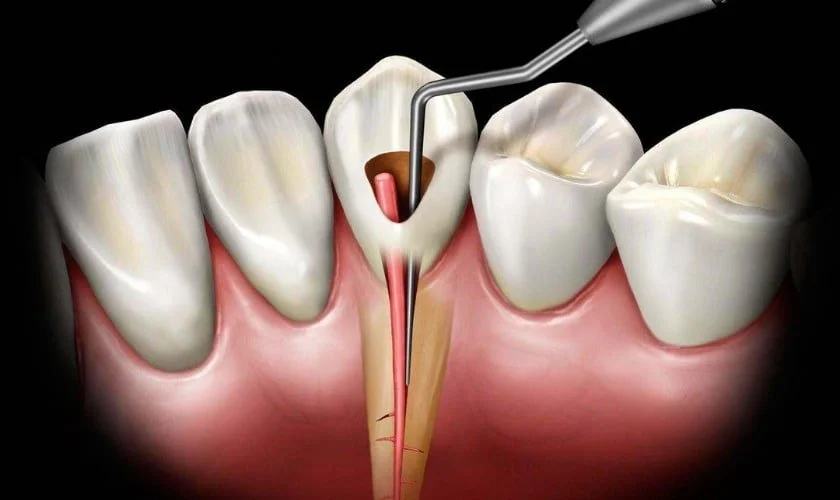
If the fracture extends into the inner part of the tooth and affects the dental pulp or nerve, root canal treatment may be required.

Possible symptoms of nerve involvement include:

  • Severe tooth pain

  • Sensitivity to hot or cold

  • Pain when biting

  • Throbbing pain

  • Spontaneous toothache

A broken tooth with an exposed or damaged nerve should be assessed promptly.

What If My Broken Tooth Does Not Hurt?

A broken tooth does not always cause pain.

However, the absence of pain does not necessarily mean that the tooth is healthy.

A fracture may weaken the tooth and allow bacteria to enter.

Some dental problems can also develop without obvious symptoms.

It is still important to arrange a dental assessment.

Can a Cracked Tooth Get Worse?

Yes.

A crack may extend further when the tooth is exposed to pressure from chewing.

This may cause more of the tooth to break.

If you suspect that a tooth is cracked, avoid chewing hard foods on that side until you can see your dentist.

Why Do Teeth Break?

Teeth can break for many different reasons.

Common causes include:

  • Tooth decay

  • Large fillings

  • Teeth grinding

  • Jaw clenching

  • Trauma

  • Biting hard foods

  • Weakened tooth structure

  • Age-related wear

A tooth that appears to break suddenly may have been weakened for some time.

Can Teeth Grinding Cause Broken Teeth?

Yes.

Teeth grinding and clenching can place significant forces on the teeth.

Over time, this may contribute to:

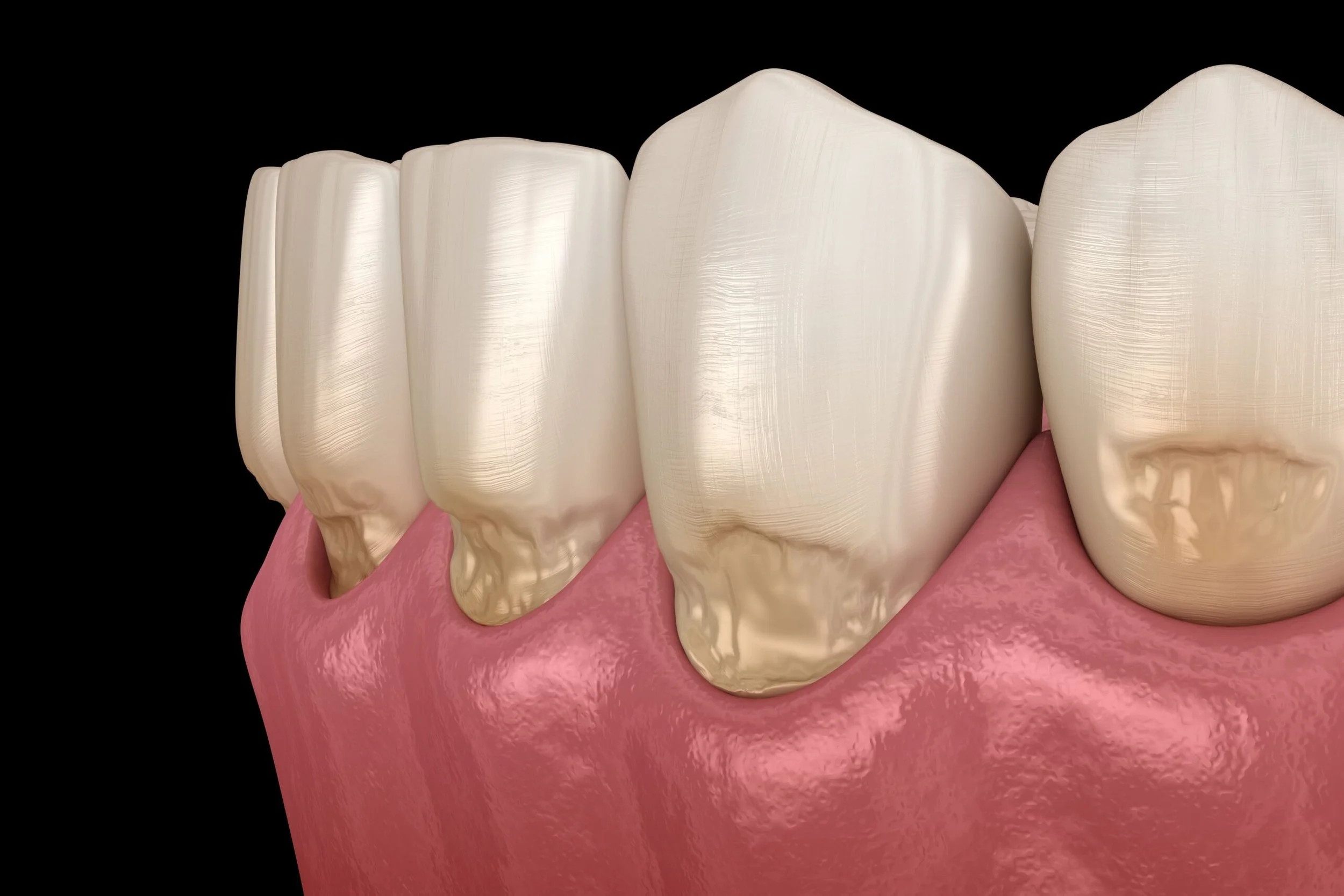
  • Cracks

  • Chips

  • Fractures

  • Tooth wear

  • Broken fillings

If you frequently break or chip teeth, your dentist may assess whether grinding or clenching is contributing to the problem.

What If I Have a Broken Tooth After an Accident?

If your tooth breaks after an accident, you should arrange a dental assessment as soon as possible.

A dental injury may involve more than just the visible part of the tooth.

The surrounding gums, jaw and other teeth may also be affected.

If you have experienced a significant facial injury, additional medical assessment may be required.

Can a Broken Tooth Be Treated Under Sedation?

Selected patients may be suitable for dental sedation.

This may be particularly helpful for patients who:

  • Have significant dental anxiety

  • Have experienced a traumatic injury

  • Require extensive treatment

  • Need multiple dental procedures

Depending on your individual needs, sedation options may include oral sedation or IV sedation.

Your medical history and treatment requirements must be assessed before sedation is recommended.

Can a Broken Tooth Be an Emergency?

A broken tooth may require urgent dental treatment, particularly if you have:

  • Severe pain

  • Significant swelling

  • Bleeding that does not stop

  • A visible fracture extending below the gum

  • An exposed nerve

  • Facial trauma

  • Difficulty swallowing or breathing

If you experience difficulty breathing or swallowing, seek emergency medical assistance.

What Should I Avoid After Breaking a Tooth?

Until you see your dentist, try to avoid:

  • Chewing on the affected tooth

  • Hard or crunchy foods

  • Very hot or cold foods if the tooth is sensitive

  • Touching the broken area unnecessarily

If the tooth has a sharp edge, avoid repeatedly touching it with your tongue.

How Quickly Should I See a Dentist?

The sooner a broken tooth is assessed, the better.

Some fractures may be relatively minor, while others may require urgent treatment.

Early assessment may help determine whether the tooth can be restored and prevent further damage.

Frequently Asked Questions

What should I do if I chip my tooth?

Rinse your mouth, keep any tooth fragments, avoid chewing on the affected side and arrange a dental appointment.

Is a chipped tooth a dental emergency?

It can be, depending on the severity of the damage and whether there is pain, swelling or nerve exposure.

Can a chipped tooth grow back?

No. Adult teeth do not naturally grow back. However, a dentist may be able to restore the damaged tooth.

Can a broken tooth be repaired?

Many broken teeth can be restored with treatments such as composite bonding, fillings, crowns or root canal treatment.

What if my broken tooth does not hurt?

You should still see a dentist. A painless fracture may still worsen or allow bacteria to enter the tooth.

Can I have treatment for a broken tooth under sedation?

Selected patients may be suitable for sedation, including patients with significant dental anxiety or those requiring extensive treatment.

Broken and Chipped Tooth Treatment in Sydney

A broken or chipped tooth should not be ignored, even if it does not hurt.

Early dental assessment can help determine the extent of the damage and whether the tooth can be repaired.

At Pain Free Dentist Sydney, we assess patients with broken teeth, chipped teeth, dental trauma and tooth pain.

Depending on the condition of the tooth, treatment may include composite restoration, crowns, root canal treatment or other restorative options.

For anxious patients or those requiring extensive treatment, sedation options may also be discussed where appropriate.

If you have broken or chipped a tooth, contact us to arrange an assessment.

📞 Call Pain Free Dentist Sydney on 9558 8988.

Serving patients in Dulwich Hill, Hurlstone Park and Sydney's Inner West.

Is Dental Treatment Painful? How Modern Dentistry Can Reduce Dental Anxiety

One of the most common questions patients ask before visiting the dentist is:

“Will dental treatment hurt?”

Fear of pain is one of the main reasons people delay dental treatment.

However, modern dentistry has many techniques and treatment options designed to improve patient comfort and help reduce dental anxiety.

Depending on your individual needs, this may include local anaesthetic, gentle treatment techniques, laser dentistry, sedation dentistry and IV sedation.

Is Dental Treatment Painful?

Dental treatment is not necessarily painful.

Modern dentistry uses local anaesthetic to numb the area being treated.

When the area is properly numb, many dental procedures can be performed with minimal or no pain during treatment.

You may still feel:

  • Pressure

  • Movement

  • Vibration

  • Water

  • Some sensations during treatment

However, the goal is to minimise discomfort as much as possible.

Why Are Some People Afraid of the Dentist?

Dental anxiety can develop for many reasons.

Common causes include:

  • A previous painful dental experience

  • Fear of needles

  • Fear of the dental drill

  • Fear of losing control

  • Fear of gagging

  • Embarrassment about the condition of the teeth

  • Anxiety about receiving bad news

  • A traumatic past experience

Some patients may avoid the dentist for years because of their fear.

Unfortunately, delaying dental treatment can sometimes allow dental problems to become more complex.

Can Dental Anxiety Make Treatment Feel Worse?

Anxiety can increase a person's sensitivity to discomfort.

When a person is nervous, they may become more aware of every sound, movement or sensation during treatment.

They may also tense their muscles and find it more difficult to relax.

For this reason, managing dental anxiety is an important part of creating a comfortable dental experience.

How Can Modern Dentistry Reduce Dental Anxiety?

There are several ways dental professionals can help anxious patients.

Communication and Control

Many anxious patients feel more comfortable when they understand what is happening.

Your dentist may explain:

  • What treatment is being performed

  • What sensations you may feel

  • How long the procedure may take

  • What to expect afterwards

Some patients also feel more comfortable agreeing on a hand signal to pause treatment if necessary.

Local Anaesthetic

Local anaesthetic is commonly used to numb the area being treated.

This can help minimise pain during procedures such as:

  • Fillings

  • Extractions

  • Root canal treatment

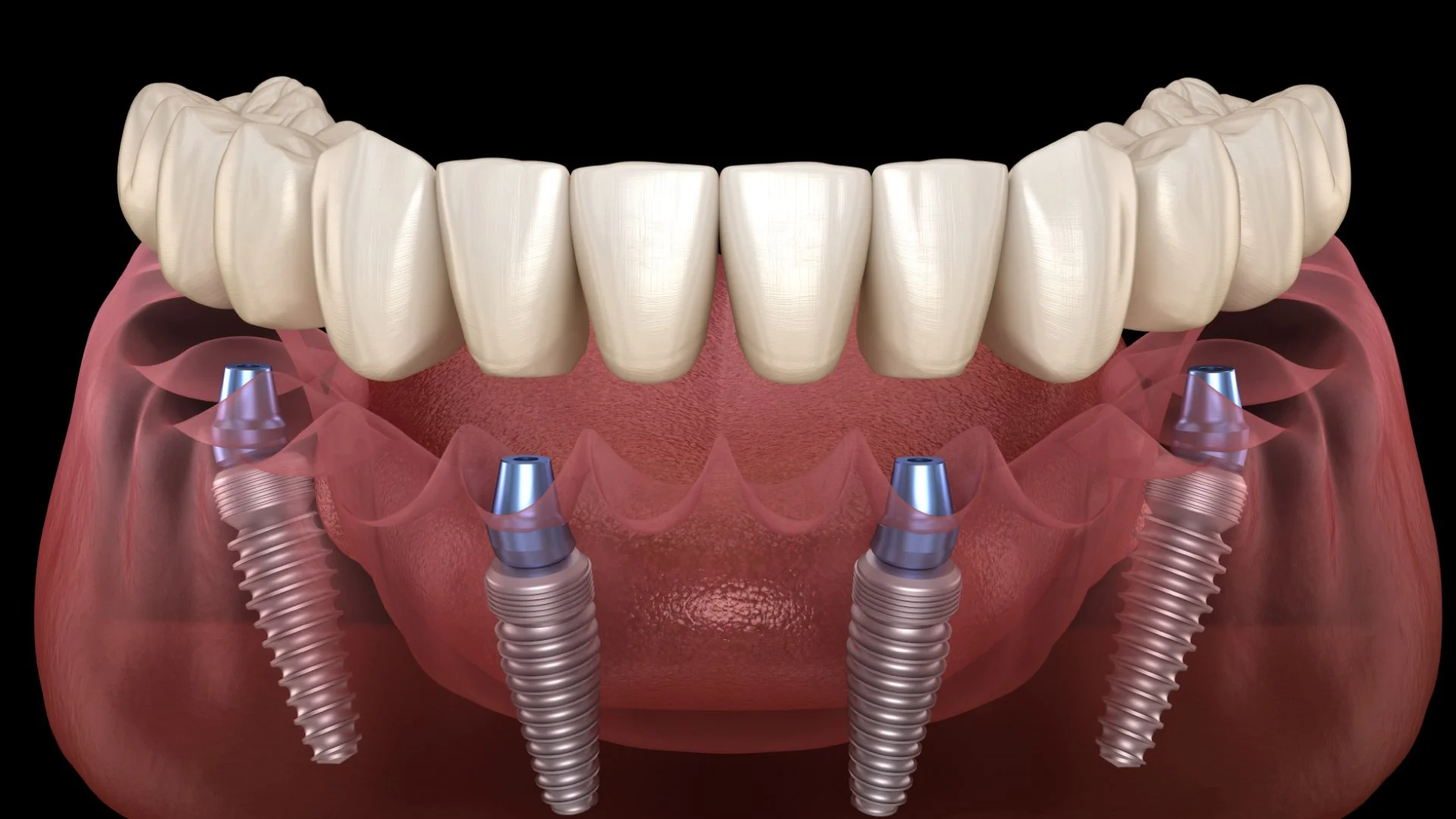
  • Dental implants

  • Gum treatment

Your dentist can discuss options to make the injection process more comfortable.

Gentle Dental Techniques

Modern dental techniques aim to improve patient comfort.

Your dentist may use careful treatment techniques and appropriate technology to help reduce unnecessary discomfort.

Laser Dentistry

Certain dental lasers may be used for selected dental procedures.

Laser dentistry may be suitable for some soft tissue treatments and other dental applications.

The suitability depends on the procedure and the patient's individual needs.

Sedation Dentistry

Sedation can help suitable patients feel more relaxed during dental treatment.

Depending on the patient and treatment requirements, sedation options may include:

  • Oral sedation

  • Nitrous oxide in selected circumstances

  • IV sedation

The appropriate option depends on the patient's health, medical history and planned dental treatment.

What Is IV Sedation Dentistry?

IV sedation involves administering sedative medication through an intravenous line.

The medication can help patients feel calm and relaxed during treatment.

Patients may remain responsive while feeling deeply relaxed.

Many patients also have limited memory of the procedure afterwards, although individual experiences vary.

IV sedation is not the same as general anaesthesia.

Who May Benefit From IV Sedation?

IV sedation may be considered for suitable patients who:

  • Have significant dental anxiety

  • Have a fear of dental treatment

  • Have had a traumatic dental experience

  • Require lengthy dental treatment

  • Need multiple procedures

  • Have a strong gag reflex

  • Have difficulty tolerating dental treatment

A medical and dental assessment is required to determine whether IV sedation is appropriate.

Can Sedation Make Dental Treatment Pain-Free?

Sedation is primarily used to help reduce anxiety and promote relaxation.

Local anaesthetic is generally used to numb the treatment area and manage pain during dental procedures.

The combination of appropriate sedation and local anaesthetic may help create a more comfortable experience for suitable patients.

Can I Be Sedated for Dental Implants?

Selected patients may be suitable for sedation during dental implant treatment.

This may be particularly helpful for patients who:

  • Are anxious about surgery

  • Require multiple implants

  • Need a longer procedure

  • Have previously avoided dental treatment

Your dentist can discuss the available options during your consultation.

Can I Have a Root Canal Under Sedation?

For selected patients, sedation may be considered for root canal treatment.

This may be particularly useful for patients with significant dental anxiety or who have difficulty tolerating dental procedures.

The treatment plan will depend on your individual dental and medical circumstances.

Can Sedation Help With a Fear of the Dentist?

Yes.

Sedation may help some patients feel calmer and more comfortable during dental treatment.

It may also help patients who have avoided dental care for a long time receive the treatment they need.

However, sedation is not suitable for everyone.

Your dentist will assess your medical history and treatment needs before recommending an appropriate option.

What Happens Before Sedation?

Before sedation, your dental team will discuss:

  • Your medical history

  • Your medications

  • Any allergies

  • Previous reactions to sedation or anaesthesia

  • The planned dental procedure

You will also receive specific instructions about preparing for your appointment.

These instructions may include fasting requirements.

Always follow the instructions provided by your dental team.

What Happens After IV Sedation?

After treatment, you will be monitored during the recovery period.

You may feel:

  • Sleepy

  • Tired

  • Drowsy

  • Less alert than usual

You should arrange for a responsible adult to accompany you home.

You should not drive after IV sedation.

Your dental team will provide specific post-treatment instructions.

Can Dental Anxiety Be Overcome?

Many patients find that their anxiety improves after having a positive dental experience.

A gradual approach may help.

This may involve:

  • Starting with a consultation

  • Discussing your concerns

  • Agreeing on communication signals

  • Beginning with simple treatment

  • Considering sedation where appropriate

The best approach depends on the individual patient.

What If I Have Not Seen a Dentist for Years?

You are not alone.

Many patients delay dental treatment because of fear, embarrassment or anxiety.

A dental consultation is an opportunity to discuss your concerns without immediately committing to extensive treatment.

Your dentist can assess your oral health and explain your options.

When Should I Seek Dental Treatment?

You should seek dental care if you experience:

  • Tooth pain

  • Tooth sensitivity

  • Swelling

  • Bleeding gums

  • Broken teeth

  • Difficulty chewing

  • Jaw pain

Delaying treatment may allow dental problems to become more complex.

If you are anxious, let your dental team know before your appointment.

Frequently Asked Questions

Is dental treatment painful?

Modern dentistry uses local anaesthetic and other techniques to help reduce pain and discomfort during treatment.

Can I have dental treatment if I am very anxious?

Yes. Depending on your individual needs, options such as sedation dentistry or IV sedation may be considered.

Does IV sedation put me completely to sleep?

IV sedation is generally different from general anaesthesia. Patients may remain responsive while feeling deeply relaxed.

Can I have dental implants under sedation?

Selected patients may be suitable for sedation during dental implant treatment.

Can I have a root canal under sedation?

Sedation may be considered for suitable patients who experience significant dental anxiety or difficulty tolerating dental treatment.

Is sedation safe?

Sedation may be appropriate for suitable patients following an appropriate medical assessment and when administered by appropriately qualified professionals.

Comfortable Dental Treatment and Sedation Dentistry in Sydney

Dental treatment does not need to be an experience you fear.

Modern dentistry offers a range of techniques designed to improve comfort and help anxious patients receive the treatment they need.

At Pain Free Dentist Sydney, we provide dental care for patients who experience dental anxiety or require complex dental treatment.

Depending on your individual needs, treatment may include local anaesthetic, gentle dental techniques, laser dentistry, sedation dentistry or IV sedation.

If fear or anxiety has prevented you from visiting the dentist, contact us to discuss your concerns and treatment options.

📞 Call Pain Free Dentist Sydney on 9558 8988.

Serving patients in Dulwich Hill, Hurlstone Park and Sydney's Inner West.