
Root Canal Treatment: What You Need to Know

If you've been told you need a root canal, you might be feeling anxious. Few dental procedures carry as much anxiety and misinformation as root canal treatment. But here's the truth—modern root canal therapy is a straightforward, virtually painless procedure that can save your natural tooth and relieve severe pain. Let's separate fact from fiction and help you understand what this common treatment actually involves.

What Is a Root Canal?

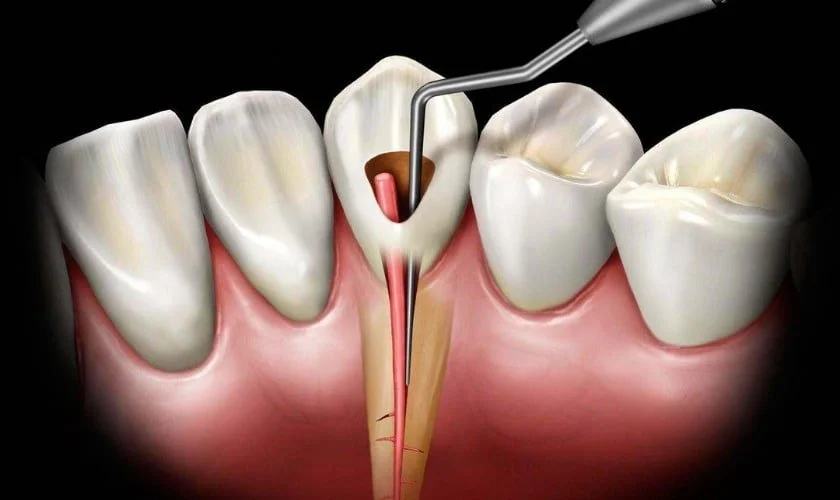
A root canal is a dental procedure designed to save a tooth that has become severely infected or damaged. Beneath the hard outer layers of your tooth—the enamel and dentin—lies a soft inner tissue called the pulp. This pulp contains nerves, blood vessels, and connective tissue that help your tooth grow and develop during childhood.

When the pulp becomes infected or inflamed due to deep decay, repeated dental procedures, cracks, chips, or trauma, it needs to be removed to save the tooth. A root canal involves removing this damaged pulp, cleaning and disinfecting the inside of the tooth, and sealing it to prevent further infection.

The term "root canal" actually refers to the natural cavity within the centre of your tooth. The procedure is properly called endodontic treatment, but most people simply call it a root canal.

Signs You Might Need a Root Canal

How do you know if you might need a root canal? Common symptoms include:

Persistent pain – This may be constant or come and go. The pain might be dull, aching, or sharp, and it often worsens when you bite down or apply pressure.

Sensitivity to hot and cold – If your tooth hurts when you drink hot coffee or eat ice cream, and the pain lingers long after the temperature stimulus is removed, this can indicate nerve damage.

Swollen or tender gums – Swelling around the affected tooth, sometimes with a small bump or pimple on the gum, can signal infection.

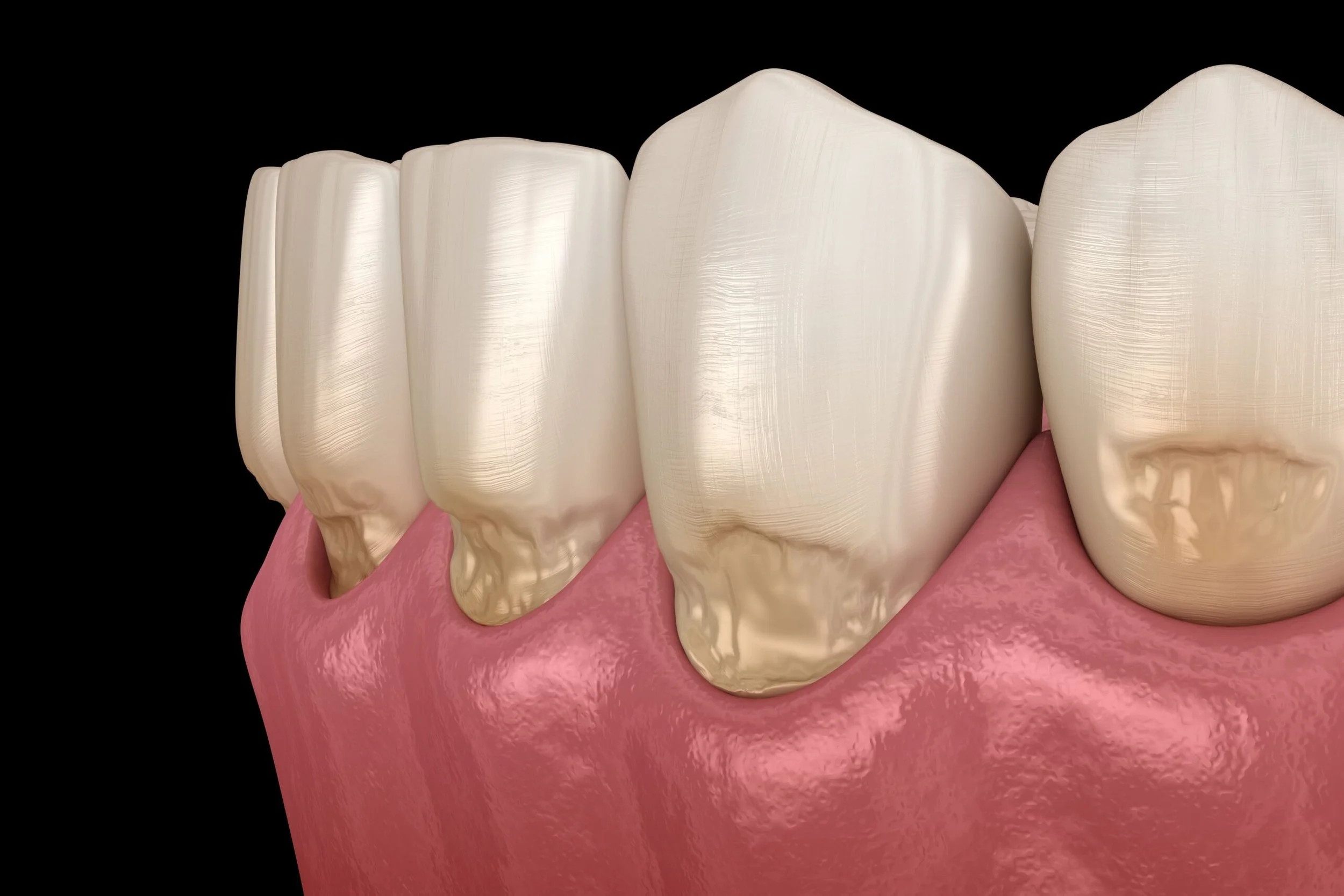
Tooth discolouration – A tooth that becomes dark or greyish may indicate nerve death.

Cracked or chipped tooth – Damage that exposes the pulp can allow bacteria to enter and cause infection.

Pain when eating – Discomfort when chewing or applying pressure can be a sign.

Prolonged sensitivity – If hot or cold sensitivity lasts more than a few seconds, the pulp may be inflamed or dying.

It's important to note that sometimes there are no symptoms at all, which is why regular dental check-ups are essential.

What Happens During a Root Canal?

Understanding the process can help ease your anxiety. A root canal is typically completed in one or two appointments, depending on the complexity of your case.

Step 1: Anaesthesia and Preparation

Your dentist or endodontist begins by numbing the area with local anaesthetic. This ensures you feel no pain during the procedure. If you have dental anxiety, sedation options may also be available to help you relax.

A rubber dam is placed around the tooth to isolate it and keep it dry and free from saliva during treatment.

Step 2: Access and Cleaning

A small opening is made in the top of your tooth to access the pulp chamber and root canals. Using tiny, specialised instruments called files, the dentist carefully removes the damaged pulp and cleans the inside of the tooth. The canals are shaped and disinfected to eliminate any bacteria.

Step 3: Filling and Sealing

Once the canals are thoroughly cleaned and dried, they are filled with a biocompatible material called gutta-percha. This rubber-like material seals the canals to prevent bacteria from re-entering. The access opening is then temporarily sealed.

Step 4: Restoration

After your root canal treatment is complete, your tooth will need a final restoration—usually a crown or filling—to protect it and restore full function. This is typically done in a separate appointment. A crown is often recommended because the tooth becomes more brittle after the pulp is removed and needs the extra strength and protection.

Is a Root Canal Painful?

This is the most common question patients ask, and the answer might surprise you. Root canal treatment itself is not painful. The procedure is performed under anaesthesia, so you should feel no pain during treatment. In fact, many patients compare the experience to having a standard filling.

The pain associated with root canals comes from the infection and inflammation that makes the treatment necessary. A root canal actually relieves pain by removing the source of the problem.

After the procedure, you may experience some mild tenderness or sensitivity for a few days, particularly if you had significant infection before treatment. This can usually be managed with over-the-counter pain relievers. Most patients return to normal activities the next day.

Root Canal vs. Tooth Extraction

When faced with a severely damaged or infected tooth, you have two main options: root canal treatment or extraction. Here's why saving your natural tooth is almost always the better choice.

Root canal treatment preserves your natural tooth, maintaining your ability to chew and bite normally. It also preserves the natural alignment of surrounding teeth, preventing them from shifting out of position. The procedure is also more cost-effective in the long run, as replacing an extracted tooth with an implant or bridge can be significantly more expensive.

Tooth extraction, by contrast, can lead to bone loss in the jaw, misalignment of adjacent teeth, and challenges with eating and speaking. While dental implants are excellent replacements, nothing functions quite like your natural tooth.

How Long Does a Root Canal Take?

Most root canal treatments take between one and two hours to complete, depending on the complexity of your tooth. Molars typically take longer than front teeth because they have more canals to treat. Many root canals are completed in a single visit, but some cases may require two appointments, particularly if there is significant infection or complex anatomy.

Recovery and Aftercare

Recovery from a root canal is usually straightforward. Here are some tips to ensure a smooth healing process:

Manage discomfort – Over-the-counter pain relievers like ibuprofen or paracetamol can help with mild tenderness. Your dentist may prescribe medication if needed.

Eat carefully – Stick to soft foods and avoid chewing on the treated side until your final restoration is placed.

Keep it clean – Continue brushing and flossing as normal, being gentle around the treated area.

Complete your restoration – Return for your crown or filling as scheduled. Delaying this step can leave your tooth vulnerable to fracture or re-infection.

Attend follow-ups – Regular check-ups allow your dentist to monitor the healing and ensure everything is progressing well.

What Happens if You Don't Get a Root Canal?

Delaying or avoiding root canal treatment can have serious consequences. An untreated infected tooth can lead to:

  • Severe pain that may worsen over time

  • Abscess formation, which is a pocket of pus that can cause swelling and further infection

  • Spread of infection to surrounding tissues, the jawbone, or even other parts of the body

  • Loss of the tooth, which may require more complex and expensive replacement options

Early intervention is always better. The longer you wait, the more challenging and costly treatment can become.

Root Canal Myths Debunked

Myth: Root canals cause illness

This belief stems from outdated and thoroughly debunked research from nearly a century ago. No credible scientific evidence supports any link between root canals and systemic disease.

Myth: Root canals are painful

As discussed, the procedure itself is performed under anaesthesia and is not painful. Modern techniques have made root canal treatment comfortable and efficient.

Myth: It's better to just pull the tooth

Preserving your natural tooth should always be the priority. Extraction leads to a cascade of issues including bone loss, shifting teeth, and the need for replacement.

Myth: Root canals require many appointments

Most root canals are completed in one or two visits.

Myth: After a root canal, the tooth is dead

While the nerve tissue is removed, the tooth remains functional and can still be used for biting and chewing.

Choosing the Right Provider

When considering root canal treatment, you'll typically see either your general dentist or an endodontist. Endodontists are specialists who focus exclusively on the diagnosis and treatment of tooth pulp and root conditions. They have advanced training and often have access to specialised equipment like dental microscopes for precision treatment.

Your dentist can help determine which provider is best suited for your specific needs.

Frequently Asked Questions

How long does a root canal last?
With proper care and restoration, a root canal-treated tooth can last a lifetime.

Can I drive after a root canal?
Yes, unless you've had sedation, you can drive yourself home after your appointment.

Will I need a crown after a root canal?
Most back teeth require crowns for protection. Front teeth may only need a filling, depending on the case.

What if my root canal fails?
Treatment failure is uncommon but can happen. Retreatment or apicoectomy (surgical removal of the root tip) may be recommended in some cases.

Conclusion

Root canal treatment is a safe, effective, and routine procedure that saves millions of teeth every year. If you're experiencing tooth pain or have been told you need a root canal, don't delay seeking treatment. Modern dentistry has made this procedure comfortable and highly successful, allowing you to preserve your natural smile.

If you have concerns or questions about root canal treatment, speak with your dentist. They can provide personalised information based on your specific situation.

Disclaimer: This article is for informational purposes only and does not constitute medical advice. Always consult with a qualified healthcare provider for diagnosis and treatment of any health condition.


Dental Implants Sydney: Your Complete Guide to Restoring Your Smile

Missing teeth can affect more than just your smile—they can impact your ability to eat, speak, and feel confident. If you're in Sydney and considering tooth replacement options, dental implants offer a permanent, reliable, and natural-looking solution that has become the gold standard in restorative dentistry.

What Are Dental Implants?

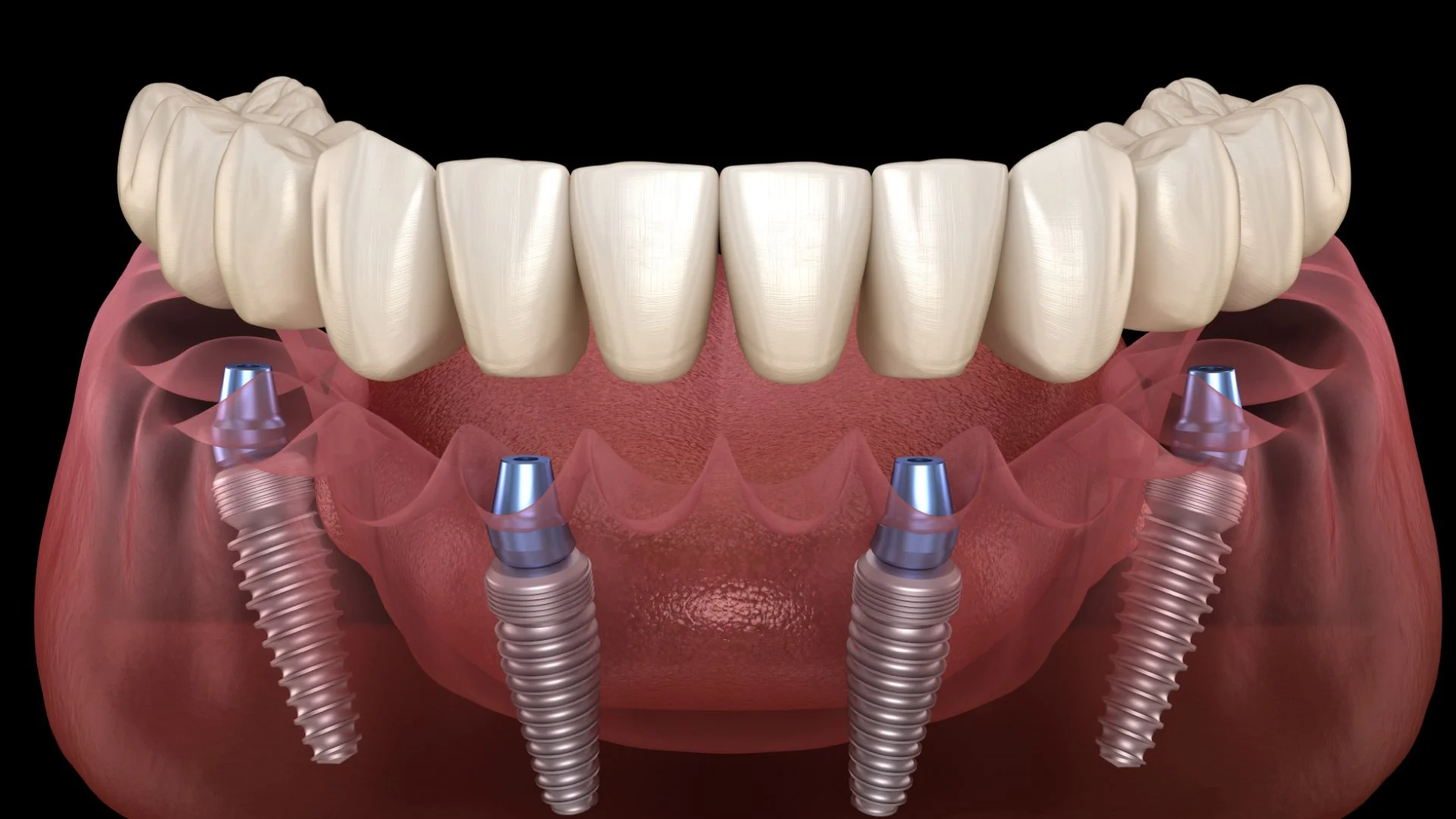
Dental implants are small titanium posts surgically placed into your jawbone to act as artificial tooth roots. Once the implant integrates with the bone through a process called osseointegration, it creates a strong and stable foundation for a crown, bridge, or denture. Each implant is custom-designed to match the shape and colour of your natural teeth, ensuring a seamless appearance.

Why Choose Dental Implants?

Sydney patients are increasingly choosing dental implants over traditional options like bridges or dentures for several compelling reasons:

Long-lasting solution – With proper care, implants can last decades, and many patients find they last 10 to 25 years or more. Some cases even last a lifetime with diligent maintenance.

Natural look and feel – Implants look, feel, and function like real teeth, restoring both aesthetics and chewing ability.

Bone preservation – Unlike dentures, implants stimulate the jawbone, preventing the bone loss and facial sagging that typically occurs after tooth loss. The implant acts like a natural tooth root, helping maintain jawbone strength.

Protect surrounding teeth – Unlike dental bridges, implants don't require grinding down adjacent healthy teeth for support.

Secure and comfortable – No slipping or discomfort like traditional dentures. Implants are anchored directly into your jawbone, providing stability and strength.

Am I a Candidate for Dental Implants?

Ideal candidates are healthy individuals with sufficient bone density and healthy gums. If you have experienced bone loss, bone grafting procedures may be recommended before implant placement. Smokers, diabetics, or patients with gum disease may need additional assessment and treatment to ensure implant success. A thorough consultation with an experienced implant dentist will determine your suitability.

The Implant Process: What to Expect

Most Sydney clinics follow a structured, multi-stage process for dental implant treatment:

1. Consultation and Planning

Your journey begins with a comprehensive clinical examination, supported by advanced 3D imaging technology like CBCT scans. This assessment evaluates bone architecture, tissue health, and anatomical considerations to support precise treatment planning. Your dentist will review your dental and medical history, discuss your goals, and determine if implants are suitable.

2. Implant Surgery

The titanium post is surgically placed into your jawbone under local anaesthetic or sedation, depending on your comfort needs. Most procedures are completed in 1 to 2 hours. Many Sydney clinics offer sedation options, including twilight and general anaesthesia, for patients with dental anxiety.

3. Healing and Osseointegration

A healing period of 3 to 6 months is typically required for the bone to grow around the implant and create a strong foundation. During this time, a healing cap protects the implant while integration occurs.

4. Abutment and Crown Placement

Once healing is complete, a small connector called an abutment is attached to the implant. Finally, a custom-made ceramic crown is secured to match your natural teeth in shape and colour.

Implant Options in Sydney

Sydney clinics offer a full spectrum of implant solutions to meet different needs:

Single tooth implants – Replace one missing tooth with a natural-looking crown.

Multiple teeth or implant bridges – For several missing teeth, implants can support custom-designed bridges.

Full arch solutions (All-on-4 or All-on-X) – A fixed solution using four to six implants per arch to support a full row of teeth, ideal for patients missing most or all teeth.

Zirconia implants – A metal-free alternative gaining popularity in Sydney for its strength, aesthetic appeal, and biocompatibility. Zirconia avoids the grey shadow that can sometimes appear near the gum line with metal implants.

Caring for Your Dental Implants

Long-term success depends on everyday habits and ongoing maintenance. Dental implants require the same care as natural teeth:

  • Regular brushing and flossing around the implant

  • Using a Waterpik or water flosser to remove food and bacteria

  • Attending regular dental check-ups for professional monitoring

  • Avoiding smoking, which can compromise healing and long-term success

  • Avoiding chewing extremely hard objects like ice

How Long Do Dental Implants Last?

Dental implants are designed to be a permanent solution, with success rates typically around 95 to 98%. Longevity depends on factors like oral hygiene, smoking habits, overall health, and bone quality. With proper care, many patients enjoy their implants for decades.

Choosing the Right Implant Dentist in Sydney

Selecting an experienced implant dentist is key to achieving the best results. Look for clinics that use certified implants, accredited local dental laboratories for crown fabrication, and advanced digital planning tools. Sydney offers a range of expert implant providers across the city, from the CBD to the North Shore, with many clinics completing treatment entirely on-site from consultation through to final restoration.


Dental IV Sedation: The Complete Guide to Stress-Free Dentistry

For millions of people worldwide, the thought of visiting the dentist triggers genuine fear and anxiety. If the sound of a dental drill makes your palms sweat or you've been avoiding necessary dental work for years, you're not alone. Dental anxiety affects approximately 36% of the population, with about 12% experiencing extreme fear that prevents them from seeking care.

The good news? Modern dentistry offers a safe, effective solution: intravenous (IV) sedation. This powerful yet gentle approach can transform your dental experience from a source of dread into a calm, comfortable, and often forgettable event.

What Exactly Is Dental IV Sedation?

Intravenous sedation involves delivering sedative medication directly into your bloodstream through a small plastic tube (cannula) placed in a vein, typically in your arm or the back of your hand. But here's what most people don't understand—it's not the same as being "put to sleep" for surgery.

Understanding Conscious Sedation

IV sedation is a form of conscious sedation, meaning you remain awake throughout your procedure. However, the experience feels entirely different from being fully alert.

You're deeply relaxed. Most patients describe feeling profoundly calm, drowsy, and completely detached from what's happening around them. You can still respond to instructions like "open your mouth" or "turn your head," but you simply don't care about what's happening. Many patients believe they were asleep during the procedure, even though they were technically awake. The medication creates "anterograde amnesia," meaning your brain doesn't form memories during the procedure. For most patients, the appointment feels like it lasted only a few minutes, even if it took hours.

Rapid Onset, Precise Control

One of the greatest advantages of IV sedation is its speed and adjustability. Effects begin within seconds of administration. Your dentist can continuously adjust the sedation level throughout your procedure, ensuring precise control. The depth of sedation is carefully managed, guaranteeing you're comfortable enough for even the most complex treatments.

How IV Sedation Compares to Other Options

Nitrous Oxide (Laughing Gas)

This is inhaled through a mask and provides mild to moderate sedation. It wears off quickly, and you can usually drive yourself home afterward. It's best for mild anxiety or quick procedures.

Oral Sedation (Pills)

You swallow a pill, usually a benzodiazepine, which provides mild to moderate sedation. It's easy to administer but the effect is less controllable. You'll need a driver, and it's best for moderate anxiety.

IV Sedation

Medication is delivered directly into your bloodstream, providing moderate to deep sedation. It's fast-acting, adjustable, and offers profound amnesia. It's best for severe anxiety, lengthy procedures, or complex dental work.

General Anaesthesia

This involves full unconsciousness, either through inhaled or IV medication. It requires an anaesthetist and is typically reserved for major surgery where you need to be completely unaware.

What Medications Are Used for IV Sedation?

Dental professionals use several medications, either alone or in combination, to achieve optimal sedation and comfort.

Midazolam is the traditional standard. This benzodiazepine has been the workhorse of dental IV sedation for decades. It provides reliable and predictable anxiety relief, excellent anterograde amnesia, and has a proven safety record in dental settings.

Remimazolam is a newer option that represents a significant advancement in dental sedation. It offers ultra-fast onset, taking effect in approximately 3.8 minutes. Recovery is rapid, with patients typically recovering within 47 to 49 minutes on average. Most patients can leave the clinic within 60 to 90 minutes of completion. Research shows it maintains stable heart rate and blood pressure, even in patients with higher medical risk classifications.

Fentanyl is a synthetic opioid sometimes combined with midazolam to provide pain relief alongside sedation. It enhances comfort during particularly painful procedures and allows for lower doses of each medication through a synergistic effect.

Who Should Consider IV Sedation?

IV sedation isn't for everyone, but it's life-changing for many patients.

You may be a good candidate if you have severe dental anxiety or phobia. If your fear has caused you to delay or avoid dental care, IV sedation can help you finally get the treatment you need. It's also excellent if you have a strong gag reflex that makes routine cleanings and X-rays difficult or impossible.

If you need extensive or complex procedures like multiple root canals, extractions, or full-mouth reconstructions, these can often be completed in fewer appointments with IV sedation. Some patients have difficulty getting numb and require larger amounts of local anaesthetic. IV sedation helps relax you, making the anaesthetic more effective.

For those with busy schedules, complex work can often be completed in one longer, sedated visit rather than multiple appointments. IV sedation is also valuable for patients with special needs, including cognitive disabilities or movement disorders that make cooperation challenging.

Important Considerations

IV sedation may not be recommended if you have certain heart or lung conditions, severe liver or kidney disease, glaucoma or certain neurological conditions, allergies to specific sedative medications, or a history of substance misuse or abuse. This is why a thorough medical consultation is essential before proceeding.

Safety and Monitoring: Your Well-Being Comes First

Safety is the foundation of dental IV sedation. When performed by trained professionals in appropriate clinical settings, IV sedation is remarkably safe.

Continuous Monitoring

Throughout your entire procedure, your vital signs are monitored continuously. Your blood pressure is checked regularly to detect any significant changes. Your heart rate and rhythm are monitored via ECG. A pulse oximeter on your finger ensures you're breathing adequately by tracking your oxygen saturation. Your respiratory rate is also observed throughout.

Emergency Preparedness

Your dental team is comprehensively trained to manage any potential complications. This includes recognising early warning signs of complications, maintaining emergency equipment and medications onsite, administering reversal agents if needed to bring you out of sedation safely, and performing advanced life support if necessary.

Common Side Effects

While generally well-tolerated, you may experience drowsiness and dizziness, which are expected and temporary. Temporary memory loss of the procedure is actually a desired effect. You might have some bruising or tenderness at the injection site. Nausea is less common, especially if fasting instructions are followed. Some patients experience a slow heart rate or slight drop in blood pressure, but these are monitored and managed by your clinical team.

Serious complications are extremely rare when safety protocols are followed.

The Day of Your Appointment: What to Expect

Before Your Procedure

Your journey begins with a pre-appointment consultation. Your dentist or sedation specialist will review your complete medical and dental history, discuss your current medications, supplements, and allergies, explain the procedure and answer all your questions, and obtain your informed consent.

For your safety, you'll need to prepare properly. Fast for 6 hours before your appointment, meaning no food or liquids except possibly small sips of water for medications. Arrange for a responsible adult to accompany you to the appointment and stay for the duration. Ensure your driver can take you home and stay with you for several hours afterward. Wear comfortable, loose clothing with short sleeves for easy IV access. Avoid alcohol for 24 hours before and smoking for at least 12 hours before.

During Your Procedure

The IV is placed first. A small cannula is inserted into a vein, usually in your arm or hand. This may pinch briefly, but it's usually not painful. Sedation begins as the medication is slowly introduced. You may feel a sense of warmth or a floating sensation. Within minutes, you'll feel calm and detached from the procedure.

Your dentist administers local anaesthetic, though you may not even remember this happening. Treatment proceeds while you remain responsive to simple instructions but deeply relaxed throughout. Once the procedure is complete, the IV is removed, and you move to a recovery area where your vital signs are monitored until you're stable and ready for discharge.

After Your Procedure

The sedative effects can last for several hours. For your safety, you cannot drive for at least 24 hours after receiving IV sedation. Your adult companion must drive you home and remain with you. Rest and relax for the remainder of the day. Avoid operating machinery, making important decisions, or signing legal documents. Start with soft foods if you eat, and stay hydrated with clear fluids. Avoid alcohol and other sedatives for 24 hours. Call your dentist if you experience unexpected symptoms like severe nausea, prolonged dizziness, or difficulty breathing.

Many patients feel perfectly fine within a few hours but should still avoid driving or operating machinery until the following day.

The Anxiety-Dental Care Connection

Understanding why IV sedation is so effective requires acknowledging how deeply dental anxiety affects people. For many, this fear isn't rational—it's visceral and overwhelming. It may stem from a traumatic childhood experience, fear of needles or pain, feeling of losing control, or embarrassment about the condition of their teeth.

This anxiety creates a vicious cycle. Fear leads to avoidance, avoidance leads to deteriorating dental health, and deteriorating health leads to more complex and invasive treatments, which in turn fuels more fear. IV sedation breaks this cycle by allowing patients to receive necessary care without the psychological trauma.

Frequently Asked Questions

Will I feel any pain during the procedure?
No. You'll receive local anaesthetic to numb the treatment area, just like in a regular dental visit. The sedation helps you relax so the injections are less noticeable, and you remain comfortable throughout.

Will I say anything embarrassing?
This is a common concern, but unlikely. IV sedation works differently from alcohol or other substances that lower inhibitions. Most patients are simply quiet and relaxed, not talkative or uninhibited.

How long does the sedation last?
The IV medication is continuously titrated throughout your procedure, so the sedation lasts exactly as long as needed. Once the IV is removed, you begin waking up within minutes, though residual drowsiness can last for hours.

Is IV sedation safe for children?
Yes, when administered by qualified professionals. However, it's typically reserved for older children and teenagers who can cooperate with IV placement. Younger children may benefit more from other sedation methods.

Can I eat before my appointment?
No. You must fast for at least 6 hours before your appointment to prevent complications like aspiration if you vomit.

How much does IV sedation cost?
Costs vary widely depending on your location, the duration of the procedure, and the specific medications used. Many dental insurance plans cover some portion of sedation costs, particularly if it's medically necessary for your treatment.

Taking the Next Step

If dental anxiety has been keeping you from achieving the oral health you deserve, IV sedation could be the solution you've been looking for. The first step is a consultation with a qualified dental professional who can evaluate your specific needs and determine if IV sedation is appropriate for you.

Remember, you're not alone in your fear, and there's no shame in seeking help. Modern dentistry has evolved to prioritise patient comfort and experience alongside clinical excellence. With IV sedation, you can finally get the care you need without the stress and fear that has held you back.

Disclaimer: This article is for informational purposes only and does not constitute medical advice. Always consult with a qualified healthcare provider for diagnosis and treatment of any health condition. Individual results and experiences with IV sedation may vary.