Why Dental Implants Are the Best Decision You'll Ever Make for Your Smile

Let us start with a simple truth: losing a tooth feels personal. It affects how you eat, how you speak, and—let us be honest—how you feel about yourself when you look in the mirror. That little gap can feel enormous, and it chips away at your confidence in ways nobody else can see.

But here is the good news: you do not have to live with that feeling. Dental implants are not just a treatment. They are a transformation. They give you back something you may have thought was gone forever—your smile, your function, and your freedom.

And the results? They are nothing short of remarkable.

Rediscovering the Joy of Eating

Do you remember what it felt like to bite into a crisp apple without thinking twice? Or to enjoy a juicy steak at a restaurant without worrying about your dentures slipping? For many people with missing teeth, these simple pleasures become distant memories.

Dental implants change all of that.

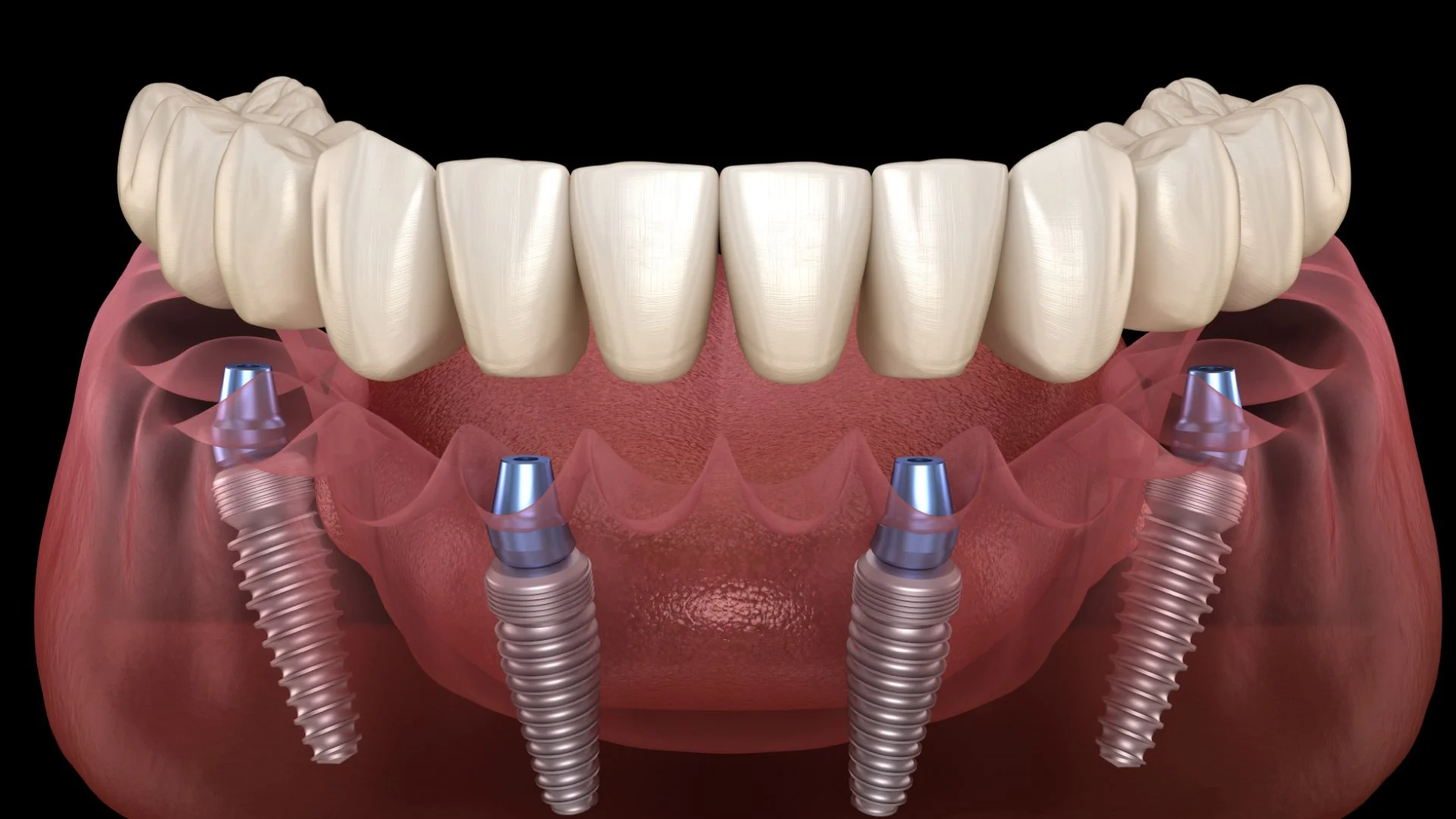
Unlike removable dentures that can shift, click, or make chewing feel unpredictable, implants are anchored directly into your jawbone. They function exactly like your natural teeth. You bite, you chew, and you savour every bite—without hesitation, without discomfort, and without embarrassment.

It is not an exaggeration to say that patients often cry tears of joy at their first meal after their final restoration. They are not just eating again. They are living again.

Your Smile, Restored With Precision

Here is what you need to know about how implants actually look: they look like you. Not a fake, cookie-cutter version of a smile, but a restoration that is custom-crafted to match the shape, colour, and alignment of your natural teeth.

Your implant crown is designed in collaboration with a skilled dental technician who treats your smile like a work of art. We take detailed impressions and colour matching so that when your restoration is placed, it blends seamlessly with your surrounding teeth. Nobody will know you have an implant unless you tell them.

But the real magic? That is the confidence that follows. When you smile without worrying about a gap, you hold yourself differently. You laugh more freely. You engage more openly. It is not vanity—it is freedom.

A Permanent Solution That Preserves Your Face

This is something most people do not realise until it is explained to them: when you lose a tooth, your jawbone begins to shrink in that area. Over time, that bone loss can change the shape of your face, causing your cheeks to look sunken and your lips to turn inward. It can make you look older than you are.

Dental implants are the only tooth replacement option that stimulates your jawbone and prevents this bone loss. Because the titanium post fuses with your bone through a process called osseointegration, your body treats the implant like a natural tooth root. That ongoing stimulation keeps your bone healthy and maintains the natural contours of your face.

In other words, implants do not just fill a gap—they protect your facial structure for the long haul. That is a gift that keeps on giving.

Freedom From Denture Hassles

If you are wearing dentures right now, you already know the frustrations. Adhesives, soaking cups, slipping during conversation, and avoiding certain foods. It is exhausting.

Dental implants offer a way out. Even just two implants can stabilise a lower denture, transforming it from something that moves and wobbles into something that stays firmly in place. For patients who choose full-arch implant solutions, you can walk out with a fixed, permanent set of teeth that never come out.

Imagine waking up in the morning and simply brushing your teeth—just like you used to. No soaking, no adhesives, no worry. That is the freedom implants provide.

The Success Story: What Patients Actually Say

If you are wondering whether the effort is worth it, here are some real reflections from patients who have made the journey:

"It changed my entire personality. I used to cover my mouth when I laughed. Now I can't stop smiling."

"I ate corn on the cob for the first time in ten years. I cried in the restaurant."

"I thought I was too old for implants. Now I wish I had done it twenty years ago."

These are not marketing slogans. These are genuine experiences from real people who took the leap—and found a new lease on life.

The Surprising Health Benefits

Beyond aesthetics, implants offer genuine health advantages. Because they integrate into your jaw, they preserve the surrounding bone and teeth. Unlike a bridge, which requires shaving down adjacent healthy teeth, implants stand independently—so your natural teeth remain untouched.

They also improve oral hygiene. With a bridge, cleaning underneath the restoration can be tricky, leading to trapped food and bacteria. Implants can be flossed and brushed just like natural teeth, making it far easier to maintain great oral health.

And because you are eating a wider variety of nutritious foods—crunchy vegetables, fibrous fruits, and quality proteins—your overall health benefits too. Good nutrition supports your immune system, your energy levels, and even your mental wellbeing.

What About The Procedure?

Let us be honest about what the treatment involves, because transparency builds trust. Dental implants require a few appointments over several months. There is a surgical placement, a healing period for osseointegration, and then the final fitting of your custom crown or restoration.

Most patients are pleasantly surprised by how straightforward the process feels. Advanced technology like 3D imaging and digital treatment planning means your dentist can place your implants with remarkable precision and minimal discomfort. Pain management is tailored to your needs, and recovery is typically manageable with simple over-the-counter pain relief.

Our team will guide you through every step, answer every question, and make sure you feel fully informed and supported.

The Most Common Question: Am I Too Old?

This is one of the most common concerns we hear, and the answer is almost always no. Age is not a barrier to dental implants—health is. As long as you are in good general health and have sufficient bone density, you can be a candidate for implants.

Many of our happiest implant patients are in their 70s, 80s, and even 90s. They tell us they wish they had done it sooner, but they are grateful they did it at all. It is never too late to invest in your quality of life.

What Happens Next

The journey to a restored smile begins with a single appointment. During your consultation, we will take a 3D scan of your jaw, evaluate your bone density, and have an honest conversation about your goals and expectations. We will explain every option, every step, and every cost—so you can make a confident decision.

If you are ready to take that first step, we are here to walk alongside you. The results are life-changing, and the journey is far more rewarding than you might expect.

Your new smile is waiting. Visit https://painfreedentistsydney.com.au/ to book your consultation online. Call us at (02) 9558 8988 or email info@painfreedentistsydney.com.au to speak with our friendly team. We cannot wait to meet you.

Dental Implants: What Nobody Tells You (But You Need to Know)

Intro:

If you are missing a tooth—or several teeth—you have probably already spent hours searching online for solutions. You have seen the glossy ads, the "teeth in a day" promises, and the before-and-after photos that look almost too good to be true.

But here is what most websites will not tell you: dental implants are a serious medical procedure, and they are not the right choice for everyone. The decision to get implants is not just about whether they look good. It is about whether your body is ready for them, whether you are prepared for the journey, and whether you understand what life with implants actually looks like.

Let us cut through the marketing and give you the real answers.

The 95% Success Rate: What It Actually Means

You have probably read that dental implants have a success rate of around 95% even ten years after placement . That statistic is accurate—but it is often presented without context.

Here is what that number actually means: it applies to patients who have been carefully screened for candidacy, who have sufficient jawbone density, who do not smoke, and who maintain excellent oral hygiene after the procedure. It is not a guarantee. It is a statistical average for ideal candidates.

For patients with underlying health conditions, smokers, or those with significant bone loss, the success rate can be lower. This is not meant to scare you—it is meant to help you ask the right questions before you commit.

The Timeline: This Is Not a Quick Fix

One of the biggest surprises for patients is the time commitment. You cannot walk into a dental office and walk out with a permanent implant in a single visit—no matter what the ads say.

The process typically unfolds over several months :

Step 1: Assessment and Planning
Your dentist will take scans and X-rays to evaluate your bone density and overall oral health. This step determines whether you qualify for implants or whether you need preliminary procedures first .

Step 2: Preliminary Procedures (If Needed)
Some patients need a bone graft or sinus lift before implants can be placed . This adds time—often three to six months for healing—but it is essential for long-term success .

Step 3: Implant Placement
The titanium post is surgically placed into your jawbone. This is an outpatient procedure, usually performed under local anaesthetic.

Step 4: Osseointegration
This is the most critical phase. Over three to six months, the implant fuses with your jawbone in a process called osseointegration . You cannot rush this step. If the implant does not fully integrate, it will fail.

Step 5: Abutment and Crown Placement
Once healing is complete, an abutment is attached to the post, and your custom-made crown is fitted .

All up, the complete process can easily stretch to six months or more. For patients requiring bone grafts, it can take over a year .

What The Recovery Actually Feels Like

There is a difference between "recovery is manageable" and "recovery is painless." Most patients find the surgery itself less painful than they expected—but the recovery is where discomfort can set in .

Some patients report significant pain, swelling, and bruising in the days following surgery . You will need to adjust your diet to soft foods during the early healing phase, and you may be unable to wear temporary dentures for several weeks .

The good news? Most patients describe the end result as life-changing . Improved stability, confidence, and the ability to eat foods they had given up on make the recovery period worthwhile.

Are You Actually A Candidate? The Honest Answer

Not everyone is suitable for dental implants. The decision depends on several factors :

Health Conditions
Patients with poorly controlled diabetes, severe cardiovascular disease, autoimmune conditions, or those taking certain bone medications may not be good candidates .

Bone Density
Your jawbone must be thick enough to support the implant. If not, bone grafting may be an option—but it adds time, cost, and complexity.

Smoking
Smoking significantly increases the risk of implant failure and slows the healing process . If you smoke, your dentist will have an honest conversation with you about whether implants are worth the risk.

Oral Hygiene
Implants require meticulous care. If you struggle to maintain daily brushing and flossing, your risk of peri-implantitis (infection around the implant) rises dramatically .

Life With Implants: The Maintenance Reality

Here is something the glossy brochures do not emphasise: implants require consistent maintenance .

You cannot neglect them. Trapped food around implants can lead to infection, which jeopardises the implant itself. You will need an electric toothbrush, proper flossing techniques, and regular hygienist appointments . For some patients, fixed implant prostheses require even more demanding hygiene routines than natural teeth .

This is not a reason to avoid implants—it is a reason to understand the responsibility before you commit.

Implants vs. Dentures: A Quick Comparison

Patients frequently ask whether implants are "better" than dentures. The answer depends on your priorities.

Dental implants feel and function most like natural teeth. They prevent bone loss, do not rely on neighbouring teeth for support, and provide stability that allows you to eat a wider variety of foods . However, they involve surgery, take months to complete, and require sufficient bone density.

Traditional dentures are removable, less expensive upfront, and do not require surgery. However, they can shift during eating or speaking, may limit food choices, and do not prevent jawbone shrinkage over time .

Implant-supported dentures offer a middle ground—they use implants to stabilise a removable denture, providing better retention without a full fixed restoration .

There is no single "right" answer. The best choice depends on your oral health, lifestyle, budget, and long-term goals .

The Bottom Line

Dental implants are one of the most effective tooth replacement options available. They can restore function, confidence, and quality of life . But they are not a quick fix, and they are not right for everyone.

The first step is not booking surgery—it is booking a consultation. A thorough evaluation of your bone density, overall health, and oral hygiene habits will determine whether implants are a realistic option for you.

Ready to find out if dental implants are right for you? Visit https://painfreedentistsydney.com.au/ to book your consultation online. Call us at (02) 9558 8988 or email info@painfreedentistsydney.com.au to speak with our team.

Kidney Disease and Cavities: The Unexpected Warning Sign

Most people associate kidney health with drinking water, avoiding too much salt, and managing blood pressure. The last thing anyone thinks about when worrying about their kidneys is whether they have a cavity. But perhaps we should be thinking about that a lot more.

There is a deeply entrenched, often-overlooked connection between the state of your teeth and the function of your kidneys. It doesn't involve the dramatic inflammation pathways we see with heart disease and diabetes; this connection is far more chemical and mechanical.

To understand this, you have to understand what happens when the kidneys start to fail. The primary job of your kidneys is to filter waste and excess fluid from your blood. When they are damaged, they cannot efficiently remove urea—a waste product from protein digestion. The urea builds up in the bloodstream, and the body tries to expel it through other routes. The easiest escape route? Your saliva.

As urea levels spike in your saliva, the natural pH of your mouth changes. Your saliva—which is normally your mouth's best defense against acid—becomes increasingly alkaline. While that sounds like a good thing (who wants acid?), it actually creates a bizarre environment that allows a specific, aggressive type of bacteria to thrive.

Additionally, kidney disease often causes severe dry mouth (xerostomia). Whether it's the disease itself or the medications used to treat it (like diuretics), patients lose the protective flow of saliva. Saliva isn't just water; it contains calcium, phosphate, and antimicrobial enzymes. Without it, your teeth are defenseless. Food debris sits on the enamel longer, acids are never neutralized, and decay can progress at a shockingly rapid pace—sometimes rotting an entire tooth from the gumline down in a matter of months.

For a long time, this was just something nephrologists (kidney doctors) noticed anecdotally. But now, substantial data from the National Health and Nutrition Examination Survey confirms that patients with chronic kidney disease have significantly more decayed, missing, and filled teeth than the general population.

But here is the crucial part we want you to remember: this isn't a reason to panic if you have kidney issues. It is a reason to be proactive. Dental treatment does not need to be complicated for these patients, but it does need to be frequent.

The standard "twice a year" rule often isn't enough for kidney patients. We look at your medication list, we talk to your nephrologist, and we often recommend prescription-strength fluoride toothpaste and specialized rinses that are designed to stimulate saliva production. We aren't just polishing your teeth; we are actively trying to engineer an environment in your mouth that stops the "chemical cascade" triggered by your kidneys.

Actionable Takeaway:
If you have been diagnosed with chronic kidney disease or are on dialysis, do not wait for a toothache to come see us. Tooth decay in this scenario doesn't always present with the typical sensitivity to cold or sweets; it often presents as a "dull ache" that is easy to ignore. Schedule an evaluation to assess your salivary flow and get a high-risk decay prevention plan in place. Protecting your teeth in this situation means protecting your overall nutritional intake—because you need strong teeth to chew the high-quality protein your body requires.

Protect your smile and your overall health. Visit https://painfreedentistsydney.com.au/ to book your consultation online. Call us at (02) 9558 8988 or email info@painfreedentistsydney.com.au to schedule your appointment today.