What If I Have Not Been to the Dentist in Years? Where Do I Even Start?

Let us start with a confession: you are not alone.

Millions of adults avoid the dentist for years—sometimes decades. Life gets busy. Fear takes over. Money is tight. Or maybe you just kept telling yourself, "I will go next month," until next month turned into next year, and then into five years.

If that sounds familiar, take a deep breath. You are about to read something that might surprise you: we do not judge.

We genuinely do not care how long it has been. We care about where you are today and where you want to be tomorrow. And we are here to help you get there—at your pace, on your terms.

Why Do People Avoid the Dentist?

The reasons are as varied as the people themselves. Here are the most common ones we hear:

1. Fear and anxiety
Dental anxiety affects a clinically significant portion of the population . Some patients are afraid of pain, needles, or the sounds in a dental office. Others feel a loss of control. Whatever the reason, the fear is real—and we take it seriously.

2. Embarrassment
This is one of the most common—and heartbreaking—reasons patients avoid care. People feel ashamed of their teeth. They worry we will judge them or lecture them. Let us be crystal clear: our job is to help, not to judge. We have seen it all, and we are here to support you.

3. Cost concerns
Dental care can feel expensive, especially when you think it has been building up for years. We understand that. We offer payment plans, membership options, and transparent pricing so you know exactly what to expect.

4. Time
Between work, family, and life, finding time for yourself can feel impossible. We offer flexible appointment times and efficient care to fit your schedule.

5. "My teeth are fine"
Some people genuinely do not think they have problems. But here is the thing: many dental issues are painless until they are advanced. A small cavity does not hurt. Early gum disease does not hurt. By the time you feel pain, the problem is bigger and more expensive to treat.

What Happens at Your First Appointment Back?

Here is the most important thing to know: we go at your pace.

Your first appointment is not about doing everything at once. It is about understanding where you are, building trust, and creating a plan that works for you.

Step 1: A conversation
We will sit down and talk. We want to know about your health history, your concerns, your fears, and your goals. You are in control of what we discuss and what we do next.

Step 2: A gentle examination
We will take a look at your teeth and gums, and we will take X-rays to see what is happening beneath the surface. This helps us understand the full picture—including issues you cannot see or feel.

Step 3: A personalised plan
Based on what we find, we will create a treatment plan that prioritises what matters most—first addressing anything urgent, then planning for long-term health. We will explain every step, every cost, and every option so you can make informed decisions.

Step 4: A clean
If you are ready, we may do a gentle clean to remove plaque and tartar. This is often the first step toward healthier gums and fresher breath.

What Might We Find?

It is natural to wonder what is going on in there. Here are some common findings after a long dental break:

  • Cavities: Even small ones can grow over time. The good news is that most can be treated simply with fillings.

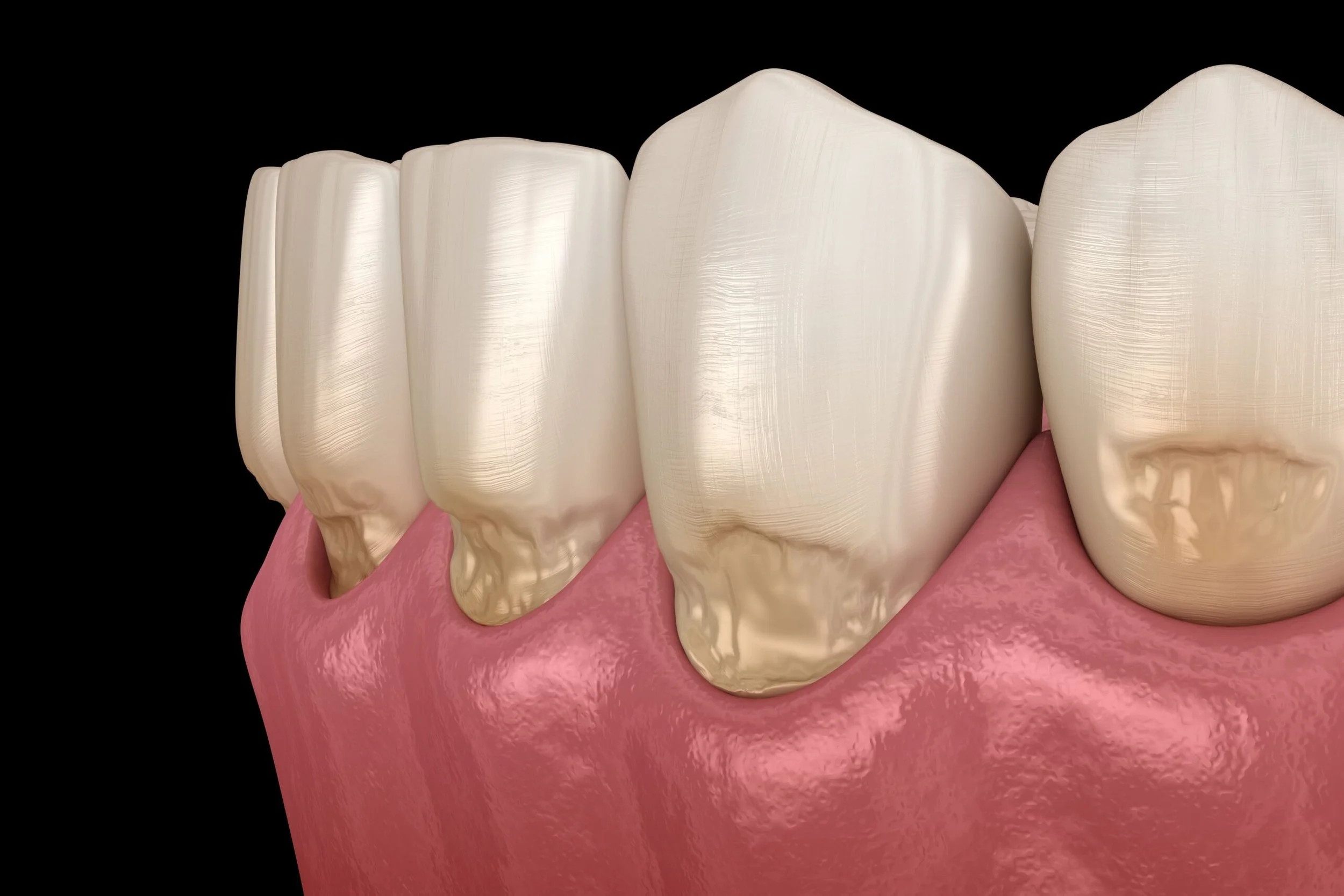
  • Gum disease: Bleeding gums, redness, and swelling are signs of gingivitis—the early stage of gum disease. It is often reversible with professional cleaning and improved home care.

  • Bone loss: If teeth have been missing for years, the jawbone may have shrunk. This can affect your options for replacement, but there are solutions.

  • Worn teeth: Teeth grinding or clenching can wear down enamel and cause sensitivity or pain.

  • Oral cancer signs: We always screen for oral cancer because early detection saves lives.

The Hardest Step Is Walking Through the Door

We hear this from patients all the time: "I should have come sooner. It was not as bad as I thought."

The truth is, the buildup is almost always worse than the appointment itself. The anticipation, the worry, the what-ifs—they create a weight that you carry every day. And the moment you walk through the door, that weight starts to lift.

You deserve to feel good about your smile. You deserve to eat without pain, laugh without covering your mouth, and wake up without that nagging worry in the back of your mind.

What If I Cannot Afford It?

Cost is one of the biggest barriers to care, and we understand that completely.

Here is what we offer:

  • Transparent pricing: We explain costs upfront so there are no surprises.

  • Payment plans: We work with you to spread the cost of treatment over time.

  • Membership plans: For patients without insurance, our in-house membership provides affordable preventive care.

  • Prioritised treatment: We do not do everything at once. We tackle urgent issues first and plan the rest over time.

The most expensive dental care is the care you do not get. A small filling today can prevent a root canal tomorrow. A cleaning today can prevent gum surgery next year. Investing in your health now is always more affordable than waiting.

What Patients Say After Coming Back

We have helped countless patients return to care after years away. Here is what they tell us:

"I was so scared, but everyone was so kind. I wish I had come sooner."

"I thought they would lecture me, but they just helped me."

"I forgot what it felt like to not worry about my teeth."

"The hardest part was walking in. Once I did, it was easy."

Your Next Step

Here is what we want you to remember: we do not care how long it has been. We care about you.

No judgment. No lectures. Just compassionate, gentle care designed to help you feel better and smile more freely.

You have already taken the hardest step by reading this article. The next step is a phone call or a click.

Ready to come back? Visit https://painfreedentistsydney.com.au/ to book your appointment online. Call us at (02) 9558 8988 or email info@painfreedentistsydney.com.au to speak with our friendly team.

Does a Root Canal Actually Hurt? The Honest Truth About the Procedure

Let us address the elephant in the room. You have heard the horror stories. Your aunt's friend's cousin apparently had a root canal that was the most painful experience of her life. Or maybe you saw it depicted on a TV show as something from a nightmare.

So when your dentist tells you that you need a root canal, your stomach drops.

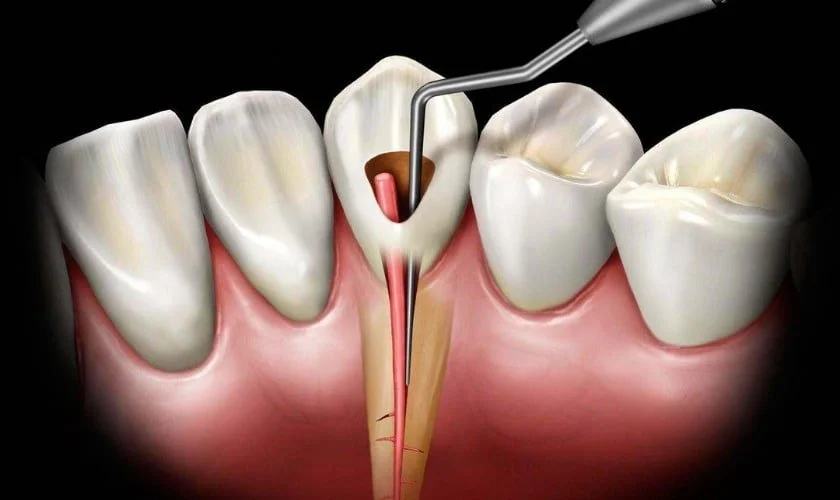
Here is the honest truth that your nervous system needs to hear: Modern root canal treatment is typically no more painful than getting a filling. In fact, most patients rate the discomfort between 1 and 3 out of 10. The pain that people associate with root canals almost always comes from the infected tooth itself—not the treatment.

The procedure is designed to eliminate pain, not cause it.

Why Root Canals Got Such a Bad Reputation

The fear is understandable. Root canals have a terrible reputation, and it is not entirely undeserved—if you are thinking about dentistry fifty years ago.

Years ago, before modern anaesthetics and advanced techniques, root canals were genuinely uncomfortable. The myths, childhood experiences, and that one relative who can vividly recall a procedure from 1961 all drive this fear.

But here is what has changed:

  • Modern local anaesthetics are highly effective at numbing the tooth and surrounding area completely

  • Digital imaging allows for precise diagnosis and treatment planning

  • Rotary instruments make the procedure faster and more comfortable

  • Advanced sterilisation reduces post-treatment complications

Today, unless you completely refuse anaesthesia, severe pain during a root canal is highly unlikely.

What Does a Root Canal Actually Feel Like?

During the procedure, you should feel pressure, movement, and vibration—but not sharp pain. Studies have shown that:

  • 73% of patients report no procedural pain at all

  • 95% indicate their tooth felt "numb enough" during treatment

  • 65% of patients say their experience was better than they had feared

The most intense moments are usually during local anaesthesia administration and drilling—and even then, a significant number of patients only report moderate pain. In one study, 47% of patients reported moderate pain during these moments, which is manageable with modern anaesthesia.

If you are particularly anxious, your dentist can also provide sedation options such as nitrous oxide to help you relax.

What If You Already Have a Tooth Infection?

Here is where it gets a little more complicated.

If your tooth is already badly infected with symptomatic irreversible pulpitis (a severely inflamed and infected pulp), the anaesthetic may not work as effectively. In these cases, research shows that some patients need supplemental anaesthesia to achieve full numbness.

About 26.9% of patients with symptomatic pulpitis require additional anaesthetic, compared to only 6.5% of patients with less severe conditions.

However, the pain during treatment is still manageable. Patients with severe infections report pain at similar rates to those without—around 27-30% report some discomfort. The difference is that you may need an extra injection to get fully numb.

The takeaway: The worse your infection, the harder it can be to numb. But your dentist has multiple tools to get you comfortable. Do not let this stop you from seeking treatment—the infection will only get worse and more painful if left untreated.

What Happens After the Procedure?

This is where patients are often pleasantly surprised. Recovery is usually straightforward.

In the first 24-48 hours, you may feel some mild tenderness or sensitivity, especially when biting. This is normal and usually manageable with over-the-counter pain relief like ibuprofen.

For 2-4 days, mild soreness can persist as the surrounding tissues heal from the inflammation that was already there before treatment.

Full recovery typically takes about a week, with symptoms steadily improving each day.

Tips for a Smooth Recovery:

  • Stick to soft foods for the first day or two—soup, yogurt, eggs, and smoothies are great choices

  • Chew on the opposite side of your mouth until the permanent crown is placed

  • Take over-the-counter pain medication as recommended by your dentist

  • Avoid strenuous exercise for 24 hours—increased blood flow can make swelling worse

  • Brush gently around the treated tooth but maintain your regular oral hygiene routine

When to Call Your Dentist

While some mild discomfort is normal, there are signs that something might be wrong. Contact your dentist immediately if you notice:

  • Severe or worsening pain after several days

  • Visible swelling that gets worse

  • A bump on your gum near the treated tooth

  • Your temporary filling falls out

  • Pain returns weeks or months later

  • Fever or other signs of infection

The Most Important Question: Should You Wait?

No. Absolutely not.

Here is something that surprises many patients: not all teeth that need root canals cause pain. Many damaged or infected teeth are pain-free—but that does not mean they are okay.

If your dentist recommends a root canal based on X-rays and clinical examination, delaying treatment is risky. Without treatment, the infection can spread to nearby tissues and cause more serious problems.

And here is the irony: treatment causes less discomfort when there is not an active infection. Waiting until you are in agony makes the procedure harder for you and your dentist.

The Bottom Line

Does a root canal hurt? The procedure itself is not painful for most patients. The fear is the worst part. Most people walk out wondering what all the fuss was about.

The real pain comes from the infected tooth you are avoiding treatment for. Modern dentistry has transformed root canals into a routine, comfortable procedure that saves your natural tooth and eliminates the agony of an infected nerve.

If you need a root canal, do not let fear hold you back. It is one of the most effective ways to save your tooth and get out of pain.

Worried about root canal pain? Visit https://painfreedentistsydney.com.au/ to book your consultation online. Call us at (02) 9558 8988 or email info@painfreedentistsydney.com.au to speak with our team.

More Than a Smile: The Life-Changing Benefits of Dental Implants

There are moments in life that change how you see yourself. Your first smile in a photograph without hesitation. The first time you order a steak at a restaurant without worry. The moment you realise you are laughing freely, without covering your mouth.

Dental implants do more than replace missing teeth—they restore something deeper. They give you back the freedom to be yourself, without the constant awareness of gaps, discomfort, or insecurity.

Here is what that actually looks like.

The Confidence to Smile Without Hesitation

For anyone living with missing or failing teeth, smiling becomes a calculated act. You angle your face away from cameras. You laugh with your lips pressed together. You feel exposed in conversations.

Research confirms what patients have always known: dental implants significantly improve self-esteem and confidence . One study found that patients reported the greatest improvements in psychological discomfort and physical disability after implant treatment . In other words, the emotional weight of tooth loss lifted in ways patients did not always expect.

Patients describe the moment they see their new smile as emotional—sometimes bringing tears of relief and joy . It is not vanity. It is the relief of finally feeling whole again.

The Freedom to Eat What You Love

If you have been avoiding certain foods, you know exactly what this means. Corn on the cob. Crisp apples. Crusty bread. Foods that require a confident bite become off-limits.

Dental implants change that. They are anchored directly into your jawbone, providing the same chewing function as natural teeth. Patients report the highest satisfaction with chewing function, with a median satisfaction score of 10 out of 10 in long-term studies . They can eat without pain, without hesitation, and without worry.

For patients who have lived with dentures, the difference is even more dramatic. There is no slipping, no clicking, and no avoiding favourite foods. Just the joy of eating normally again.

Preserving Your Natural Appearance

Here is something that surprises many patients: tooth loss changes your face.

When you lose a tooth, the jawbone in that area begins to shrink. Over time, that bone loss can make your cheeks look sunken and your lips turn inward. It can age you prematurely .

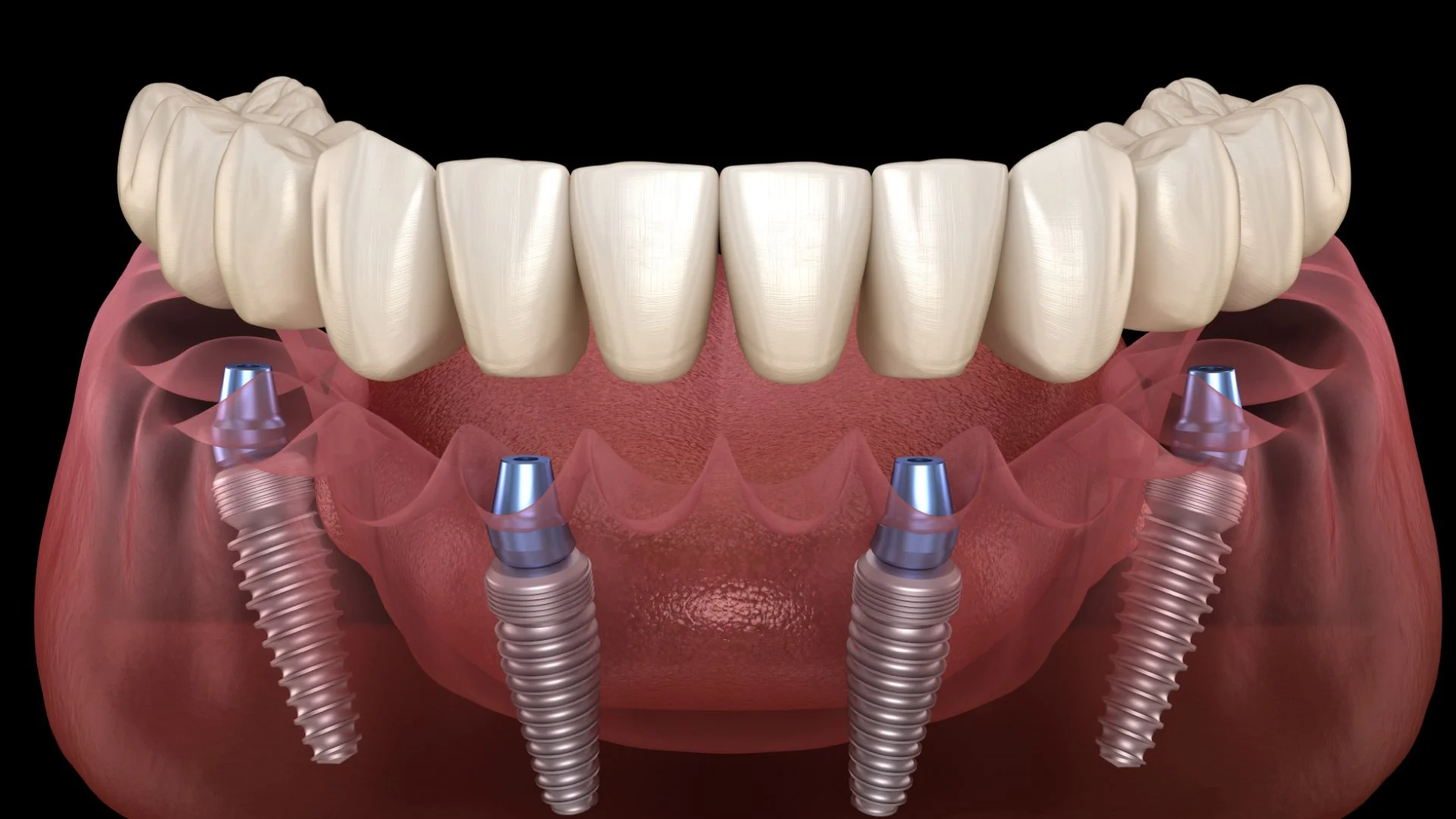
Dental implants are the only tooth replacement option that prevents this bone loss. The titanium post fuses with your jawbone through a process called osseointegration, stimulating the bone just like a natural root. You preserve your facial structure and maintain the natural contours of your face.

Your implant crown is custom-crafted to match the shape, colour, and alignment of your natural teeth. Most people will never know you have an implant unless you tell them .

Clearer Speech, Better Communication

Missing teeth affect how you speak. Certain sounds become difficult, and you may find yourself mumbling or avoiding certain words.

With dental implants, speech becomes effortless again . Because the restoration is fixed and stable, there is no movement to interfere with pronunciation. Patients describe feeling more confident in conversations, presentations, and social settings .

Clear speech is about more than clarity—it is about connection. When you are not worried about how your mouth looks or sounds, you are present in the moment.

The Stability You Deserve

If you wear dentures, you know the frustrations. Adhesives. Soaking cups. The fear of them shifting during meals or conversations.

Dental implants are permanent. There is no nightly removal, no adhesives, and no worrying about your teeth moving when you laugh or speak . Even just two implants can stabilise a lower denture, transforming it from something that wobbles into something that stays firmly in place.

For patients who choose full-arch implant solutions, the restoration never comes out. You wake up, brush your teeth, and go about your day—just like you did before tooth loss.

What Patients Actually Say

  • "It changed my entire personality. I used to cover my mouth when I laughed. Now I can't stop smiling."

  • "I ate corn on the cob for the first time in ten years. I cried in the restaurant."

  • "I didn't realise how much I was holding back until I caught myself avoiding photos and conversations."

  • "I thought I was too old for implants. Now I wish I had done it twenty years ago."

These are not marketing slogans. These are real reflections from real people who made the decision to invest in themselves.

The Research Behind the Results

The benefits are not just anecdotal. Studies consistently show that implant therapy significantly improves oral health-related quality of life . Patients report better chewing ability, more confidence, and higher satisfaction with their appearance. One 10-to-15-year follow-up study found that patients remained highly satisfied with their implants, reporting excellent function and ease of cleaning .

For patients with complex health conditions, the results remain positive. Even patients with type 2 diabetes report high satisfaction and improved quality of life after implant treatment .

A Positive Decision for Your Future

Dental implants are a decision you make once. With proper care and maintenance, they can last a lifetime . The upfront commitment is rewarded with years of confidence, comfort, and freedom.

If you have been holding back from smiling, eating certain foods, or simply connecting with others, implants may offer more than a clinical solution. They can help restore your sense of self.

Your Next Step

The journey begins with a single appointment. During your consultation, we will take a 3D scan of your jaw, evaluate your bone density, and have an honest conversation about your goals. We will explain every option, every step, and answer every question.

Your new smile is waiting.

Ready to discover how dental implants can transform your life? Visit https://painfreedentistsydney.com.au/ to book your consultation online. Call us at (02) 9558 8988 or email info@painfreedentistsydney.com.au to speak with our friendly team.