Should I Pull My Wisdom Teeth? Signs You Need Them Out

Introduction

Wisdom teeth, or third molars, are the last teeth to develop and erupt, typically appearing between the ages of 17 and 25. They are evolutionary leftovers from a time when our ancestors had larger jaws and needed extra teeth to chew tough, raw foods. Today, our jaws are smaller, and many people simply do not have enough room for these late-arriving molars. As a result, wisdom teeth often become impacted, meaning they are trapped beneath the gum tissue or bone, or they erupt only partially, creating a host of potential problems. The question of whether to remove wisdom teeth is one of the most common dilemmas in dentistry, and the answer depends on a variety of factors, including the position of the teeth, your symptoms, and your overall oral health.

What Are Wisdom Teeth and Why Do They Cause Problems?

Wisdom teeth are the four teeth located at the very back of your mouth, two on the top and two on the bottom. The problem arises because the modern human jaw is typically too small to accommodate these extra teeth. When there is insufficient space, the wisdom teeth may grow at an angle, leaning into the adjacent molars. They may grow horizontally, sideways, or even backwards. They may remain completely trapped in the jawbone, or they may partially break through the gum tissue.

Partially erupted wisdom teeth are particularly problematic because the opening in the gum tissue provides a direct pathway for bacteria to enter around the tooth. This can lead to a painful condition called pericoronitis, an infection and inflammation of the gum tissue surrounding the tooth. The area can become swollen, painful, and difficult to clean, leading to repeated infections and discomfort. Even fully erupted wisdom teeth can be difficult to clean properly because of their location at the back of the mouth, making them more susceptible to cavities and gum disease.

Signs That Your Wisdom Teeth Need to Be Removed

There are several clear signs that your wisdom teeth are causing problems and should be extracted. The most obvious is pain. A dull, throbbing ache in the back of your jaw that comes and goes is a common sign of impacted or infected wisdom teeth. The pain may radiate to your ear, your temple, or your neck. Swollen, tender, or bleeding gums around the wisdom tooth are also red flags. If you have difficulty opening your mouth fully or chewing food on the affected side, it may indicate an infection.

Another sign is repeated infections. If you have had a sore, swollen gum in the back of your mouth that clears up with antibiotics but keeps returning, it is a sign that the wisdom tooth is not cleanable and is harboring bacteria. Damage to adjacent teeth is another reason for removal. An impacted wisdom tooth can push against the second molar, causing its root to be eroded or making it difficult to clean between the teeth, leading to decay in that molar. Cysts can also form around impacted wisdom teeth, damaging the jawbone and adjacent tooth roots.

When Extraction is Not Necessary

Not all wisdom teeth need to be removed. If your wisdom teeth are fully erupted, are straight, have no signs of decay, and are easy to clean, they can be left in place. Many people live their entire lives with healthy, functional wisdom teeth. If you are considering keeping your wisdom teeth, it is important to maintain excellent oral hygiene and have your dentist monitor them closely during your regular checkups. X-rays will show whether they are developing any problems.

As we age, the roots of wisdom teeth become longer and more curved, and the bone becomes denser. This makes extraction more difficult and increases the risk of complications in older patients. For this reason, many dentists recommend removing wisdom teeth in the late teens or early twenties, when the roots are only about two-thirds formed and the bone is more flexible. The recovery is generally faster and less painful at this age compared to when you are in your thirties or forties.

The Extraction Procedure

The extraction of wisdom teeth is a common outpatient procedure. Depending on the complexity of the case, it may be performed by a general dentist or an oral surgeon. If the teeth are fully erupted, they can often be removed in the dental chair with local anesthesia. For impacted teeth, the surgeon may recommend IV sedation for your comfort, especially if multiple teeth are being removed.

The surgeon will make an incision in the gum tissue to expose the tooth and bone. They may need to remove some bone to access the tooth. The tooth may be cut into smaller pieces for easier removal. Once the tooth is out, the surgical site is cleaned of any debris, and the gum tissue is sutured closed. The entire procedure usually takes about an hour for all four wisdom teeth.

Recovery and Post-Operative Care

The recovery period typically lasts three to five days. During this time, you will need to rest and take it easy. Pain, swelling, and some bleeding are normal. Your surgeon will provide you with pain medication, but many patients find that over-the-counter medications like ibuprofen are sufficient.

You should apply an ice pack to your jaw for the first 24 hours to reduce swelling. After the first day, you may switch to warm compresses to promote healing. You will need to stick to a soft-food diet—things like yogurt, soup, applesauce, and smoothies—for the first few days. Do not use a straw, as the suction can dislodge the blood clot from the extraction site, causing a painful condition called dry socket. Do not smoke or spit forcefully for at least a week. Avoid strenuous physical activity for a few days.

Dry Socket: What It Is and How to Avoid It

Dry socket is the most common complication after wisdom tooth extraction. It occurs when the blood clot that forms in the socket is dislodged or dissolves before the wound has healed. This exposes the underlying bone and nerves to air, food, and fluids, causing severe, throbbing pain that can radiate to your ear and eye. Dry socket is extremely painful and requires treatment by your dentist or surgeon, who will place a medicated dressing in the socket to soothe the pain.

To avoid dry socket, follow your surgeon's instructions carefully. Do not smoke or use tobacco products for at least a week, as smoking impairs blood flow and increases the risk of dry socket. Do not drink through a straw for at least a week. Avoid spitting forcefully. Gently clean the area with the prescribed mouthwash, but do not swish vigorously. If you experience severe pain after a few days of improvement, contact your oral surgeon immediately.

Conclusion

The decision to remove your wisdom teeth is one that should be made in consultation with your dentist or oral surgeon. If your wisdom teeth are causing pain, infection, or damage to adjacent teeth, extraction is usually the best course of action. If they are healthy and properly positioned, they can be left alone with regular monitoring. The timing of extraction is also important; younger patients typically have an easier recovery. Do not wait until your wisdom teeth become a painful emergency. A proactive approach to managing your wisdom teeth can save you a great deal of discomfort and prevent future complications.

Book online at https://painfreedentistsydney.com.au/
Call us at 9558 8988
Email us at info@painfreedentistsydney.com.au

Sensitive Teeth – Why Hot and Cold Hurt So Much

Introduction

That sharp, sudden zing of pain that shoots through your jaw when you sip a hot coffee or bite into an ice cream cone is one of the most unmistakable and unpleasant sensations in dentistry. Tooth sensitivity, or dentin hypersensitivity, affects millions of people worldwide and can range from a mild annoyance to a debilitating condition that makes eating and drinking a daily ordeal. While occasional sensitivity is common, persistent or severe sensitivity is a sign that something is wrong with your teeth. Understanding the underlying causes of tooth sensitivity is the first step toward finding relief and protecting your teeth from further damage.

The Anatomy of a Tooth: Understanding the Layers

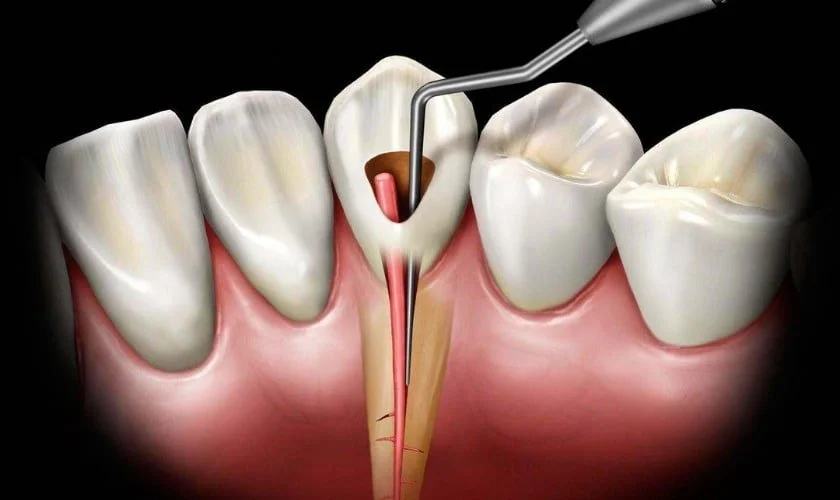
To understand why your teeth hurt, you need to understand their structure. Each tooth is composed of three layers. The outermost layer is the enamel, which is the hardest substance in the human body and acts as a protective shell. Beneath the enamel lies the dentin, a yellowish layer that makes up the bulk of the tooth. Dentin is porous and contains thousands of microscopic tubules that lead directly to the innermost layer, the pulp, which houses the tooth's nerves and blood vessels.

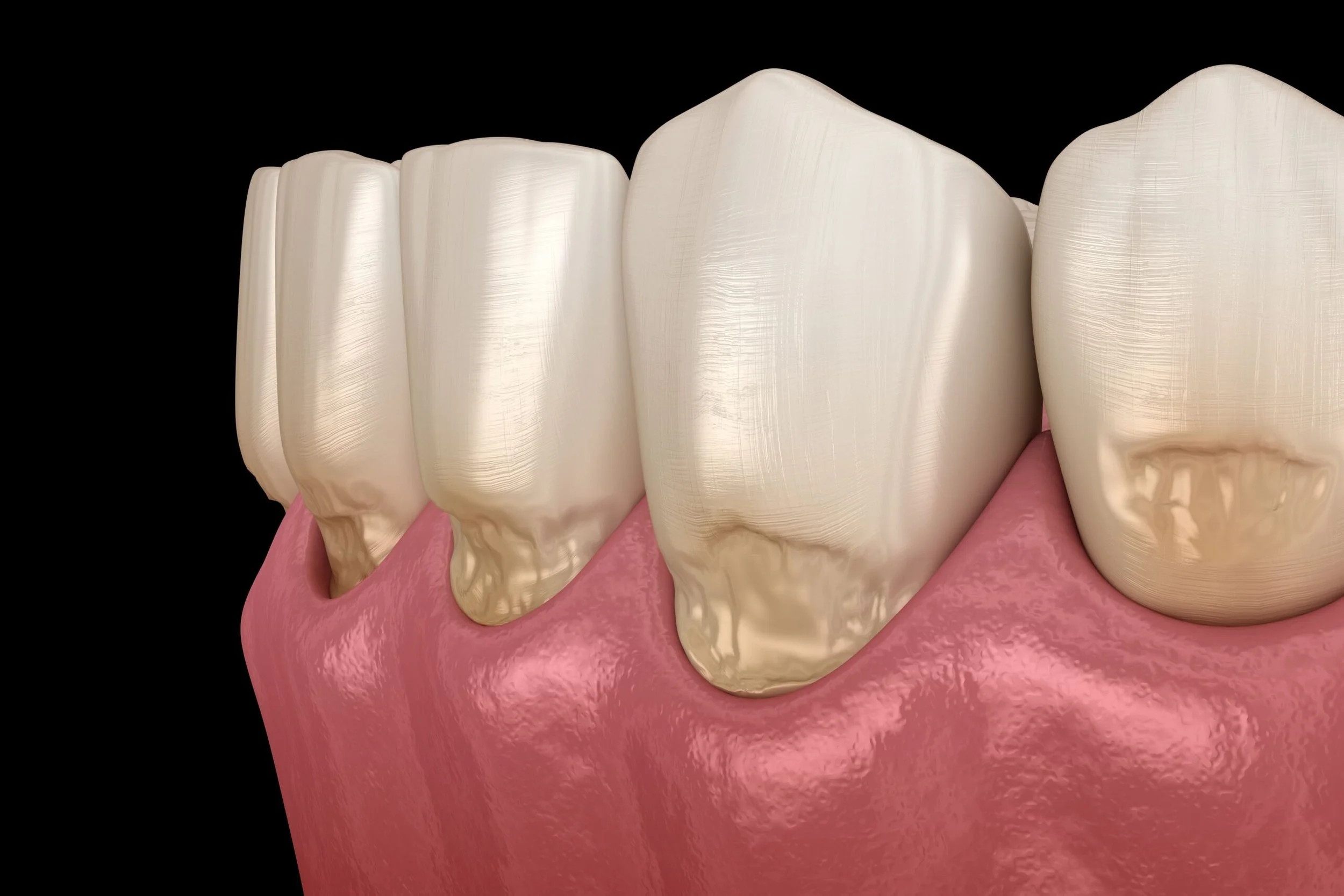
When the enamel is intact, the tubules in the dentin are sealed off, and external stimuli like temperature changes cannot reach the nerves. However, when enamel is worn away or the gums recede, the dentin becomes exposed. When hot, cold, sweet, or acidic substances come into contact with the exposed dentin, the fluid inside the tubules moves, stimulating the nerve endings and causing the sharp, shooting pain characteristic of tooth sensitivity.

Common Causes of Enamel Erosion and Gum Recession

Enamel erosion is a gradual process that can be caused by a variety of factors. One of the most common culprits is aggressive tooth brushing. Using a hard-bristled brush and scrubbing back and forth with excessive force can literally wear down the enamel, especially at the gumline where the enamel is thinnest. Over time, this creates notches in the teeth, called abfraction lesions, which are classic signs of over-brushing.

Acidic foods and beverages are another major cause of enamel erosion. Citrus fruits, tomatoes, soda, sports drinks, and wine all have low pH levels that soften and dissolve enamel. The damage is compounded when people sip these acidic drinks slowly over a long period, as the acid has more time to attack the teeth. Acid reflux or bulimia can also bring stomach acid into the mouth, causing severe enamel erosion.

Gum recession, the other primary cause of sensitivity, occurs when the gum tissue pulls away from the teeth, exposing the roots. Roots are not covered by enamel; they are covered by a much thinner layer called cementum, which is easily worn away, exposing the sensitive dentin underneath. Gum recession can be caused by aggressive brushing, gum disease, aging, and genetics.

Desensitizing Treatments: What Actually Works

If you are suffering from tooth sensitivity, there are several effective treatments available. The first line of defense is a desensitizing toothpaste. These toothpastes contain compounds like potassium nitrate or stannous fluoride. Potassium nitrate works by calming the nerve endings in the dentin, reducing their ability to fire pain signals. Stannous fluoride creates a protective barrier over the exposed tubules, physically blocking the pathways. It takes a few weeks of consistent use to see the full effect, so do not give up after a few days.

For more immediate relief, your dentist can apply desensitizing agents directly to the affected teeth in the office. These include fluoride varnishes, gels, and bonding agents that seal the tubules. Your dentist may also recommend a prescription-strength fluoride toothpaste for home use. In cases of severe gum recession, a gum graft may be necessary to cover the exposed roots. The graft involves taking tissue from the roof of the mouth and stitching it over the recessed areas. This not only reduces sensitivity but also protects the roots from decay.

Beware of Whitening Products

Teeth whitening products are a common trigger for temporary sensitivity. The peroxide in whitening gels opens up the pores of the enamel to allow the bleaching agent to penetrate. This opening also exposes the dentin tubules, making teeth temporarily sensitive. If you experience sensitivity during whitening, you can reduce the frequency of treatments, use a desensitizing gel before and after, or choose a lower-concentration product. Many dentists offer a desensitizing treatment immediately after an in-office whitening session to minimize discomfort.

Changing Your Habits

In addition to using desensitizing products, changing your daily habits is essential for long-term relief. Switch to a soft-bristled toothbrush and adopt a gentle brushing technique. Hold your brush like a pencil, not a fist, to reduce the pressure you apply. Brush in small, circular motions rather than aggressive back-and-forth scrubbing. Use lukewarm water instead of very hot or cold water for rinsing.

Modify your diet to reduce acid exposure. Rinse your mouth with water after eating acidic foods. Do not brush immediately after consuming acidic substances; the acid softens the enamel, and brushing can wear it away. Wait at least 30 minutes for your saliva to neutralize the acid before brushing. Drink acidic beverages through a straw to minimize contact with your teeth.

When Sensitivity Signals a Bigger Problem

Not all tooth sensitivity is caused by exposed dentin. Sometimes, sensitivity is a symptom of a more serious dental problem. A cracked tooth can cause sharp pain when you bite down, especially when you release the bite. A cavity that has reached the inner dentin can cause sensitivity to cold, hot, and sweets. A leaking or broken filling can expose the tooth's nerve. If you have a sudden onset of severe, localized sensitivity that does not respond to desensitizing toothpaste, you should see your dentist for an evaluation.

Conclusion

Tooth sensitivity is a common but treatable condition. In many cases, simple changes to your brushing technique, the use of desensitizing toothpaste, and professional treatments can provide significant relief. However, persistent sensitivity should never be ignored, as it can indicate a deeper issue like a cavity or fracture that requires professional care. Talk to your dentist about your sensitivity; they can help you identify the root cause and develop a comprehensive treatment plan. With the right approach, you can enjoy your favorite foods and beverages without the fear of that sharp, zinging pain.

Book online at https://painfreedentistsydney.com.au/
Call us at 9558 8988
Email us at info@painfreedentistsydney.com.au

Bad Breath That Won't Go Away – Causes and Cures

Introduction

Bad breath, medically known as halitosis, is a universal human experience. We have all woken up with morning breath or experienced the unpleasant aftermath of a garlic-heavy meal. For most people, this is a temporary and manageable issue. However, for a significant number of individuals, bad breath is a persistent, chronic problem that does not improve with brushing or mouthwash. It can cause immense social anxiety, affect personal relationships, and even be a sign of a more serious underlying health condition. If you are frustrated by breath that simply will not freshen up, no matter what you try, it is time to move beyond quick fixes and understand the root causes of chronic halitosis and the effective, long-term solutions available.

The Primary Cause: Bacteria on the Tongue

In approximately 85% of chronic bad breath cases, the source of the odor is the mouth itself, specifically the back of the tongue. The surface of your tongue is not smooth; it is covered in tiny, finger-like projections called papillae. These papillae create a large surface area and numerous crevices where bacteria can thrive. The tongue is essentially a thick, shaggy carpet that traps food debris, dead cells, and bacteria. These anaerobic bacteria (bacteria that live without oxygen) break down proteins and produce volatile sulfur compounds, which are the primary culprits behind the foul smell.

While most people brush their teeth regularly, the tongue is frequently neglected. Even when people do brush their tongue, they may not effectively clean the very back portion, which is where the majority of the odor-causing bacteria reside. A toothbrush is not the most effective tool for cleaning the tongue; a tongue scraper is far superior. A tongue scraper is a simple, inexpensive tool designed to gently scrape away the biofilm from the surface of the tongue. Using a scraper morning and night can dramatically reduce bad breath. You will be surprised at the amount of material that comes off your tongue.

Periodontal Disease and Gum Health

Another major cause of persistent bad breath is gum disease. When plaque accumulates along and below the gumline, the bacteria in the plaque produce toxins that irritate the gums. The inflamed gums separate from the teeth, forming pockets. These pockets are deep, oxygen-deprived spaces that are perfect habitats for anaerobic bacteria. The bacteria multiply in these pockets, producing malodorous compounds that are difficult to eliminate with brushing alone.

If you have bleeding, swollen, or tender gums, or if your gums have pulled away from your teeth, gum disease is likely the source of your bad breath. Professional dental cleaning is necessary to remove the plaque and tartar from below the gumline. Your dentist may also recommend scaling and root planing, a deep cleaning procedure that removes bacteria from the roots of the teeth and smooths the root surfaces so the gums can reattach. Once the gum disease is treated, the bad breath typically resolves.

Food and Lifestyle Factors

Certain foods are notorious for causing bad breath. Onions, garlic, and spices are absorbed into your bloodstream and carried to your lungs, where they are exhaled through your breath. This type of odor cannot be eliminated by brushing or mouthwash; it must pass through your system, which can take up to 24 hours. While these foods are temporary culprits, frequent consumption can contribute to ongoing bad breath.

Tobacco and alcohol are also major contributors. Smoking dries out your mouth, reduces saliva flow, and leaves a residue of chemicals that produce a distinct, unpleasant odor. Alcohol, even in mouthwashes, dries the oral tissues and exacerbates the problem. Reducing or eliminating these habits is essential for fresh breath.

Dry Mouth: The Underestimated Enemy

Saliva is your body's natural defense against bad breath. It washes away food particles, neutralizes acids, and contains antimicrobial compounds that kill bacteria. When your mouth is dry, the bacteria are free to multiply without the cleansing effect of saliva. Dry mouth, or xerostomia, can be caused by a variety of factors, including medications (antihistamines, decongestants, blood pressure medications, antidepressants), aging, radiation therapy, and autoimmune diseases like Sjogren's syndrome.

If you have dry mouth, you may benefit from chewing sugar-free gum or sucking on sugar-free lozenges to stimulate saliva flow. Use a humidifier in your bedroom at night. Avoid alcohol-based mouthwashes. Drink plenty of water throughout the day. In some cases, your dentist may prescribe a saliva substitute or a medication like pilocarpine to stimulate your salivary glands.

Underlying Health Conditions

In a small percentage of cases, chronic bad breath originates outside the mouth. Conditions such as sinus infections, post-nasal drip, tonsil stones, and respiratory tract infections can produce odors that travel to the throat and mouth. Acid reflux (GERD) can bring stomach acids and gases up into the esophagus, causing a sour, unpleasant breath. Uncontrolled diabetes can produce a distinct, fruity or chemical smell on the breath due to the buildup of ketones in the bloodstream. Liver disease and kidney disease can also produce specific breath odors. If you have been told that your breath smells like ammonia or urine, it is a sign to see a physician immediately.

Effective Home Remedies and Prevention

While professional treatment is necessary for gum disease and underlying medical conditions, there are effective home remedies for managing everyday bad breath. The most important is a rigorous oral hygiene routine. Brush twice a day for two minutes, floss daily, and scrape your tongue daily. Use an antimicrobial mouthwash, but choose one that is alcohol-free to avoid drying out your mouth. Chew sugarless gum with xylitol, which not only stimulates saliva but also has antibacterial properties.

Stay hydrated. Drink water throughout the day to keep your mouth moist. Eat a diet rich in firm, crunchy foods like apples, carrots, and celery, which help mechanically clean the teeth and stimulate saliva flow. Avoid fad diets that cause ketosis, which produces a foul-smelling breath. And most importantly, do not skip your dental checkups. Professional cleanings remove the tartar you cannot reach and allow your dentist to catch and treat gum disease early.

When to See a Professional

If you have been diligent with your brushing, flossing, and tongue scraping and your bad breath persists, it is time to see a dentist. They can evaluate you for gum disease, dry mouth, and oral infections. They may also refer you to a physician to rule out sinus, respiratory, or gastrointestinal conditions. Do not live with bad breath; it is not only a social issue but also a potential indicator of a health problem that requires attention.

Conclusion

Chronic bad breath is a treatable condition. For the vast majority of sufferers, the solution lies in improved oral hygiene, particularly tongue scraping, and professional treatment of gum disease. For others, addressing dry mouth, dietary changes, or consulting a physician for underlying health issues may be necessary. Fresh breath starts with a healthy mouth, and a healthy mouth is the foundation of a confident, happy life.

Book online at https://painfreedentistsydney.com.au/
Call us at 9558 8988
Email us at info@painfreedentistsydney.com.au