Root Canal Myths Busted – What It Really Feels Like

Few medical procedures in the modern era have been as unjustly maligned as the root canal. It has become a cultural shorthand for the ultimate unpleasant experience, a punchline in jokes, and a source of genuine, gut-wrenching dread for countless patients. If you were to ask someone on the street about root canals, you would likely hear horror stories about excruciating pain and torturous lengthy procedures. Yet, the reality of a root canal today could not be further from this terrifying picture. Modern dentistry, with its advanced anesthetics, sophisticated instruments, and deep understanding of dental nerve physiology, has transformed the root canal into a routine, often painless procedure that provides immense relief. It is time to separate fact from fiction and debunk the myths that keep so many people from seeking the treatment they desperately need.

Myth 1: Root Canals Are Extremely Painful

This is the most persistent and damaging myth surrounding root canal therapy. The truth is that root canals are performed to relieve pain, not cause it. The severe, throbbing toothache that necessitates a root canal is caused by an infection or inflammation of the dental pulp—the nerve and blood vessel tissue inside the tooth. This inflammation creates pressure inside the hard, unyielding walls of the tooth, leading to intense pain. During a root canal procedure, the dentist removes this infected, painful tissue, thereby eliminating the source of the pain.

The actual procedure is performed under local anesthesia, just like a routine filling. Your dentist will use a powerful numbing agent to ensure you feel no pain during the procedure. You may feel pressure, vibration, and some movement as the dentist uses tiny files to clean out the canals, but you should not feel any sharp pain. If you do, you can ask for more anesthetic. Modern anesthetics are highly effective, and multiple injections can be used to ensure complete numbness. Most patients report that the procedure itself is no more uncomfortable than getting a deep filling.

Myth 2: You Can Just Extract the Tooth Instead

When faced with the prospect of a root canal, many patients ask, "Why can't I just pull the tooth?" While extraction is always an option, it is far from an ideal solution. Saving your natural tooth is almost always preferable to extracting it. When you extract a tooth and do not replace it, the adjacent teeth will begin to drift into the gap. This can cause bite problems, difficulty chewing, and shifting of the teeth. The bone that supported the missing tooth will also begin to resorb, leading to changes in your facial structure, giving you a prematurely aged appearance.

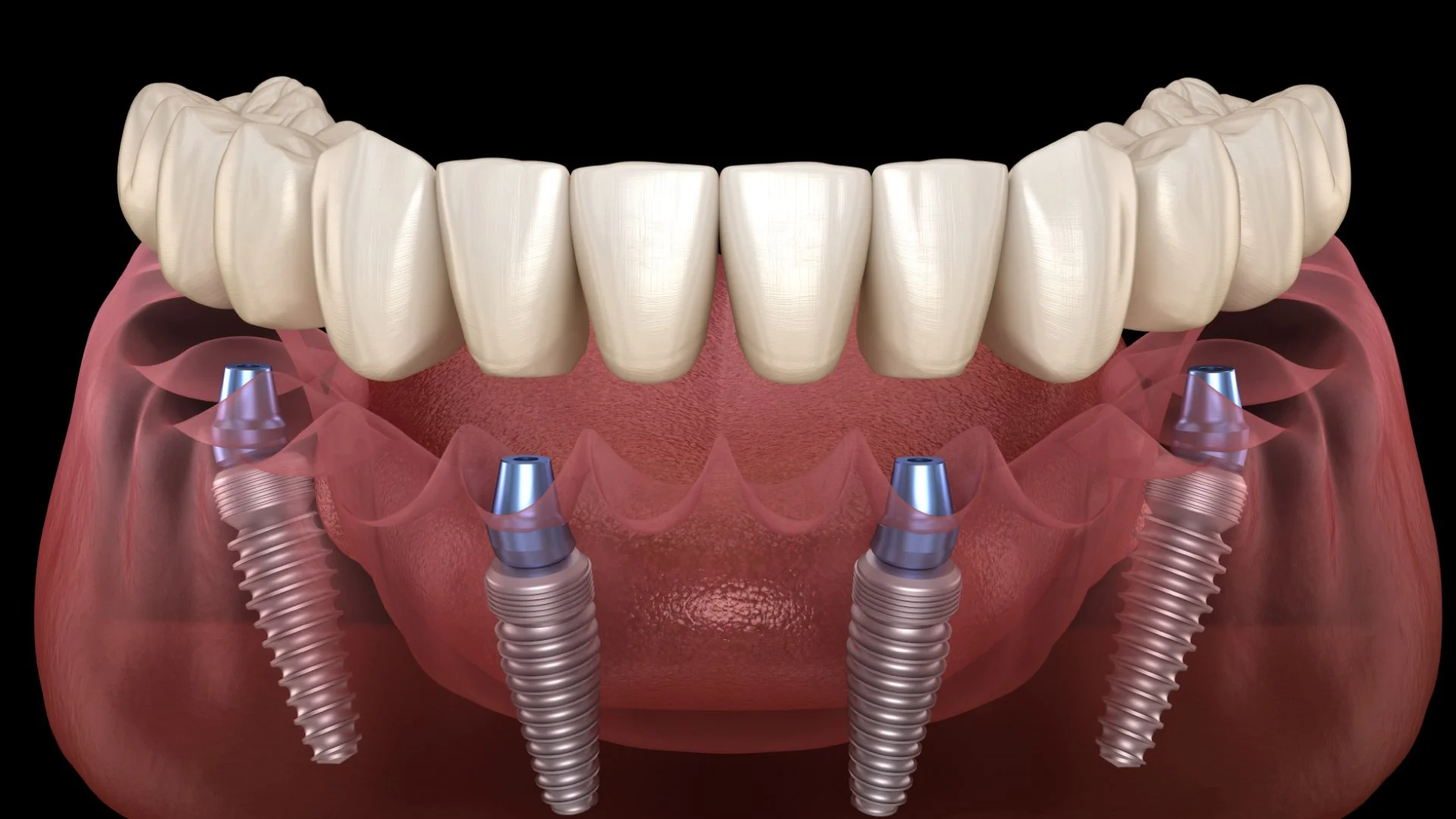
To replace an extracted tooth, you would need to consider an implant, a bridge, or a partial denture, all of which have their own costs, complexities, and maintenance requirements. A root canal allows you to keep your natural tooth, which is stronger, less expensive to maintain in the long run, and provides the best chewing function. In dentistry, we aim to preserve natural teeth whenever possible. A root canal is not just an alternative to extraction; it is a treatment designed to save a tooth that would otherwise be lost.

Myth 3: The Procedure Takes Multiple Long Visits

In the past, root canals were indeed lengthy, multi-visit affairs. However, advances in technology and techniques have streamlined the process significantly. Many root canal treatments can now be completed in a single one- to two-hour visit. The complexity of the case determines the number of visits. A simple tooth with straight, easily accessible canals may be completed in one visit. A molar with multiple, curved, or calcified canals may require two visits to ensure the canals are thoroughly cleaned and sealed.

During your first visit, the dentist removes the infected pulp, cleans and shapes the canals, and places a medication inside. On the second visit, the canals are sealed with a biocompatible material. Whether it is one visit or two, the total time invested is far less than the weeks or months of intermittent pain you would endure by avoiding the procedure.

Myth 4: Root Canals Cause Illness

A discredited theory from the early 20th century claimed that root canals could trap bacteria inside the tooth and lead to systemic diseases such as arthritis, heart disease, and kidney problems. This theory, known as the "focal infection theory," has been thoroughly debunked by decades of scientific research. There is no valid scientific evidence linking root canal treatment to systemic diseases. In fact, the opposite is true. Root canal treatment eliminates a chronic infection in your mouth, which reduces the overall inflammatory burden on your body. Untreated dental infections can actually contribute to systemic inflammation, which is linked to conditions like cardiovascular disease. A root canal is a safe and effective procedure that removes infection and promotes health.

Myth 5: It's Better to Wait Until It Hurts

Many people think they can wait until a tooth hurts to see a dentist. This is a dangerous misconception. Dental decay and nerve damage do not always cause pain in their early stages. You can have a deep cavity that is slowly approaching the nerve and feel absolutely nothing. By the time the nerve becomes inflamed enough to cause pain, the infection is often severe. The longer you wait, the more complex the treatment may become. Furthermore, if a tooth becomes acutely abscessed, the infection can spread into the surrounding bone and soft tissue. Treating an emergency abscess is more difficult than treating a tooth with mild, chronic inflammation. Don't wait for pain; regular X-rays and checkups can detect problems before they become painful.

Myth 6: The Crown Is the Only Important Part

Some patients believe that once the root canal is done, the tooth is "dead" and no longer requires care. This is also a myth. While the nerve is indeed removed, the tooth still has ligaments and surrounding bone. The crown, which is placed after the root canal, is essential for the long-term success of the treatment. Root canal-treated teeth are more brittle because they have lost their blood supply and nerve. Without a crown, the tooth is prone to fracture. A properly fitting crown covers the cusps and protects the tooth from the forces of chewing. Without a crown, you risk cracking the tooth, which can lead to extraction.

The Root Canal Procedure: What to Expect

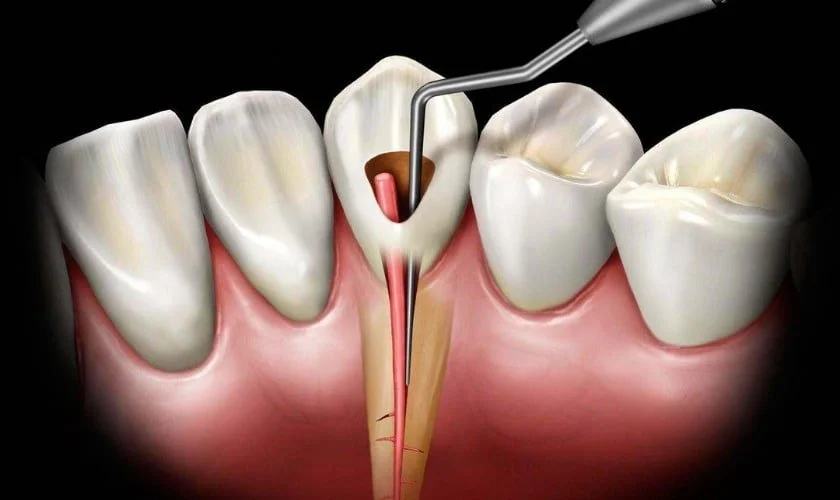
Knowing what to expect can ease your anxiety. Your dentist will begin by taking X-rays to assess the shape of the canals and the condition of the surrounding bone. After applying local anesthetic, the dentist will place a small rubber dam around the tooth to isolate it and keep it clean and dry. A small opening is then made in the top of the tooth to access the pulp chamber. Using tiny, flexible files, the dentist removes the infected pulp, cleans the canals, and shapes them for filling. The canals are irrigated with an antiseptic solution to kill any remaining bacteria. The cleaned and shaped canals are then filled with a biocompatible material, usually gutta-percha, and sealed with an adhesive cement. In most cases, a temporary filling is placed, and you will need a follow-up appointment for a permanent crown.

Post-Procedure Care and Recovery

After the procedure, it is normal to experience some tenderness or mild soreness for a few days. This is the result of the body's inflammatory response to the procedure, not a sign of a problem. Over-the-counter pain relievers such as ibuprofen or paracetamol are usually sufficient to manage any discomfort. You should avoid chewing on the affected side until the permanent crown is placed to prevent fracturing the tooth. Maintain your regular oral hygiene routine, but be gentle around the treated area. Your dentist will schedule follow-up appointments to ensure the tooth is healing properly and to fit you for a crown.

Conclusion

The root canal is perhaps the most misunderstood procedure in dentistry. The pain you fear is the pain of the infection, not the procedure itself. Modern root canals are comfortable, efficient, and effective treatments that allow you to keep your natural teeth and avoid the complications of extraction. If you have been told you need a root canal or are experiencing persistent tooth pain, do not let fear and misinformation delay your treatment. The temporary discomfort of the procedure is nothing compared to the long-term benefits of saving your tooth and eliminating infection.

Book online at https://painfreedentistsydney.com.au/
Call us at 9558 8988
Email us at info@painfreedentistsydney.com.au

Do I Really Need to Go to the Dentist Every 6 Months?

Introduction

The six-month dental checkup is so ingrained in our culture that it feels almost like a law of nature. But have you ever stopped to wonder why exactly we are told to visit the dentist twice a year? Is it truly necessary, or is it just a convenient standard that dentists use to fill their schedules? The answer lies in the biology of plaque, the progression of dental disease, and the unique characteristics of your individual mouth. While the six-month rule is a good baseline for many people, the reality is that the optimal frequency of dental visits depends on a variety of factors, including your oral hygiene habits, your risk for cavities and gum disease, and your overall health. Understanding these factors will help you determine whether you should stick to the twice-yearly schedule or whether you need more or less frequent visits.

The Biology of Plaque and Tartar

To understand why dental checkups are scheduled at six-month intervals, you need to understand the lifecycle of plaque. Dental plaque is a sticky, colorless biofilm of bacteria that constantly forms on your teeth. Within 24 to 48 hours of not brushing, this plaque can begin to harden into calculus, also known as tartar. However, the process of calcification is not instantaneous. It typically takes about 10 days to two weeks for plaque to fully mineralize into tartar. Once it becomes tartar, it is too hard to be removed by brushing and flossing; it requires a dental professional with specialized instruments to scrape it off.

Tartar is porous and rough, providing an ideal surface for even more plaque to accumulate. The six-month interval is based on the idea that within that timeframe, most people will have developed a significant amount of tartar that needs professional removal. Additionally, gum disease (gingivitis) typically takes several months to progress from mild inflammation to more advanced periodontitis. By visiting twice a year, your dentist can catch early signs of gum disease before they cause irreversible damage. The six-month schedule is also aligned with insurance coverage, which typically pays for two cleanings and exams per year, making it a practical standard.

The Importance of the Examination and Oral Cancer Screening

While the cleaning is an important part of your dental visit, it is only half the story. The examination your dentist performs is equally crucial. Your dentist will check for cavities, inspect old fillings and crowns for cracks or leaks, and evaluate the health of your gums by measuring the depth of the pockets around your teeth. These pockets are spaces between the tooth and gum, and when they become deeper than three millimeters, they indicate gum disease. Your dentist will also check your bite and look for signs of teeth grinding or jaw issues.

Perhaps the most critical part of the examination is the oral cancer screening. The dentist will palpate your neck, check your lymph nodes, and examine the soft tissues of your mouth, including your tongue, cheeks, palate, and floor of the mouth, for any unusual lumps, sores, or discolored patches. Oral cancer is a serious disease that can be life-threatening if not caught early. However, when detected in its early stages, it is highly treatable. Regular oral cancer screenings are your best defense. X-rays are also a vital part of the checkup. Bitewing X-rays, typically taken once a year, allow the dentist to see between your teeth where cavities often form. These cavities are invisible to the naked eye and can grow quite large before they cause pain.

When You Might Need More Frequent Visits

While every six months is a good rule of thumb, many people would benefit from more frequent visits. If you have a history of gum disease, you are likely at higher risk for recurrence. Once you have had periodontitis, your gums and bone are more susceptible to future breakdown, even with good home care. In such cases, your dentist may recommend visits every three to four months for what is called periodontal maintenance. These visits involve deeper cleanings below the gumline to keep the bacteria in check.

Other risk factors that may necessitate more frequent visits include smoking or tobacco use, which impairs blood flow to the gums and masks the signs of disease. Diabetes, especially if poorly controlled, impairs your body's ability to fight infection and can accelerate gum disease progression. Pregnancy hormones can cause exaggerated responses to plaque, leading to pregnancy gingivitis, which requires careful monitoring. Patients with a history of many cavities, or those with dry mouth caused by medications, may also need more frequent fluoride treatments and checkups to prevent rapid decay.

When You Might Need Less Frequent Visits

On the other end of the spectrum, some people may be able to get away with less frequent visits. If you have excellent oral hygiene—brushing twice a day with proper technique, flossing daily, and using an antimicrobial mouthwash—you may have very little tartar buildup. If you have no history of cavities and have healthy gums with shallow pockets, your dentist might suggest that once-a-year visits are sufficient. However, even in these cases, the oral cancer screening and X-rays remain crucial. It is important to note that the decision to extend the interval between visits should always be made in consultation with your dentist. They have the clinical expertise to assess your risk factors and make a personalized recommendation.

The Consequences of Skipping Visits

The most significant risk of skipping your dental checkup is that problems go undetected until they become painful and expensive. A small cavity that costs a few hundred dollars to fill can progress into a root canal costing thousands of dollars. Mild gingivitis that is reversible with a simple cleaning can progress into periodontitis, which is a chronic condition requiring ongoing maintenance and potentially surgery. Gum disease is also linked to systemic health conditions, including cardiovascular disease, stroke, and poor diabetes control.

Furthermore, many dental issues are not painful in their early stages. You may have a cracked filling or a developing cavity and feel absolutely nothing. By the time you feel pain, the decay has reached the nerve, and the treatment will be more complex and invasive. Regular visits are an investment in prevention, which is always less costly and less stressful than restorative or emergency treatment.

Conclusion

The six-month dental checkup is not a universal rule, but it is a very good starting point for most people. It is based on the biology of plaque formation and the need for regular professional examination to catch problems early. However, the optimal frequency of your visits depends on your individual risk factors, your oral hygiene habits, and your overall health. Some people need to go more frequently, some less. The best way to determine your ideal schedule is to have an honest conversation with your dentist. They can assess your risk profile and recommend a personalized plan that will keep your smile healthy without unnecessary visits. Remember, the goal is not just to check a box; it is to maintain a healthy mouth that supports your overall wellbeing.

Book online at https://painfreedentistsydney.com.au/
Call us at 9558 8988
Email us at info@painfreedentistsydney.com.au

How to Overcome Dental Anxiety and Fear of the Dentist

Introduction

For millions of people around the world, the mere thought of a dental appointment is enough to trigger a racing heart, sweaty palms, and an overwhelming urge to cancel. Dental anxiety is one of the most common fears in existence, and it affects people of all ages, backgrounds, and education levels. This fear is entirely rational; the mouth is an intimate and sensitive part of the body, and the sounds, smells, and sensations associated with dental work can feel invasive and threatening. However, avoiding the dentist because of fear only leads to more extensive and painful problems down the road. The good news is that modern dentistry has evolved dramatically, and there are now numerous strategies, technologies, and techniques specifically designed to help anxious patients receive the care they need in a comfortable, compassionate environment.

Understanding the Root of Dental Fear

Dental anxiety can stem from a variety of sources. For many, it originates from a negative childhood experience. A painful procedure, an insensitive dentist, or even just the scary stories shared by parents or peers can leave a lasting imprint. The feeling of loss of control is another major factor. Lying back in a chair with someone's hands in your mouth can make you feel vulnerable and helpless. The sounds of the drill and the sensation of vibration can trigger a primitive fight-or-flight response. Some people have a specific fear of needles (trypanophobia), which makes the prospect of local anesthesia terrifying. Others have a fear of gagging or choking. Past trauma, including physical or sexual abuse, can also manifest as extreme anxiety in the dental chair because the reclined position can feel reminiscent of traumatic situations.

The Vicious Cycle of Avoidance

When dental anxiety leads to avoidance, a vicious cycle begins. You put off your six-month checkup because you are nervous. As a result, a small cavity that could have been filled painlessly progresses into a larger cavity that requires a deeper filling. That deeper filling may eventually require a root canal or extraction, procedures that are more complex and more intimidating. Your fear intensifies, and you continue to avoid the dentist. Meanwhile, untreated gum disease progresses, leading to bone loss and loose teeth. Eventually, a dental emergency forces you to see a dentist, but because you have been avoiding care, the problem is severe, and your fear is at its peak. Breaking this cycle requires conscious effort and often professional support.

Communication: The Most Powerful Tool

The single most important step in overcoming dental anxiety is open, honest communication with your dental team. Before any procedure begins, you should have a conversation with your dentist about your fears. Let them know what triggers your anxiety. Are you afraid of the drill? The needle? The feeling of helplessness? Are there specific words or sounds that upset you? A good, compassionate dentist will listen without judgment and will adapt their approach accordingly. They should explain each step of the procedure before they do it, so you are never surprised. Many dentists also use a "stop signal," such as raising your hand, so you can indicate if you need a break or if something is uncomfortable. Knowing you have control can significantly reduce anxiety.

Sedation Dentistry: A Range of Options

For patients with moderate to severe anxiety, sedation dentistry offers a range of options to help you relax during treatment. The level of sedation can be tailored to your specific needs, from mild relaxation to deep sleep.

Nitrous oxide, commonly known as laughing gas, is a mild form of sedation. You inhale a mix of nitrous oxide and oxygen through a small mask that fits over your nose. Within minutes, you feel a sense of deep relaxation and well-being. You remain conscious and can communicate with the dentist, but you are far less aware of the sounds and sensations around you. The effects wear off almost immediately after the mask is removed, allowing you to drive yourself home.

Oral sedatives, such as diazepam or triazolam, are pills taken about an hour before your appointment. They produce a deeper level of relaxation than nitrous oxide. You will feel drowsy and sleepy, and your memory of the procedure will be hazy. You will need a friend or family member to drive you to and from the appointment.

IV sedation provides the deepest level of sedation without general anesthesia. The sedative is administered directly into your bloodstream, allowing for rapid onset and precise control of the level of sedation. You are in a sleep-like state but can still be roused if necessary. IV sedation is often used for complex procedures or for patients with severe phobia. You will not remember the procedure, and you will need a companion to drive you home.

General anesthesia is used for the most extreme cases or for lengthy surgical procedures. You are completely unconscious throughout. This is typically performed in a hospital setting by an anesthesiologist.

Non-Pharmacological Strategies

You do not always need medication to manage dental anxiety. Many patients find great relief through psychological and behavioral techniques.

Cognitive Behavioral Therapy (CBT) is a form of talk therapy that helps you identify and change the negative thought patterns associated with dental fear. A therapist can teach you coping strategies and gradually desensitize you to the dental environment.

Breathing exercises are a simple and powerful tool you can use right in the chair. When you start to feel anxious, take slow, deep breaths. Inhale through your nose for a count of four, hold for a count of four, and exhale slowly through your mouth for a count of four. This activates your parasympathetic nervous system, which counteracts the stress response.

Distraction techniques are highly effective. Bring a pair of noise-canceling headphones and listen to your favorite music, podcast, or audiobook during the procedure. Many dental offices also have ceiling-mounted TVs or virtual reality headsets to transport you to a calming environment. Some patients find that fidgeting with a stress ball or focusing on a specific point on the ceiling helps them stay grounded.

The Power of the Right Dental Practice

Your choice of dental practice can make a world of difference when it comes to managing anxiety. Seek out a practice that explicitly states they treat anxious patients. Many practices now market themselves as "fear-free" or "anxiety-friendly" and have specific protocols in place to make patients comfortable. When you call to make an appointment, tell the receptionist about your anxiety. They may schedule you for a longer appointment so there is no rush, or they may suggest a specific dentist who is known for their gentle touch and patience. Consider scheduling a "meet and greet" appointment where you simply come in, sit in the chair, and talk to the dentist without having any work done. This allows you to familiarize yourself with the environment and build trust without the pressure of a procedure.

Conclusion

Dental anxiety is real, valid, and incredibly common, but it does not have to control your oral health. By communicating openly with your dentist, exploring the range of sedation options available, and using psychological coping strategies, you can overcome your fears and receive the care you deserve. Delaying dental treatment only leads to more severe problems and more invasive procedures, which in turn feed the cycle of fear. Taking the first step—making that initial call and expressing your concerns—is the hardest part. Once you have found a compassionate dental team that understands your fear, you will be on the path to a healthier, pain-free smile.

Book online at https://painfreedentistsydney.com.au/
Call us at 9558 8988
Email us at info@painfreedentistsydney.com.au