Workers Compensation Dental Injury in Sydney: Your Rights and Treatment Options

A dental injury at work can happen in an instant — a slip, a fall, a workplace accident, or even a sports injury during a work event. Beyond the immediate pain, these injuries can lead to long-term dental problems, lost work time, and complicated insurance claims. At Pain Free Dentist Sydney, we understand the unique challenges of work-related dental injuries. We're here to provide expert treatment and the detailed reporting you need to support your workers compensation claim.

Common Work-Related Dental Injuries

Dental injuries in the workplace can range from minor to severe. Some of the most common we see at our Inner West Sydney clinic include:

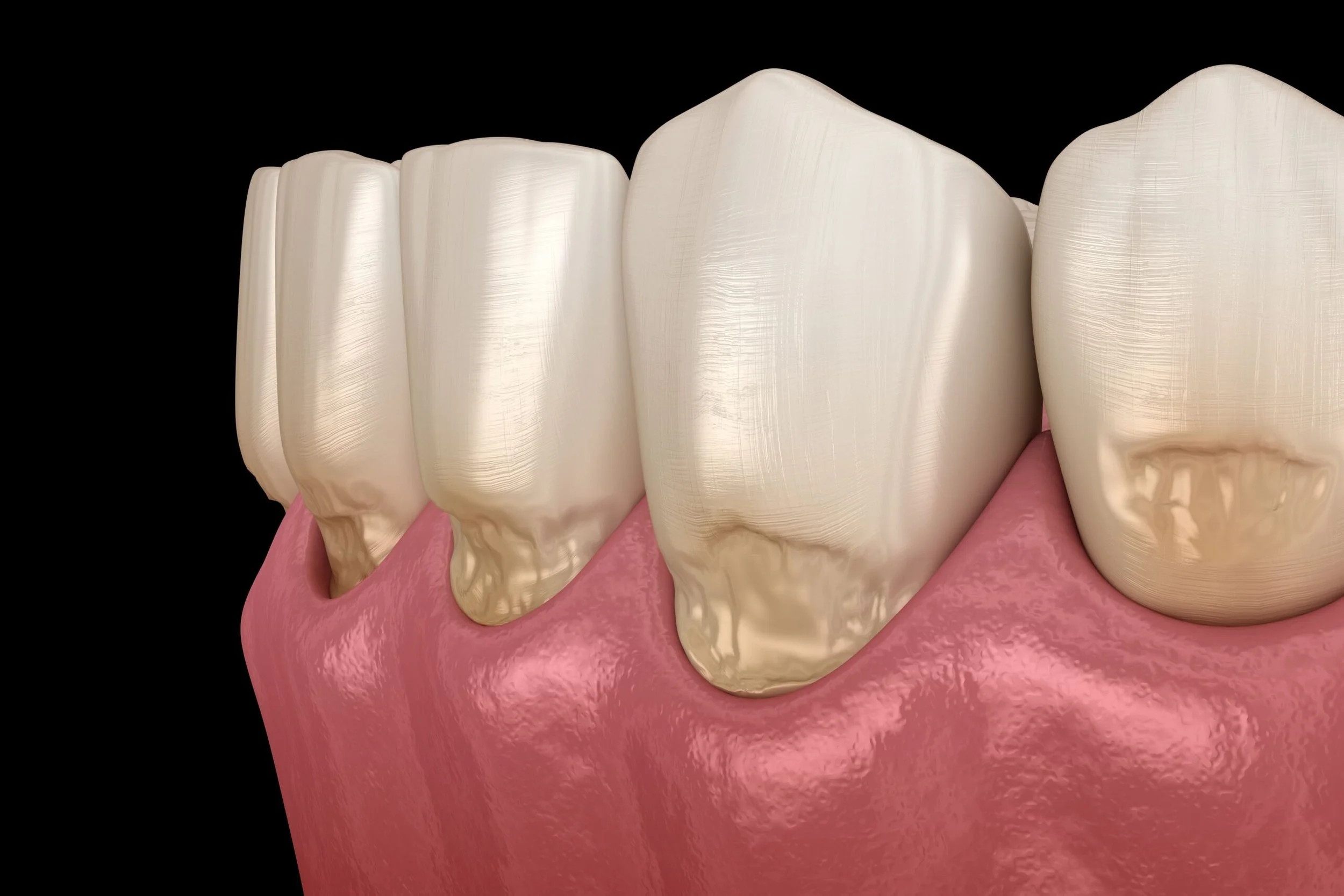
  • Chipped or fractured teeth from falls or impacts

  • Knocked-out (avulsed) teeth from accidents or collisions

  • Cracked teeth from physical trauma

  • Jaw injuries and TMJ damage from blows to the face

  • Soft tissue injuries to the gums, lips, or tongue

  • Dental damage from chemical exposure or workplace hazards

  • Injuries from falling objects on construction sites or in warehouses

  • Repetitive strain injuries affecting the jaw and teeth

No matter how the injury occurred, prompt treatment is essential — both for your health and for the strength of your workers compensation claim.

Why Prompt Treatment Matters

If you've suffered a dental injury at work, delaying treatment can have serious consequences:

  1. The injury may worsen — a cracked tooth can become infected; a dislodged tooth can be lost entirely

  2. Documentation becomes harder — insurance claims require clear evidence linking the injury to the workplace

  3. Recovery takes longer — early intervention often means simpler, less invasive treatment

  4. Your claim may be affected — delays can raise questions about the severity and cause of the injury

At Pain Free Dentist Sydney, we offer same-day emergency appointments for work-related dental injuries. Call us as soon as possible after your injury.

How We Support Your Workers Compensation Claim

We understand that navigating workers compensation can feel overwhelming. Our team is experienced in providing the documentation and reporting required by insurers and employers. We assist with:

  • Detailed clinical reports documenting the nature and extent of your dental injury

  • Treatment plans with clear timelines and cost estimates

  • Ongoing progress reports as your treatment advances

  • Communication with insurers and legal representatives when needed

  • Support for work-related claims — we understand the process and requirements

Dr. Lisa Chong and our team are committed to making the claims process as smooth as possible so you can focus on your recovery.

Treatment Options for Work-Related Dental Injuries

Depending on the type and severity of your injury, treatment may include:

  • Emergency dental care — pain relief, temporary repairs, and stabilisation

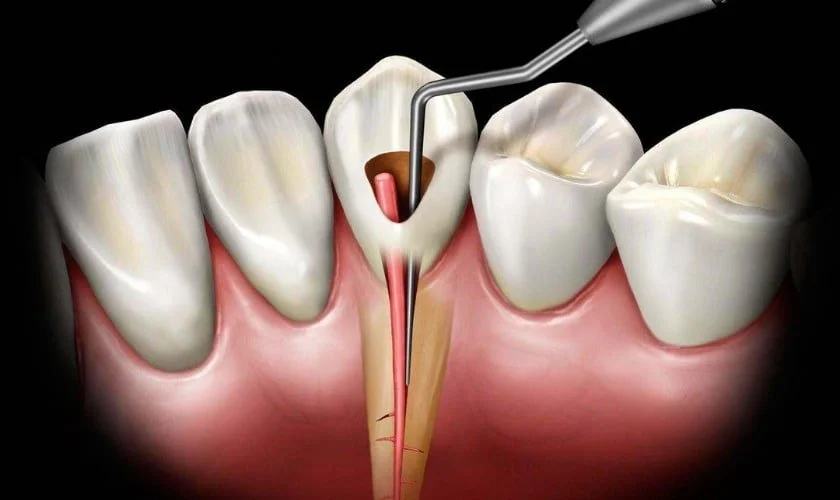
  • Root canal treatment — for infected or severely damaged teeth

  • Dental crowns and bridges — to restore broken or missing teeth

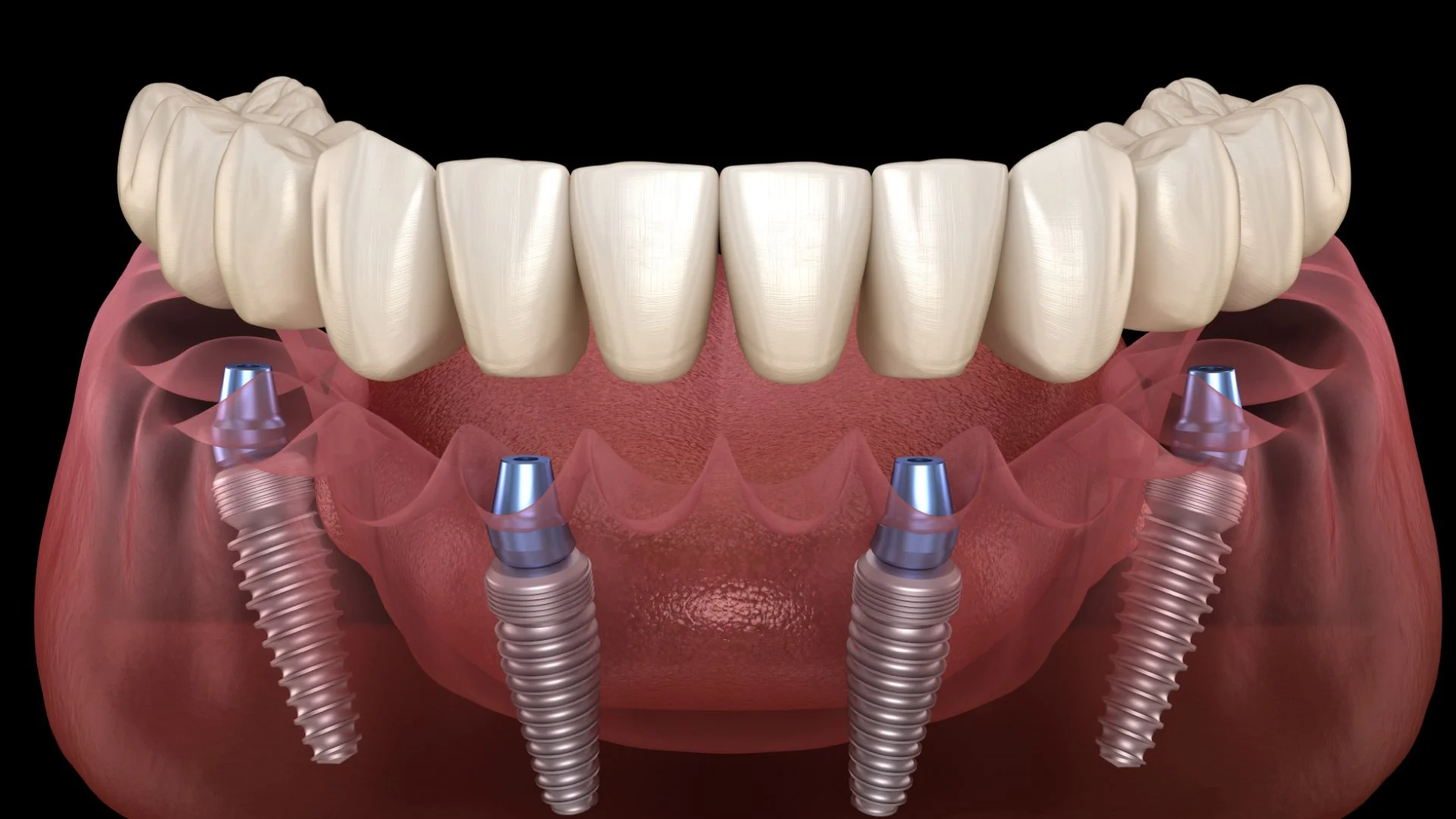
  • Dental implants — for permanent tooth replacement, including All-on-4 and All-on-6

  • TMJ therapy — for jaw injuries causing pain, clicking, or limited movement

  • Soft tissue treatment — for gum, lip, or tongue injuries

  • Full mouth rehabilitation — for extensive dental trauma

We use advanced techniques, including keyhole implant surgery and IV sedation for anxious or complex cases, ensuring your treatment is as comfortable and effective as possible.

Why Choose Pain Free Dentist Sydney for Workers Compensation Dental Care?

  • Experienced in work-related claims — we understand the reporting requirements

  • Same-day emergency appointments — prompt care when you need it most

  • Comprehensive treatment — from emergency care to full reconstruction

  • Inner West location — easily accessible from Dulwich Hill, Marrickville, Newtown, and surrounding suburbs

  • Pain-free approach — sedation options for anxious patients

  • Detailed documentation — supporting your claim every step of the way

What to Do If You Suffer a Dental Injury at Work

  1. Seek immediate medical attention if the injury is severe

  2. Report the injury to your employer as soon as possible

  3. Document everything — take photos, keep records, note witnesses

  4. Contact us for a dental assessment and treatment

  5. Keep all receipts and reports related to your treatment

  6. Follow your treatment plan — consistency supports your recovery and your claim

If you're unsure whether your injury qualifies for workers compensation, we can help point you in the right direction.

Book Your Workers Compensation Dental Assessment

If you've suffered a dental injury at work, don't wait. Early treatment protects your health and strengthens your claim.

Book an appointment: Call (02) 9558 8988 or book online. Let our team know your injury is work-related so we can prepare the appropriate documentation.

Pain Free Dentist Sydney
📍 The Garnet Building, Suite G1A / 570 New Canterbury Road, Hurlstone Park NSW 2193
📞 (02) 9558 8988

This article is for informational purposes only and does not constitute legal or medical advice. Workers compensation claims should be discussed with your employer, insurer, or legal

Sedation Dentistry in Inner West Sydney: A Pain-Free Path to Better Dental Health

If the thought of sitting in a dental chair makes your heart race, you're not alone. Dental anxiety affects millions of Australians, and for many people in Sydney's Inner West, fear of the dentist means delaying essential care — sometimes for years. At Pain Free Dentist Sydney in Dulwich Hill, we believe no one should have to choose between their dental health and their comfort. That's why we offer a full range of sedation dentistry options designed to make your visit calm, comfortable, and completely pain-free.

What Is Sedation Dentistry?

Sedation dentistry uses safe, controlled medications to help you relax during dental treatment. It's not the same as general anaesthesia — you remain conscious and responsive, but you feel deeply relaxed and often remember very little of the procedure.

Sedation dentistry is ideal for patients who:

  • Have dental anxiety or fear of the dentist

  • Have a strong gag reflex

  • Need complex or lengthy procedures such as dental implants or wisdom teeth removal

  • Have sensitive teeth or difficulty getting numb

  • Are children or anxious adults who struggle to sit still

  • Avoid the dentist due to past traumatic experiences

Our Sedation Options at Pain Free Dentist Sydney

Every patient is different, so we tailor sedation to your needs, your medical history, and the treatment you're having. Our Inner West Sydney clinic offers three main types of sedation:

1. Inhalation Gas Sedation (Happy Gas)

Nitrous oxide, commonly known as happy gas, is the lightest form of sedation. You breathe it through a small mask, and the effects kick in within minutes. You'll feel relaxed and floaty, but you remain fully awake and can respond to your dentist. The best part? The effects wear off almost immediately after the mask is removed, so you can drive yourself home.

Best for: Mild anxiety, short procedures, children, and patients who want a gentle introduction to sedation.

2. Oral Sedation

Oral sedation involves taking a pill before your appointment. It produces a deeper level of relaxation than happy gas, and many patients feel drowsy or even drift off during treatment. You'll need someone to drive you home afterward.

Best for: Moderate to severe dental anxiety, longer appointments, and patients who prefer not to have an IV.

3. IV Sedation

IV sedation is the deepest form of conscious sedation. Medication is delivered directly into your bloodstream, allowing us to adjust the level of sedation in real time. You'll feel deeply relaxed and may not remember much of the procedure at all. IV sedation is ideal for complex treatments like dental implants, All-on-4, All-on-6, and surgical extractions.

Best for: Severe anxiety, complex surgical procedures, strong gag reflex, and patients who want to complete multiple treatments in a single visit.

Dr. Lisa Chong is highly experienced in IV sedation and has helped countless anxious patients in Dulwich Hill, Marrickville, Newtown, and across the Inner West finally get the dental care they need — without fear.

Is Sedation Dentistry Safe?

Yes. When administered by a trained and experienced dental professional, sedation dentistry is very safe. At Pain Free Dentist Sydney, we conduct a thorough medical history review before recommending any sedation option. We monitor your vital signs throughout the procedure and ensure you're comfortable from start to finish.

Some patients worry about feeling "out of control." With conscious sedation, you remain responsive and can communicate with your dentist at all times. You're relaxed — not unconscious.

Why Choose Pain Free Dentist Sydney for Sedation Dentistry?

  • Over 30 years of experience — Dr. Lisa Chong is a trusted name in pain-free dentistry

  • Multiple sedation options — gas, oral, and IV sedation under one roof

  • Inner West location — conveniently located in Hurlstone Park, with free off-street parking

  • Anxiety-friendly team — we understand dental fear and never rush or judge

  • Multilingual care — Dr. Chong speaks English, Mandarin, Cantonese, and more

  • Comfort-focused clinic — from rubber dam use for gag reflex to gentle techniques

Ready to Overcome Your Dental Fear?

If you've been putting off dental treatment because of anxiety, sedation dentistry could change everything. You deserve a healthy smile without the stress.

Book a consultation: Call (02) 9558 8988 or book online. Let our team know you're interested in sedation options so we can plan your visit around your comfort.

Pain Free Dentist Sydney
📍 The Garnet Building, Suite G1A / 570 New Canterbury Road, Hurlstone Park NSW 2193
📞 (02) 9558 8988

This article is for informational purposes only and does not constitute medical advice. Treatment plans should be determined after a professional evaluation.

TMJ Dysfunction & Sleep Apnea: The Hidden Connection in Sydney's Inner West

If you wake up with jaw pain, headaches, or a partner who tells you that you snore heavily and stop breathing at night, these two problems may not be a coincidence. Research shows a significant two-way relationship between TMJ (temporomandibular joint) dysfunction and sleep apnea — one condition often makes the other worse. At Pain Free Dentist Sydney in the Inner West, we help patients identify and treat these hidden connections to improve both their oral health and their sleep quality.

The Overlooked Link Between TMJ Dysfunction and Sleep Apnea

Your TMJ is the joint that connects your jaw to your skull. It controls chewing, speaking, and yawning. When this joint or the muscles around it don't function properly, you may experience jaw pain, clicking or popping, limited jaw movement, headaches, and ear discomfort.

Obstructive sleep apnea (OSA) is a serious condition where your breathing repeatedly stops during sleep. Recent research has revealed a concerning connection between the two.

A 2024 Mendelian randomization study published in Nature and Science of Sleep found that obstructive sleep apnea likely increases the risk of developing TMJ disorders (OR=1.241). In other words, people with sleep apnea are significantly more likely to develop TMJ problems than the general population.

This finding is supported by clinical research. A 2025 study further revealed that the mechanism linking sleep apnea and TMJ disorders may involve underdevelopment of the upper jaw (maxilla) . The study found that patients with unilateral anterior disc displacement (a form of TMJ disorder) had significantly narrower maxillary width and a higher prevalence of chronic nasal obstruction (39.1% vs 10.2%).

This means: a narrow upper jaw can simultaneously block the nasal airway and create an unstable bite — triggering breathing pauses at night while overloading the TMJ during the day.

Why TMJ Problems May Signal Sleep Apnea

In our Inner West Sydney practice, we often see patients who come in for jaw pain or worn teeth, only to discover an undiagnosed sleep breathing problem during their consultation.

Here are warning signs to watch for:

Nighttime grinding and clenching: Many sleep apnea patients grind their teeth at night (bruxism). When the airway becomes blocked, the body tries to move the jaw forward to open the airway — this compensatory action often shows up as grinding or clenching.

Morning jaw pain and headaches: If you wake up with a sore jaw or a headache near your temples, this could be a sign of nighttime airway obstruction and compensatory jaw movement.

Scalloped tongue edges: A tongue with indentations along the sides (scalloped edges) is a sign of the tongue repeatedly pressing against the teeth during sleep. It's often associated with airway problems and a low tongue posture.

Mouth breathing and dry mouth: Sleep apnea patients often breathe through their mouth at night because their nasal airway is blocked. This leads to morning dry mouth, sore throat, and long-term changes to oral bacteria balance and tooth health.

Who Should Be Especially Concerned About This Connection

If you have both TMJ symptoms and sleep problems, we recommend a professional evaluation — especially if you:

  • Grind or clench your teeth: Grinding is not only a trigger for TMJ problems, but may also be your body's compensatory response to sleep apnea

  • Breathe through your mouth or snore long-term: A blocked nasal airway forces the jaw into an abnormal position, increasing TMJ strain

  • Have been diagnosed with sleep apnea: Research shows OSA patients have a significantly higher risk of developing TMJ disorders

  • Have a tongue tie: A restricted tongue affects TMJ health and airway patency at the same time

Next Steps for Inner West Sydney Patients

The connection between TMJ problems and sleep apnea means that treating only one condition often fails to deliver the best results. If you've been struggling with jaw pain, headaches, or poor sleep quality, a comprehensive dental assessment may be more helpful than seeing multiple practitioners separately.

Pain Free Dentist Sydney is located in the Inner West at The Garnet Building, Hurlstone Park (570 New Canterbury Road). Led by Dr. Lisa Chong, who has over 25 years of clinical experience, our practice specialises in TMJ therapy, dental solutions for sleep apnea, and comfortable care for anxious patients. Dr. Chong's team will assess your jaw joint, tongue posture, airway space, and sleep-related symptoms to help you understand how these seemingly separate issues may be connected.

If you're not sure whether your symptoms are related to TMJ or sleep breathing, start with these self-check questions:

  • Do you often wake up with jaw pain or difficulty opening your mouth?

  • Has your partner mentioned that you snore, stop breathing, or grind your teeth at night?

  • Do you often feel tired during the day, even after a full night's sleep?

  • Have you noticed that you tend to breathe through your mouth rather than your nose?

If you answered yes to any of these questions, a professional evaluation can help you untangle the connection behind your symptoms.

Book a consultation: Call (02) 9558 8988 or book online. When you make your appointment, let our team know about your jaw symptoms and sleep concerns so we can arrange a targeted, comprehensive assessment.

Pain Free Dentist Sydney
📍 The Garnet Building, Suite G1A / 570 New Canterbury Road, Hurlstone Park NSW 2193
📞 (02) 9558 8988

This article is for informational purposes only and does not constitute medical advice. Treatment plans should be determined after a professional evaluation.