
Dental Veneers in Sydney: Transform Your Smile with a Natural-Looking Result

Have you ever wished your teeth were straighter, whiter, more even, or more balanced? If you feel self-conscious about chipped teeth, uneven edges, gaps, or discolouration, dental veneers may be an option to help you achieve a more confident smile.

At Pain Free Dentist Sydney, we understand that every smile is different. Our approach to cosmetic dentistry focuses on understanding your goals, assessing your oral health, and planning treatment that suits your teeth, facial features, and individual needs.

What Are Dental Veneers?

Dental veneers are thin coverings bonded to the front surfaces of teeth to improve their appearance. They can be used to change the colour, shape, size, or overall symmetry of selected teeth.

Veneers are commonly made from porcelain or composite resin. The most suitable material depends on your smile goals, bite, oral health, budget, and the condition of your existing teeth.

Veneers may help improve the appearance of:

  • Stained or discoloured teeth that do not respond well to whitening

  • Chipped, worn, or uneven tooth edges

  • Small gaps between teeth

  • Teeth that appear irregular in shape or size

  • Minor cosmetic alignment concerns

  • An uneven or inconsistent smile

However, veneers are not suitable for every situation. A dental assessment is important to determine whether they are the right choice for you.

Types of Dental Veneers

1. Porcelain Veneers

Porcelain veneers are custom-made restorations designed to create a natural-looking appearance. Porcelain can reflect light in a way that resembles natural enamel and is generally resistant to surface staining.

Depending on the condition of your teeth and the treatment plan, some enamel may need to be removed to create space for the veneers. This process is usually irreversible, so careful planning is essential.

Porcelain veneers may be suitable for people seeking a longer-term cosmetic change, provided they maintain good oral health and have an appropriate bite.

2. Composite Veneers

Composite veneers are made from tooth-coloured resin that is shaped and bonded directly to the teeth or applied as part of a planned restoration.

Potential advantages include a more conservative approach in suitable cases, fewer appointments, and generally lower initial costs than porcelain veneers.

Composite resin can stain, chip, or wear over time and may require polishing, repair, or replacement. Suitability depends on the individual tooth and the desired result.

3. Are No-Prep Veneers Right for You?

You may have seen advertisements for veneers that require little or no tooth preparation. These can be appropriate in selected cases, but they are not suitable for everyone.

Adding material to teeth without creating enough space may make them look bulky or affect the way your teeth meet. A dentist needs to assess your tooth position, available space, gum health, and bite before recommending this approach.

What Is the Dental Veneer Procedure?

Getting veneers involves more than simply choosing a shade of white. Careful planning helps create a result that looks balanced and works comfortably with your bite.

Step 1: Consultation and Smile Assessment

Your dentist will discuss what you would like to change about your smile and examine your teeth, gums, bite, and existing restorations.

If you grind or clench your teeth, have gum disease, or have untreated decay, these issues may need to be addressed before cosmetic treatment.

Step 2: Smile Design and Treatment Planning

Your dentist will discuss the proposed tooth shape, shade, proportions, and number of teeth involved. Photographs, scans, impressions, or a mock-up may be used where appropriate to help you understand the proposed result.

The aim is to plan a smile that complements your natural features rather than simply making every tooth look identical.

Step 3: Tooth Preparation

For porcelain veneers, a small amount of enamel may need to be removed, depending on the design and position of the teeth. Temporary veneers may be provided when required.

Composite veneers may be placed directly in suitable cases, sometimes with minimal preparation.

Step 4: Bonding the Veneers

Porcelain veneers are made to fit your teeth and then bonded into place. Composite veneers are shaped and polished by the dentist.

Your dentist will check the appearance, fit, and bite to help ensure the veneers feel comfortable.

Step 5: Review and Maintenance

Follow-up appointments may be recommended to assess your gums, the condition of your veneers, and your bite. Good daily oral hygiene and regular dental reviews are essential.

Do Dental Veneers Damage Your Natural Teeth?

This is one of the most common questions people ask.

Veneers do not automatically damage teeth, but the treatment must be carefully planned. Porcelain veneers often require some enamel removal, and this change is generally irreversible. If a veneer chips, comes loose, or needs replacement, further treatment may be necessary.

The amount of preparation varies from case to case. Where possible, your dentist can discuss conservative alternatives that preserve more natural tooth structure.

It is important to understand the long-term commitment before choosing veneers.

Are Veneers Better Than Teeth Whitening or Dental Crowns?

The best treatment depends on the problem you want to correct.

  • Teeth whitening: May be appropriate when the main concern is tooth colour and the teeth are otherwise healthy.

  • Dental bonding: May be suitable for small chips, minor gaps, or limited shape changes.

  • Dental veneers: May be considered when several visible aspects of a tooth need cosmetic improvement.

  • Dental crowns: May be more appropriate when a tooth is significantly weakened, heavily restored, or structurally damaged.

Veneers are primarily a cosmetic treatment. They do not replace the need to treat decay, gum disease, or significant structural damage.

Your dentist can explain the advantages, limitations, and costs of each option.

Can You Get Veneers If You Grind Your Teeth?

Teeth grinding, also known as bruxism, can place additional forces on veneers. This may increase the risk of chipping, cracking, debonding, or wear.

If you clench your jaw or grind your teeth during sleep, your dentist should assess your bite and discuss ways to manage the forces on your teeth. A protective night guard may be recommended in some cases.

If you also experience jaw pain, headaches, or other symptoms associated with temporomandibular joint (TMJ) problems, these concerns should be assessed before proceeding with elective cosmetic dentistry.

How Long Do Dental Veneers Last?

The lifespan of veneers varies depending on the material, bite, oral hygiene, habits, and maintenance.

Porcelain veneers can last many years, while composite veneers may need more frequent maintenance or repair. Neither option should be considered permanent.

To help protect your veneers:

  • Brush twice daily with fluoride toothpaste.

  • Clean between your teeth every day.

  • Attend regular dental check-ups.

  • Avoid biting hard objects or using your teeth to open packaging.

  • Discuss a night guard with your dentist if you grind your teeth.

  • Seek advice if a veneer feels loose, chips, or changes your bite.

How Much Do Dental Veneers Cost in Sydney?

The cost of dental veneers in Sydney varies depending on the material, number of teeth treated, complexity of the case, and the amount of preparation required.

Composite veneers generally have a lower initial cost than porcelain veneers. Porcelain veneers involve laboratory fabrication and individualised planning.

During your consultation, ask for a clear treatment plan outlining the recommended option, total fees, any additional procedures, and likely maintenance requirements.

The cheapest option is not necessarily the most suitable. A well-planned treatment should consider the health of your teeth and gums, the forces on your bite, and the result you want to achieve.

Are Dental Veneers Worth It?

For suitable patients, veneers can improve the appearance of chipped, discoloured, uneven, or irregularly shaped teeth. They may help create a more harmonious smile and improve confidence.

However, veneers involve limitations and potential maintenance. Before proceeding, consider whether whitening, bonding, orthodontic treatment, or another conservative option could achieve your goals with less alteration to your natural teeth.

A personalised assessment helps you make an informed decision.

Dental Veneers at Pain Free Dentist Sydney

At Pain Free Dentist Sydney, we take the time to understand your concerns and discuss cosmetic dental options suited to your individual needs. Our approach considers not only how your smile looks, but also the health of your teeth, gums, and bite.

If you are considering porcelain veneers, composite veneers, or other cosmetic dentistry options in Sydney's Inner West, we welcome you to arrange a consultation.

Contact Pain Free Dentist Sydney

The suitability, benefits, risks, and expected lifespan of dental veneers vary between individuals. A clinical examination is required to determine the most appropriate treatment.

Frequently Asked Questions About Dental Veneers

Are veneers painful?

The experience varies depending on the type of veneer and whether tooth preparation is needed. Local anaesthetic may be used when appropriate. Your dentist can discuss ways to make treatment more comfortable, particularly if you experience dental anxiety.

Can veneers look natural?

Yes. When carefully planned, veneers can be designed to complement your facial features, tooth proportions, and preferred shade. The result depends on the material, design, and clinical execution.

Can veneers be whitened?

Porcelain and composite veneers do not respond to conventional teeth whitening in the same way as natural teeth. If you are considering whitening, discuss the timing with your dentist before choosing your veneer shade.

Can veneers fall off?

Veneers can occasionally become loose or debond. If this happens, contact your dentist rather than attempting to glue the veneer back yourself.

Do I need veneers on all my teeth?

No. Some people need treatment for only one or two teeth, while others may choose a broader smile makeover. The number of veneers should be based on your goals, clinical needs, and the most conservative suitable treatment plan.

Dental Implants in Sydney: A Complete Guide to Replacing Missing Teeth

Missing a tooth can affect more than your smile. It may make chewing uncomfortable, change the way you speak or leave you feeling less confident about your appearance.

Whether you have lost one tooth, several teeth or are considering replacing an uncomfortable denture, dental implants may offer a stable, long-term tooth replacement option.

Modern dental implants are designed to replace missing tooth roots and support natural-looking replacement teeth. For suitable patients, they can help restore chewing function, appearance and confidence.

At Pain Free Dentist Sydney, we believe that understanding your options is an important first step towards making informed decisions about your oral health.

What Are Dental Implants?

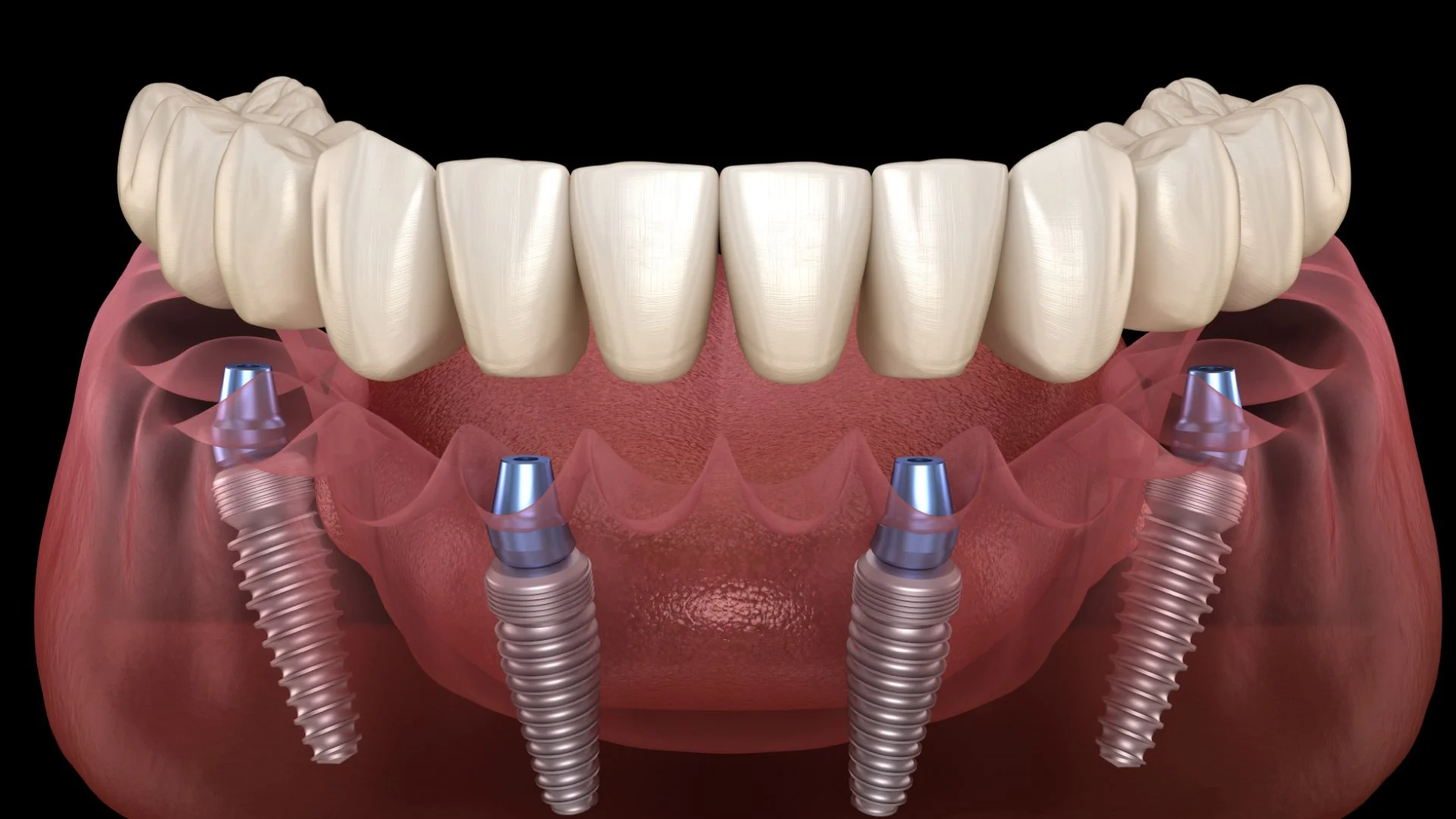
A dental implant is a small fixture, commonly made from titanium, that is placed into the jawbone to support a replacement tooth.

Once the implant has integrated with the surrounding bone, it can support a dental crown, bridge or denture, depending on the treatment plan.

A typical single-tooth implant restoration consists of three components:

  • Dental implant: The fixture placed in the jawbone.

  • Abutment: The connector between the implant and the replacement tooth.

  • Dental crown: The visible tooth-shaped restoration designed to restore appearance and function.

Unlike a conventional dental bridge, a single-tooth implant does not usually require the neighbouring teeth to be prepared to support the replacement tooth.

However, implant treatment involves surgery and requires appropriate planning, healing and ongoing maintenance.

Who May Benefit from Dental Implants?

Dental implants may be suitable for adults who have lost teeth because of decay, gum disease, trauma or other dental conditions.

They may be considered for patients who have:

  • One missing tooth

  • Several missing teeth

  • Teeth that cannot be predictably restored

  • Difficulty chewing with an existing removable denture

  • A desire for a fixed tooth replacement option

  • Gaps that affect the appearance of their smile

Not everyone is automatically suitable for implant treatment. Jawbone volume, gum health, medical history, smoking status and oral hygiene all influence the assessment.

A comprehensive examination helps determine whether implants are appropriate or whether another tooth replacement option would better meet your needs.

What Are the Benefits of Dental Implants?

1. A Natural-Looking Smile

Dental implant crowns are designed to resemble natural teeth in shape, colour and proportion. With careful planning, the replacement tooth can be made to blend with the surrounding teeth.

The final appearance depends on factors such as gum shape, bone support, implant position and the type of restoration used.

2. Improved Chewing Function

A well-planned implant restoration can provide stable support when chewing.

For patients who struggle with a missing tooth or an unstable denture, this may improve everyday eating comfort. The outcome depends on the condition of the remaining teeth and the overall bite.

3. Support for Jawbone Preservation

After a tooth is lost, the surrounding jawbone may gradually shrink because it no longer receives the same stimulation from the tooth root.

A dental implant transfers chewing forces to the surrounding bone and may help preserve bone locally. However, it cannot prevent all bone loss, particularly in areas affected by gum disease, infection or previous tooth extraction.

4. No Dependence on Neighbouring Teeth for a Single-Tooth Replacement

A single implant-supported crown generally does not require the adjacent teeth to be cut down, unlike a conventional tooth-supported bridge.

This can be an important consideration when the neighbouring teeth are healthy.

5. A Fixed Tooth Replacement Option

Once restored, an implant-supported crown is fixed in place and is not removed for routine cleaning.

Patients still need to clean carefully around the implant and attend regular professional reviews to maintain the health of the surrounding tissues.

What Happens During Dental Implant Treatment?

Dental implant treatment usually involves several stages.

Step 1: Consultation and Assessment

Your dentist evaluates your teeth, gums, bite and medical history. Appropriate dental imaging is used to assess the area where the implant may be placed.

A cone beam computed tomography (CBCT) scan may be recommended when three-dimensional information about the bone and nearby anatomical structures is needed.

Your dentist will discuss the proposed treatment, alternatives, risks, expected timeline and costs.

Step 2: Preparing the Implant Site

If necessary, existing gum disease, decay or infection should be managed before implant placement.

Some patients may require a tooth extraction or bone grafting if there is insufficient bone to support the planned implant.

Other patients may have enough suitable bone to proceed without additional grafting.

Step 3: Implant Placement

The implant is surgically positioned in the jawbone under local anaesthesia. Sedation may be considered for suitable patients who experience dental anxiety or require more extensive treatment.

The complexity of the procedure depends on the location of the missing tooth and the surrounding anatomy.

Step 4: Healing and Bone Integration

After placement, the implant requires time to integrate with the surrounding bone, a process known as osseointegration.

The healing period varies according to the patient's circumstances, implant location and whether additional procedures were required.

During this time, your dentist will advise you on eating, cleaning and protecting the treatment site.

Step 5: Attaching the Replacement Tooth

Once the implant is sufficiently stable and healing has progressed, the abutment and final crown can be fitted.

In selected cases, a temporary tooth may be provided earlier. However, immediate placement or loading is not suitable for every patient.

Your dentist will recommend a timeline based on the clinical findings.

How Much Do Dental Implants Cost in Sydney?

The cost of dental implants varies depending on the complexity of the case and the treatment required.

Factors that can influence the total cost include:

  • The number of implants needed

  • The type and material of the final crown or bridge

  • Extractions or bone grafting

  • The need for additional imaging

  • Surgical complexity

  • Temporary restorations

  • Follow-up appointments and maintenance

When comparing treatment plans, check whether the quoted price includes the implant fixture, abutment, final crown, imaging, surgery and follow-up care.

A written treatment plan can help you understand the full cost before committing to treatment.

Are Dental Implants Painful?

Implant placement is generally performed under local anaesthesia, which helps manage discomfort during the procedure.

After surgery, some swelling, bruising and tenderness are normal. These symptoms usually improve as healing progresses, although the amount of discomfort varies between individuals.

Patients who feel anxious about dental treatment should discuss their concerns before the appointment. Depending on their needs and medical suitability, additional comfort measures or sedation may be considered.

Following your dentist's post-operative instructions helps support recovery and reduces the risk of complications.

How Long Do Dental Implants Last?

Dental implants can function for many years, and some remain successful for decades. However, no implant can be guaranteed to last a lifetime.

Long-term outcomes depend on several factors, including:

  • The condition of the surrounding bone and gums

  • Oral hygiene and professional maintenance

  • Smoking and other lifestyle factors

  • Clenching or grinding

  • The design and condition of the restoration

  • General health and healing

The implant fixture and the crown have different maintenance needs. The crown may require repair or replacement over time, even when the implant itself remains stable.

Regular dental reviews help monitor the implant and identify problems early.

Who Is Not Suitable for Dental Implants?

Dental implants are not suitable for everyone in every circumstance.

Potential concerns include active periodontal disease, insufficient bone, uncontrolled diabetes, smoking, certain medications and medical conditions that affect healing.

Some of these issues can be addressed before treatment. Others may require additional precautions, a modified treatment plan or an alternative restoration.

A history of gum disease does not automatically exclude someone from implant treatment, but periodontal health must be assessed and managed carefully.

Dental Implants vs Dental Bridges vs Dentures

Choosing the right tooth replacement option depends on your oral health, preferences, budget and long-term goals.

Dental implants: Fixed restorations supported by implants placed in the jawbone. They involve surgery and a healing period.

Dental bridges: Fixed replacement teeth supported by neighbouring natural teeth or implants. A conventional bridge may require preparation of the supporting teeth.

Removable dentures: Removable appliances that replace missing teeth. They may be suitable when surgery is not preferred or is not appropriate.

There is no single best option for every patient. Your dentist can explain the advantages, limitations and maintenance requirements of each approach.

Frequently Asked Questions About Dental Implants

Can I get a dental implant immediately after tooth extraction?

In selected cases, an implant can be placed at the same appointment as the extraction. Suitability depends on infection, bone conditions, implant stability and other clinical factors. Immediate placement does not always mean the final crown can be fitted immediately.

Do dental implants look like real teeth?

Implant crowns are designed to resemble natural teeth. The final result depends on the position of the implant, gum contours, available space and restorative planning.

Can I get dental implants if I have gum disease?

Gum disease should be assessed and controlled before implant treatment. A history of periodontitis may increase the risk of complications, so ongoing periodontal maintenance is particularly important.

Can dental implants replace several missing teeth?

Yes. Depending on the number and location of missing teeth, implants can support individual crowns, bridges or full-arch restorations.

Do dental implants require special cleaning?

Implants require careful daily cleaning, including around the gumline and between teeth. Your dentist may recommend interdental brushes or other aids suited to your restoration.

Book a Dental Implant Consultation in Sydney's Inner West

If you have a missing tooth or are exploring options for replacing several teeth, a dental implant consultation can help you understand your suitability, treatment choices and expected costs.

At Pain Free Dentist Sydney, we aim to provide clear information and individualised care based on your dental health and treatment goals.

Contact Pain Free Dentist Sydney to discuss your tooth replacement options.

📍 Suite 1A, 570 New Canterbury Road, Hurlstone Park NSW 2193

📞 Phone: 02 9558 8988

🌐 Website: https://painfreedentistsydney.com.au

Disclaimer: This article provides general dental information and is not a substitute for an individual examination or treatment advice. Dental implant suitability, risks, costs and outcomes vary between patients.

Gum Disease: Causes, Symptoms and How to Protect Your Teeth and Gums

Do your gums bleed when you brush your teeth? Have you noticed persistent bad breath, swollen gums or gums that appear to be pulling away from your teeth?

These symptoms may be early warning signs of gum disease, a common oral health condition that can affect people of all ages.

Gum disease often develops gradually, and it may not cause significant pain in its early stages. Without appropriate treatment, however, it can damage the tissues and bone supporting your teeth, potentially leading to loose teeth and tooth loss.

The good news is that early detection and appropriate dental care can help manage gum disease and protect your long-term oral health.

At Pain Free Dentist Sydney, we believe understanding the signs of gum disease is an important step towards maintaining a healthy smile.

What Is Gum Disease?

Gum disease, also known as periodontal disease, is an inflammatory condition affecting the gums and the supporting structures around the teeth.

It commonly develops when plaque, a sticky film containing bacteria, accumulates around the teeth and along the gumline.

If plaque is not adequately removed, it can harden into tartar, which cannot be removed through ordinary brushing alone. The resulting bacterial deposits can contribute to inflammation and damage to the surrounding tissues.

Gum disease generally occurs in two main stages: gingivitis and periodontitis.

1. Gingivitis: The Early Stage of Gum Disease

Gingivitis is inflammation of the gums without the bone loss that characterises periodontitis.

Common symptoms include:

  • Red or swollen gums

  • Bleeding when brushing or flossing

  • Tenderness around the gumline

  • Persistent bad breath

At this stage, the damage is generally reversible with effective plaque control and appropriate professional care.

Early treatment can help prevent gingivitis from progressing to more serious periodontal disease.

2. Periodontitis: Advanced Gum Disease

When inflammation progresses and damages the tissues supporting the teeth, the condition is known as periodontitis.

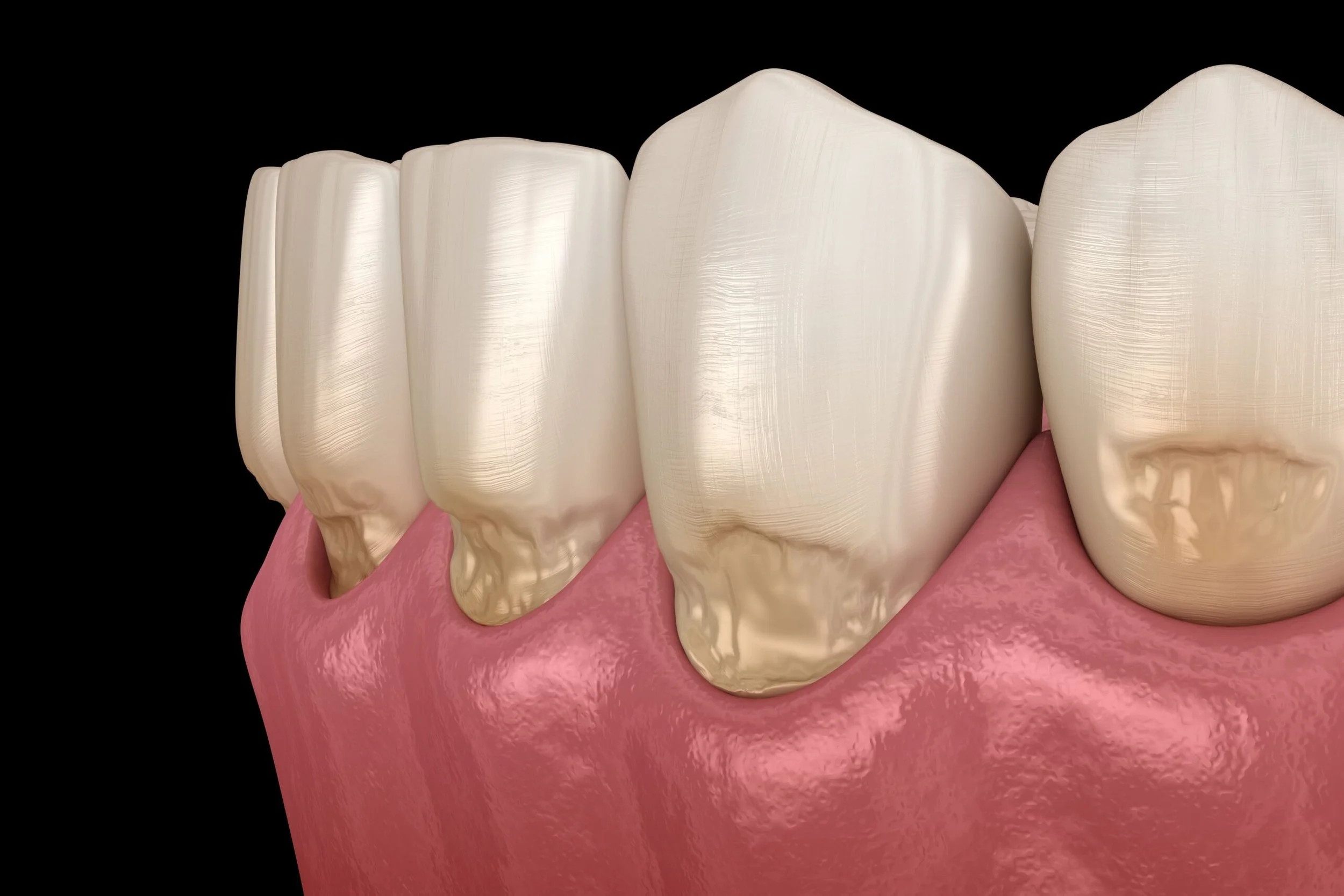
The supporting bone and periodontal ligament may gradually deteriorate, creating pockets between the gums and teeth. These pockets can harbour bacteria and become increasingly difficult to clean.

Possible signs include:

  • Receding gums

  • Teeth appearing longer than before

  • Persistent bad breath

  • Spaces developing between teeth

  • Loose or shifting teeth

  • Changes in the way your teeth fit together when biting

Periodontitis can cause permanent damage to the supporting structures of the teeth. Although lost bone is not routinely restored through conventional gum treatment, appropriate care can help control the disease and reduce the risk of further deterioration.

What Causes Gum Disease?

Plaque bacteria are the primary cause of most gum disease, but several factors can increase a person's risk.

Poor plaque control: Inadequate brushing and cleaning between the teeth allow plaque to accumulate.

Smoking and tobacco use: Smoking increases the risk of periodontitis and can interfere with healing. It may also mask bleeding, making gum disease harder to recognise.

Diabetes: Poorly controlled diabetes is associated with an increased risk of periodontal disease and can make management more difficult.

Hormonal changes: Pregnancy and certain other hormonal changes can affect the gums' response to plaque.

Genetics: Some people are more susceptible to periodontal destruction despite apparently reasonable oral hygiene.

Certain medications and medical conditions: These may contribute to dry mouth, gum enlargement or other factors that affect periodontal health.

Stress and lifestyle factors: These may influence oral hygiene habits, inflammation and the body's ability to manage disease.

Understanding your individual risk factors helps your dentist recommend an appropriate prevention and treatment plan.

Can Gum Disease Occur Without Pain?

Yes. One of the most concerning aspects of gum disease is that it can progress without causing significant discomfort.

You may have inflammation or even substantial supporting bone loss without experiencing the kind of pain that usually prompts an urgent dental visit.

Bleeding gums are not something to ignore simply because they do not hurt.

If you notice persistent bleeding, swelling, bad breath or gum recession, arrange a dental examination to determine the cause.

How Is Gum Disease Diagnosed?

A gum disease assessment involves more than simply looking at the gums.

Your dentist may assess:

  • The appearance and condition of your gums

  • Bleeding and inflammation

  • Periodontal pocket depths around the teeth

  • Gum recession and attachment loss

  • Tooth mobility

  • Plaque and tartar accumulation

  • Dental X-rays, when indicated, to evaluate supporting bone levels

These findings help determine whether you have gingivitis, periodontitis or another condition affecting the gums.

The severity and extent of periodontal disease influence the recommended treatment and maintenance schedule.

How Is Gum Disease Treated?

Treatment depends on the type and severity of the disease. The aim is to control the bacterial infection, reduce inflammation, protect the supporting tissues and help you maintain healthy gums.

1. Professional Scale and Clean

A professional dental clean removes plaque and tartar from accessible tooth surfaces and around the gumline.

This is often an important part of managing gingivitis and maintaining periodontal health.

However, a routine clean may not be sufficient for established periodontitis, where deeper deposits are present below the gumline.

2. Deep Cleaning for Periodontitis

Patients with periodontitis may require scaling and root surface debridement, often called deep cleaning.

This involves removing plaque and tartar from below the gumline and cleaning affected root surfaces to help reduce inflammation and periodontal pocket depths.

Treatment may be completed over one or several appointments, depending on the extent of the disease and patient needs.

Local anaesthesia can be used when appropriate to improve comfort.

3. Improving Home Oral Hygiene

Daily plaque control is essential for successful treatment.

Your dentist may recommend:

  • Brushing twice daily with fluoride toothpaste

  • Cleaning between your teeth every day using interdental brushes or floss

  • Using additional oral hygiene products when indicated

  • Following personalised instructions for cleaning around crowns, bridges or implants

The most effective routine is one you can perform consistently and correctly.

4. Periodontal Maintenance

After active treatment, regular maintenance appointments help monitor gum health and remove deposits that accumulate over time.

The recommended interval depends on your periodontal condition, risk factors and response to treatment. People with a history of periodontitis often need more frequent maintenance than those with healthy gums.

5. Specialist or Surgical Treatment

Some cases of advanced periodontitis require referral to a periodontist or consideration of periodontal surgery.

The aim may be to access deep deposits, manage persistent pockets or address particular defects in the supporting tissues.

Not every patient needs surgery. The decision depends on the response to initial treatment and the remaining periodontal problems.

Can Gum Disease Cause Tooth Loss?

Yes. Advanced periodontitis can destroy the bone and connective tissue that hold teeth in place.

As support decreases, teeth may become loose, shift position or eventually require removal.

However, a diagnosis of gum disease does not automatically mean you will lose your teeth. Many patients can retain their natural teeth for years with appropriate treatment, good home care and ongoing maintenance.

Seeking treatment early improves the opportunity to control the disease before extensive damage occurs.

Is Gum Disease Linked to General Health?

Research has identified associations between periodontitis and several systemic health conditions, including diabetes and cardiovascular disease.

The relationship with diabetes is particularly well recognised: diabetes can increase susceptibility to periodontal disease, while severe periodontal inflammation may make blood glucose management more difficult.

Researchers continue to investigate the relationships between periodontal disease and other health conditions. An association does not necessarily mean that gum disease directly causes another condition.

Maintaining healthy gums is an important part of overall health, but periodontal treatment should not be promoted as a guaranteed way to prevent or cure systemic diseases.

How Can You Prevent Gum Disease?

Consistent daily care and regular professional assessment are the foundations of prevention.

  • Brush twice daily using a soft-bristled toothbrush.

  • Clean between your teeth every day.

  • Attend regular dental examinations and professional cleans as recommended.

  • Avoid smoking and tobacco products.

  • Manage diabetes with appropriate medical support.

  • Seek advice if you notice bleeding, swelling, gum recession or persistent bad breath.

Remember, healthy gums should not routinely bleed during gentle brushing and cleaning between the teeth.

Frequently Asked Questions About Gum Disease

Can bleeding gums be normal?

Persistent bleeding is not something to ignore. It may indicate gingivitis, periodontitis or another oral health problem and should be assessed by a dental professional.

Can gum disease be reversed?

Gingivitis can generally be reversed with effective plaque control and professional care. Periodontitis can usually be managed, but the bone and attachment already lost are not routinely restored by conventional treatment.

Does gum disease cause bad breath?

Yes. Plaque accumulation, inflammation and periodontal pockets can contribute to persistent bad breath. Other causes are also possible, so an assessment can help identify the source.

Can I treat gum disease at home?

Good brushing and interdental cleaning are essential, but they cannot remove hardened tartar or adequately treat every case of periodontitis. Professional assessment and treatment may be necessary.

How often should I have my gums checked?

This depends on your oral health and risk factors. Your dentist can recommend an appropriate review and maintenance schedule based on your periodontal findings.

Protect Your Gums with Dental Care in Sydney's Inner West

Healthy gums provide the foundation for healthy teeth. If you have bleeding gums, persistent bad breath, gum recession or loose teeth, a dental assessment can help identify the problem and determine the most appropriate next steps.

At Pain Free Dentist Sydney, we aim to provide individualised care and practical advice to help patients maintain their oral health.

Contact Pain Free Dentist Sydney to arrange a dental examination.

📍 Suite 1A, 570 New Canterbury Road, Hurlstone Park NSW 2193

📞 Phone: 02 9558 8988

🌐 Website: https://painfreedentistsydney.com.au

Disclaimer: This article provides general oral health information and is not a substitute for an individual dental examination or professional advice.