Bone Grafting for Dental Implants in Sydney: Do You Really Need It?

Bone Grafting for Dental Implants in Sydney: Do You Really Need It?

Have you been told that you do not have enough bone for dental implants? You may be wondering whether this means implants are no longer an option for you.

The good news is that insufficient jawbone does not automatically mean you cannot have dental implants. Depending on your anatomy and treatment goals, bone grafting or alternative implant planning approaches may be considered.

Understanding why bone is important, what causes bone loss and which options may be available can help you feel more confident when discussing treatment with your dentist.

At Pain Free Dentist Sydney in Dulwich Hill, careful assessment and treatment planning are important parts of helping patients understand their options for replacing missing teeth.

Why Is Jawbone Important for Dental Implants?

Dental implants are placed into the jawbone, where they need adequate support to remain stable and function under chewing forces.

After placement, the implant can integrate with the surrounding bone through a process called osseointegration.

If the jawbone is too narrow, too shallow or otherwise unsuitable at the proposed implant site, additional planning or treatment may be necessary.

The amount of bone required depends on factors such as the implant's dimensions, its position, the surrounding anatomy and the design of the final restoration.

This is why a dental examination and appropriate imaging are important before implant surgery.

What Causes Bone Loss in the Jaw?

Several factors can contribute to changes in jawbone volume.

1. Missing Teeth

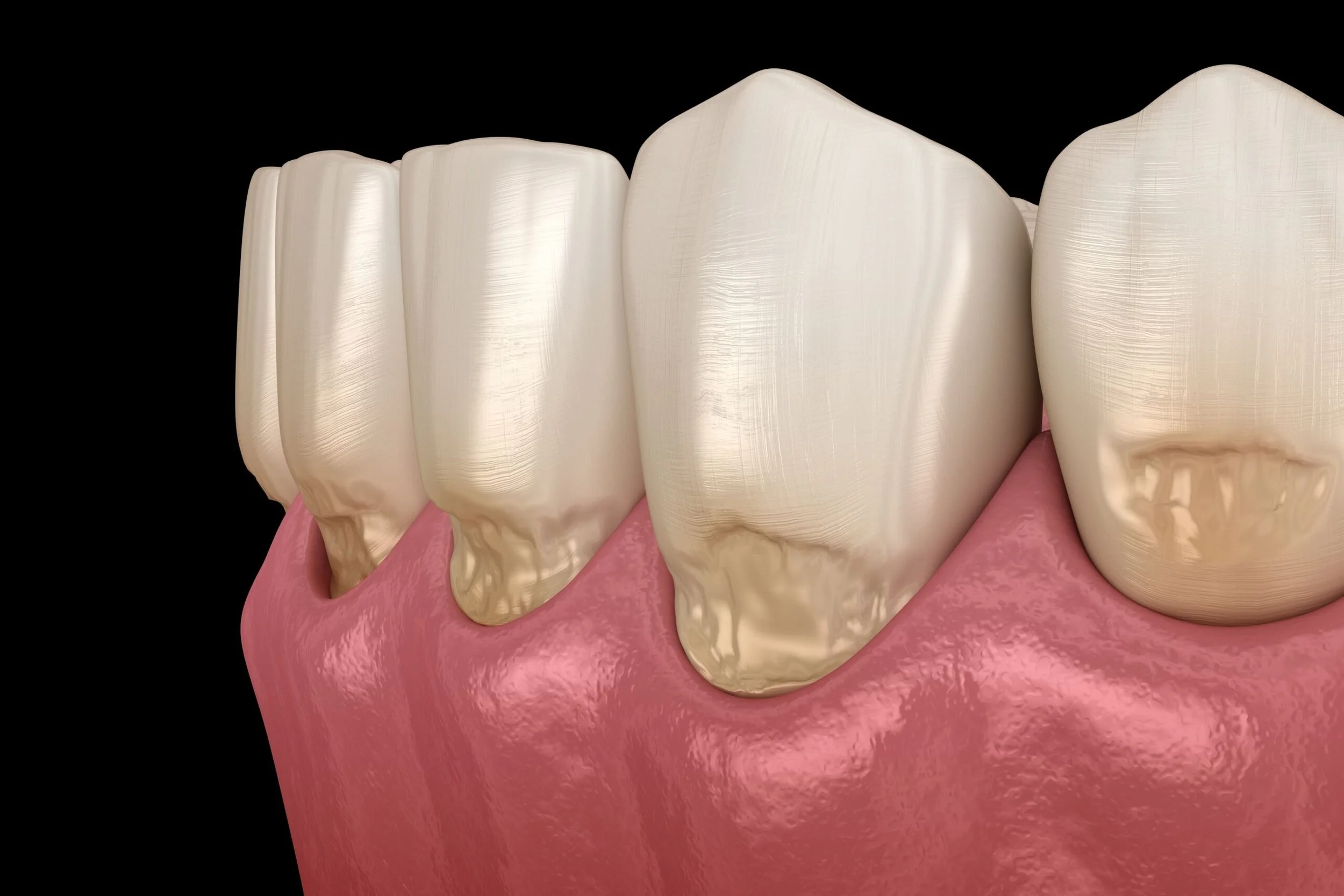
When a tooth is lost, the surrounding bone no longer receives the same stimulation from normal tooth function. The bone in that area may gradually shrink over time.

This process can make implant placement more challenging, particularly if the tooth has been missing for many years.

2. Gum Disease

Advanced periodontal disease can damage the tissues and bone supporting natural teeth.

Even after affected teeth are removed, the remaining bone may require careful assessment before implants can be considered.

3. Dental Infection

An infection around a tooth may damage the surrounding bone. Depending on the extent of the infection and the healing response, the area may need additional assessment before implant placement.

4. Trauma or Previous Tooth Extractions

An injury or extraction can affect the shape and volume of the remaining bone.

Some patients naturally have thinner bone in particular areas of the jaw, which may influence implant planning.

What Is Bone Grafting for Dental Implants?

Bone grafting is a procedure that aims to rebuild or preserve bone in an area where additional support may be needed.

Depending on the clinical situation, grafting may be performed at the time of tooth extraction, during implant surgery or as a separate procedure before implant placement.

Grafting materials can come from different sources, including processed donor materials, animal-derived materials, synthetic materials or the patient's own bone. The appropriate material depends on the clinical requirements and treatment plan.

The goal is to create conditions that may allow an implant to be placed in a suitable position with adequate support.

Bone grafting does not guarantee that implant treatment will be possible or successful. The results depend on the individual anatomy, healing, grafting technique and other clinical factors.

What Types of Bone Grafting Are Available?

The procedure depends on where bone is missing and how much reconstruction is required.

1. Socket Preservation

When a tooth needs to be removed, socket preservation may be considered to help reduce the loss of bone volume following extraction.

A grafting material may be placed into the extraction socket, sometimes with a protective membrane.

This does not eliminate all natural bone remodelling, but it may help preserve the shape of the site for future treatment.

2. Ridge Augmentation

If the jawbone is too narrow or has lost significant volume, ridge augmentation may be considered to rebuild the area.

The grafting procedure may involve adding bone grafting material and, where indicated, using a membrane to support healing.

Additional healing time is often needed before implant placement, although the timing varies according to the case.

3. Sinus Lift

The upper back jaw is close to the maxillary sinus. Following tooth loss, there may be insufficient bone height for an implant in this region.

A sinus lift is a procedure that creates additional bone volume beneath the sinus membrane to support implant placement when appropriate.

Not every patient with limited upper-jaw bone needs a sinus lift. The decision depends on the available bone, proposed implant position and overall treatment plan.

4. Bone Grafting Around an Implant

In selected cases, grafting may be performed at the same time as implant placement to address a bone defect around the implant.

Whether this is appropriate depends on the size and configuration of the defect, implant stability and other clinical considerations.

Do All Dental Implant Patients Need Bone Grafting?

No. Many patients have sufficient bone for implant placement without additional grafting.

Others may need a small graft, while patients with more substantial bone loss may require a more extensive procedure or a different treatment approach.

The decision is based on a clinical examination and appropriate diagnostic imaging, which may include cone beam computed tomography (CBCT).

Your dentist will assess the available bone, nearby anatomical structures, gum health, medical history and the proposed restoration before recommending treatment.

Can You Have Dental Implants Without Bone Grafting?

In some cases, yes.

Depending on your anatomy, alternative implant positions or treatment designs may allow implants to be placed without a separate bone-grafting procedure.

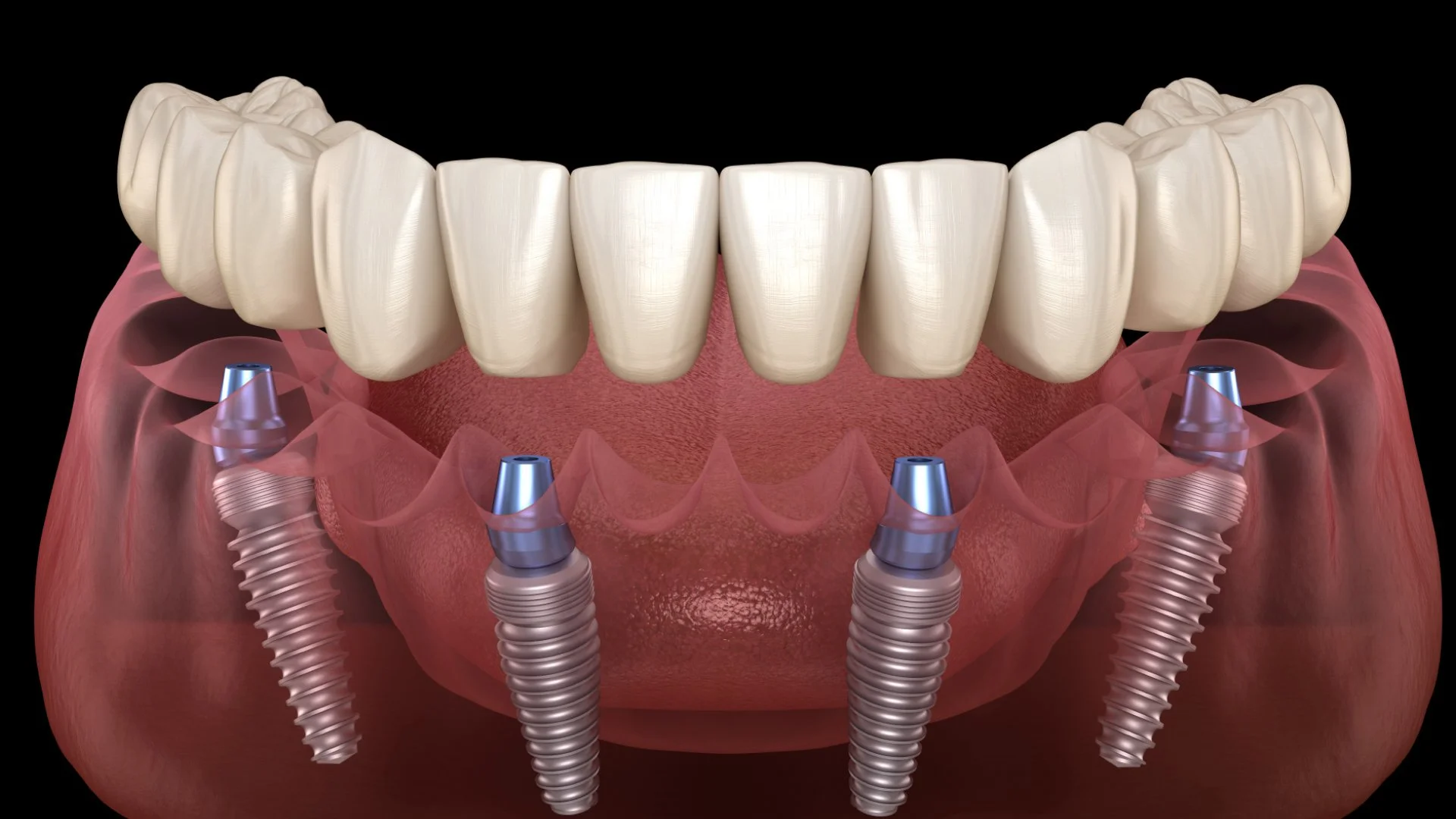
For example, selected patients considering All-on-4 or All-on-6 full-arch rehabilitation may have options that make use of the available bone. However, these approaches are not suitable for everyone and should not be used simply to avoid grafting when the proposed implant positions would be inappropriate.

Your dentist should explain the advantages, limitations and risks of the available approaches.

The aim is to choose a treatment plan that provides appropriate implant support and a maintainable final restoration.

Is Bone Grafting Painful?

It is natural to feel concerned about undergoing an additional surgical procedure.

Bone grafting is generally performed using local anaesthesia to numb the treatment area. Sedation may be considered for suitable patients who experience significant anxiety or require more extensive surgery.

After the procedure, you may experience swelling, bruising, tenderness or discomfort. The degree of discomfort varies according to the type and extent of grafting.

Your treating clinician will explain how to care for the area, manage discomfort and recognise possible complications.

If you experience worsening pain, significant swelling, persistent bleeding, fever or other concerning symptoms, contact your treating clinician promptly.

How Long Does Bone Grafting Take to Heal?

Healing time depends on the grafting technique, the size of the defect, the material used and individual healing.

Some grafting procedures can be combined with implant placement, while others require a separate healing period before an implant can be placed.

Your dentist will monitor the area and determine when it is appropriate to proceed.

It is important not to rush this stage. Adequate healing and appropriate implant positioning are important considerations when planning long-term tooth replacement.

What Are the Risks of Bone Grafting?

Like other surgical procedures, bone grafting has potential risks and limitations.

These may include swelling, bruising, bleeding, infection, delayed healing, exposure or loss of grafting material, and the possibility that the intended bone volume will not develop sufficiently.

Some procedures also carry site-specific risks, depending on the anatomy involved.

Your dentist should discuss the relevant risks, alternatives and expected recovery before treatment begins.

Smoking, certain medical conditions and factors affecting healing may influence the outcome and should be discussed during your assessment.

Bone Grafting and Full-Arch Dental Implants

Patients considering All-on-4 or All-on-6 treatment sometimes assume that significant bone loss automatically rules out full-arch implants.

That is not necessarily the case.

The available options depend on the amount and location of the remaining bone, the position of important anatomical structures, the proposed implant distribution and the design of the replacement bridge.

Some patients may be suitable for an approach that uses the available bone, while others may benefit from grafting or an alternative treatment plan.

A thorough assessment is necessary to determine which option is appropriate for your circumstances.

Dental Implant Assessment in Dulwich Hill, Sydney

Being told that you have insufficient bone for dental implants can feel discouraging, but it does not always mean you have run out of options.

The next step is to understand why bone is limited, whether grafting is appropriate and whether alternative implant approaches or other tooth replacement options are available.

At Pain Free Dentist Sydney, we aim to help patients understand their choices and make informed decisions based on their individual dental needs.

If you are considering dental implants or have previously been told that you lack sufficient bone, arrange a consultation to discuss your circumstances and the possible treatment pathways.

Contact Pain Free Dentist Sydney

Location: Dulwich Hill, NSW

Phone: 02 9558 8988

Email: info@painfreedentistsydney.com.au

Website: https://painfreedentistsydney.com.au

Bone grafting and dental implant suitability must be determined through individual clinical assessment. Treatment options, healing times and outcomes vary between patients.

Dental Implants in Sydney: A Complete Guide to Replacing Missing Teeth

Missing a tooth can affect more than the appearance of your smile. It may change the way you chew, speak and feel about your teeth. If you have lost a tooth through decay, gum disease, an injury or another dental problem, you may be wondering what options are available to replace it.

Dental implants are one option for replacing missing teeth. They are designed to provide support for replacement teeth without relying on neighbouring natural teeth for support in the same way as a conventional tooth-supported bridge.

At Pain Free Dentist Sydney in Dulwich Hill, we understand that choosing tooth replacement treatment is an important decision. Knowing how dental implants work, what the procedure involves and how to care for them can help you make an informed choice.

What Are Dental Implants?

A dental implant is a small fixture, commonly made from titanium, that is surgically placed in the jawbone to support a replacement tooth or dental prosthesis.

After placement, the implant can integrate with the surrounding bone through a biological process called osseointegration. Once the implant has achieved adequate stability and healing, it can support a suitable restoration.

A typical dental implant restoration consists of three components:

  • The implant: The fixture placed in the jawbone.

  • The abutment: The connecting component between the implant and the restoration, where required by the design.

  • The crown or prosthesis: The visible replacement tooth or teeth.

The design varies according to the number of missing teeth, the available bone, the position of the implants and the type of restoration planned.

What Can Dental Implants Replace?

Dental implants can be used in several different ways, depending on your needs.

1. Replacing a Single Missing Tooth

If you have lost one tooth, a dental implant may support an individual crown designed to replace the missing tooth.

One potential advantage is that a single implant crown generally does not require the adjacent teeth to be prepared as supporting teeth, unlike a conventional tooth-supported bridge.

However, an implant is not automatically the best option for every missing tooth. The condition of neighbouring teeth, bone availability, gum health and your overall treatment goals all need to be considered.

2. Replacing Several Missing Teeth

When several teeth are missing, implant-supported bridges may be an option.

Rather than placing an individual implant for every missing tooth, a carefully planned bridge may use strategically positioned implants to support multiple replacement teeth.

The appropriate design depends on the location of the missing teeth, the distribution of chewing forces, the available bone and the long-term maintenance requirements.

3. Replacing an Entire Arch of Teeth

For patients who have lost most or all teeth in the upper or lower jaw, full-arch implant rehabilitation may be considered.

Two commonly discussed approaches are All-on-4 and All-on-6 dental implants.

All-on-4 uses four implants to support a full-arch prosthesis, while All-on-6 uses six. The most suitable approach depends on your anatomy, bone quality, bite forces, prosthetic design and clinical assessment.

Neither approach is universally better for every patient.

You can learn more in our related article about All-on-4 vs All-on-6 dental implants in Sydney.

Who May Be Suitable for Dental Implants?

Dental implants may be suitable for adults who have one or more missing teeth and want to explore a fixed tooth replacement option.

However, suitability depends on several factors.

Healthy Gums and Supporting Tissues

Gum disease should be assessed and managed before implant treatment. Healthy tissues and effective oral hygiene are important for supporting the implants over time.

Adequate Bone Support

Dental implants need sufficient bone to provide appropriate support. Your dentist will assess the available bone and determine whether the planned implant position is suitable.

In selected cases, additional procedures such as bone grafting may be considered.

General Health

Your medical history, medications, smoking status and any conditions affecting healing can influence treatment planning.

Be sure to tell your dentist about your medical conditions and all medications you take so that potential risks can be assessed.

Commitment to Ongoing Maintenance

Dental implants require daily cleaning and regular professional reviews. Patients need to understand the ongoing care involved before deciding whether implant treatment is right for them.

If you have been told that you are not suitable for dental implants, it may be worth asking your dentist to explain the specific reasons and whether alternative treatment approaches are available.

What Happens During Dental Implant Treatment?

Dental implant treatment usually involves several stages, although the sequence and timing vary between patients.

Step 1: Consultation and Examination

Your dentist will assess your oral health, examine the area of the missing tooth or teeth and discuss your treatment goals.

Your medical history, bite, gum health and available restorative space will also be considered.

Step 2: Diagnostic Imaging and Treatment Planning

Dental X-rays and, where clinically indicated, cone beam computed tomography (CBCT) may be used to assess the jawbone and surrounding anatomy.

These records help your dentist plan implant positioning and determine whether additional procedures may be needed.

You should receive an explanation of the proposed treatment, its risks, alternatives and expected timeline before deciding to proceed.

Step 3: Implant Placement

The implant is surgically placed in the jawbone under appropriate local anaesthesia.

For patients who experience significant dental anxiety or require extensive surgery, sedation may be considered if clinically suitable.

Sedation can help with relaxation, while local anaesthesia is generally used to manage pain during the procedure.

Step 4: Healing and Bone Integration

Following implant placement, a healing period is usually required for the implant to integrate with the surrounding bone.

The time needed varies according to the location of the implant, bone quality, the procedure performed and individual healing.

Some suitable patients may receive a temporary restoration earlier, while others need to wait before the implant can be loaded.

Your dentist will advise you on the appropriate timeline for your case.

Step 5: Fitting the Final Restoration

Once the implant is sufficiently stable and healing has progressed appropriately, the final crown, bridge or full-arch prosthesis can be fitted.

Your dentist will assess the fit, appearance, bite and function of the restoration.

Follow-up appointments help monitor healing and ensure that the restoration remains comfortable and functional.

Are Dental Implants Painful?

It is understandable to feel nervous about implant surgery, especially if you have had an unpleasant dental experience in the past.

Local anaesthesia is generally used to numb the treatment area during implant placement. You may feel pressure or movement, but the area should be appropriately anaesthetised to manage surgical pain.

After the procedure, some swelling, bruising, tenderness or discomfort may occur. The degree varies depending on the extent of surgery and individual healing.

Your dental team will provide post-operative instructions and advice about appropriate pain management.

If you experience severe or worsening pain, persistent bleeding, fever or significant swelling, contact your treating clinician promptly.

For patients who feel particularly anxious, discussing dental sedation before treatment may help identify an appropriate approach.

How Long Do Dental Implants Last?

Dental implants can function for many years, but they cannot be guaranteed to last a lifetime.

Their long-term performance depends on several factors, including:

  • Gum and bone health.

  • Daily oral hygiene.

  • Smoking and other lifestyle factors.

  • Medical conditions and healing.

  • Bite forces and teeth grinding.

  • The position and design of the restoration.

  • Regular professional maintenance.

The implant fixture and the restoration it supports are also different components. Although the implant may remain stable, the crown or bridge may experience wear, damage or mechanical complications and may need repair or replacement over time.

Regular dental reviews help monitor the implants, surrounding tissues and the condition of the restoration.

How Do You Care for Dental Implants?

Dental implants need ongoing care, just like natural teeth.

Brush at least twice daily and clean between your teeth and around the implant restoration using the tools recommended by your dentist.

If you have an implant-supported bridge, you may need specialised cleaning tools to reach underneath the restoration.

Watch for bleeding, redness, swelling, persistent bad breath or discomfort around the implant. These symptoms warrant assessment because inflammation around implants can sometimes progress and affect the supporting bone.

Avoid assuming that an implant is problem-free simply because it feels comfortable.

Your dentist will recommend an appropriate maintenance schedule based on your individual needs.

What Are the Alternatives to Dental Implants?

Dental implants are not the only way to replace missing teeth.

Depending on your circumstances, alternatives may include:

A conventional dental bridge: Replacement teeth supported by neighbouring natural teeth. This may be suitable when the supporting teeth are healthy enough or already require crowns.

A removable partial denture: A removable appliance that replaces one or more missing teeth.

A complete denture: A removable option for replacing all teeth in an arch.

Monitoring the space: In selected circumstances, your dentist may discuss leaving a missing tooth space untreated, depending on its location, function and potential consequences.

Each option has advantages, limitations and maintenance requirements. The best choice depends on your oral health, treatment goals and preferences.

Dental Implants and Sedation: What If I Feel Anxious?

Dental anxiety should not prevent you from asking about your treatment options.

If you feel worried about implant surgery, tell your dentist before making a decision. Understanding the procedure, expected sensations and recovery can help reduce uncertainty.

For selected patients, sedation may be an option to help manage anxiety during implant surgery. Suitability depends on your medical history, the procedure and the assessment of the treating dental and sedation practitioners.

You can read our related guide to IV dental sedation in Sydney to learn more about the process, preparation and recovery.

Dental Implants in Dulwich Hill, Sydney

Replacing missing teeth involves more than filling a gap. It requires a treatment plan that considers your oral health, bite, available bone, appearance and long-term maintenance.

At Pain Free Dentist Sydney, we aim to help patients understand their options and make informed decisions based on their individual circumstances.

Whether you are missing a single tooth, several teeth or an entire arch, an assessment can help determine which replacement options may be appropriate.

Take the first step towards restoring your smile by arranging a dental implant consultation.

Contact Pain Free Dentist Sydney

Location: Dulwich Hill, NSW

Phone: 02 9558 8988

Email: info@painfreedentistsydney.com.au

Website: https://painfreedentistsydney.com.au

Dental implant suitability and treatment outcomes vary between individuals. An examination and appropriate diagnostic assessment are required before a treatment plan can be recommended.

How to Care for All-on-4 and All-on-6 Dental Implants: Keeping Your New Smile Healthy

Getting All-on-4 or All-on-6 dental implants can be a significant step towards restoring your smile and enjoying everyday activities with greater confidence. But what happens after your new teeth are fitted?

One of the most important things to understand is that fixed implant teeth still require daily cleaning and regular professional maintenance. Although the replacement teeth themselves do not develop tooth decay like natural teeth, plaque and bacteria can accumulate around the implants and the surrounding gums.

Without proper care, inflammation can develop and potentially affect the bone supporting your implants.

At Pain Free Dentist Sydney in Dulwich Hill, we believe that understanding how to care for your new teeth is an essential part of the full-arch dental implant journey.

Why Is Looking After All-on-4 and All-on-6 Implants Important?

All-on-4 and All-on-6 treatments use dental implants to support a fixed bridge that replaces an entire arch of teeth.

Because the bridge is connected as one restoration, some areas underneath it can be difficult to reach with an ordinary toothbrush. Food debris and plaque may accumulate around the gum line, beneath the bridge and around the implant components.

Good oral hygiene helps reduce the risk of inflammation and supports the health of the tissues surrounding your implants.

Long-term maintenance also allows your dentist to monitor the condition of the bridge, check your bite and identify potential problems before they become more complicated.

1. Brush Your Implant Teeth Every Day

Brushing remains essential even when your teeth are supported by dental implants.

Aim to clean your teeth at least twice daily, using a toothbrush and toothpaste suitable for your restoration.

Pay particular attention to:

  • The outer surfaces of the bridge.

  • The inner surfaces facing your tongue.

  • The biting surfaces of the replacement teeth.

  • The area where the bridge meets your gums.

Use gentle, thorough brushing rather than applying excessive pressure. Your dentist may recommend a particular toothbrush depending on your bridge design and the condition of your gums.

If you have natural teeth remaining in the opposite arch, those teeth also require normal preventive care.

2. Do Not Forget to Clean Underneath the Bridge

This is one of the most important parts of maintaining a full-arch implant restoration.

Food can become trapped in the space between the underside of the bridge and your gums. This is not necessarily a sign that something is wrong, but the area needs to be cleaned regularly.

Depending on your restoration, your dentist may recommend specialised implant floss, superfloss, a floss threader, interdental brushes or a water flosser.

These tools help reach areas that a conventional toothbrush cannot easily access.

Ask your dental team to demonstrate the correct technique for your particular bridge. The shape of the restoration, the space beneath it and the type of implants used can affect which cleaning tools are appropriate.

Do not assume that rinsing with mouthwash alone is enough to keep the area clean.

3. Watch for Signs of Gum Inflammation

Dental implants can develop inflammatory conditions affecting the surrounding tissues.

Peri-implant mucositis is inflammation of the gum tissue around an implant. If it progresses, peri-implantitis can involve loss of the supporting bone.

Possible warning signs include:

  • Bleeding around the implants.

  • Redness or swelling of the gums.

  • Tenderness or discomfort.

  • Persistent bad breath or an unpleasant taste.

  • Pus or discharge around the implant area.

  • Changes in how your bridge feels or fits.

These symptoms do not automatically mean an implant is failing, but they should not be ignored.

Contact your dentist promptly if you notice persistent or worsening symptoms. Early assessment can help determine the cause and whether treatment is required.

4. Attend Regular Implant Maintenance Appointments

Even if your implant teeth feel comfortable and look good, regular professional reviews remain important.

During maintenance appointments, your dental team may assess:

  • The condition of the gums surrounding the implants.

  • Plaque accumulation and areas that are difficult to clean.

  • Implant and prosthesis stability.

  • The condition of the bridge and its components.

  • Your bite and any signs of excessive wear.

  • Whether further imaging or other investigations are clinically indicated.

Your maintenance schedule should be personalised according to your oral health, medical history, risk factors and the design of your restoration.

Regular appointments are not simply about cleaning your teeth. They also help your clinician monitor changes that may not be obvious to you at home.

5. Take Teeth Grinding Seriously

Do you clench your jaw during the day or grind your teeth while sleeping?

Excessive clenching and grinding, also known as bruxism, can place additional forces on implant-supported bridges and their components.

Over time, these forces may contribute to chipped or worn prosthetic teeth, loose components or other mechanical complications.

If you have a history of grinding, tell your dentist before implant treatment begins. Your bite and restoration design may need particular attention.

Following treatment, a protective night guard may be recommended in appropriate cases. Regular assessment of your bite can also help identify changes that need attention.

6. Be Careful While Your Implants Are Healing

The period following implant surgery is particularly important because the implants need time to integrate with the surrounding bone.

Your dentist will provide specific instructions about your diet, oral hygiene, activity and follow-up appointments.

Depending on your treatment plan, you may need to eat softer foods for a period and avoid placing excessive pressure on the temporary bridge.

Do not assume that having fixed temporary teeth means you can immediately return to eating every type of food.

Follow the instructions provided by your treating clinician, as the appropriate healing period and dietary restrictions vary between patients.

Contact your dental team if you experience worsening pain, significant swelling, persistent bleeding or a change in the stability of your temporary teeth.

7. Choose Foods Carefully and Protect Your Restoration

Once your implants have healed and your dentist has cleared you for a more varied diet, you may be able to enjoy a wide range of foods again.

However, implant-supported bridges can still experience wear, chipping or mechanical complications.

Very hard foods, chewing on hard objects and biting forcefully on unsuitable items may damage the restoration.

Good dietary habits also support your overall oral health. Although implant-supported teeth do not decay, the surrounding tissues remain vulnerable to plaque-related inflammation.

Your dentist can advise you on any food restrictions that apply to your particular restoration.

8. Do Not Assume Your Implant Teeth Are Maintenance-Free

One common misconception is that dental implants eliminate the need for ongoing dental care.

In reality, implant-supported teeth need consistent home cleaning and professional monitoring.

The bridge itself may require maintenance or repair over time. Components may loosen, restorative materials may wear, and the tissues around the implants can change.

Routine reviews give your dentist an opportunity to assess these issues and recommend appropriate care.

The aim is to protect both the implants and the bridge they support, while maintaining healthy surrounding tissues.

Frequently Asked Questions About All-on-4 and All-on-6 Maintenance

Can I clean my All-on-4 or All-on-6 teeth like natural teeth?

You can brush the visible surfaces much as you would natural teeth, but cleaning underneath the bridge requires additional attention. Your dentist will show you which tools are appropriate for your restoration.

Can food get stuck underneath my implant bridge?

Yes. Food may collect in the space beneath the bridge. This is common, but the area should be cleaned daily using the recommended tools. If food repeatedly becomes trapped in the same location, ask your dentist to check the area.

Can dental implants become infected?

The tissues around dental implants can become inflamed, and more advanced disease may affect the supporting bone. Good oral hygiene, professional maintenance and early assessment of warning signs help reduce the risk of complications.

Do I still need dental check-ups if my implant teeth feel fine?

Yes. Problems affecting the gums, supporting bone or bridge components may develop without obvious symptoms in the early stages. Regular reviews help your dentist monitor your restoration and overall oral health.

Can I grind my teeth with All-on-4 or All-on-6 implants?

Yes. Grinding can place excessive forces on the bridge and its components. Tell your dentist if you clench or grind so that appropriate bite assessment and protective measures can be considered.

Protect Your Smile with Ongoing Implant Care

All-on-4 and All-on-6 dental implants can provide a fixed solution for suitable patients who need full-arch tooth replacement. However, maintaining the result involves more than the surgery itself.

Daily cleaning, appropriate dietary habits, management of excessive bite forces and regular professional reviews all contribute to ongoing implant care.

At Pain Free Dentist Sydney in Dulwich Hill, we encourage patients considering full-arch dental implants to understand both the treatment process and the commitment to long-term maintenance.

If you are considering All-on-4 or All-on-6 dental implants, arrange a consultation to discuss your options, individual suitability and the care needed to maintain your restoration.

Pain Free Dentist Sydney

Dulwich Hill, NSW

Phone: 02 9558 8988
Email: info@painfreedentistsydney.com.au
Website: https://painfreedentistsydney.com.au

This article provides general dental information and does not replace individual clinical advice. Follow the post-operative and maintenance instructions provided by your treating dental team.