Adult Tongue-Tie and Chronic Aches: Could Restricted Tongue Movement Be Affecting Your Jaw, Neck and Body?

When people think about tongue-tie, they often associate it with babies who have difficulty breastfeeding. However, tongue-tie can also affect adults, sometimes without being recognised for many years.

An adult with tongue-tie, medically known as ankyloglossia, may have a restricted lingual frenulum – the small band of tissue connecting the underside of the tongue to the floor of the mouth.

While some adults experience obvious difficulty moving their tongue, others may have adapted to restricted movement over time without realising that their tongue function could be contributing to difficulties with speaking, swallowing, oral posture or jaw movement.

For some individuals, restricted tongue mobility may also be associated with compensatory muscle activity and tension around the jaw, face and neck.

Could your tongue mobility be one of the factors contributing to your ongoing muscle discomfort?

What Is Adult Tongue-Tie?

Tongue-tie occurs when the lingual frenulum restricts the normal movement of the tongue.

A normally functioning tongue should be able to move freely in different directions, including lifting towards the roof of the mouth, extending beyond the lower lip and moving from side to side.

When the frenulum is restrictive, these movements may become limited.

Adults with tongue-tie may experience:

  • Difficulty lifting the tongue towards the roof of the mouth.

  • Difficulty extending the tongue beyond the lower front teeth.

  • A pulling or tight sensation underneath the tongue.

  • Difficulty maintaining comfortable tongue posture.

  • Speech or articulation difficulties.

  • Swallowing difficulties or compensatory swallowing patterns.

  • Difficulty cleaning food from around the teeth.

  • Tension around the floor of the mouth and jaw.

Some adults may not realise they have tongue-tie because they have developed compensatory movements over many years.

How Can Tongue-Tie Be Associated With Jaw and Muscle Tension?

The tongue is not an isolated structure. It works in coordination with several muscles and anatomical structures involved in swallowing, speaking, breathing and maintaining oral posture.

The tongue, floor of the mouth, jaw and surrounding muscles work together as part of a coordinated functional system.

When tongue movement is restricted, some individuals may develop compensatory movement patterns to perform everyday functions.

For example, a person who cannot comfortably elevate the tongue may recruit other muscles to assist with swallowing or maintaining oral posture.

Over time, these altered patterns may be associated with increased muscular effort or discomfort in some individuals.

However, chronic muscle pain is multifactorial, and restricted tongue movement should not automatically be considered the cause.

5 Possible Symptoms Associated With Adult Tongue-Tie

1. Jaw Tightness and TMJ Discomfort

The tongue and jaw muscles work together during chewing, swallowing and speaking. Restricted tongue movement may contribute to altered oral function in some individuals.

People may report jaw tightness, muscle fatigue or discomfort around the temporomandibular joint (TMJ).

2. Neck and Shoulder Tension

The muscles of the tongue, floor of the mouth and neck have important anatomical and functional relationships.

Some individuals with restricted oral function may develop compensatory patterns involving the surrounding muscles.

However, neck and shoulder pain can have many other causes, including posture, cervical spine dysfunction, previous injuries and muscular conditions.

3. Frequent Headaches

Some patients with jaw muscle tension also experience headaches, particularly around the temples and sides of the head.

Bruxism, TMJ dysfunction, stress and muscular tension may all contribute to headaches.

Tongue restriction may be one aspect worth assessing when other oral functional symptoms are also present.

4. Difficulty Maintaining Proper Tongue Posture

A functional resting tongue posture generally involves the tongue resting comfortably against the palate, with the lips gently together and breathing occurring through the nose when the nasal airway is clear.

Some adults with tongue restriction find it difficult to elevate or maintain their tongue against the palate.

This may affect oral function and warrants an individual assessment.

5. Swallowing Difficulties and Oral Muscle Fatigue

Restricted tongue mobility can interfere with the coordination of swallowing.

Some individuals may compensate by moving their jaw, lips or surrounding muscles differently when swallowing.

This can result in increased muscular effort and fatigue during repeated oral movements.

The Relationship Between Tongue-Tie, TMJ Dysfunction and Bruxism

One important consideration in adult tongue-tie assessment is the relationship between tongue function, jaw movement and the temporomandibular joint.

The TMJ is a complex joint involving the jawbone, joint disc, ligaments and surrounding muscles.

TMJ dysfunction can present with:

  • Jaw pain or tenderness.

  • Clicking or popping sounds.

  • Restricted mouth opening.

  • Facial muscle discomfort.

  • Temple headaches.

  • Pain during chewing.

Bruxism, which involves clenching or grinding the teeth, can also contribute to muscular discomfort and excessive loading of the jaw.

Although tongue-tie has been discussed as a possible contributing factor in some patients with altered oral function, there is currently insufficient evidence to establish it as a direct cause of TMJ dysfunction or bruxism.

A comprehensive assessment should consider the entire functional system rather than focusing on the tongue alone.

How Is Adult Tongue-Tie Diagnosed?

A proper assessment involves more than simply looking underneath the tongue.

The clinician should assess both the anatomical appearance of the frenulum and the functional movement of the tongue.

An assessment may include:

  • Tongue elevation and extension.

  • Lateral tongue movement.

  • Tongue mobility and functional range.

  • Ability to maintain tongue posture.

  • Floor-of-mouth tension.

  • Swallowing patterns.

  • Jaw movement and opening.

  • TMJ and surrounding muscle tenderness.

  • Relevant breathing and oral functional history.

The severity of tongue restriction should be considered alongside the patient's symptoms and functional limitations.

Not every visible lingual frenulum requires treatment.

Can a Frenectomy Help Adults With Tongue-Tie?

A frenectomy is a procedure that releases the restrictive lingual frenulum to improve tongue mobility.

In selected adults with clinically significant tongue restriction, the procedure may help improve specific tongue movements and associated oral functions.

Potential functional improvements may include:

  • Greater tongue elevation.

  • Improved tongue mobility.

  • Reduced mechanical restriction.

  • Improved ability to perform certain tongue movements.

  • Better access to functional oral exercises.

However, it is important to understand that releasing the frenulum does not automatically resolve chronic headaches, TMJ dysfunction, neck pain or widespread muscular discomfort.

The outcome depends on the individual's anatomy, functional limitations, existing muscle patterns and other contributing conditions.

A frenectomy should only be recommended following an appropriate clinical assessment and discussion of expected benefits, limitations and potential risks.

Why Is a Whole-Body Approach Important?

Chronic jaw and muscle discomfort can involve several interacting factors.

These may include:

  • Tongue mobility and oral function.

  • Jaw alignment and bite relationships.

  • Bruxism and clenching.

  • Cervical spine and neck muscle function.

  • Postural and muscular adaptations.

  • Breathing patterns.

  • Stress and sleep quality.

For this reason, managing chronic TMJ-related discomfort may require a multidisciplinary approach.

Depending on the individual's needs, assessment and management may involve a dentist, physiotherapist, myofunctional therapist or other relevant healthcare professionals.

Addressing only one aspect of a complex functional problem may not be sufficient.

Adult Tongue-Tie Assessment at Pain Free Dentist Sydney

At Pain Free Dentist Sydney in Dulwich Hill, Dr Lisa Chong takes an individualised approach to assessing adult tongue-tie and its possible relationship with oral function, jaw discomfort and muscular tension.

We consider the tongue's mobility, surrounding oral structures, jaw function and the patient's broader clinical history.

Where appropriate, treatment options may include a lingual frenectomy using a cold-scissors technique, followed by suitable functional rehabilitation.

Our approach focuses on understanding the underlying functional concerns rather than treating the appearance of the frenulum alone.

Frequently Asked Questions

Can adults have tongue-tie without knowing it?

Yes. Some adults have lived with restricted tongue movement since childhood and may have developed compensatory habits without recognising the restriction.

Can tongue-tie cause neck pain and headaches?

There is no established direct causal relationship. However, restricted tongue movement may be associated with altered oral muscle function in some individuals. Headaches and neck pain should be assessed for other possible causes as well.

Can tongue-tie contribute to TMJ problems?

Tongue restriction may affect oral function and muscular coordination, but current evidence does not establish it as a direct cause of TMJ dysfunction.

Does every adult with tongue-tie need a frenectomy?

No. Treatment is generally considered when there is meaningful functional restriction and the potential benefits outweigh the risks.

Will a frenectomy eliminate chronic muscle pain?

Not necessarily. A frenectomy may improve tongue mobility, but chronic muscle pain is often multifactorial and may require additional assessment and treatment.

Take the First Step Towards Understanding Your Symptoms

If you experience persistent jaw tightness, headaches, neck tension or difficulty moving your tongue comfortably, an assessment may help determine whether restricted tongue mobility is one of the factors worth investigating.

At Pain Free Dentist Sydney, we believe in looking beyond individual symptoms and considering how the tongue, jaw and surrounding muscles work together.

Pain Free Dentist Sydney – Dulwich Hill

Phone: 02 9558 8988
Email: info@painfreedentistsydney.com.au
Website: https://painfreedentistsydney.com.au

Contact our clinic to arrange an assessment with Dr Lisa Chong.

IV Dental Sedation: A More Comfortable Dental Experience in Sydney

For some people, visiting the dentist can be an overwhelming experience. Dental anxiety, fear of injections, previous unpleasant experiences or concerns about pain may prevent patients from receiving the dental care they need.

Fortunately, modern dentistry offers different sedation options to help make dental treatment more comfortable. One option is intravenous (IV) dental sedation, which can help suitable patients feel deeply relaxed during dental procedures.

At Pain Free Dentist Sydney in Dulwich Hill, we understand that every patient has different needs. Our approach focuses on patient comfort, careful treatment planning and making dental visits as positive as possible.

What Is IV Dental Sedation?

IV dental sedation involves administering sedative medication through a vein, usually in the arm or hand, by a qualified sedation practitioner.

The medication works relatively quickly and helps reduce anxiety, promote relaxation and make dental treatment easier for patients who find conventional dental visits difficult.

Patients receiving IV sedation are generally conscious but may feel very relaxed and drowsy. Some patients remember very little about the procedure afterwards.

It is important to understand that IV sedation is different from general anaesthesia. With IV sedation, patients are usually responsive to verbal instructions, although their level of alertness may be reduced.

Who May Benefit From IV Dental Sedation?

IV sedation may be considered for patients who:

  • Experience significant dental anxiety or dental phobia.

  • Have had traumatic or unpleasant dental experiences.

  • Find it difficult to tolerate lengthy dental appointments.

  • Require multiple dental procedures.

  • Have a strong gag reflex.

  • Feel uncomfortable with dental instruments or treatment sounds.

  • Require complex dental treatment, including dental implants.

  • Have difficulty remaining relaxed during dental procedures.

Not everyone requires IV sedation. Your dentist and sedation practitioner will assess your medical history, dental needs and suitability before recommending this option.

What Dental Treatments Can Be Performed Under IV Sedation?

IV sedation may be suitable for various dental procedures, depending on the patient's clinical circumstances.

These may include:

1. Dental Implants

Patients undergoing dental implant placement may consider IV sedation if they feel anxious or require a longer surgical appointment.

2. Wisdom Teeth Removal

For patients who are particularly anxious about oral surgery, sedation may help make the experience more manageable.

3. Multiple Tooth Extractions

When several teeth require removal, IV sedation may be considered to improve patient comfort during treatment.

4. Full-Mouth Dental Treatment

Patients requiring extensive restorative or surgical procedures may benefit from having treatment planned under sedation, where clinically appropriate.

5. All-on-4 and All-on-6 Dental Implants

Full-arch implant procedures can involve lengthy appointments. IV sedation may be an option for suitable patients undergoing these treatments.

Does IV Sedation Put You to Sleep?

This is one of the most common questions patients ask.

IV sedation is not the same as being placed under general anaesthesia.

Most patients remain conscious but experience a deeply relaxed and drowsy state. They may respond to simple instructions but have reduced awareness of their surroundings.

Some patients also experience partial or complete memory gaps surrounding the procedure.

Local anaesthesia is still generally required to numb the treatment area. IV sedation helps manage anxiety and relaxation, while local anaesthesia helps prevent pain during dental treatment.

Is IV Dental Sedation Safe?

IV sedation is widely used in dentistry when administered by appropriately qualified practitioners with suitable monitoring and patient selection.

However, as with any medical procedure involving sedative medication, there are potential risks and side effects.

Before treatment, the sedation practitioner will review your medical history, current medications, allergies and general health.

During sedation, appropriate monitoring is required to assess vital signs and the patient's level of sedation. The clinical team must also be prepared to manage potential complications.

Patient safety, careful assessment and appropriate monitoring are essential throughout the procedure.

What Should You Expect Before and After IV Sedation?

Before your appointment

You will receive specific preparation instructions from your dental and sedation team.

These may include:

  • Fasting instructions before treatment.

  • Reviewing your current medications.

  • Disclosing medical conditions and allergies.

  • Arranging a responsible adult to accompany you home.

  • Avoiding driving or operating machinery after sedation.

Always follow the individual instructions provided by your sedation practitioner.

After your appointment

You may feel sleepy, tired or slightly unsteady following IV sedation.

You will generally need someone to accompany you home and remain with you for the period specified by your sedation practitioner.

You should avoid driving, alcohol, important decision-making and operating machinery for the recommended recovery period.

Follow all post-sedation instructions carefully.

IV Sedation vs General Anaesthesia: What Is the Difference?

Although both techniques involve medication to alter awareness, they are different approaches.

IV sedation generally allows patients to remain conscious and responsive, although they may be very drowsy.

General anaesthesia involves a controlled state of unconsciousness and requires a different level of airway management and monitoring.

The most appropriate option depends on the patient's medical condition, anxiety level, type of dental procedure and treatment requirements.

Your dental and anaesthetic team can discuss the most suitable approach.

Making Dental Treatment Less Stressful at Pain Free Dentist Sydney

At Pain Free Dentist Sydney, Dulwich Hill, we understand that dental anxiety is real. We believe patients should feel listened to, respected and comfortable when discussing their treatment options.

Dr Lisa Chong takes an individualised approach to dental care, discussing the treatment process and available comfort options with patients before proceeding.

For patients who require additional support, IV sedation may be considered in collaboration with an appropriately qualified sedation practitioner.

Whether you require dental implants, multiple extractions or more extensive dental treatment, our aim is to help you approach your dental care with greater confidence.

Frequently Asked Questions About IV Dental Sedation

1. Will I feel pain during IV sedation?

IV sedation helps reduce anxiety but does not replace local anaesthesia. Local anaesthesia is generally used to numb the treatment area and prevent pain during dental procedures.

2. Will I remember my dental treatment?

Some patients remember parts of the procedure, while others have little or no recollection. The degree of memory loss varies between individuals and medications.

3. Can I drive home after IV sedation?

No. Patients should not drive themselves home after IV sedation. A responsible adult must accompany you, and you must follow the recovery instructions provided by your sedation practitioner.

4. Can I have dental implants under IV sedation?

Yes, IV sedation may be appropriate for selected patients undergoing dental implant treatment. Your dentist and sedation practitioner will assess your suitability.

5. Is IV sedation suitable for people with dental phobia?

It may be helpful for patients with significant dental anxiety or phobia. A proper assessment is necessary to determine whether IV sedation is appropriate.

Book Your Dental Consultation in Dulwich Hill

You do not have to let dental anxiety prevent you from exploring the treatment you need.

If you have been avoiding dental care because of fear or discomfort, speak with our team about available treatment and sedation options.

Pain Free Dentist Sydney – Dulwich Hill

Phone: 02 9558 8988
Email: info@painfreedentistsydney.com.au
Website: https://painfreedentistsydney.com.au

Contact us to arrange a consultation with Dr Lisa Chong and discuss whether IV dental sedation may be suitable for you.

Dental Implants: A Long-Term Solution for Missing Teeth

Losing a tooth can affect more than just your smile. Missing teeth may make chewing difficult, affect your speech, change your bite and gradually impact the appearance of your face. Fortunately, modern dentistry offers an effective way to replace missing teeth with dental implants.

At Pain Free Dentist Sydney in Dulwich Hill, we provide dental implant solutions designed to restore the function, appearance and confidence of your smile.

What Are Dental Implants?

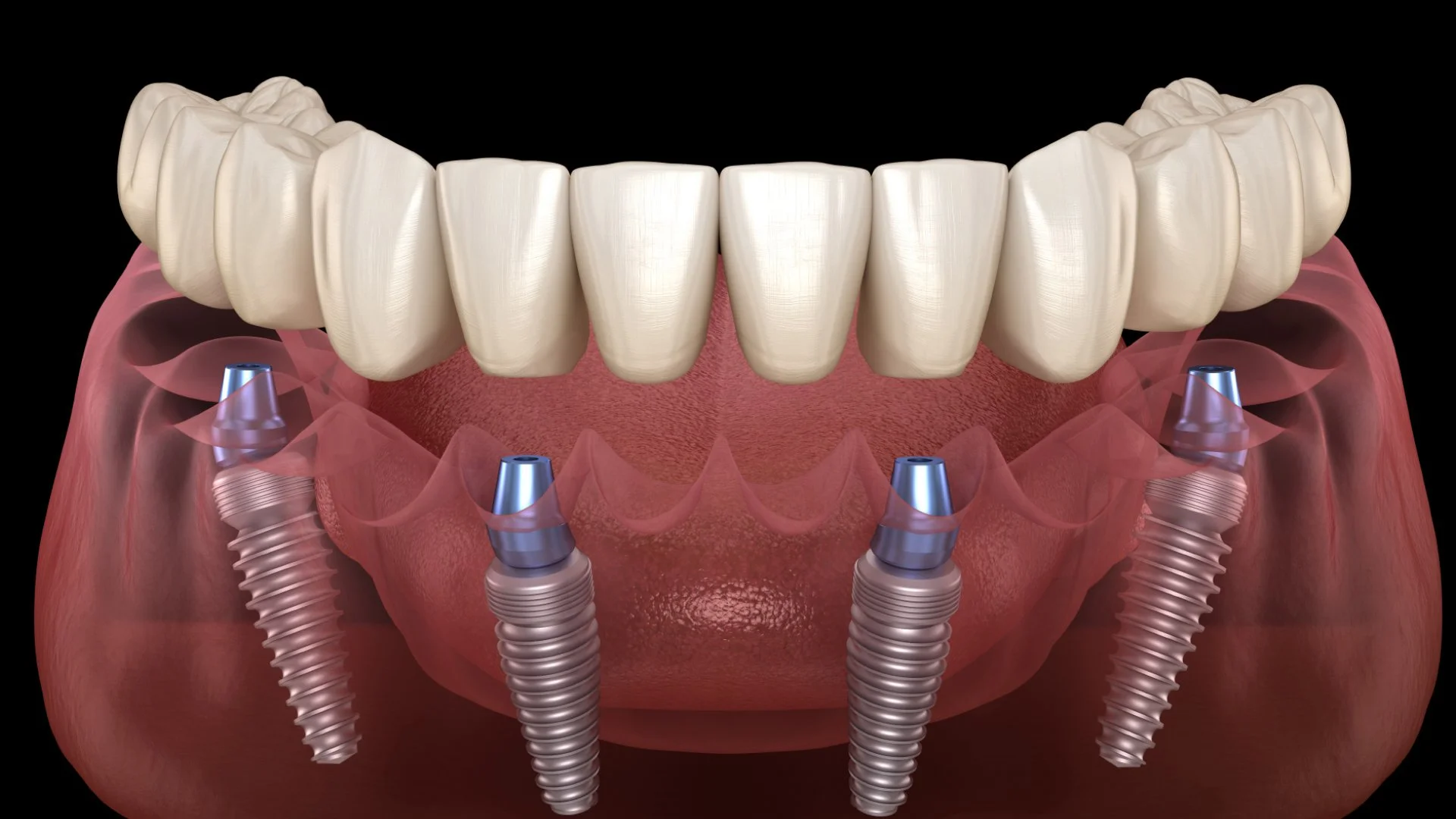
Dental implants are small titanium fixtures placed into the jawbone to replace the roots of missing teeth. Once the implant integrates with the surrounding bone, it can support a dental crown, bridge or full-arch restoration.

Unlike traditional removable dentures, dental implants are designed to provide a stable and secure foundation for replacement teeth.

A completed dental implant restoration is designed to look, feel and function much like natural teeth.

Why Consider Dental Implants?

Missing teeth can create several challenges over time. Dental implants offer a number of potential benefits:

1. Restore Your Natural Smile

Dental implants are individually designed to complement your existing teeth, helping restore a natural-looking smile.

2. Improve Chewing Function

Missing teeth can make eating certain foods uncomfortable. Dental implants provide a stable replacement that can help restore comfortable chewing.

3. Help Maintain Jawbone Health

Natural tooth roots stimulate the jawbone during chewing. When a tooth is lost, the surrounding bone may gradually reduce. Dental implants can provide stimulation through the replacement tooth root.

4. Support Adjacent Teeth

Unlike conventional tooth-supported bridges, an individual dental implant does not generally require the neighbouring teeth to be prepared for support.

5. A Long-Term Tooth Replacement Option

With appropriate planning, maintenance and regular dental reviews, dental implants can provide a durable tooth replacement solution for many years.

What Is the Dental Implant Procedure?

Dental implant treatment involves several stages, with each step carefully planned according to the patient's oral health and individual needs.

Step 1: Comprehensive Dental Assessment

The first step is a thorough examination of your teeth, gums and bite. Your dentist will discuss your dental history, expectations and suitability for implant treatment.

Step 2: Digital Imaging and Treatment Planning

Diagnostic imaging, including CBCT scans when clinically indicated, may be used to assess the jawbone anatomy, surrounding structures and proposed implant position.

Step 3: Dental Implant Placement

The titanium implant is carefully positioned within the jawbone under appropriate local anaesthesia. Sedation options may also be discussed where clinically suitable.

Step 4: Healing and Integration

Following placement, the implant requires time to integrate with the surrounding bone. This process is known as osseointegration. The healing period varies between individuals.

Step 5: Final Tooth Restoration

Once healing and implant stability have been assessed, the final restoration is fitted. This may be an individual crown, implant-supported bridge or full-arch dental prosthesis.

Are Dental Implants Right for Everyone?

Dental implants may be suitable for adults who have missing teeth and are looking for a fixed replacement option.

However, suitability depends on several factors, including:

  • General oral health and gum condition.

  • Available jawbone volume and quality.

  • Medical and dental history.

  • Smoking habits.

  • Teeth grinding and clenching.

  • Bite alignment and chewing forces.

  • Commitment to ongoing oral hygiene and maintenance.

A comprehensive dental assessment is essential before proceeding with treatment.

How Do You Look After Dental Implants?

Although dental implants cannot develop tooth decay, the surrounding gum and supporting tissues still require careful maintenance.

To help protect your implants:

  • Brush twice daily using a soft toothbrush.

  • Clean carefully around the implant restoration.

  • Use suitable interdental brushes or floss.

  • Attend regular dental examinations.

  • Have professional cleaning as recommended.

  • Seek advice if you notice bleeding, swelling, discomfort or implant mobility.

Good oral hygiene and regular professional monitoring are important for maintaining the health of your dental implants.

Dental Implants in Dulwich Hill, Sydney

Choosing dental implant treatment is an important decision. Every patient has different dental needs, expectations and circumstances.

At Pain Free Dentist Sydney, Dr Lisa Chong takes an individualised approach to treatment planning, considering not only the missing tooth but also the surrounding teeth, bite relationship and overall oral function.

We provide dental implant solutions, including individual tooth replacement, implant-supported bridges and full-arch restorations such as All-on-4 and All-on-6.

Our aim is to help patients regain comfortable chewing, improve dental function and enjoy a confident smile.

Frequently Asked Questions About Dental Implants

Are dental implants painful?

Dental implant placement is generally performed under local anaesthesia. Patients may experience some discomfort, swelling or tenderness afterwards, which varies depending on the procedure and individual healing response.

How long do dental implants last?

Dental implants can last many years. Their longevity depends on factors such as oral hygiene, general health, bite forces, smoking and regular dental maintenance.

Can I replace several missing teeth with dental implants?

Yes. Depending on your individual circumstances, implants can support individual crowns, bridges or full-arch restorations.

Are dental implants better than dentures?

Dental implants offer a fixed alternative to conventional removable dentures. However, the most appropriate option depends on your oral health, clinical needs and personal preferences.

How long does dental implant treatment take?

Treatment time varies according to the number of implants, healing requirements and type of restoration. Your dentist can provide an estimated treatment timeline following an examination.

Book a Dental Implant Consultation in Sydney

If you have missing teeth and would like to explore dental implant treatment, we invite you to arrange a consultation with Dr Lisa Chong.

Discover how modern implant dentistry may help restore your smile, chewing function and confidence.

Pain Free Dentist Sydney – Dulwich Hill

Call: 02 9558 8988
Email: info@painfreedentistsydney.com.au
Website: https://painfreedentistsydney.com.au

Contact our team to arrange your dental implant consultation.