
Dental Implants: Why They Are the Best Tooth Replacement Option

Missing Teeth? Here’s Why Dental Implants Are the Gold Standard

Losing a tooth can affect more than just your smile. It can impact your ability to chew, speak clearly, and maintain proper jaw alignment. While there are several tooth replacement options available, dental implants are widely considered the most advanced and long-lasting solution.

Unlike dentures or bridges, dental implants replace both the visible tooth and the root underneath, creating a stable and natural-feeling restoration.

What Are Dental Implants?

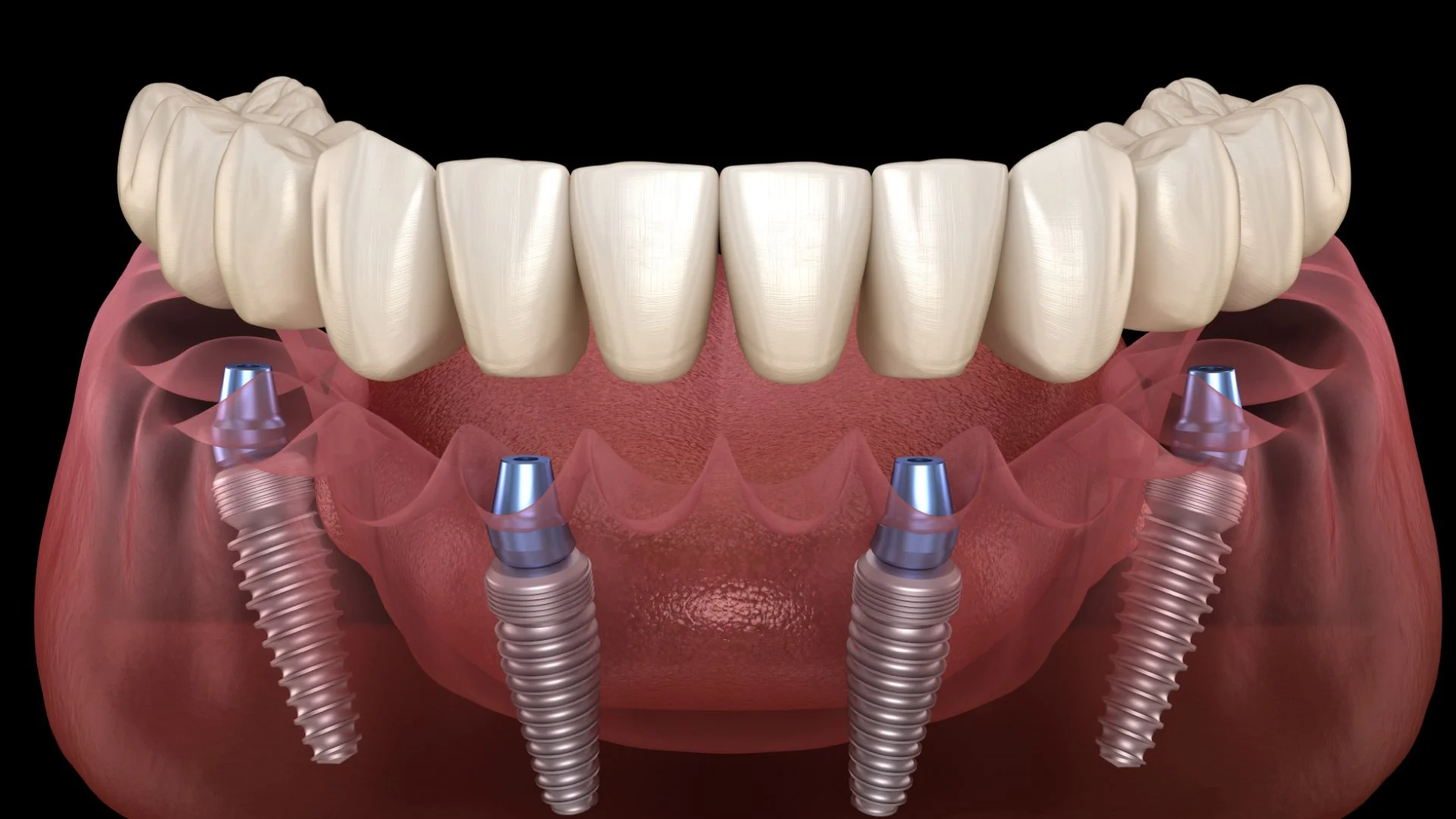
Dental implants are small titanium or ceramic posts placed into the jawbone to act as artificial tooth roots. Once healed, a crown is attached to the implant, creating a fully functional replacement tooth.

A complete dental implant consists of three parts:

  • Implant fixture (root placed in the bone)

  • Abutment (connector piece)

  • Dental crown (visible tooth)

This structure mimics a natural tooth more closely than any other replacement option.

Why Dental Implants Are Considered the Best Tooth Replacement

1. They Look and Feel Like Natural Teeth

Dental implants are designed to blend seamlessly with your existing teeth. The crown is custom-made to match your smile in shape, size, and colour.

Most patients report that implants feel so natural they forget they ever lost a tooth.

2. They Preserve Jawbone Health

When a tooth is lost, the jawbone begins to shrink due to lack of stimulation. Dental implants are the only tooth replacement option that stimulates the bone like a natural tooth root.

This helps:

  • Prevent bone loss

  • Maintain facial structure

  • Avoid premature ageing of the face

3. Long-Lasting and Durable

With proper care, dental implants can last decades—and often a lifetime.

Compared to other options:

  • Dentures may need frequent replacement

  • Bridges typically last 7–15 years

  • Implants can last 20+ years or longer

This makes them one of the most cost-effective long-term solutions.

4. No Damage to Adjacent Teeth

Dental bridges require neighbouring teeth to be shaved down for support. Implants do not rely on surrounding teeth, meaning:

  • No alteration of healthy teeth

  • Independent support structure

  • Better long-term oral health

5. Improved Chewing Ability

Dental implants restore near-normal bite strength, allowing you to eat comfortably and confidently.

Patients can enjoy:

  • Crunchy foods

  • Chewy foods

  • A wider variety of diet options

This is a major advantage over removable dentures.

6. Prevents Denture Discomfort and Slipping

Unlike removable dentures, implants are fixed in place. This eliminates common denture issues such as:

  • Slipping while speaking

  • Difficulty eating certain foods

  • Adhesive dependency

  • Gum irritation

7. Supports Clear Speech

Missing teeth or loose dentures can affect pronunciation. Dental implants restore stable tooth structure, helping improve speech clarity.

8. High Success Rate

Dental implants have a success rate of over 95% when placed in healthy patients and maintained properly. Advances in dental technology continue to improve outcomes and healing times.

Who Is a Good Candidate for Dental Implants?

You may be suitable for implants if you:

  • Have one or more missing teeth

  • Have healthy gums

  • Have adequate jawbone density (or are eligible for bone grafting)

  • Do not have uncontrolled medical conditions

  • Are a non-smoker or willing to reduce smoking

A full dental assessment is required to determine suitability.

The Dental Implant Process

Step 1: Consultation and Planning

Your dentist will assess your teeth, gums, and bone structure using X-rays or 3D scans.

Step 2: Implant Placement

The implant post is surgically placed into the jawbone under local anaesthetic or sedation.

Step 3: Healing Period (Osseointegration)

The bone gradually fuses with the implant over several weeks to months.

Step 4: Crown Placement

A custom-made crown is attached, completing your new tooth.

Are Dental Implants Painful?

Most patients report that the procedure is more comfortable than expected. Local anaesthetic ensures the area is numb, and post-treatment discomfort is usually mild and manageable with over-the-counter pain relief.

Dental Implants vs Other Tooth Replacement Options

Dental Implants

  • Permanent solution

  • Looks and feels natural

  • Preserves bone

  • No impact on nearby teeth

Dental Bridges

  • Faster treatment

  • Requires support from adjacent teeth

  • May need replacement over time

Dentures

  • Removable

  • Lower upfront cost

  • May feel less stable or comfortable

How to Care for Dental Implants

Caring for implants is similar to natural teeth:

  • Brush twice daily

  • Floss or use interdental brushes

  • Attend regular dental check-ups

  • Avoid smoking to protect gum health

Good oral hygiene is essential for long-term success.

Are Dental Implants Worth It?

For most patients, dental implants offer the most complete and long-lasting solution to tooth loss. While the initial investment is higher than other options, their durability, function, and natural feel make them a preferred choice for both patients and dentists.

Restore Your Smile With Confidence

Dental implants are more than just a cosmetic fix—they restore function, protect bone health, and improve quality of life.

If you're missing teeth and looking for a permanent solution, book a consultation with our dental team to see if implants are right for you.

Neglected Adult Tongue Tie and TMJ Disorder: Understanding the Connection

Can a Tongue Tie Affect Jaw Health?

An often overlooked oral condition in adults is tongue tie, medically known as ankyloglossia. While commonly diagnosed in infants, many people reach adulthood without ever realising they have a restricted tongue function.

In recent years, dental and airway-focused practitioners have begun exploring a possible connection between untreated adult tongue tie and temporomandibular joint disorder (TMJ disorder). Although research is still evolving, clinical observations suggest that restricted tongue movement may contribute to compensatory patterns in the jaw, face, and neck muscles.

Understanding this potential relationship is important for patients experiencing chronic jaw pain, headaches, or muscle tension that has not responded to conventional TMJ treatments.

What Is Adult Tongue Tie (Ankyloglossia)?

Ankyloglossia is a condition where the band of tissue connecting the tongue to the floor of the mouth is shorter, thicker, or tighter than normal. This restriction can limit tongue movement and function.

While often diagnosed in childhood, mild or moderate cases may go unnoticed until adulthood.

Common Signs of Adult Tongue Tie

  • Difficulty lifting or protruding the tongue

  • Tightness under the tongue

  • Speech difficulties or fatigue when speaking

  • Trouble licking lips or sweeping food from teeth

  • Restricted tongue range of motion

  • Jaw or facial tension during speech or chewing

  • Snoring or breathing difficulties in some cases

  • Compensatory mouth or neck movements

Many adults are surprised to learn that lifelong tension patterns may be linked to an untreated tongue tie.

Understanding TMJ Disorder

TMJ disorder affects the joints and muscles that control jaw movement. It can cause pain, dysfunction, and a wide range of symptoms affecting daily activities such as eating and speaking.

Common TMJ Symptoms Include:

  • Jaw pain or tightness

  • Clicking or popping sounds in the jaw

  • Headaches or migraines

  • Ear pain or pressure

  • Facial muscle fatigue

  • Jaw locking or limited opening

  • Teeth grinding and clenching (bruxism)

  • Neck and shoulder tension

TMJ disorder is often multifactorial, meaning it can be influenced by posture, stress, bite alignment, muscle function, and airway patterns.

The Possible Connection Between Tongue Tie and TMJ Disorder

Although not all cases of TMJ disorder are related to tongue tie, there is a growing clinical interest in how restricted tongue mobility may influence jaw mechanics and muscle balance.

1. Compensatory Jaw Overuse

When the tongue cannot rest properly against the palate or move freely, the jaw and surrounding muscles may compensate. This can lead to:

  • Increased jaw muscle activity

  • Overuse of the masseter muscles

  • Chronic clenching or bruxism patterns

Over time, this may contribute to TMJ strain.

2. Improper Tongue Posture

A healthy tongue posture rests gently against the roof of the mouth. In tongue-tied individuals, the tongue may sit low in the mouth, which can affect:

  • Jaw alignment at rest

  • Facial muscle development

  • Oral airway space

  • Bite stability

These factors may place additional stress on the temporomandibular joints.

3. Airway and Breathing Influence

Restricted tongue function can sometimes contribute to mouth breathing or altered airway patterns, especially during sleep. This may lead to:

  • Nighttime clenching

  • Poor sleep quality

  • Increased muscle tension

  • Morning jaw stiffness or headaches

Airway-related strain is increasingly recognised as a contributing factor in TMJ symptoms.

4. Muscle Imbalance in the Face and Neck

The tongue is deeply integrated with muscles of the jaw, neck, and throat. When tongue mobility is restricted, the body may develop compensatory muscle patterns such as:

  • Tight neck muscles

  • Forward head posture

  • Uneven jaw loading

  • Facial asymmetry over time

These imbalances can place additional stress on the TMJ.

Symptoms That May Suggest Both Conditions Are Present

Patients with both untreated tongue tie and TMJ disorder may experience:

  • Chronic jaw tension despite treatment

  • Recurrent teeth grinding or clenching

  • Neck stiffness alongside jaw pain

  • Difficulty achieving a relaxed jaw posture

  • Speech fatigue or tongue restriction sensations

  • Persistent headaches or facial pain

  • Limited improvement with night guards alone

If TMJ symptoms persist despite standard treatment, evaluating tongue function may be helpful.

Diagnosis and Assessment

A comprehensive assessment may involve:

  • Tongue mobility evaluation (range of motion tests)

  • Oral function and speech assessment

  • Bite and jaw alignment examination

  • TMJ joint and muscle palpation

  • Airway and breathing evaluation

  • Review of posture and muscle tension patterns

Dentists may also collaborate with myofunctional therapists, ENT specialists, or speech pathologists for a multidisciplinary approach.

Treatment Options

For Tongue Tie

Treatment may include:

  • Myofunctional therapy (tongue and oral muscle training)

  • Frenectomy (minor surgical release procedure)

  • Post-release rehabilitation exercises

For TMJ Disorder

Treatment options may include:

  • Custom night guards

  • Physiotherapy and jaw exercises

  • Stress management strategies

  • Botox therapy for muscle relaxation

  • Bite stabilization treatments

In some cases, addressing tongue restriction may improve TMJ-related muscle imbalance, though results vary between individuals.

Why Early Evaluation Matters

Untreated tongue tie and TMJ disorder can both contribute to long-term muscular compensation patterns. Early diagnosis allows for more conservative and effective management, potentially reducing chronic pain and improving oral function.

Takeaway

The relationship between adult tongue tie and TMJ disorder is complex and still being studied, but emerging clinical insights suggest that tongue restriction may contribute to jaw dysfunction in some patients.

If you experience persistent TMJ symptoms that have not improved with standard care, a comprehensive functional assessment—including tongue mobility—may provide additional answers.

A tailored treatment plan can help restore balance to the jaw, tongue, and surrounding muscles, improving both comfort and function.

Dental Sedation: Making Your Dental Visits Comfortable and Stress-Free

Nervous About Visiting the Dentist?

You're not alone. Dental anxiety affects millions of people and is one of the most common reasons individuals delay or avoid dental treatment. Unfortunately, postponing dental care can often lead to more serious oral health problems that require more extensive treatment.

Dental sedation offers a safe and effective solution for patients who experience anxiety, fear, or discomfort during dental procedures. Sedation dentistry can help you feel relaxed, comfortable, and confident about receiving the care you need.

What Is Dental Sedation?

Dental sedation involves the use of medications to help patients relax during dental treatment. Depending on the type of sedation used and the procedure being performed, patients may feel calm, drowsy, or have little memory of the treatment afterward.

Sedation dentistry is carefully administered and monitored by trained dental professionals to ensure your safety and comfort throughout your appointment.

Who Can Benefit From Dental Sedation?

Dental sedation may be suitable for patients who:

  • Experience dental anxiety or fear

  • Have had previous traumatic dental experiences

  • Have a strong gag reflex

  • Need lengthy or complex dental procedures

  • Have difficulty sitting still for long periods

  • Have sensitive teeth or difficulty becoming numb

  • Avoid dental treatment due to nervousness

  • Have special needs or certain medical conditions

  • Require multiple procedures in one appointment

Types of Dental Sedation

Nitrous Oxide Sedation (Happy Gas)

Nitrous oxide, commonly known as "happy gas" or "laughing gas," is inhaled through a small mask placed over the nose.

Benefits:

  • Helps you feel calm and relaxed

  • Takes effect quickly

  • Wears off rapidly after treatment

  • Allows most patients to drive themselves home

  • Suitable for both adults and children

Oral Sedation

Oral sedation involves taking prescribed medication before your appointment to help reduce anxiety.

Benefits:

  • Creates a deeper sense of relaxation

  • Helps anxious patients feel more comfortable

  • May reduce memory of the procedure

  • Suitable for longer treatments

Patients receiving oral sedation generally require someone to drive them home afterward.

Intravenous (IV) Sedation

IV sedation is administered through a vein and provides a deeper level of relaxation while still allowing patients to respond to instructions.

Benefits:

  • Deep state of relaxation

  • Rapid onset of action

  • Ideal for complex or lengthy procedures

  • Often results in little memory of treatment

  • Excellent option for severe dental anxiety

Patients require an escort home after IV sedation.

What Does Dental Sedation Feel Like?

The experience varies depending on the type of sedation used.

Many patients report feeling:

  • Relaxed and calm

  • Sleepy or drowsy

  • Less aware of sights and sounds

  • Comfortable during treatment

  • Little recollection of the procedure afterward

Most people are pleasantly surprised by how easy and stress-free their appointment feels.

Is Dental Sedation Safe?

Yes. Dental sedation is considered safe when administered by appropriately trained dental professionals.

Before recommending sedation, your dentist will review:

  • Your medical history

  • Current medications

  • Allergies

  • Previous experiences with sedation

  • Overall health and treatment requirements

Throughout treatment, your vital signs are closely monitored to ensure your safety and comfort.

Procedures Commonly Performed With Dental Sedation

Sedation dentistry can be used for a wide variety of treatments, including:

  • Dental implants

  • Wisdom tooth removal

  • Root canal treatment

  • Tooth extractions

  • Multiple fillings

  • Cosmetic dentistry procedures

  • Deep cleaning and periodontal treatment

  • Full-mouth rehabilitation

Benefits of Dental Sedation

Reduces Dental Anxiety

Sedation helps nervous patients feel calm and more in control.

Makes Long Procedures Easier

Complex treatments can often be completed comfortably in fewer visits.

Minimises Gag Reflex

Patients with a strong gag reflex frequently tolerate treatment better with sedation.

Improves Comfort

Sedation can make dental procedures feel significantly more manageable.

Encourages Regular Dental Care

Many patients who previously avoided the dentist are able to receive the treatment they need.

Preparing for Dental Sedation

Depending on the type of sedation you receive, your dentist may provide instructions such as:

  • Avoid eating or drinking for a specified period

  • Arrange transportation home

  • Wear comfortable clothing

  • Continue or pause certain medications as advised

  • Follow all pre-operative instructions carefully

Recovery After Dental Sedation

Recovery varies depending on the type of sedation used.

Nitrous oxide generally wears off quickly, while oral and IV sedation may cause drowsiness for several hours.

Following your appointment, you may be advised to:

  • Rest for the remainder of the day

  • Avoid driving or operating machinery

  • Drink plenty of fluids

  • Follow your dentist's post-treatment instructions

Overcoming Dental Fear Starts With a Conversation

Dental anxiety should never prevent you from receiving the care you need. Modern dental sedation techniques allow patients to undergo treatment comfortably and safely, often transforming their experience at the dentist.

If fear or anxiety has been keeping you from achieving a healthy smile, our team can discuss the sedation options available and create a personalised treatment plan that helps you feel relaxed and confident during your dental visits.