

Severe tooth pain can happen suddenly and can make it difficult to sleep, eat, work or concentrate. Whether your toothache started overnight, after biting into something hard, or has gradually become worse, severe dental pain should not be ignored.
A painful tooth can sometimes be caused by a relatively minor problem, but severe pain may also indicate an infection, dental abscess, cracked tooth, nerve inflammation or another condition requiring urgent dental treatment.
If you are experiencing severe tooth pain in Sydney, knowing what to do next can help protect your tooth and prevent the problem from becoming more serious.
What Is Considered a Dental Emergency?
A dental emergency is any dental problem that requires prompt assessment and treatment to relieve severe pain, control infection, stop bleeding or prevent further damage.
Common dental emergencies include:
Severe or persistent toothache
Dental abscess or infection
Facial or gum swelling
A broken or cracked tooth
A knocked-out permanent tooth
Uncontrolled bleeding after dental treatment
A loose or displaced dental crown
Severe pain after dental treatment
A jaw injury or trauma
Difficulty opening the mouth because of pain or swelling
If you are experiencing severe pain, it is best to arrange a dental assessment rather than waiting for the problem to resolve on its own.
What Should I Do If I Have Severe Tooth Pain?
1. Arrange an Urgent Dental Appointment
The most important step is to have the cause of your pain properly assessed.
Tooth pain can be caused by different problems, including:
Tooth decay
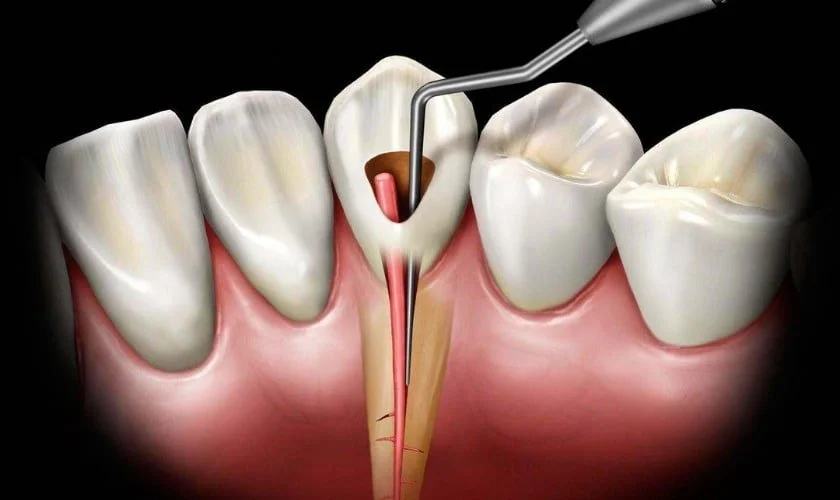
An inflamed or infected dental nerve
A dental abscess
A cracked or fractured tooth
Gum infection
Wisdom tooth problems
Trauma
Teeth grinding or clenching
Temporomandibular joint problems
The correct treatment depends on the cause. A dental examination and, where clinically necessary, dental X-rays can help identify the source of the pain.
2. Do Not Ignore Severe Tooth Pain
Some people delay visiting the dentist because their pain temporarily improves. However, pain disappearing does not necessarily mean the underlying problem has resolved.
For example, an infected tooth may initially cause severe pain. If the nerve inside the tooth becomes severely damaged or dies, the pain may temporarily reduce. However, the infection can continue and may later cause swelling or a dental abscess.
Early assessment may provide more treatment options and may help prevent the problem from becoming more complicated.
3. Keep the Area Clean
Continue gently brushing and flossing around the affected area, unless doing so causes significant pain or bleeding.
Food trapped between teeth can sometimes make dental pain worse, particularly when there is inflammation around a tooth or gum.
Rinsing gently with warm salt water may also provide temporary comfort for some people. However, home remedies do not replace professional dental treatment.
4. Avoid Extreme Temperatures
If your tooth is sensitive, try to avoid very hot or very cold food and drinks.
You may also find it helpful to avoid:
Very sweet foods
Hard or crunchy foods
Chewing directly on the painful side
These measures may reduce irritation while you arrange an appointment.
When Is Tooth Pain a Dental Emergency?
Severe tooth pain should be assessed promptly, particularly if it is associated with other symptoms.
Seek urgent dental care if you experience:
Severe or worsening pain
Facial swelling
Swelling around the gums
Fever or feeling generally unwell
Difficulty swallowing
Difficulty breathing
Pus or a bad taste in the mouth
A broken or fractured tooth
A knocked-out tooth
Pain that prevents you from sleeping or functioning normally
Difficulty breathing or swallowing, rapidly increasing facial swelling or signs of a serious infection may require immediate medical attention.
What Causes Severe Tooth Pain?
Tooth Decay
A cavity can gradually progress deeper into a tooth. When decay reaches the inner part of the tooth containing the dental nerve, it may cause severe sensitivity or spontaneous toothache.
You may experience pain when:
Drinking cold or hot beverages
Eating sweet foods
Biting down
Lying down at night
If decay has progressed significantly, treatment may involve a filling, root canal treatment or removal of the tooth, depending on the condition of the tooth.
Dental Infection or Abscess
A dental abscess is an infection that can cause intense, throbbing pain.
Possible symptoms include:
Severe toothache
Gum swelling
Facial swelling
A bad taste in the mouth
Sensitivity to pressure
Fever
Difficulty opening the mouth
A dental abscess should be assessed promptly. Treatment may involve addressing the source of the infection, which can include dental treatment such as root canal treatment or extraction where appropriate.
Cracked or Broken Tooth
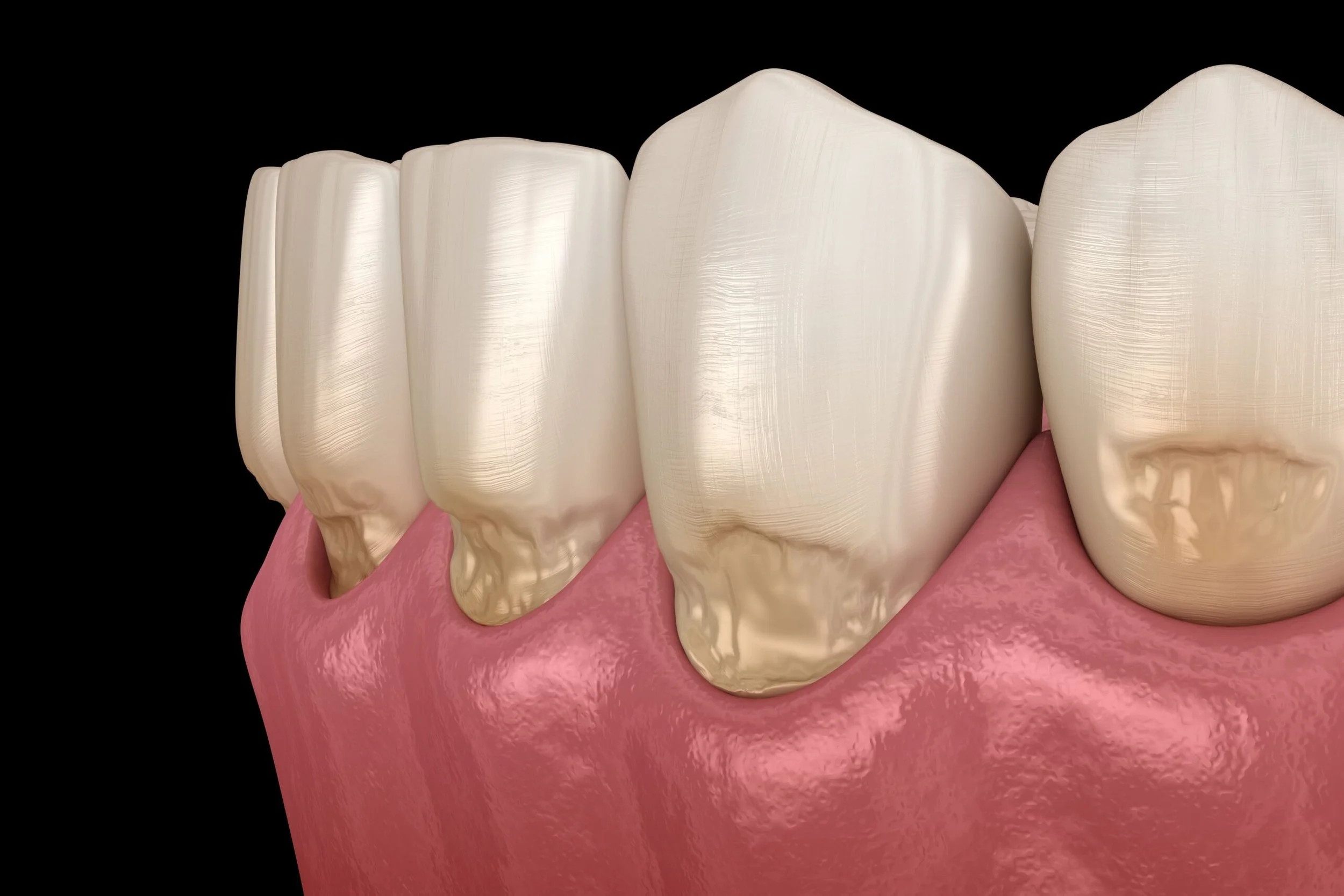
A cracked tooth may cause sharp pain when biting or releasing your bite. Some cracks can be difficult to see, especially when they occur below the gum line.
A broken or cracked tooth may require:
A filling or bonded restoration
A crown
Root canal treatment
Other restorative treatment
Extraction in cases where the tooth cannot be saved
The earlier a damaged tooth is assessed, the sooner treatment options can be considered.
Wisdom Tooth Problems
Wisdom teeth can cause pain when they become impacted, partially erupted or surrounded by inflamed gum tissue.
Symptoms may include:
Pain at the back of the mouth
Swollen gums
Difficulty opening the mouth
Bad taste or bad breath
Pain when chewing
Swelling around the jaw
Wisdom tooth pain should be assessed to determine whether the tooth can be managed or whether further treatment is required.
Teeth Grinding and Clenching
Not all dental pain is caused by infection or tooth decay.
Grinding and clenching can place significant stress on the teeth, jaw muscles and temporomandibular joints. This may cause:
Jaw pain
Tooth sensitivity
Headaches
Facial pain
Worn or cracked teeth
Pain when chewing
If your toothache is accompanied by jaw pain, headaches or significant teeth grinding, a TMJ assessment may be appropriate.
What Should I Do If My Tooth Has Been Knocked Out?
If a permanent tooth has been knocked out, seek urgent dental care.
If possible:
Handle the tooth by the crown, not the root.
Avoid scrubbing the root.
If the tooth is dirty, gently rinse it.
Keep the tooth moist.
Seek urgent dental treatment as soon as possible.
The sooner a knocked-out permanent tooth is assessed, the better the chance of considering appropriate treatment options.
A baby tooth should not generally be placed back into the socket. Seek professional advice instead.
What Should I Do If My Tooth Is Broken?
If you break or chip a tooth:
Save any broken pieces if possible.
Avoid chewing on the affected side.
Keep the area clean.
Arrange a dental assessment.
Seek urgent treatment if there is severe pain, bleeding or swelling.
A broken tooth may sometimes be repaired, but the appropriate treatment depends on how much of the tooth has been damaged and whether the dental nerve has been affected.
Can a Tooth Infection Go Away by Itself?
A tooth infection should not be assumed to have gone away simply because the pain improves.
Dental infections often require treatment to address the source of the infection. Depending on the condition of the tooth, treatment may include root canal treatment, restoration or extraction.
Antibiotics may sometimes be prescribed when clinically appropriate, but antibiotics alone do not always resolve the underlying cause of an infected tooth.
A dental examination is important to determine the appropriate treatment.
How Can I Relieve Severe Tooth Pain While Waiting for a Dentist?
While waiting for professional assessment, you may find temporary relief by:
Avoiding foods that trigger pain
Eating softer foods
Avoiding very hot or cold drinks
Keeping the area clean
Applying a cold compress externally if there is swelling
Taking suitable over-the-counter pain relief according to the product directions and your own medical circumstances
Do not place aspirin directly on the gum or tooth, as this can irritate or damage the soft tissues.
If you have medical conditions, allergies, take other medications or are unsure which pain relief is suitable for you, consult a pharmacist or medical professional.
When Should I Go to Hospital Instead of Waiting for a Dentist?
Some symptoms require urgent medical attention.
Seek immediate medical assistance if you have:
Difficulty breathing
Difficulty swallowing
Rapidly increasing facial or neck swelling
Severe systemic illness
Uncontrolled bleeding
Significant facial trauma
These symptoms can potentially indicate a serious condition requiring urgent medical management.
How Can an Emergency Dentist Help?
An emergency dental appointment may involve:
Discussing your symptoms and medical history.
Examining your teeth, gums and surrounding tissues.
Assessing the source and severity of the pain.
Taking dental X-rays where clinically indicated.
Providing appropriate treatment or temporary pain relief.
Developing a plan to address the underlying dental problem.
The goal is not only to relieve pain but also to identify and treat the cause of the emergency.
Dental Emergency Sydney: When Should You Call a Dentist?
If you have severe tooth pain, facial swelling, a broken tooth, a dental abscess or another urgent dental problem, do not wait until the symptoms become unbearable.
Prompt dental assessment may help identify the cause of the problem and determine whether the tooth can be treated and preserved.
At Pain Free Dentist Sydney, patients experiencing dental pain can discuss their symptoms and receive an appropriate dental assessment. Our practice provides a calm and patient-focused environment for people who may be anxious about dental treatment or concerned about pain.
If you are experiencing severe tooth pain or believe you have a dental emergency, contact a dentist as soon as possible to arrange an assessment.
Frequently Asked Questions
What is the fastest way to stop severe tooth pain?
The fastest way to obtain lasting relief is to identify and treat the underlying cause. Pain relief may provide temporary comfort, but severe tooth pain caused by infection, decay or a damaged tooth often requires professional dental treatment.
Is severe tooth pain always an emergency?
Not every toothache requires hospital treatment, but severe, persistent or worsening pain should be assessed promptly, especially if it is associated with swelling, fever, infection or difficulty opening the mouth.
Can a dentist save a severely painful tooth?
In many cases, a painful tooth can be treated and preserved. The appropriate treatment depends on the extent of decay, infection, cracking or damage.
Can a dental abscess be dangerous?
A dental abscess can become serious if an infection spreads. Facial swelling, fever, difficulty swallowing or difficulty breathing require urgent attention.
Should I wait until morning if I have severe tooth pain?
If your symptoms are severe, worsening or associated with swelling or other concerning symptoms, seek urgent professional advice rather than ignoring the problem.
How much does an emergency dentist cost in Sydney?
The cost of emergency dental treatment depends on the examination, X-rays and treatment required. An assessment is usually needed before the total treatment cost can be determined.
Need an Emergency Dentist in Sydney?
If you are experiencing severe tooth pain, a dental infection, facial swelling, a broken tooth or another dental emergency, contact Pain Free Dentist Sydney for an assessment.
📞 Call us today on 9558 8988 to discuss your dental emergency and arrange an appointment.
We proudly provide calm, patient-focused dental care for patients in Dulwich Hill, Hurlstone Park and Sydney's Inner West.