Why Do My Gums Bleed When I Brush? (And When to Worry)

Introduction

That pink tinge in the sink after you spit out your toothpaste might seem like a minor inconvenience, but it is actually one of the most significant warning signs your mouth can give you. Bleeding gums are not normal, and they are certainly not something you should simply accept as a part of life. Many people mistakenly believe that if their gums bleed, they should brush more gently or avoid flossing altogether. In reality, the exact opposite is true. Bleeding gums are your body's way of signaling that inflammation is present, and if left unaddressed, this inflammation can progress into a much more serious condition that threatens the very foundation of your teeth.

The Root Cause: Plaque and Inflammation

To understand why your gums bleed, you need to understand what is happening at a microscopic level inside your mouth. Your mouth is home to hundreds of different species of bacteria. These bacteria, combined with food particles and saliva, constantly form a sticky, colorless film on your teeth called dental plaque. When plaque accumulates along the gumline and between teeth, the bacteria produce toxins that irritate the delicate gum tissue. Your body's immune system responds to this irritation by sending increased blood flow to the area, which causes the gums to become red, swollen, and tender. This condition is known as gingivitis, and bleeding during brushing or flossing is its hallmark symptom.

The irony is that many people react to bleeding by avoiding the very areas that bleed. They brush more softly or skip flossing entirely because it hurts or looks alarming. However, this only allows the plaque to harden into a rough, porous substance called calculus or tartar. Once plaque hardens into tartar, it cannot be removed by brushing or flossing alone; it requires a professional dental cleaning. The tartar acts as a perfect breeding ground for even more bacteria, accelerating the cycle of inflammation and bleeding.

From Gingivitis to Periodontitis: The Slippery Slope

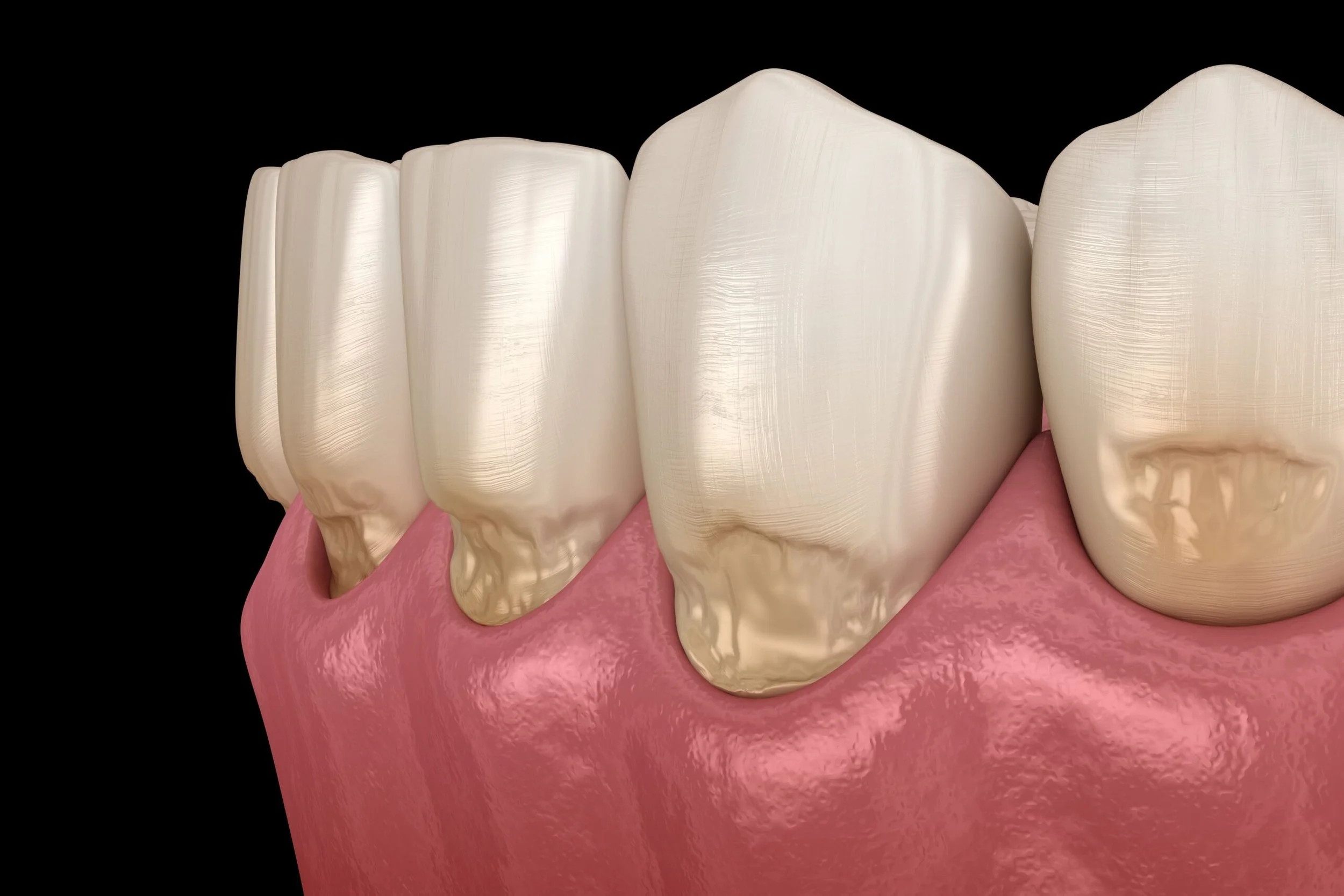
If gingivitis is left untreated, the inflammation can spread deeper below the gumline. The bacteria and the toxins they produce begin to break down the connective tissue and bone that hold your teeth in place. The gums begin to pull away from the teeth, forming spaces called periodontal pockets. These pockets trap even more food and bacteria, becoming difficult to clean and leading to further bone loss. This advanced stage of gum disease is called periodontitis, and unlike gingivitis, it is not reversible. The bone that has been lost does not grow back on its own. Eventually, the teeth become loose and may even fall out or require extraction.

It is important to note that periodontitis is not always painful. Many people are surprised to learn that they have severe gum disease because they experience no toothache at all. This is why regular dental checkups and X-rays are vital—they allow your dentist to measure the depth of the pockets around your teeth and monitor bone levels over time. Catching gum disease in its early gingivitis stage means you can reverse it completely with improved home care and professional cleanings. Catching it in the periodontitis stage means you are managing a chronic condition for the rest of your life.

When Bleeding Gums Signal Something Else

While poor oral hygiene is the most common cause of bleeding gums, it is not the only one. There are several other factors that can contribute to or exacerbate gum bleeding. Hormonal changes during pregnancy, puberty, or menopause can increase gum sensitivity and make bleeding more likely. Certain medications, particularly blood thinners, can make your gums bleed more easily. Vitamin C and vitamin K deficiencies can also affect gum health, as these vitamins are essential for tissue repair and blood clotting.

More seriously, bleeding gums can be an early warning sign of systemic health conditions. Diabetes, for example, impairs your body's ability to fight infection and can make you more susceptible to gum disease. Leukemia and other blood disorders can cause gum bleeding. Furthermore, the relationship between gum disease and heart disease has been well-documented; the inflammation from gum disease appears to contribute to the inflammation that damages blood vessels. If your gums bleed persistently despite good oral hygiene, it is worth discussing with your dentist and possibly your physician to rule out underlying health issues.

Solutions: How to Stop the Bleeding

The good news is that stopping bleeding gums is often remarkably simple and effective. The first and most important step is to improve your daily oral hygiene routine. Commit to brushing twice a day for a full two minutes each time, using a soft-bristled toothbrush and fluoride toothpaste. Pay special attention to the gumline, angling the bristles at a 45-degree angle so they gently sweep beneath the gum tissue.

Flossing is absolutely non-negotiable. Many people find that when they start flossing regularly, their gums bleed more at first. This is normal. The bleeding is caused by the inflammation in response to the bacteria that are suddenly being disturbed. If you keep flossing every day, the inflammation will subside, and the bleeding will stop within about a week or two. Flossing is the only way to remove plaque from between teeth where your brush cannot reach. Consider using interdental brushes or a water flosser if traditional floss is difficult for you to use.

Using an antimicrobial mouthwash can also help reduce the bacterial load in your mouth, but it should never replace brushing and flossing. Some mouthwashes contain alcohol, which can dry out your mouth and exacerbate irritation, so look for alcohol-free options. If you smoke or use tobacco products, quitting is one of the best things you can do for your gums, as smoking dramatically impairs blood flow to the gums and masks the signs of disease.

When to See a Dentist

If you have been flossing and brushing diligently for two weeks and your gums are still bleeding, it is time to see a dentist. You may have tartar buildup that requires a professional cleaning to remove. If the tartar is below the gumline, you may need a more intensive deep-cleaning procedure called scaling and root planing, where the dentist or hygienist numbs the area and scrapes the roots of your teeth to remove bacteria and smooth the surface so the gums can reattach.

Do not delay seeking professional help. The longer gum disease goes untreated, the more damage it causes. By the time you are in pain or notice your teeth shifting, significant bone loss has already occurred. Your gums are the foundation of your smile, and they deserve the same attention and care you give to your teeth.

Conclusion

Bleeding gums are a clear signal that something is wrong. They are the earliest warning sign of gum disease, and they give you a valuable opportunity to intervene before permanent damage occurs. By improving your brushing and flossing habits, addressing lifestyle factors, and visiting your dentist regularly, you can stop the bleeding and restore your gums to health. Remember, your oral health is a window to your overall health, and paying attention to what your gums are telling you is one of the most important things you can do for your wellbeing.

Book online at https://painfreedentistsydney.com.au/
Call us at 9558 8988
Email us at info@painfreedentistsydney.com.au

Crown vs. Filling: Why Does Your Dentist Recommend a Crown?

Intro

"So, why can't I just get a filling?"

It's one of the most common questions dentists hear. You have a cavity or a bit of damage. A filling sounds quick, affordable, and familiar. So why is your dentist talking about a crown—a cap that covers your entire tooth?

Here is the honest answer: a filling is a patch, but a crown is a protective helmet . Choosing the right one isn't about upselling; it's about giving your tooth the support it needs to survive long-term . While a filling restores a small area, a crown encases the whole tooth, restoring its strength, shape, and function .

Let's break down the difference between a filling and a crown, so you can understand what your tooth actually needs.

The Problem: Why a Filling Isn't Always Enough

Think of a filling like repairing a pothole. If the road is mostly intact, it's a great, lasting fix. But if the road is crumbling around the pothole, a new patch won't hold for long. It's the same with your tooth.

The key factor is structure. A filling can only repair a small area. If your tooth has lost too much of its natural structure, a filling won't be strong enough to withstand the force of chewing .

The 50% Rule

A good rule of thumb is that once a filling takes up more than 50% of a tooth's width, the remaining natural tooth walls become too thin and weak . Without reinforcement, that tooth is at high risk of cracking or fracturing . A filling simply isn't designed to hold the tooth together under that kind of pressure.

Beyond the Size of the Cavity

Even if the damage isn't massive, certain conditions mean a filling won't cut it :

  • The Tooth Has Had a Root Canal: After a root canal, a tooth loses its blood and nerve supply. This makes it more brittle and prone to fracture . For back teeth, a crown is almost always essential to protect it and prevent it from breaking apart under normal chewing forces .

  • The Tooth is Cracked: If your tooth has a crack, a filling won't "glue" it back together. A crown can encapsulate and hold the tooth's structure intact, preventing the crack from spreading .

  • You Grind Your Teeth: If you have bruxism (teeth grinding), your teeth are under extra stress. A tooth with a large filling is especially vulnerable. A crown can protect it from the additional wear and tear .

  • The Damage is Too Extensive: A large cavity, a broken tooth, or severe wear and tear can destroy too much of the tooth's natural structure to be fixed with a filling. A crown is needed to rebuild and reinforce it .

The Solution: How a Crown Protects Your Tooth

A dental crown, sometimes called a "cap," is a custom-made cover that fits over your entire visible tooth, right down to the gum line . It acts like a full-coverage shield, distributing chewing forces evenly and preventing your tooth from splitting .

A crown is the right choice if you have:

  • A tooth with a very large filling (over 50% of the tooth)

  • A tooth that's cracked, broken, or severely worn

  • A tooth that has had root canal treatment

  • A tooth weakened by extensive decay or trauma

What Happens if You Delay Getting a Crown?

Putting off a recommended crown can have serious consequences. The "wait and see" approach often leads to more pain and expense .

  • The Tooth Will Eventually Break: A weakened tooth is on borrowed time. Without a crown, a large filling or a root canal-treated tooth is highly vulnerable to fracturing, often when you least expect it—like when biting into a piece of bread .

  • You Could Lose the Tooth: If a cracked or broken tooth splits below the gum line, it may be impossible to save. What could have been fixed with a crown may end up requiring an extraction, followed by an implant or bridge .

The Bottom Line

Your dentist's goal isn't just to fix a problem today—it's to help you keep your teeth for a lifetime. A filling might seem like the easier choice, but if your tooth is compromised, a filling could be a temporary fix that leads to a bigger problem down the road. A crown, on the other hand, is a long-term investment in the health of your tooth .

If your dentist recommends a crown, it's because they believe a filling won't provide the strength your tooth needs to survive .

Concerned about a weakened tooth? Visit https://painfreedentistsydney.com.au/ to book your consultation online. Call us at (02) 9558 8988 or email info@painfreedentistsydney.com.au to speak with our team.

Professional Teeth Whitening: Your Complete Guide to a Brighter Smile

Intro

A bright, white smile is often associated with health, confidence, and youth. But over time, natural ageing, dietary habits, and lifestyle choices can dull the brightness of your teeth—even if you maintain good oral hygiene .

If you have been staring at your smile in the mirror and wishing it were brighter, you are not alone. Teeth whitening is one of the most popular cosmetic dental treatments in Australia, and for good reason. It is affordable, safe, and can make a dramatic difference to how you look and feel.

But with so many options available—from supermarket strips to in-chair laser treatments—it can be hard to know where to start. This guide will walk you through everything you need to know about professional teeth whitening, so you can make an informed decision with confidence.

What Causes Teeth to Become Discoloured?

Teeth can become stained or discoloured for a variety of reasons. Understanding the root cause can help you make informed decisions about whitening and maintaining your results :

  • Dietary Habits – Beverages like coffee, tea, red wine, and soft drinks, as well as dark-coloured fruits and sauces, can stain the enamel over time .

  • Smoking & Tobacco Use – Nicotine and tar can cause significant yellowing and even brown staining .

  • Ageing – As you age, the outer layer of enamel naturally wears down, revealing the yellowish dentin underneath .

  • Medication-Related Stains – Some antibiotics (such as tetracycline), chemotherapy, and radiation can cause deep intrinsic stains that are harder to remove .

  • Genetics – Your natural tooth colour and enamel thickness are determined by your genes .

  • Poor Oral Hygiene – Inadequate brushing and flossing allow plaque and stains to build up more rapidly .

While professional cleaning can remove surface stains, deeper discolouration often requires a dedicated whitening treatment .

Professional In-Chair Whitening: What to Expect

Professional in-chair whitening is the fastest and most predictable way to brighten your smile. The most widely used system in dental offices worldwide is Philips Zoom! Whitening, chosen by millions of patients for its speed and dramatic results .

How It Works

The Zoom! whitening system uses a light-activated hydrogen peroxide gel—typically 25%—applied directly to the tooth surface. A specially calibrated Zoom! lamp activates the bleaching gel, accelerating the process by breaking apart stain molecules in the enamel and dentin . The result is a shade improvement that would take weeks of at-home treatment to achieve .

The Procedure Step by Step

  1. Initial Evaluation and Shade Assessment – Your dentist will examine your teeth and gums to ensure you are a suitable candidate. Any issues like cavities or gum inflammation need to be addressed first. Your baseline shade is recorded using a professional shade guide .

  2. Gum and Lip Protection – A protective barrier is applied to your gums and soft tissue to isolate the teeth and prevent any contact with the whitening gel. A cheek retractor keeps your lips clear throughout the procedure .

  3. Gel Application and Light Activation – The whitening gel is applied evenly across all visible teeth. The Zoom! lamp is then positioned and activates the hydrogen peroxide. This cycle is repeated 3 to 4 times, with fresh gel applied before each cycle. The full appointment—including preparation and post-treatment assessment—is completed in under 90 minutes .

  4. Final Results and Shade Comparison – Once all cycles are complete, your new shade is assessed against your baseline. A post-treatment fluoride application or desensitising gel may be applied to reduce sensitivity and strengthen enamel .

How Much Whiter Will My Teeth Be?

Based on clinical data, most patients achieve an improvement of 6 to 10 shades in a single session . Results are immediate—patients leave with visibly whiter teeth the same day .

Take-Home Whitening Kits: A Gradual Alternative

If you prefer to whiten your teeth at home, your dentist can provide custom-fitted trays and professional-grade whitening gel. This option offers a more gradual whitening process over several weeks .

How It Works

Your dentist takes impressions of your teeth to create custom trays that fit perfectly. You apply the gel at home over several weeks, typically achieving similar results to in-chair whitening. The custom trays ensure the gel stays precisely where it should—on your teeth, not your gums—which means more effective whitening and less irritation.

Professional vs Over-the-Counter: What Changes When a Dentist Is Involved?

The supermarket aisle makes whitening look simple. Strips, pens, LED kits, and generic trays all promise a brighter smile for less money . But lower cost and better value are not the same thing.

Why Professional Treatment Is Different

Professional whitening starts with diagnosis. Over-the-counter products start with assumption. They assume your teeth are suitable, your staining will respond, your gums will tolerate the product, and your existing dental work won't create cosmetic mismatch . Sometimes that assumption holds up. Sometimes it doesn't.

Professional treatment also gives you a better fit. Custom trays hug the teeth you have. Generic trays fit almost no one particularly well. That matters because sloppy tray fit usually means sloppy gel placement, more leakage, and more gum irritation .

Where Over-the-Counter Products Can Make Sense

There are situations where store-bought products are reasonable—mild staining, small expectations, a patient who understands the limitations and wants only a modest refresh .

Where they tend to disappoint is when the goal is a more noticeable colour change, when the stains are stubborn, or when the patient already has sensitivity . In those cases, people often spend money in stages—first on supermarket products, then on another kit, then finally on a professional appointment. The total outlay ends up feeling wasteful because the early steps did not solve the original problem .

Instead of asking only "What's cheapest?", ask "What is most likely to work safely for my teeth?" Whitening isn't just a product purchase. It is a cosmetic dental treatment, and the best value usually comes from choosing the option that fits your teeth, timeline, and tolerance for risk .

How Long Do Whitening Results Last?

With proper care, the results of a professional whitening treatment typically last 12 to 24 months before a touch-up session is advisable . Some patients maintain their results for longer with disciplined oral hygiene habits and lifestyle choices .

In general, teeth whitening results last 1 to 3 years with proper care .

Tips for Maintaining Your Results

  • Avoid smoking – Tobacco is one of the most aggressive causes of re-staining

  • Limit coffee, tea, and red wine – Or rinse with water immediately after consuming them

  • Use a whitening toothpaste to gently manage surface stains between professional treatments

  • Maintain consistent oral hygiene habits – Brush twice daily and floss daily

  • Schedule a teeth cleaning every six months – Professional prophylaxis removes surface staining before it sets

  • Use custom take-home trays with professional-grade whitening gel for periodic maintenance

Results last as long as lifestyle permits – smokers and those who frequently enjoy coffee, tea, or red wine will not experience the same long-lasting results .

What to Do Before and After Whitening

Before Your Appointment

  • Professional Teeth Cleaning – For the bleaching gel to work effectively, it is recommended to have a professional teeth cleaning no more than 4 weeks before whitening. This ensures that plaque and tartar are removed, allowing the bleaching agent to penetrate evenly .

  • Avoid Staining Foods – In the days leading up to your treatment, try to avoid foods and drinks that can cause stains such as coffee, tea, red wine, and berries .

  • Consult Your Dentist About Sensitivity – If you have sensitive teeth or gums, talk to your dentist before the treatment. They may recommend desensitising products .

After Your Appointment

The "White Diet"
Follow a "white diet" for at least 48 hours after treatment. Safe foods include:

  • Yogurt

  • Chicken

  • Rice

  • Eggs

  • Bananas

Avoid:

  • Coffee (wait at least 48 hours)

  • Tea

  • Red wine

  • Dark sauces (soy sauce, balsamic vinegar)

  • Chocolate

  • Tomatoes and tomato-based sauces

  • Berries and dark-coloured fruits

Other Tips

  • Wait 30 minutes to an hour before eating after your session

  • Avoid smoking for at least 48 hours

  • Continue brushing twice a day with fluoride toothpaste

  • Watch for sensitivity—it is normal and should subside within a few days

Side Effects and Safety

Gum irritation and increased tooth sensitivity are the most common side effects of teeth bleaching with peroxide solutions . Temporary tooth sensitivity is the most common side effect and typically resolves within 48 hours .

The American Dental Association has granted its seal of approval on some teeth whitening products. Always talk to your dentist about which products are most effective and safe to use .

The Bottom Line

Professional teeth whitening is one of the simplest, safest, and most effective ways to transform your smile. Whether you choose in-chair Zoom whitening, advanced laser treatment, or a take-home kit, the key is to start with a dental consultation.

Your dentist will assess your teeth, discuss your goals, and recommend the best option for your smile. The result? A brighter, more confident you—without the guesswork of over-the-counter products.

Ready to brighten your smile? Visit https://painfreedentistsydney.com.au/ to book your consultation online. Call us at (02) 9558 8988 or email info@painfreedentistsydney.com.au to speak with our team.