Gingivitis: Understanding, Preventing and Treating Early Gum Disease

Healthy gums are essential for maintaining healthy teeth and a confident smile. However, many people overlook the early warning signs of gum disease, assuming that bleeding gums or mild inflammation are normal. In reality, these symptoms may indicate gingivitis, the earliest stage of gum disease.

The good news is that gingivitis is generally reversible with appropriate dental care, good oral hygiene and early intervention. Recognising the symptoms and seeking professional dental advice can help prevent the condition from progressing into more serious periodontal disease.

What Is Gingivitis?

Gingivitis is inflammation of the gums, usually caused by the accumulation of dental plaque along the gumline.

Plaque is a sticky, colourless film containing bacteria that constantly forms on the surfaces of teeth. When plaque is not removed effectively through brushing and flossing, bacteria can irritate the surrounding gum tissue, causing inflammation.

As the condition develops, the gums may become red, swollen and more likely to bleed during brushing or flossing.

Unlike advanced gum disease, gingivitis does not usually involve permanent damage to the supporting bone around the teeth. With early treatment and improved oral hygiene, the gums can often return to a healthy condition.

What Are the Common Signs and Symptoms of Gingivitis?

Gingivitis can develop gradually, and some people may not experience discomfort during its early stages.

Common warning signs include:

  • Bleeding gums: Gums bleed during brushing, flossing or eating.

  • Red or swollen gums: Healthy gums are generally firm and pale pink, while inflamed gums may appear red, puffy or tender.

  • Persistent bad breath: Bacterial accumulation can contribute to unpleasant breath.

  • Gum tenderness: The gums may feel sensitive when touched or when brushing.

  • Changes around the gumline: The gums may appear swollen or slightly enlarged.

It is important not to ignore bleeding gums. Although occasional bleeding can have different causes, persistent bleeding should be assessed by a dental professional.

What Causes Gingivitis?

The primary cause of gingivitis is dental plaque accumulation. However, several factors can increase the likelihood of developing gum inflammation.

1. Inadequate oral hygiene

Insufficient brushing and flossing allow plaque to accumulate around the teeth, particularly between teeth and along the gumline.

2. Smoking and tobacco use

Smoking can affect gum health, impair the body's healing response and increase the risk of periodontal disease.

3. Hormonal changes

Hormonal fluctuations during pregnancy, puberty and menopause can make gum tissue more sensitive to bacterial irritation.

4. Diabetes

Uncontrolled diabetes can affect the body's ability to manage inflammation and fight infections, increasing the risk of gum disease.

5. Certain medications

Some medications can contribute to gum enlargement, dry mouth or changes in the body's response to plaque.

6. Poorly fitting dental restorations

Dental fillings, crowns or other restorations with unsuitable contours or margins may make plaque removal more difficult.

Can Gingivitis Develop into Periodontitis?

Yes. If gingivitis is left untreated, it can progress to periodontitis, a more advanced form of gum disease.

In periodontitis, inflammation affects the supporting structures of the teeth, including the periodontal ligament and surrounding bone.

As the condition progresses, patients may experience:

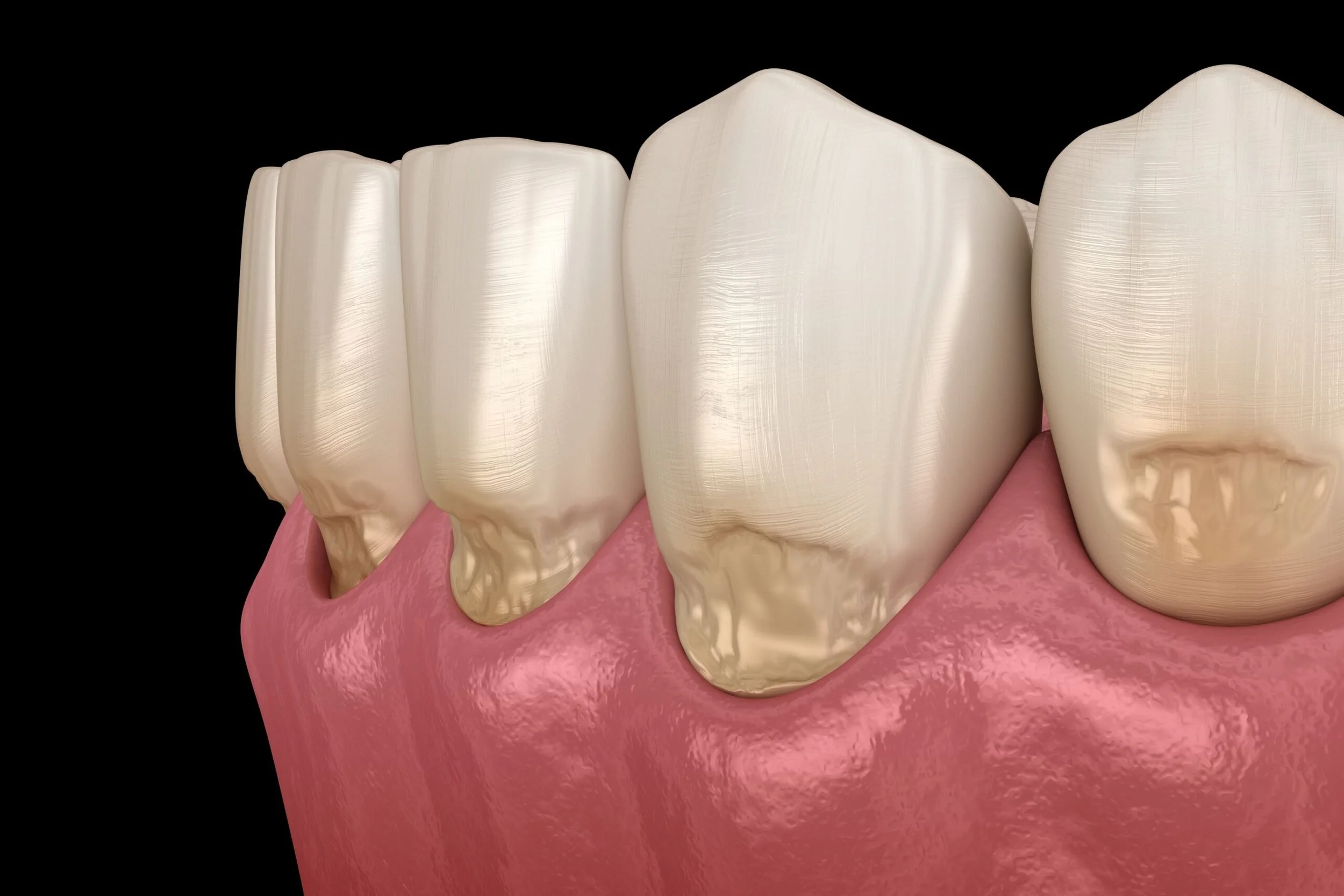
  • Gum recession.

  • Deep periodontal pockets.

  • Persistent gum infection.

  • Bone loss around the teeth.

  • Loose or shifting teeth.

  • Increased risk of eventual tooth loss.

The important distinction is that gingivitis is generally reversible, whereas the bone and supporting tissue damage associated with periodontitis may be permanent.

Early diagnosis and professional dental care are therefore essential.

How Is Gingivitis Diagnosed?

A dental examination allows the dentist to assess the condition of your gums and identify early signs of inflammation.

During the assessment, your dentist may:

  • Examine the colour, shape and consistency of your gums.

  • Check for bleeding and inflammation.

  • Measure periodontal pocket depths around the teeth.

  • Identify plaque and hardened tartar deposits.

  • Assess existing dental restorations and areas where plaque may accumulate.

  • Recommend dental X-rays when clinically indicated to evaluate supporting bone levels.

A comprehensive assessment helps determine whether the inflammation is limited to gingivitis or whether more advanced periodontal disease is present.

How Is Gingivitis Treated?

Treatment focuses on removing the bacterial deposits responsible for gum inflammation and improving daily oral hygiene.

Professional dental cleaning

A professional scale and clean removes plaque and hardened calculus (tartar) that cannot be effectively removed through ordinary brushing.

Improved brushing techniques

Brushing twice daily with a soft-bristled toothbrush and fluoride toothpaste helps remove plaque and maintain healthy gums. Pay particular attention to the gumline.

Daily flossing or interdental cleaning

Cleaning between the teeth is essential because toothbrush bristles cannot adequately reach every surface. Dental floss or appropriately sized interdental brushes can help remove trapped food particles and plaque.

Antibacterial mouthwash when appropriate

In selected cases, your dentist may recommend an antibacterial mouthwash as an additional measure. It should not replace brushing, flossing or professional cleaning.

Regular dental reviews

Follow-up appointments allow your dentist to monitor gum health, assess improvements and identify any areas requiring further attention.

How Can You Prevent Gingivitis?

Prevention is often much easier than treating established gum disease.

A consistent oral hygiene routine can significantly reduce your risk of developing gingivitis.

We recommend:

  • Brush your teeth twice daily for two minutes.

  • Use fluoride toothpaste.

  • Clean between your teeth every day.

  • Replace your toothbrush regularly.

  • Avoid smoking and tobacco products.

  • Maintain a balanced diet and limit frequent sugary snacks.

  • Attend regular dental examinations and professional cleans.

  • Seek dental advice if your gums bleed persistently.

Remember, healthy gums should not routinely bleed when you brush or floss.

Does Gingivitis Cause Bad Breath?

Yes. Gingivitis can contribute to persistent bad breath because bacteria accumulate in dental plaque and release unpleasant-smelling compounds.

However, bad breath does not always originate from the gums. Other possible causes include tongue coating, tooth decay, dry mouth, dental infections and certain medical conditions.

If you experience persistent bad breath despite maintaining good oral hygiene, a dental examination can help identify the underlying cause.

When Should You See a Dentist?

You should arrange a dental assessment if you notice persistent gum bleeding, swelling, redness, tenderness or ongoing bad breath.

Do not wait until your teeth become loose or painful. Gum disease can progress without significant discomfort, which means regular dental examinations are particularly important.

At Pain Free Dentist Sydney, Dulwich Hill, we understand that dental concerns can sometimes cause anxiety. Our approach focuses on gentle assessment, clear communication and treatment recommendations based on your individual oral health needs.

Our aim is to help you maintain healthy gums, preserve your natural teeth and prevent avoidable dental complications.

Healthy Gums Are the Foundation of a Healthy Smile

Gingivitis is an early warning sign that your gums need attention. Fortunately, with early diagnosis, professional cleaning and consistent home care, gum inflammation can often be reversed before permanent damage occurs.

Looking after your gums is just as important as looking after your teeth. A healthy smile begins with healthy gums.

Concerned about bleeding or swollen gums?

Contact Pain Free Dentist Sydney in Dulwich Hill to arrange a dental examination.

Pain Free Dentist Sydney – Dr Lisa Chong

Wisdom Teeth Removal Under IV Sedation: A More Comfortable Experience in Sydney

Wisdom teeth removal can be stressful, particularly if you feel anxious about dental procedures or have concerns about discomfort during surgery. For some patients, IV sedation (intravenous sedation) may help make wisdom teeth removal a more relaxed and manageable experience.

At Pain Free Dentist Sydney in Dulwich Hill, we understand that every patient has different needs. IV sedation may be considered for suitable patients, depending on their dental condition, medical history and the complexity of the procedure.

What Are Wisdom Teeth?

Wisdom teeth are the third molars, usually the last teeth to develop at the back of the mouth. They commonly emerge during the late teenage years or early adulthood.

Sometimes, there is insufficient space for wisdom teeth to erupt properly. They may become impacted, grow at an angle or remain partially covered by gum tissue.

This can contribute to:

  • Pain or pressure at the back of the jaw

  • Swollen or inflamed gums

  • Repeated infections around partially erupted teeth

  • Food trapping and difficulty cleaning

  • Tooth decay affecting wisdom teeth or neighbouring molars

  • Damage to adjacent teeth in some cases

Not every wisdom tooth needs to be removed. A dental examination and appropriate imaging help determine whether removal is recommended.

What Is IV Sedation for Wisdom Teeth Removal?

IV sedation involves administering sedative medication through a small intravenous line, usually placed in the arm or hand.

The medication helps reduce anxiety and produces a relaxed, drowsy state. Patients may feel less aware of the procedure and may have limited memory of what happened.

It is important to understand that IV sedation is not the same as general anaesthesia. With IV sedation, patients are generally still conscious and able to respond to instructions, although they may feel very sleepy.

Local anaesthetic is also used to numb the treatment area so that the dentist can perform the procedure comfortably.

Why Consider IV Sedation for Wisdom Teeth Removal?

IV sedation may be suitable for patients who:

  • Feel nervous or anxious about dental treatment

  • Have had difficult dental experiences in the past

  • Need multiple wisdom teeth removed

  • Require a more complex surgical extraction

  • Have difficulty tolerating lengthy dental procedures

  • Prefer additional support in managing dental anxiety

The suitability of sedation is assessed individually. It is not necessary for every wisdom tooth extraction.

What Happens During Wisdom Teeth Removal Under IV Sedation?

ABC DENTAL NOW OFFERING 3D X-RAY | ABC Dental

Sedation Matters — Resuscitation Matters

Dłutowanie zęba − sposób na pozbycie się ósemki | drmax.pl | Dr. Max

7

1. Initial consultation and assessment

Your dentist will examine your teeth, gums and jaw. Dental X-rays or other imaging may be required to assess the position of the wisdom teeth and their relationship to nearby structures.

2. Sedation assessment

Your medical history, medications, allergies and previous experiences with sedation will be reviewed. The sedation practitioner will determine whether IV sedation is appropriate and explain the preparation requirements.

3. Administration of IV sedation

An intravenous line is placed, and the sedative medication is administered by the qualified sedation practitioner. Your vital signs are monitored throughout the procedure.

4. Local anaesthetic and tooth removal

Local anaesthetic is used to numb the area. Depending on the position of the wisdom tooth, removal may involve a straightforward extraction or a surgical approach.

5. Recovery and discharge

After treatment, you will be monitored while the sedation wears off. You will need a responsible adult to accompany you home and follow the post-sedation instructions. You must not drive or make important decisions for the period specified by your sedation practitioner, usually at least 24 hours.

What Is Recovery Like After Wisdom Teeth Removal?

Some swelling, tenderness, bruising and limited mouth opening are common after wisdom teeth surgery. Recovery varies depending on the number of teeth removed and the complexity of the extraction.

To support healing:

  • Follow the post-operative instructions provided by your dental team.

  • Eat soft foods initially and gradually return to your usual diet.

  • Avoid smoking and vaping during healing.

  • Avoid vigorous rinsing or spitting during the initial recovery period.

  • Keep the area clean as instructed.

  • Take prescribed or recommended medication according to directions.

Contact your dental team if you experience worsening pain, persistent bleeding, fever, increasing swelling or difficulty swallowing or breathing. Difficulty breathing or swallowing requires urgent medical attention.

Is IV Sedation Safe?

IV sedation is commonly used in dentistry for appropriately selected patients. However, like any medical procedure, it carries risks.

A thorough medical assessment is essential. Sedation should be provided by an appropriately qualified practitioner, with suitable monitoring and emergency equipment available.

Patients should disclose all medications, medical conditions, allergies and relevant previous reactions to sedation. Fasting and medication instructions must be followed carefully.

Frequently Asked Questions

Can I have all four wisdom teeth removed under IV sedation?

In suitable cases, multiple wisdom teeth can be removed during one appointment. The decision depends on their position, surgical complexity, medical history and the sedation assessment.

Will I feel pain during the procedure?

IV sedation helps you feel relaxed, while local anaesthetic numbs the treatment area. You may feel pressure or movement, but the aim is to manage discomfort appropriately throughout the procedure.

Will I be asleep?

You will generally be conscious but drowsy. Some patients remember very little of the procedure. IV sedation is different from general anaesthesia.

Can I drive home afterwards?

No. You must arrange for a responsible adult to accompany you home and follow the sedation practitioner's instructions. Do not drive yourself.

Does everyone need IV sedation for wisdom teeth removal?

No. Many wisdom teeth can be removed using local anaesthetic alone. IV sedation is an option for selected patients based on their needs and clinical circumstances.

Wisdom Teeth Removal Under IV Sedation in Dulwich Hill, Sydney

If you are experiencing wisdom tooth pain or have been advised to have your wisdom teeth removed, an assessment can help determine the most appropriate treatment approach.

At Pain Free Dentist Sydney, Dr Lisa Chong focuses on understanding each patient's concerns and discussing suitable treatment options. For patients who may benefit from additional support, IV sedation can be considered following an appropriate assessment and coordination with the sedation practitioner.

Contact Pain Free Dentist Sydney

  • Location: Dulwich Hill, Sydney

  • Phone: 02 9558 8988

  • Email: info@painfreedentistsydney.com.au

  • Website: painfreedentistsydney.com.au

Workers Compensation for Dental Injuries Caused by TMJ Dysfunction and PTSD Following a Workplace Incident

A workplace incident can have consequences that extend far beyond the initial physical injury. For some workers, a traumatic experience can lead to ongoing psychological difficulties, including post-traumatic stress disorder (PTSD), anxiety, disturbed sleep and persistent muscle tension.

One area that is sometimes overlooked is the impact of psychological trauma on oral health.

Some individuals experiencing PTSD develop increased jaw clenching, teeth grinding (bruxism) and temporomandibular joint dysfunction (TMJ). Over time, excessive pressure on the teeth and jaw muscles may contribute to dental damage, tooth wear, fractures and chronic jaw discomfort.

For workers who experience these problems following a work-related incident, an important question arises:

Can dental injuries associated with PTSD-related TMJ dysfunction be covered under workers compensation?

In certain circumstances, dental treatment may be considered as part of a workers compensation claim when an appropriate clinical connection between the accepted work-related injury and the dental condition can be established.

At Pain Free Dentist Sydney in Dulwich Hill, we understand the importance of assessing the relationship between workplace trauma, psychological health, jaw function and resulting dental problems.

1. Understanding the Connection Between Workplace Trauma, PTSD and Dental Problems

A traumatic workplace incident can affect a person's psychological and physical wellbeing.

When an individual develops PTSD, the nervous system may remain in a heightened state of alertness. Symptoms can include anxiety, hypervigilance, disturbed sleep, nightmares and increased physiological arousal.

These changes may influence muscle activity and pain sensitivity.

For some individuals, this may contribute to:

  • Frequent jaw clenching during the day.

  • Teeth grinding during sleep.

  • Excessive activity of the masseter and temporalis muscles.

  • Persistent jaw muscle tension.

  • Facial pain and headaches.

  • Temporomandibular joint discomfort.

  • Increased tooth wear and dental damage.

Research published in the Journal of Oral Rehabilitation has identified an association between PTSD and painful temporomandibular disorders, awake bruxism and sleep bruxism.

This suggests that psychological trauma and oral health problems may be interconnected in some patients.

However, PTSD does not automatically cause TMJ dysfunction or dental injury. Each patient's clinical history and contributing factors need to be assessed individually.

2. How Can PTSD-Related Teeth Grinding Damage Your Teeth?

Bruxism refers to repetitive or sustained jaw muscle activity, including clenching and grinding.

Some people grind their teeth during sleep without being aware of it. Others clench their jaws during waking hours, particularly when experiencing stress, anxiety or heightened alertness.

When this activity becomes excessive or persistent, the teeth may be exposed to repeated mechanical loading.

Potential dental consequences include:

Excessive Tooth Wear

Repeated grinding can gradually wear down the natural enamel and dentine, changing the original shape and height of the teeth.

Cracked or Fractured Teeth

Excessive forces may contribute to cracks, fractures or damage to existing dental restorations.

Tooth Sensitivity

As protective enamel wears away, underlying dentine may become exposed, resulting in sensitivity to hot, cold or pressure.

Fractured Fillings and Dental Restorations

Repeated clenching and grinding can place excessive forces on fillings, crowns and other restorations.

Changes in Bite Relationships

Significant tooth wear or loss of tooth structure may alter the way the upper and lower teeth meet.

In severe cases, extensive dental rehabilitation may be required to restore damaged teeth and chewing function.

3. What Is the Relationship Between PTSD and TMJ Dysfunction?

The temporomandibular joints connect the lower jaw to the skull and work together with the surrounding muscles to control jaw movement.

Persistent clenching and grinding can increase the workload of the chewing muscles and may contribute to painful temporomandibular disorders.

Patients may experience:

  • Pain around the jaw joints.

  • Tightness in the masseter muscles.

  • Temple headaches.

  • Facial muscle tenderness.

  • Difficulty opening the mouth.

  • Clicking or popping sounds.

  • Pain when chewing.

  • Neck and associated muscle discomfort.

In some patients, the combination of PTSD symptoms, poor sleep and persistent bruxism may make existing jaw discomfort more difficult to manage.

A comprehensive assessment should consider both the psychological and physical aspects of the condition.

4. Can Dental Injuries Be Covered Under Workers Compensation?

In NSW, workers compensation may cover medical and related treatment arising from an accepted work-related injury, subject to the applicable legislative requirements.

Where a worker has developed PTSD following a workplace incident and subsequently experiences significant bruxism, TMJ dysfunction or dental damage, the relationship between these conditions may need to be investigated.

For example, the clinical history may involve the following sequence:

  1. A worker experiences a traumatic workplace incident.

  2. The worker subsequently develops PTSD or another recognised psychological injury.

  3. The psychological condition is associated with persistent anxiety, hyperarousal or sleep disturbance.

  4. The worker develops or experiences worsening jaw clenching and teeth grinding.

  5. Persistent bruxism contributes to tooth wear, fractures or other dental problems.

  6. Dental treatment becomes necessary to address the resulting injury or damage.

This sequence may provide a basis for investigating whether the dental condition is related to the accepted workplace injury.

However, the existence of an accepted PTSD claim does not automatically establish that every subsequent dental problem is compensable.

The clinical relationship must be supported by appropriate evidence, and the insurer must assess whether the proposed dental treatment meets the applicable workers compensation requirements.

5. What Dental Conditions May Require Assessment?

Workers experiencing PTSD-related bruxism and TMJ dysfunction may require assessment for several dental conditions.

These may include:

Tooth Wear and Loss of Tooth Structure

Severe grinding may gradually reduce the natural tooth structure, affecting chewing efficiency and bite relationships.

Cracked or Fractured Teeth

Repeated excessive loading may contribute to fractures that require restorative treatment.

Dental Restoration Failure

Existing fillings, crowns or bridges may become damaged under repeated grinding forces.

TMJ and Jaw Muscle Dysfunction

Persistent clenching may contribute to muscular pain, restricted jaw movement and joint-related symptoms.

Changes in Bite and Chewing Function

Extensive tooth wear may alter the patient's bite, potentially requiring comprehensive restorative assessment.

The treatment required depends on the severity of the damage and the individual clinical findings.

6. What Evidence Is Important for a Workers Compensation Dental Claim?

Good clinical documentation is particularly important when dental treatment is being requested as part of a workers compensation claim.

The treating dentist may need to document:

  • The patient's reported workplace incident and injury history.

  • Whether PTSD has been diagnosed and accepted as a work-related injury.

  • The onset and progression of jaw clenching or teeth grinding.

  • The patient's reported dental symptoms.

  • Clinical evidence of tooth wear, fractures or damaged restorations.

  • TMJ examination findings.

  • Relevant dental records and previous treatment history.

  • Diagnostic photographs and radiographs where appropriate.

  • The proposed dental treatment and its clinical justification.

Where appropriate, reports from the treating psychologist, psychiatrist or medical practitioner may help explain the psychological injury and its clinical history.

It is also important to consider whether the patient had pre-existing dental problems, previous bruxism or other contributing conditions.

A clear chronology can help the treating professionals and insurer understand the possible relationship between the original workplace incident and subsequent dental problems.

7. What Dental Treatment May Be Required?

Treatment depends on the patient's symptoms, the extent of dental damage and the underlying TMJ condition.

A comprehensive dental management plan may involve several stages.

Stage 1: Comprehensive TMJ and Dental Assessment

The dentist assesses the teeth, bite, jaw movement, muscle activity and extent of dental damage.

Stage 2: Managing Excessive Jaw Muscle Activity

Management may include appropriate strategies to reduce harmful clenching and grinding behaviours, alongside assessment of contributing factors.

Stage 3: Dental Splint Therapy

A professionally designed occlusal splint may be considered to protect the teeth and manage selected symptoms associated with bruxism and TMJ dysfunction.

Stage 4: Restorative Dental Treatment

Where significant tooth structure has been lost, restorative treatment may be required to rebuild damaged teeth and improve chewing function.

Stage 5: Ongoing Monitoring and Maintenance

Regular reviews help monitor tooth wear, splint function, jaw symptoms and the stability of dental restorations.

Any proposed treatment must be clinically justified and appropriately authorised under the applicable workers compensation requirements.

8. Why a Multidisciplinary Approach Is Important

When dental problems are associated with PTSD, treating the teeth alone may not address all contributing factors.

A coordinated approach may involve:

Dentist: To assess dental damage, TMJ dysfunction, bruxism and appropriate restorative treatment.

Psychologist or Psychiatrist: To manage PTSD and its psychological symptoms through appropriate evidence-based treatment.

General Practitioner: To coordinate the worker's overall medical care and referrals.

Physiotherapist: Where appropriate, to assess associated neck muscle tension, cervical function and musculoskeletal discomfort.

The objective is to address the different factors contributing to the patient's condition rather than focusing on only one symptom.

Managing the psychological injury alongside the dental and muscular problems may be important for long-term outcomes.

9. How Pain Free Dentist Sydney Can Assist With Workers Compensation Dental Assessments

At Pain Free Dentist Sydney in Dulwich Hill, Dr Lisa Chong understands that dental problems can sometimes develop as part of a broader physical and psychological injury.

For patients with a history of workplace trauma, PTSD, teeth grinding and TMJ dysfunction, we take an individualised approach to understanding the relationship between their symptoms and dental condition.

Our assessment may include:

  • Comprehensive dental examination.

  • TMJ and jaw muscle assessment.

  • Evaluation of teeth grinding and clenching.

  • Assessment of tooth wear and fractures.

  • Review of relevant dental records and diagnostic imaging.

  • Preparation of clinical findings and proposed treatment plans.

Where appropriate, we can provide dental reports and treatment recommendations for submission to the workers compensation insurer.

Treatment approval is determined by the insurer in accordance with the applicable NSW workers compensation requirements.

We aim to provide clear clinical documentation so that the patient's dental condition and proposed treatment can be properly considered.

10. Frequently Asked Questions About Workers Compensation and Dental Injuries

Can PTSD from a workplace incident cause teeth grinding?

PTSD is associated with increased reporting of awake bruxism and painful TMJ disorders in clinical research. However, the relationship varies between individuals and does not establish that PTSD is the sole cause of grinding.

Can teeth grinding caused by PTSD damage my teeth?

Persistent grinding and clenching can contribute to enamel wear, fractures, damaged fillings and other dental problems. A dental examination can establish the extent of any damage.

Can I claim dental treatment through workers compensation?

Potentially, yes. Where the dental condition is clinically linked to an accepted work-related injury and the proposed treatment satisfies the applicable compensation requirements, dental treatment may be considered. Insurer approval is generally required before treatment proceeds.

What if my workers compensation claim was originally for PTSD rather than a dental injury?

A dental condition that develops subsequently may still warrant assessment. However, the worker may need supporting clinical evidence establishing the relationship between the accepted injury and the dental condition. The insurer determines liability and treatment approval.

Can workers compensation cover a dental splint?

A dental splint may be considered where it is clinically justified as treatment for a compensable injury. The dentist should explain its purpose, expected benefits and relationship to the accepted condition when requesting approval.

What if I need extensive dental reconstruction because of years of grinding?

Extensive tooth damage may require a staged restorative treatment plan. The dentist should document the existing damage, functional problems, proposed procedures and clinical reasons for treatment. Coverage depends on the insurer's assessment of the connection to the accepted injury and the applicable compensation criteria.

Conclusion: Your Dental Health Is Part of Your Overall Recovery

The consequences of a traumatic workplace incident can extend beyond psychological symptoms.

For some individuals, PTSD may be associated with persistent jaw clenching, teeth grinding, TMJ discomfort and progressive dental damage.

Recognising these possible connections is important when assessing the worker's overall health and determining appropriate treatment.

If you have experienced a workplace injury and subsequently developed jaw pain, teeth grinding or dental damage, a comprehensive dental assessment may help establish the nature and extent of your condition.

At Pain Free Dentist Sydney, we believe every patient deserves an individualised assessment and a clear explanation of their dental treatment options.

Pain Free Dentist Sydney – Dulwich Hill

Phone: 02 9558 8988
Email: info@painfreedentistsydney.com.au
Website: https://painfreedentistsydney.com.au

Contact our clinic to arrange a TMJ and dental assessment with Dr Lisa Chong.