All-on-6 Dental Implants: A Complete Guide to Full-Arch Teeth Replacement in Sydney

Are you missing most of your teeth, struggling with uncomfortable dentures or experiencing multiple failing teeth?

Living with extensive tooth loss can affect much more than your smile. It may make chewing difficult, influence your speech, affect your confidence and change the way your jaw functions.

Modern implant dentistry offers several solutions for replacing multiple missing teeth. One option is All-on-6 dental implants, a full-arch restoration technique designed to support a fixed set of replacement teeth using six strategically positioned dental implants.

At Pain Free Dentist Sydney in Dulwich Hill, we provide individualised implant treatment planning to help patients explore suitable options for restoring their smiles and oral function.

What Are All-on-6 Dental Implants?

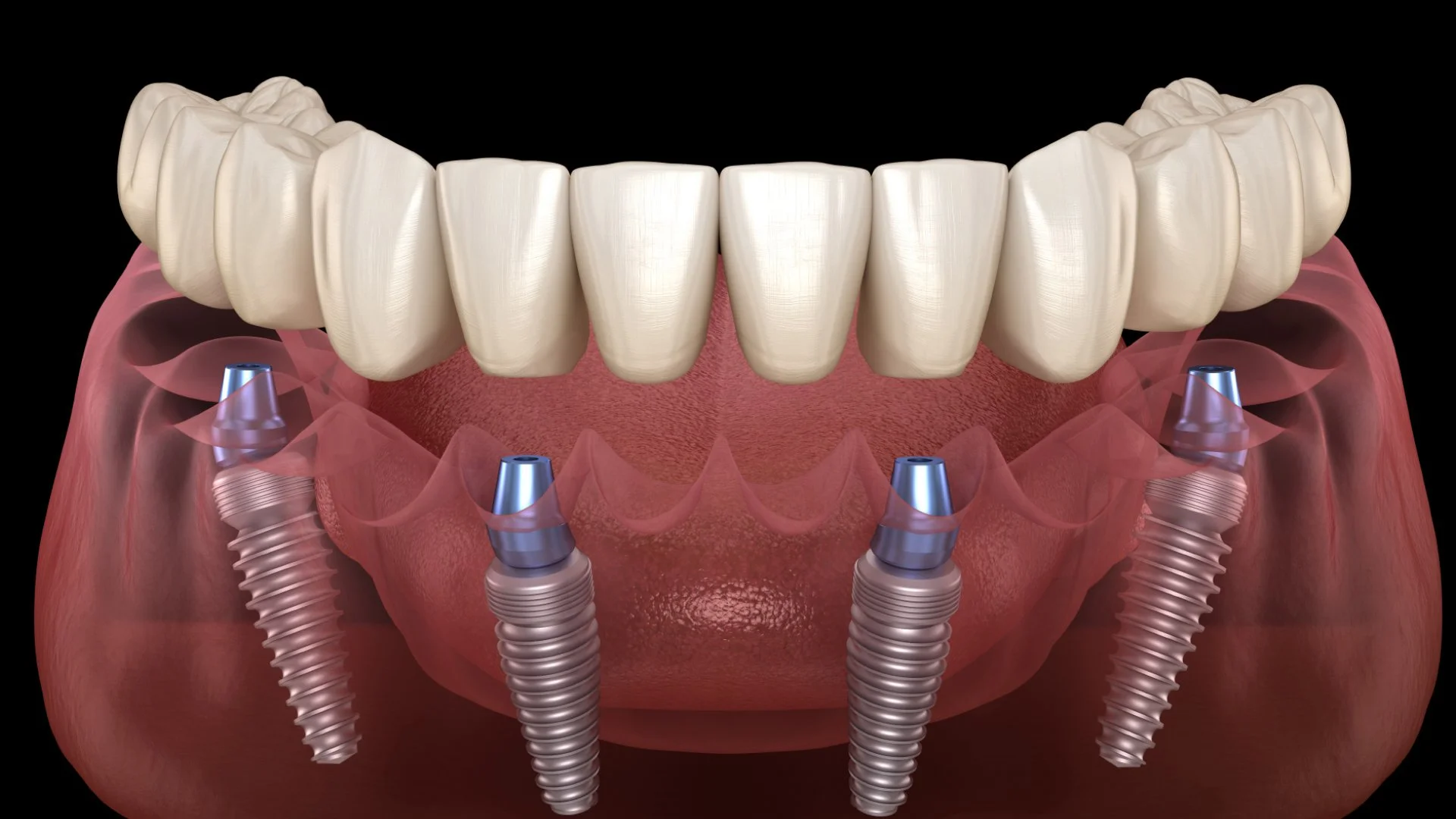
All-on-6 is a full-arch dental implant treatment that uses six dental implants to support a fixed prosthetic bridge replacing an entire upper or lower arch of teeth.

Rather than placing an individual implant for every missing tooth, six implants are strategically positioned within the jaw to support a complete set of replacement teeth.

The implants act as artificial tooth roots, providing a foundation for the fixed restoration.

The final prosthesis is designed to restore:

  • Chewing function.

  • Dental appearance.

  • Speech and pronunciation.

  • Support for the lips and facial appearance.

  • Confidence when smiling and eating.

Depending on the patient's clinical circumstances, All-on-6 may be suitable for the upper jaw, lower jaw or both arches.

How Does All-on-6 Differ From Traditional Dentures?

Traditional removable dentures rest on the gums and may move during speaking or eating.

All-on-6 restorations are fixed to dental implants and are not designed to be removed by the patient.

Some important differences include:

Stability: Implant-supported restorations provide a fixed foundation and are generally more stable than conventional removable dentures.

Chewing function: Fixed implant-supported teeth can help restore chewing ability and comfort.

Confidence: Patients do not need to remove their fixed teeth at night or worry about denture movement during everyday activities.

Maintenance: Although the restoration is fixed, careful cleaning and regular professional maintenance remain essential.

The most suitable option depends on the patient's oral health, expectations and individual clinical needs.

Why Are Six Implants Used?

The purpose of using six implants is to provide multiple supporting points for the full-arch restoration.

The position of each implant is carefully planned to distribute chewing forces across the supporting implants.

However, using more implants does not automatically mean a better result for every patient.

The appropriate number and positioning of implants depend on several factors, including:

  • Jawbone anatomy.

  • Bone quality and available support.

  • Bite relationships.

  • Expected chewing forces.

  • Implant distribution.

  • Opposing teeth or restorations.

  • The design of the final prosthesis.

For some patients, All-on-4 may be appropriate, while others may benefit from an All-on-6 approach.

A comprehensive examination is necessary to determine the most suitable treatment.

Who May Be Suitable for All-on-6 Dental Implants?

All-on-6 may be considered for adults who:

  • Have lost most or all teeth in one jaw.

  • Have several severely damaged or failing teeth.

  • Experience difficulty chewing with removable dentures.

  • Want a fixed alternative to conventional dentures.

  • Have extensive dental problems requiring full-arch rehabilitation.

  • Have suitable oral and general health for implant surgery.

Suitability is determined through a detailed clinical assessment and diagnostic imaging.

Your dentist will also consider medical history, gum health, smoking habits, oral hygiene and the ability to maintain the final restoration.

What Is the All-on-6 Dental Implant Procedure?

All-on-6 treatment involves several carefully planned stages.

Step 1: Comprehensive Consultation

The first stage involves assessing your dental condition, medical history, bite and expectations.

Your dentist will examine the remaining teeth, gums, jaw relationships and overall oral health.

If you have multiple failing teeth, the treatment plan will consider which teeth can be retained and which may require removal.

Step 2: Digital Imaging and Implant Planning

Diagnostic imaging, including a CBCT scan, may be used to assess the jawbone and important anatomical structures.

The implant positions are planned according to the available bone, prosthetic requirements and expected chewing forces.

The final tooth arrangement is an important consideration because implants should be positioned to support a functional and maintainable restoration.

Step 3: Implant Placement

The six dental implants are surgically positioned in the planned locations.

Depending on the treatment requirements, any necessary extractions may be performed during the same surgical appointment.

Local anaesthesia is used, and sedation may be discussed for suitable patients who require additional support or are undergoing extensive treatment.

Step 4: Temporary Fixed Teeth

For appropriately selected patients with sufficient implant stability, a temporary fixed restoration may be provided during the healing period.

However, immediate loading is not suitable for everyone.

The decision depends on implant stability, bone conditions, bite forces and the overall treatment plan.

Step 5: Healing and Osseointegration

Following implant placement, the implants undergo a healing process called osseointegration.

During this period, the surrounding bone integrates with the titanium implant surfaces.

Patients must follow dietary and oral hygiene instructions carefully to protect the healing implants.

Step 6: Final All-on-6 Restoration

Once healing and implant stability have been assessed, the final prosthesis can be designed and fitted.

The restoration is carefully evaluated for:

  • Bite alignment.

  • Chewing function.

  • Speech.

  • Appearance.

  • Comfort.

  • Cleaning access.

The aim is to achieve a stable, functional and natural-looking full-arch restoration.

What Is the Difference Between All-on-4 and All-on-6?

Both All-on-4 and All-on-6 are full-arch implant treatment approaches designed to support a fixed set of replacement teeth.

The main difference is the number of implants used to support the prosthesis.

All-on-4: Uses four strategically positioned implants to support a full-arch restoration.

All-on-6: Uses six strategically positioned implants to support a full-arch restoration.

The additional implants in an All-on-6 arrangement may provide more supporting points and allow different approaches to distributing chewing forces.

However, the choice should not be based on implant numbers alone.

Factors such as anatomy, implant positioning, bite forces, prosthetic design and long-term maintenance must all be considered.

Your dentist can discuss which approach is most appropriate following a comprehensive assessment.

Can All-on-6 Dental Implants Look Natural?

Yes. Modern full-arch implant restorations are designed to recreate the appearance of natural teeth.

The design process considers:

  • Tooth shape and size.

  • Tooth colour.

  • Smile proportions.

  • Lip support.

  • Facial appearance.

  • Speech and pronunciation.

  • Bite relationships.

The final restoration should be designed around the patient's facial features and functional requirements rather than simply replacing the missing teeth.

How Do You Look After All-on-6 Dental Implants?

Although dental implants cannot develop tooth decay, the surrounding gums and supporting tissues still require careful maintenance.

Good hygiene is essential for long-term implant health.

Recommended care includes:

  • Brushing carefully at least twice daily.

  • Cleaning underneath the implant-supported bridge.

  • Using suitable interdental brushes.

  • Using a water flosser if recommended.

  • Attending regular professional implant reviews.

  • Following dietary instructions during healing.

  • Reporting bleeding, swelling, discomfort or changes in the restoration.

Your dentist will recommend an individualised maintenance schedule.

How Long Do All-on-6 Dental Implants Last?

Dental implants can provide long-term tooth replacement when properly planned and maintained.

However, implant longevity depends on several factors, including:

  • General health.

  • Gum and bone health.

  • Oral hygiene.

  • Smoking.

  • Teeth grinding and clenching.

  • Bite forces.

  • Regular dental maintenance.

  • The condition of the final prosthesis.

The implant fixtures and the prosthetic teeth are separate components, and both require ongoing monitoring.

Regular professional reviews are important to identify potential problems early.

Is Sedation Available for All-on-6 Treatment?

For patients who feel anxious about dental surgery or require lengthy treatment appointments, sedation may be considered.

IV sedation can help suitable patients feel more relaxed during dental procedures.

The sedation practitioner will assess your medical history, medications and general health to determine whether sedation is appropriate.

Local anaesthesia is still generally required to numb the surgical area.

The available options should be discussed during your consultation.

All-on-6 Dental Implants at Pain Free Dentist Sydney – Dulwich Hill

Replacing an entire arch of missing or failing teeth is a significant dental decision.

At Pain Free Dentist Sydney, Dr Lisa Chong takes an individualised approach to full-mouth implant rehabilitation.

We consider more than just the number of missing teeth. Treatment planning also takes into account jaw relationships, bite function, implant positioning, prosthetic design and long-term maintenance.

Our implant services include individual dental implants, implant-supported bridges, All-on-4 and All-on-6 full-arch restorations.

We aim to help patients restore their ability to chew comfortably, improve their smile and regain confidence in their everyday lives.

Frequently Asked Questions About All-on-6 Dental Implants

1. How many teeth does All-on-6 replace?

All-on-6 is designed to replace an entire upper or lower arch of teeth using a fixed prosthesis supported by six implants. The number of teeth in the restoration depends on the individual design.

2. Is All-on-6 better than All-on-4?

Not necessarily. All-on-6 provides six supporting implants rather than four, but the best approach depends on the patient's anatomy, implant distribution, bite forces and restorative requirements.

3. Can I receive temporary teeth on the same day?

Some patients may be suitable for immediate fixed temporary teeth, provided sufficient implant stability and other clinical requirements are achieved. Others may need a different healing approach.

4. Can All-on-6 be performed on both jaws?

Yes. All-on-6 can be planned for both the upper and lower jaws. The treatment may be performed in stages depending on the patient's clinical needs.

5. Will my All-on-6 teeth feel like natural teeth?

Implant-supported teeth are designed to provide stable chewing and a natural-looking appearance. However, they will feel different from natural teeth, and patients may need an adjustment period.

6. Do All-on-6 implants require special cleaning?

Yes. The area underneath the fixed bridge needs careful daily cleaning. Your dentist will demonstrate suitable cleaning techniques and recommend professional maintenance.

Restore Your Smile with All-on-6 Dental Implants in Sydney

If you are missing most of your teeth, experiencing failing teeth or struggling with removable dentures, All-on-6 dental implants may be an option worth exploring.

A comprehensive consultation can help determine whether this treatment is suitable for your oral health and long-term dental needs.

Pain Free Dentist Sydney – Dulwich Hill

Phone: 02 9558 8988
Email: info@painfreedentistsydney.com.au
Website: https://painfreedentistsydney.com.au

Contact our team to arrange an implant consultation with Dr Lisa Chong.

Botox for TMJ Pain: Can It Help Relieve Jaw Tension, Teeth Grinding and Facial Pain?

Do you wake up with a tight jaw, experience frequent headaches or find yourself clenching your teeth throughout the day?

Persistent jaw discomfort can affect everyday activities, including eating, speaking, sleeping and concentrating. For some individuals, these symptoms are associated with overactivity of the muscles responsible for chewing.

One treatment that has attracted increasing interest is Botox for TMJ pain.

Botulinum toxin type A, commonly known as Botox, works by temporarily reducing muscle activity. When appropriately selected and administered, it may help reduce excessive contraction of certain jaw muscles and provide relief for some patients experiencing persistent muscular jaw pain.

At Pain Free Dentist Sydney in Dulwich Hill, we take an individualised approach to assessing TMJ dysfunction, muscle activity and teeth grinding before considering whether Botox may be an appropriate treatment option.

What Is TMJ Dysfunction?

The temporomandibular joints (TMJ) are located on either side of your face, connecting the lower jaw to the skull.

These joints work together with surrounding muscles, ligaments and other structures to allow you to open and close your mouth, chew and speak.

Temporomandibular disorders (TMD) refer to a group of conditions affecting the jaw joints and associated muscles.

Common symptoms include:

  • Jaw pain and muscle tightness.

  • Teeth clenching and grinding (bruxism).

  • Frequent headaches, particularly around the temples.

  • Facial muscle tenderness.

  • Pain around the ears.

  • Clicking or popping sounds when opening the mouth.

  • Difficulty opening the mouth fully.

  • Jaw fatigue when chewing.

  • Morning jaw stiffness.

TMJ dysfunction is multifactorial. Symptoms may be influenced by muscle overactivity, joint conditions, previous injuries, stress, sleep disturbances and other contributing factors.

Identifying the source of discomfort is essential before deciding on an appropriate treatment approach.

What Is Botox and How Does It Work for TMJ Pain?

Botox is a brand name for botulinum toxin type A, a prescription medicine that temporarily reduces communication between nerves and targeted muscles.

When injected into selected muscles, it reduces the release of acetylcholine, a chemical messenger involved in muscle contraction.

This temporarily reduces the strength of muscle contraction.

In patients with selected muscular TMJ conditions, reducing excessive activity in certain chewing muscles may help decrease muscular tension and discomfort.

The muscles commonly assessed include:

1. Masseter Muscles

The masseter muscles are located on either side of the jaw. They are among the strongest muscles involved in chewing.

Excessive activity may be associated with:

  • Jaw clenching.

  • Teeth grinding.

  • Jaw muscle tenderness.

  • Facial muscle fatigue.

  • Enlargement of the masseter muscles.

2. Temporalis Muscles

The temporalis muscles are located on the sides of the head, around the temples.

They assist with jaw elevation and contribute to chewing and clenching.

Excessive muscle activity may be associated with temple tenderness, headaches and muscular discomfort.

The muscles selected for treatment depend on the patient's clinical presentation and individual muscle activity assessment.

5 Potential Benefits of Botox for TMJ Pain

Botox may be considered for selected patients with persistent muscular symptoms.

Potential benefits include:

1. Reducing Excessive Jaw Muscle Activity

Botox temporarily reduces the contraction strength of targeted muscles, which may help patients experiencing excessive muscular activity.

2. Relieving Jaw Muscle Tension

Some patients experience persistent tightness around the masseter and temporalis muscles. Reducing muscle activity may help alleviate discomfort in appropriately selected cases.

3. Helping Manage Muscular Facial Pain

Overactive chewing muscles may contribute to facial tenderness and discomfort. Botox may provide symptomatic relief for some patients with muscular TMD.

4. Addressing Masseter Muscle Enlargement

Repeated clenching and muscle overactivity may contribute to enlarged masseter muscles. Botox can temporarily reduce muscle bulk in some patients.

5. Supporting a Broader TMJ Management Plan

For selected patients, Botox may be considered as an additional intervention alongside other approaches to managing jaw muscle dysfunction.

It is important to understand that Botox does not correct every underlying cause of TMJ dysfunction, and treatment outcomes vary between individuals.

Is Botox Suitable for Teeth Grinding (Bruxism)?

Teeth grinding and clenching can place considerable forces on the teeth, jaw muscles and temporomandibular joints.

Some patients grind their teeth during sleep, while others clench their jaws unconsciously during the day.

Signs of bruxism may include:

  • Flattened or worn tooth surfaces.

  • Cracked or fractured teeth.

  • Morning headaches.

  • Jaw muscle tenderness.

  • Increased masseter muscle bulk.

  • Tooth sensitivity.

  • Jaw fatigue.

Botox may reduce the intensity of muscular contractions in selected patients. However, it does not necessarily eliminate the underlying tendency to grind or clench.

It also does not replace the need to assess tooth wear, bite relationships, sleep quality and other contributing factors.

A comprehensive management plan may include behavioural strategies, appropriate dental appliances, muscle management and assessment of associated sleep disorders.

What Happens During a Botox Assessment for TMJ Pain?

Botox treatment should never be based solely on a patient's report of jaw pain.

A proper clinical assessment is important to determine whether the symptoms are predominantly muscular, joint-related or associated with other conditions.

At Pain Free Dentist Sydney, the assessment may include:

1. Medical and Dental History

We discuss your symptoms, previous dental treatment, medical history, medication use, teeth grinding habits and previous TMJ management.

2. Jaw Movement Assessment

We assess mouth opening, jaw movement, deviation, clicking and any discomfort experienced during movement.

3. Muscle Palpation

The masseter and temporalis muscles are examined to identify tenderness, muscle tightness and areas of discomfort.

4. Muscle Activity Assessment

We assess the activity and function of the relevant chewing muscles to help determine whether excessive muscular activity may be contributing to your symptoms.

5. Individualised Treatment Planning

Following the assessment, suitable treatment options are discussed. Botox may be considered when clinically appropriate, taking into account potential benefits, limitations and risks.

How Long Does Botox for TMJ Pain Last?

The effects of botulinum toxin are temporary.

Patients may begin noticing changes in muscle activity within several days, with the effect generally developing over approximately one to two weeks.

The duration varies depending on the individual, muscles treated, formulation and treatment response.

Some patients experience effects for several months before muscle activity gradually returns.

Repeat treatment should not be automatic. The need for further injections should be reassessed according to symptoms, clinical findings, previous response and potential cumulative risks.

Are There Risks or Side Effects of Botox for TMJ?

Although Botox is widely used in medical and dental settings, it is not without risks.

Possible side effects include:

  • Temporary bruising or swelling at injection sites.

  • Localised tenderness.

  • Temporary chewing weakness.

  • Muscle fatigue.

  • Facial asymmetry.

  • Changes in smile appearance.

  • Headache.

  • Difficulty chewing certain foods.

  • Unwanted spread of the medication, potentially causing swallowing or other muscle difficulties.

There are also concerns about changes in muscle bulk and possible effects on the underlying jawbone, particularly with repeated treatment.

Research into long-term effects on mandibular bone remains incomplete, and the clinical significance of these changes is not fully established.

For this reason, Botox should be considered carefully rather than used routinely for every patient with TMJ pain.

Botox vs Dental Splint Therapy: What Is the Difference?

Botox and dental splint therapy have different purposes.

A dental splint is an oral appliance designed for specific clinical indications, such as protecting teeth from excessive loading or managing selected jaw conditions.

Botox temporarily reduces activity in targeted muscles.

In some patients, these approaches may be considered as part of a broader management plan, but neither is appropriate for everyone.

The choice depends on the underlying diagnosis, symptoms, bite relationship, muscle activity and individual treatment goals.

Is Botox a Permanent Solution for TMJ Pain?

No. Botox provides temporary reduction in the activity of targeted muscles.

It does not permanently correct jaw joint disorders, bite relationships, sleep-related bruxism or other underlying contributing factors.

Patients with persistent TMJ symptoms may benefit from a broader management approach that considers:

  • Jaw muscle activity.

  • Teeth grinding and clenching.

  • Bite relationships.

  • Jaw joint function.

  • Sleep quality and possible sleep apnoea.

  • Neck and cervical muscle function.

  • Stress and behavioural factors.

Understanding these factors is important for achieving a more comprehensive approach to managing chronic jaw discomfort.

Why a Comprehensive TMJ Approach Matters

TMJ dysfunction is not simply a problem involving the jaw joint.

The chewing muscles, surrounding facial structures, cervical muscles, sleep patterns and nervous system can all influence the patient's symptoms.

For some patients, reducing excessive muscle activity may be helpful. Others may require physiotherapy, jaw exercises, behavioural management or appropriate dental treatment.

Botox should be viewed as a possible additional treatment for selected patients rather than a replacement for comprehensive TMJ assessment and conservative management.

Botox for TMJ Pain at Pain Free Dentist Sydney – Dulwich Hill

At Pain Free Dentist Sydney, Dr Lisa Chong takes an individualised approach to assessing patients experiencing TMJ pain, bruxism and excessive jaw muscle activity.

We believe that understanding the underlying cause of muscle discomfort is important before considering injectable treatment.

Our approach includes assessing jaw function, muscle activity, teeth grinding patterns and relevant contributing factors.

Where appropriate, Botox may be discussed as an additional treatment option following a comprehensive assessment.

Our priority is to help patients understand their condition and make informed decisions about their available treatment options.

Frequently Asked Questions About Botox for TMJ Pain

1. Does Botox stop teeth grinding?

Botox may reduce the strength of jaw muscle contractions, potentially reducing the intensity of grinding. However, it does not necessarily stop the underlying bruxism activity.

2. Can Botox help with TMJ headaches?

For some patients whose headaches are associated with excessive activity and tenderness of the temporalis muscles, Botox may provide symptomatic relief. However, headaches have many possible causes and require appropriate assessment.

3. Is Botox painful?

Botox is administered using small injections. Patients may experience brief discomfort, tenderness or minor bruising around the injection sites.

4. Can Botox damage the jawbone?

Research has raised concerns about potential changes in mandibular bone following reduced chewing muscle activity, particularly with repeated injections. The extent and long-term clinical significance remain uncertain.

5. Can Botox be combined with a dental splint?

In selected cases, both may be considered as part of an individualised management plan. The combination should be clinically assessed, as Botox is not a substitute for appropriate dental appliance therapy.

6. Is Botox suitable for everyone with TMJ pain?

No. Botox is not a first-line treatment for all TMJ disorders. It may be considered in carefully selected patients with persistent muscular symptoms after appropriate assessment and consideration of conservative treatments.

Book a TMJ Consultation in Dulwich Hill, Sydney

If you experience persistent jaw tightness, teeth grinding, facial muscle pain or recurring headaches, a comprehensive TMJ assessment may help identify the factors contributing to your symptoms.

At Pain Free Dentist Sydney, we take the time to assess your jaw function and muscle activity before discussing suitable treatment options.

Pain Free Dentist Sydney – Dulwich Hill

Phone: 02 9558 8988
Email: info@painfreedentistsydney.com.au
Website: https://painfreedentistsydney.com.au

Contact our clinic to arrange a TMJ consultation with Dr Lisa Chong.

Sleep Apnoea and TMJ Dysfunction: Understanding the Connection Between Breathing, Teeth Grinding and Jaw Pain

Do you wake up with a sore jaw, headaches, tight facial muscles or feel tired even after a full night's sleep?

You may think these symptoms are simply caused by teeth grinding or temporomandibular joint (TMJ) dysfunction. However, there may be another factor worth investigating: obstructive sleep apnoea (OSA).

Sleep apnoea and TMJ dysfunction are two different conditions, but research suggests that they may coexist more frequently than previously recognised.

Understanding the relationship between breathing during sleep, jaw muscle activity and oral function is important when investigating persistent jaw discomfort, headaches and poor sleep quality.

At Pain Free Dentist Sydney in Dulwich Hill, we believe that assessing jaw symptoms should involve looking beyond the teeth and considering the patient's broader oral and functional health.

What Is Obstructive Sleep Apnoea?

Obstructive sleep apnoea (OSA) is a sleep-related breathing disorder that occurs when the upper airway repeatedly becomes partially or completely obstructed during sleep.

These interruptions reduce or temporarily stop airflow, causing oxygen levels to fluctuate and repeatedly disrupting normal sleep.

The brain may briefly activate the body to restore breathing, even though the individual may not fully wake up or remember these episodes.

Common symptoms of obstructive sleep apnoea include:

  • Loud and persistent snoring.

  • Pauses in breathing during sleep.

  • Gasping or choking sensations at night.

  • Waking up with a dry mouth.

  • Morning headaches.

  • Excessive daytime tiredness.

  • Difficulty concentrating.

  • Unrefreshing sleep.

  • Frequent nighttime waking.

Untreated sleep apnoea can have significant health implications and should be properly investigated.

What Is TMJ Dysfunction?

The temporomandibular joints connect your lower jaw to your skull. These joints work together with surrounding muscles, ligaments and other structures to allow you to speak, chew and open and close your mouth.

TMJ dysfunction, also known as temporomandibular disorder (TMD), describes a group of conditions affecting the jaw joints and associated muscles.

Common symptoms include:

  • Jaw pain or tightness.

  • Clicking or popping sounds when opening the mouth.

  • Difficulty opening the mouth fully.

  • Pain around the ears.

  • Temple headaches.

  • Facial muscle tenderness.

  • Pain when chewing.

  • Teeth clenching or grinding.

  • Morning jaw stiffness.

Some patients experience symptoms predominantly during the morning, while others have discomfort throughout the day.

How Are Sleep Apnoea and TMJ Dysfunction Connected?

The relationship between sleep apnoea and TMJ dysfunction is complex.

A 2024 systematic review and meta-analysis published in the Journal of Oral Rehabilitation found a significant association between obstructive sleep apnoea and temporomandibular disorders. The researchers recommended including sleep apnoea screening as part of TMJ assessment.

However, an association does not establish that one condition directly causes the other.

There are several possible areas of interaction worth understanding.

1. Sleep Disruption and Jaw Muscle Activity

When breathing is repeatedly interrupted during sleep, the body experiences brief episodes of sleep arousal.

These disruptions may influence the nervous system and muscle activity during sleep.

Some individuals with sleep-disordered breathing also experience episodes of jaw muscle activity, including clenching and grinding.

Although sleep bruxism and OSA can occur together, research has not established a consistent direct cause-and-effect relationship.

2. Teeth Grinding and Jaw Muscle Tension

Bruxism involves repetitive or sustained jaw muscle activity, including clenching and grinding.

Over time, excessive loading may contribute to:

  • Muscle fatigue.

  • Tooth wear.

  • Jaw tenderness.

  • Morning headaches.

  • Facial muscle discomfort.

  • Increased sensitivity around the TMJ.

For patients who already have TMJ dysfunction, additional muscle loading may contribute to their symptoms.

It is important to remember that not everyone with sleep apnoea grinds their teeth, and not everyone who grinds their teeth has sleep apnoea.

3. Poor Sleep Quality and Increased Pain Sensitivity

Sleep plays an important role in the body's recovery and regulation of pain.

Repeated sleep interruptions may affect how the nervous system processes pain and may increase sensitivity to existing discomfort.

Patients experiencing both poor sleep and chronic TMJ pain may find that their symptoms become more difficult to manage.

This is one reason why assessing sleep quality can be valuable when investigating persistent facial and jaw pain.

4. Jaw Position and Upper Airway Anatomy

The position and anatomy of the lower jaw can influence the available space within the upper airway.

For some individuals, a retruded lower jaw or certain craniofacial characteristics may contribute to a narrower airway.

Other anatomical factors, including tongue size, tonsils, soft palate anatomy and nasal obstruction, can also influence airway function.

This does not mean that every person with a recessed jaw has sleep apnoea or that TMJ misalignment causes airway obstruction.

However, considering jaw anatomy alongside breathing and sleep symptoms can provide useful clinical information.

5. The Relationship Between Snoring, Clenching and Morning Headaches

Some patients experience several symptoms together:

  • Loud snoring.

  • Nighttime teeth grinding.

  • Morning headaches.

  • Jaw stiffness.

  • Neck muscle tension.

  • Daytime fatigue.

These symptoms may overlap because sleep quality, muscle activity and pain processing interact.

Rather than treating each symptom in isolation, it may be helpful to investigate whether an underlying sleep disorder is also present.

Can Treating TMJ Dysfunction Improve Sleep Apnoea?

TMJ treatment and sleep apnoea treatment address different clinical problems.

TMJ management may focus on reducing jaw discomfort, improving jaw function, managing excessive muscle loading and addressing contributing factors.

Sleep apnoea treatment aims to improve airflow during sleep and reduce breathing interruptions.

Depending on the patient's diagnosis, sleep apnoea management may include:

  • Continuous positive airway pressure (CPAP).

  • A professionally prescribed mandibular advancement device.

  • Positional therapy.

  • Lifestyle modifications.

  • Other treatments recommended by a sleep physician.

Treating TMJ dysfunction alone should not be expected to resolve obstructive sleep apnoea.

Similarly, improving sleep apnoea does not necessarily eliminate existing jaw muscle pain.

Both conditions may need to be assessed and managed independently, with coordination between the relevant healthcare professionals.

Can a Dental Splint Help?

Dental splints are commonly used in the management of selected TMJ conditions and to protect teeth from the effects of clenching and grinding.

However, a conventional occlusal splint is not the same as a sleep apnoea appliance.

A conventional splint generally aims to protect the teeth and manage certain aspects of jaw loading.

A mandibular advancement device (MAD), on the other hand, is specifically designed to position the lower jaw forward to help maintain upper airway patency during sleep.

These appliances have different purposes and should not be used interchangeably.

For patients with suspected or diagnosed sleep apnoea, appliance selection requires particular care. The Australian Dental Association recommends medical assessment for diagnosis and monitoring of sleep-disordered breathing treatment. It also emphasises monitoring TMJ function and dental changes during long-term oral appliance therapy.

A conventional splint should not be assumed to treat sleep apnoea and should be considered carefully when OSA is suspected.

Why a Multidisciplinary Approach Matters

Sleep apnoea and TMJ dysfunction can involve several overlapping anatomical and functional factors.

For this reason, a coordinated approach may be beneficial when patients present with persistent jaw pain alongside symptoms of sleep-disordered breathing.

Depending on the patient's circumstances, assessment may involve:

Dentist: To assess jaw function, teeth grinding, bite relationships, oral structures and TMJ symptoms.

Sleep Physician: To investigate suspected sleep apnoea, arrange appropriate sleep testing and establish a diagnosis.

Physiotherapist: To assess cervical spine function, neck muscle tension and associated musculoskeletal problems.

Myofunctional Therapist: Where appropriate, to assess tongue posture, oral muscle coordination and functional swallowing patterns.

The objective is to understand how the different factors may be interacting rather than assuming that one treatment will resolve every symptom.

When Should You Consider a TMJ and Sleep Assessment?

You may benefit from further assessment if you experience:

  • Persistent morning jaw pain or stiffness.

  • Frequent headaches upon waking.

  • Teeth grinding or clenching during sleep.

  • Loud snoring.

  • Witnessed breathing pauses during sleep.

  • Excessive daytime fatigue.

  • Difficulty opening your mouth.

  • Ongoing facial muscle tension.

  • Poor sleep despite spending sufficient time in bed.

If someone has noticed that you stop breathing during sleep, or you frequently wake up gasping, it is important to seek medical assessment for possible sleep apnoea.

A sleep study may be required to establish the diagnosis.

TMJ Assessment at Pain Free Dentist Sydney – Dulwich Hill

At Pain Free Dentist Sydney, Dr Lisa Chong takes a comprehensive approach to assessing patients experiencing TMJ dysfunction, jaw muscle tension and teeth grinding.

We recognise that jaw discomfort can be multifactorial and that sleep quality and breathing concerns may be important considerations in some patients.

Our assessment may consider:

  • Jaw opening and movement.

  • TMJ joint function.

  • Masticatory muscle tenderness.

  • Teeth grinding and clenching.

  • Bite relationships.

  • Oral anatomy and tongue function.

  • Sleep-related symptoms and relevant medical history.

Where sleep apnoea is suspected, medical assessment and appropriate sleep testing are important before determining a suitable management approach.

Our aim is to understand the contributing factors and develop an individualised management plan based on each patient's clinical needs.

Frequently Asked Questions

1. Can sleep apnoea cause TMJ pain?

Research has identified an association between OSA and TMJ disorders, but it has not established that sleep apnoea directly causes TMJ pain. Sleep disruption, jaw muscle activity and other contributing factors may overlap.

2. Can teeth grinding be a sign of sleep apnoea?

Teeth grinding may occur in people with sleep apnoea, but it is not a reliable diagnostic sign. Patients who grind their teeth and also experience snoring, breathing pauses or daytime fatigue may benefit from sleep assessment.

3. Can a TMJ splint make sleep apnoea worse?

The effect depends on the type and design of the appliance and the individual patient. Some conventional occlusal splints may influence breathing indices in certain patients. If sleep apnoea is suspected or diagnosed, appliance selection should be carefully reviewed.

4. Can a mandibular advancement device help both TMJ and sleep apnoea?

A mandibular advancement device is designed to help manage obstructive sleep apnoea by positioning the lower jaw forward. However, some patients may experience jaw discomfort or changes in their bite. Careful selection, adjustment and ongoing monitoring are important.

5. Should I see a dentist or sleep physician first?

If you suspect sleep apnoea, a medical practitioner or sleep physician should assess you for diagnosis. A dentist can assess your jaw function and discuss appropriate dental appliance options in coordination with your medical care.

Looking Beyond Jaw Pain: Understand the Bigger Picture

Persistent jaw pain, morning headaches, teeth grinding and poor sleep should not always be considered separate problems.

Although TMJ dysfunction and obstructive sleep apnoea are different conditions, recognising their possible association can help patients receive more comprehensive assessment and appropriate treatment.

At Pain Free Dentist Sydney, we believe that understanding the relationship between the jaw, muscles, oral function and sleep is an important part of patient-centred dental care.

Pain Free Dentist Sydney – Dulwich Hill

Phone: 02 9558 8988
Email: info@painfreedentistsydney.com.au
Website: https://painfreedentistsydney.com.au

Contact our clinic to arrange a TMJ assessment with Dr Lisa Chong.