Dental Implants: What Nobody Tells You (But You Need to Know)

Intro:

If you are missing a tooth—or several teeth—you have probably already spent hours searching online for solutions. You have seen the glossy ads, the "teeth in a day" promises, and the before-and-after photos that look almost too good to be true.

But here is what most websites will not tell you: dental implants are a serious medical procedure, and they are not the right choice for everyone. The decision to get implants is not just about whether they look good. It is about whether your body is ready for them, whether you are prepared for the journey, and whether you understand what life with implants actually looks like.

Let us cut through the marketing and give you the real answers.

The 95% Success Rate: What It Actually Means

You have probably read that dental implants have a success rate of around 95% even ten years after placement . That statistic is accurate—but it is often presented without context.

Here is what that number actually means: it applies to patients who have been carefully screened for candidacy, who have sufficient jawbone density, who do not smoke, and who maintain excellent oral hygiene after the procedure. It is not a guarantee. It is a statistical average for ideal candidates.

For patients with underlying health conditions, smokers, or those with significant bone loss, the success rate can be lower. This is not meant to scare you—it is meant to help you ask the right questions before you commit.

The Timeline: This Is Not a Quick Fix

One of the biggest surprises for patients is the time commitment. You cannot walk into a dental office and walk out with a permanent implant in a single visit—no matter what the ads say.

The process typically unfolds over several months :

Step 1: Assessment and Planning
Your dentist will take scans and X-rays to evaluate your bone density and overall oral health. This step determines whether you qualify for implants or whether you need preliminary procedures first .

Step 2: Preliminary Procedures (If Needed)
Some patients need a bone graft or sinus lift before implants can be placed . This adds time—often three to six months for healing—but it is essential for long-term success .

Step 3: Implant Placement
The titanium post is surgically placed into your jawbone. This is an outpatient procedure, usually performed under local anaesthetic.

Step 4: Osseointegration
This is the most critical phase. Over three to six months, the implant fuses with your jawbone in a process called osseointegration . You cannot rush this step. If the implant does not fully integrate, it will fail.

Step 5: Abutment and Crown Placement
Once healing is complete, an abutment is attached to the post, and your custom-made crown is fitted .

All up, the complete process can easily stretch to six months or more. For patients requiring bone grafts, it can take over a year .

What The Recovery Actually Feels Like

There is a difference between "recovery is manageable" and "recovery is painless." Most patients find the surgery itself less painful than they expected—but the recovery is where discomfort can set in .

Some patients report significant pain, swelling, and bruising in the days following surgery . You will need to adjust your diet to soft foods during the early healing phase, and you may be unable to wear temporary dentures for several weeks .

The good news? Most patients describe the end result as life-changing . Improved stability, confidence, and the ability to eat foods they had given up on make the recovery period worthwhile.

Are You Actually A Candidate? The Honest Answer

Not everyone is suitable for dental implants. The decision depends on several factors :

Health Conditions
Patients with poorly controlled diabetes, severe cardiovascular disease, autoimmune conditions, or those taking certain bone medications may not be good candidates .

Bone Density
Your jawbone must be thick enough to support the implant. If not, bone grafting may be an option—but it adds time, cost, and complexity.

Smoking
Smoking significantly increases the risk of implant failure and slows the healing process . If you smoke, your dentist will have an honest conversation with you about whether implants are worth the risk.

Oral Hygiene
Implants require meticulous care. If you struggle to maintain daily brushing and flossing, your risk of peri-implantitis (infection around the implant) rises dramatically .

Life With Implants: The Maintenance Reality

Here is something the glossy brochures do not emphasise: implants require consistent maintenance .

You cannot neglect them. Trapped food around implants can lead to infection, which jeopardises the implant itself. You will need an electric toothbrush, proper flossing techniques, and regular hygienist appointments . For some patients, fixed implant prostheses require even more demanding hygiene routines than natural teeth .

This is not a reason to avoid implants—it is a reason to understand the responsibility before you commit.

Implants vs. Dentures: A Quick Comparison

Patients frequently ask whether implants are "better" than dentures. The answer depends on your priorities.

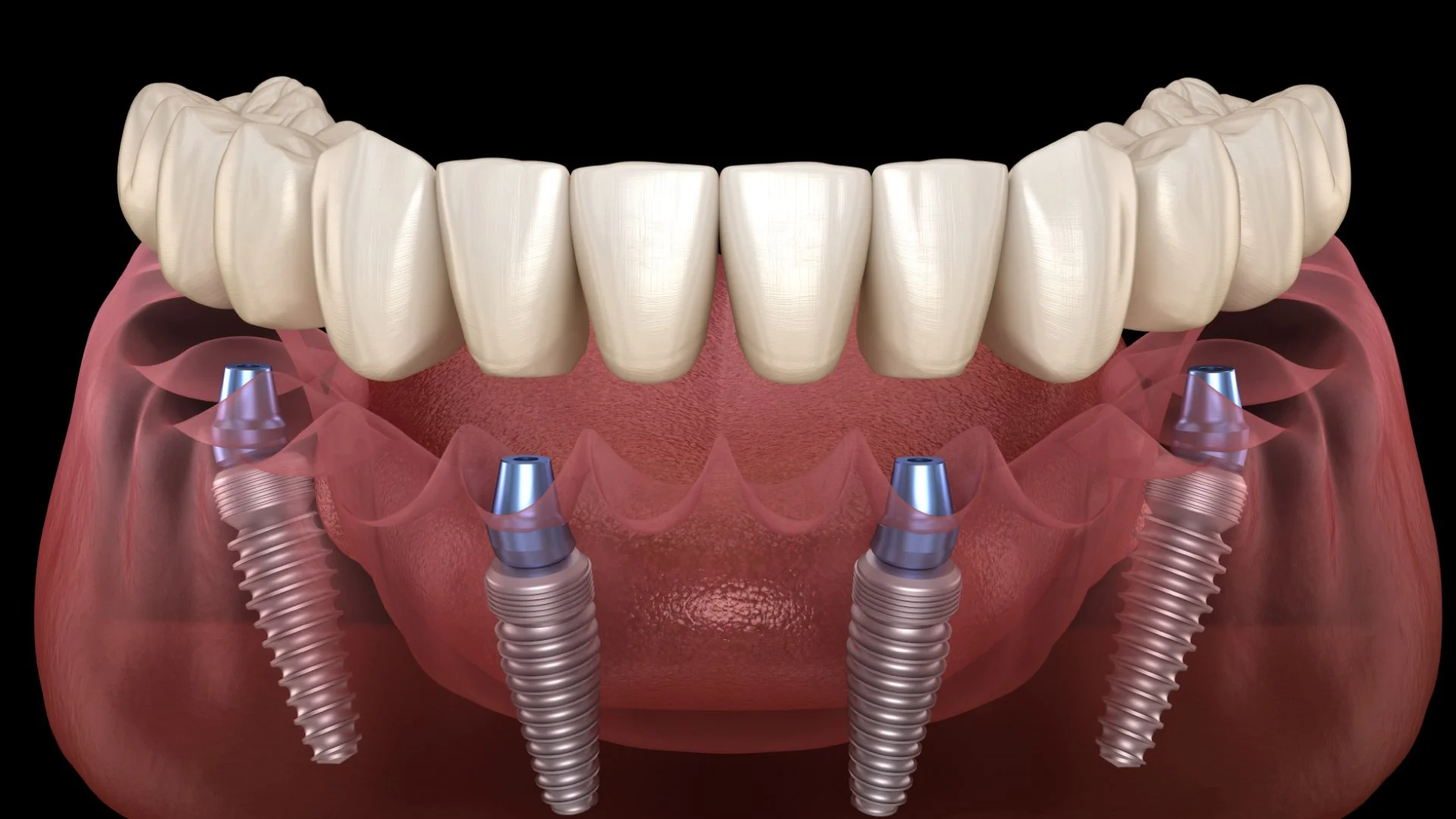
Dental implants feel and function most like natural teeth. They prevent bone loss, do not rely on neighbouring teeth for support, and provide stability that allows you to eat a wider variety of foods . However, they involve surgery, take months to complete, and require sufficient bone density.

Traditional dentures are removable, less expensive upfront, and do not require surgery. However, they can shift during eating or speaking, may limit food choices, and do not prevent jawbone shrinkage over time .

Implant-supported dentures offer a middle ground—they use implants to stabilise a removable denture, providing better retention without a full fixed restoration .

There is no single "right" answer. The best choice depends on your oral health, lifestyle, budget, and long-term goals .

The Bottom Line

Dental implants are one of the most effective tooth replacement options available. They can restore function, confidence, and quality of life . But they are not a quick fix, and they are not right for everyone.

The first step is not booking surgery—it is booking a consultation. A thorough evaluation of your bone density, overall health, and oral hygiene habits will determine whether implants are a realistic option for you.

Ready to find out if dental implants are right for you? Visit https://painfreedentistsydney.com.au/ to book your consultation online. Call us at (02) 9558 8988 or email info@painfreedentistsydney.com.au to speak with our team.

Kidney Disease and Cavities: The Unexpected Warning Sign

Most people associate kidney health with drinking water, avoiding too much salt, and managing blood pressure. The last thing anyone thinks about when worrying about their kidneys is whether they have a cavity. But perhaps we should be thinking about that a lot more.

There is a deeply entrenched, often-overlooked connection between the state of your teeth and the function of your kidneys. It doesn't involve the dramatic inflammation pathways we see with heart disease and diabetes; this connection is far more chemical and mechanical.

To understand this, you have to understand what happens when the kidneys start to fail. The primary job of your kidneys is to filter waste and excess fluid from your blood. When they are damaged, they cannot efficiently remove urea—a waste product from protein digestion. The urea builds up in the bloodstream, and the body tries to expel it through other routes. The easiest escape route? Your saliva.

As urea levels spike in your saliva, the natural pH of your mouth changes. Your saliva—which is normally your mouth's best defense against acid—becomes increasingly alkaline. While that sounds like a good thing (who wants acid?), it actually creates a bizarre environment that allows a specific, aggressive type of bacteria to thrive.

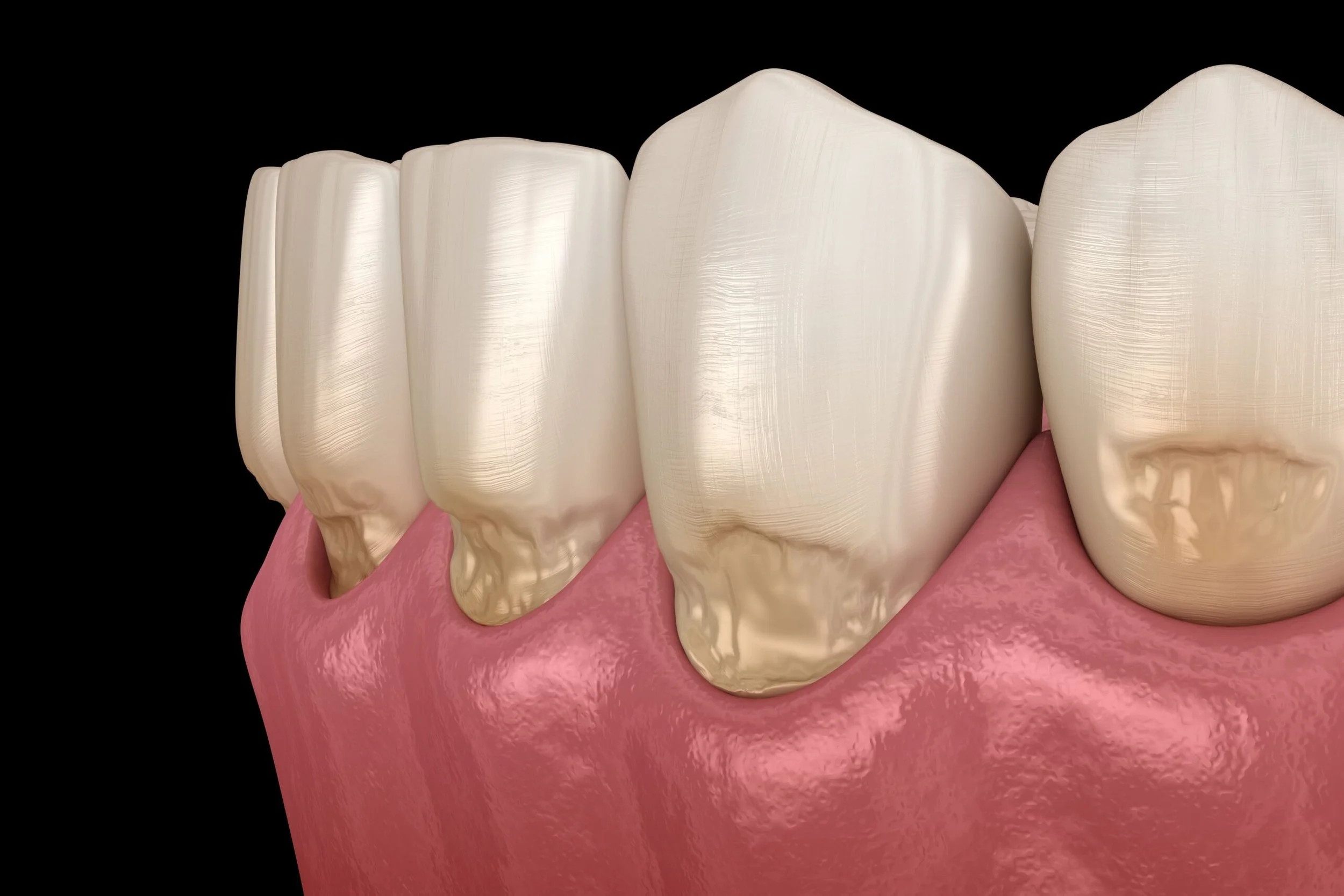
Additionally, kidney disease often causes severe dry mouth (xerostomia). Whether it's the disease itself or the medications used to treat it (like diuretics), patients lose the protective flow of saliva. Saliva isn't just water; it contains calcium, phosphate, and antimicrobial enzymes. Without it, your teeth are defenseless. Food debris sits on the enamel longer, acids are never neutralized, and decay can progress at a shockingly rapid pace—sometimes rotting an entire tooth from the gumline down in a matter of months.

For a long time, this was just something nephrologists (kidney doctors) noticed anecdotally. But now, substantial data from the National Health and Nutrition Examination Survey confirms that patients with chronic kidney disease have significantly more decayed, missing, and filled teeth than the general population.

But here is the crucial part we want you to remember: this isn't a reason to panic if you have kidney issues. It is a reason to be proactive. Dental treatment does not need to be complicated for these patients, but it does need to be frequent.

The standard "twice a year" rule often isn't enough for kidney patients. We look at your medication list, we talk to your nephrologist, and we often recommend prescription-strength fluoride toothpaste and specialized rinses that are designed to stimulate saliva production. We aren't just polishing your teeth; we are actively trying to engineer an environment in your mouth that stops the "chemical cascade" triggered by your kidneys.

Actionable Takeaway:
If you have been diagnosed with chronic kidney disease or are on dialysis, do not wait for a toothache to come see us. Tooth decay in this scenario doesn't always present with the typical sensitivity to cold or sweets; it often presents as a "dull ache" that is easy to ignore. Schedule an evaluation to assess your salivary flow and get a high-risk decay prevention plan in place. Protecting your teeth in this situation means protecting your overall nutritional intake—because you need strong teeth to chew the high-quality protein your body requires.

Protect your smile and your overall health. Visit https://painfreedentistsydney.com.au/ to book your consultation online. Call us at (02) 9558 8988 or email info@painfreedentistsydney.com.au to schedule your appointment today.

The Diabetes-Dentist Connection: Why Your Dentist Might Know Before Your Doctor

Imagine walking into your dentist's office for a routine check-up, expecting the usual small talk about flossing, and instead, your dentist leans in and says, "I think we need to check your blood sugar levels."

It sounds like a scene from a sci-fi movie, but it is happening in dental offices across the world more and more frequently. And it is not because dentists are trying to overstep their bounds. It is because your mouth is a remarkably transparent mirror of your metabolic health—and right now, your saliva is telling a story your blood is about to confirm.

Type 2 diabetes is often called a "silent killer" because people can live with it for years without experiencing obvious symptoms. However, silence doesn't exist inside your mouth. Diabetic changes show up in the gums long before they show up on a glucometer.

Here is what happens: Diabetes essentially thickens your blood vessels. It reduces the flow of oxygen and nutrients to your tissues and impairs your body's ability to clear away infections. Because of that reduced blood flow, the mouth loses its natural ability to fight off harmful bacteria. This means that a tiny speck of plaque that a healthy person could brush away with no issue becomes a catastrophic event for a pre-diabetic. That plaque invades the gums, the infection sets in, and the body's healing response is significantly delayed.

This is why we see a classic, unmistakable hallmark of undiagnosed diabetes in the dental chair: severe, rapid gum disease that seems disproportionate to the amount of plaque on the teeth. Patients often tell me, "I brush twice a day, but my gums are swollen and painful anyway." When I hear that, I listen closely.

But the connection is a two-way street. A recent analysis of multiple studies found that people with diabetes are about 86% more likely to have gum disease than people without it. Conversely, treating that severe gum disease has been proven to help lower A1C (blood sugar) levels by about 0.5% to 1% on average. To put that in perspective, that is often the same reduction doctors are trying to achieve by prescribing a new medication.

We aren't trying to replace your physician. We are trying to be your partner. Your mouth is the most accessible part of your body, and it is revealing clues about your glucose tolerance every single day. That is why you'll now see questions about family history of diabetes on your dental intake forms, and why our hygienists are trained to look for signs of rapid bone loss around the molars.

Actionable Takeaway:
If your gums are consistently swollen, tender, or bleeding despite good brushing habits, do not dismiss it as "bad genes" or "sensitive gums." Ask your dentist to evaluate your gum pockets thoroughly, and ask your doctor for a fasting glucose or A1C test. Catching insulin resistance early means you can often reverse it with lifestyle changes—before it ever becomes full-blown diabetes.

Concerned about your gum health? Book your appointment today at https://painfreedentistsydney.com.au/ and let us assess your oral health. Call us at (02) 9558 8988 or email info@painfreedentistsydney.com.au to speak with our friendly team.