Ozempic and Your Teeth: What Every Patient Needs to Know

If you are taking Ozempic, Wegovy, Mounjaro, or another GLP-1 medication, you are not alone. Around half a million Australians are now using these medications monthly—nearly two per cent of the adult population . These drugs have been truly life-changing for many people managing type 2 diabetes or seeking effective weight loss support.

But here is something your prescribing doctor might not have mentioned: these medications can affect your oral health.

Dentists are seeing a growing number of patients surprised by how quickly dental symptoms emerge after starting GLP-1 treatment . The good news? Most of these issues are preventable once you know what to look for.

Let us walk through what is happening, what to watch for, and—most importantly—how to protect your smile while benefiting from these medications.

What Are "Ozempic Teeth"?

You may have heard the term "Ozempic teeth" circulating online. It is not a medical diagnosis—it is an informal term describing a pattern of dental changes some people experience while taking GLP-1 medications .

Patients reporting "Ozempic teeth" often notice a combination of :

  • New cavities or increased tooth decay

  • Tooth sensitivity, especially to hot or cold

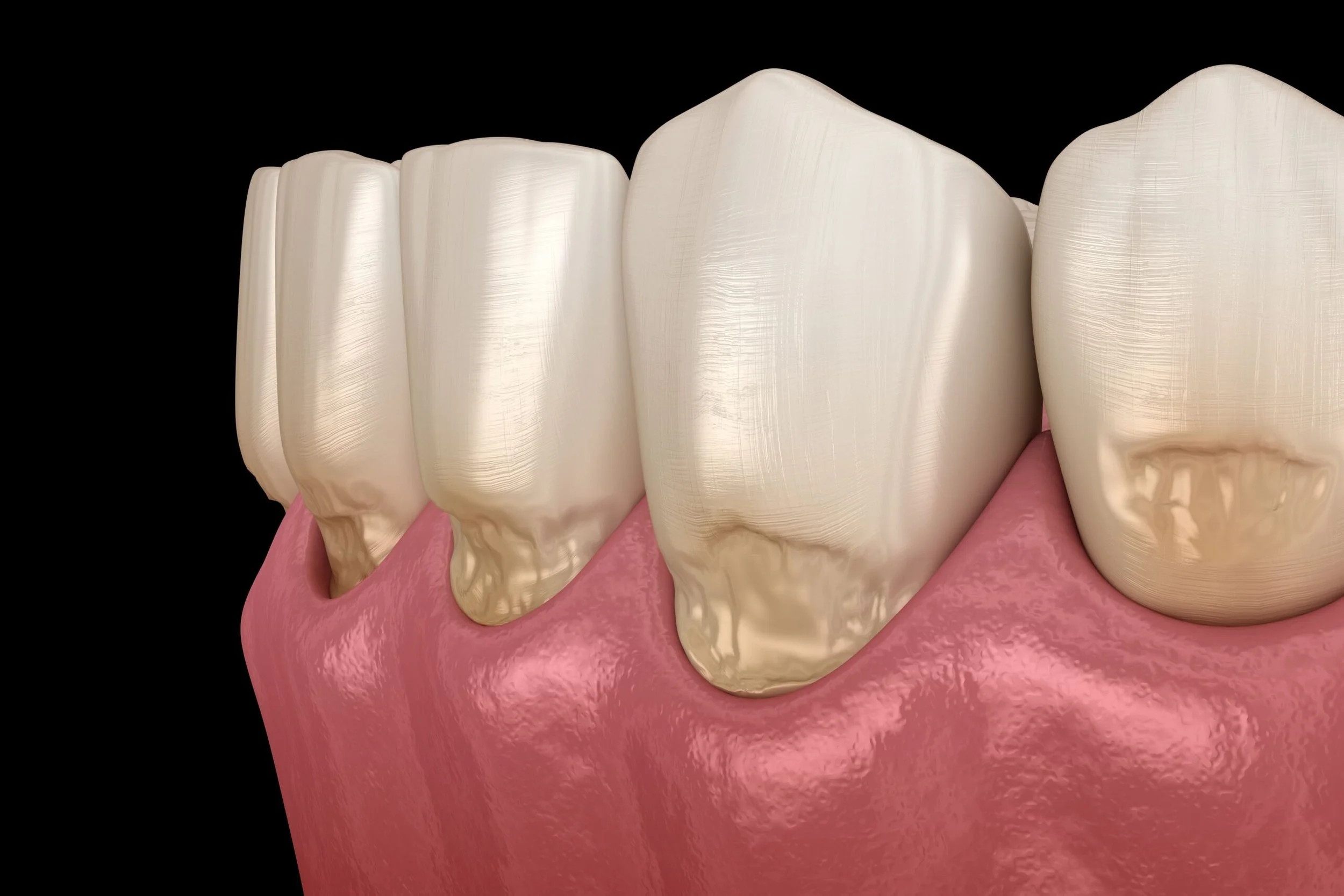
  • Enamel erosion or a chalky texture on tooth surfaces

  • Inflamed or bleeding gums

  • Persistent bad breath

  • A dry, sticky feeling in the mouth

Here is the important thing to understand: GLP-1 medications do not directly damage your teeth. The problems arise from the side effects these medications can trigger—and those side effects create conditions where decay and erosion develop much faster than usual .

Why Do GLP-1 Medications Affect Dental Health?

There are several pathways through which these medications can impact your mouth. Understanding them helps you take the right preventive steps.

1. Dry Mouth (Xerostomia)

This is the biggest concern.

GLP-1 medications can reduce saliva production . Some patients also drink less water because they feel nauseous or simply are not thirsty, making the problem worse .

Why does this matter? Saliva is your mouth's natural defence system. It washes away food particles, neutralises acids produced by bacteria, and helps repair early damage to tooth enamel . Without enough saliva, your risk of tooth decay and oral infections goes up—even if you brush and floss regularly .

2. Nausea, Vomiting, and Acid Reflux

Nausea occurs in 16 to 20 per cent of people taking semaglutide, and 5 to 9 per cent experience vomiting . These medications also slow digestion, which can lead to gastroesophageal reflux disease (GERD)—the most frequently reported event among GLP-1 users .

When stomach acid reaches your mouth through vomiting or reflux, it can wear away your tooth enamel . Stomach acid is highly acidic, and repeated exposure gradually erodes the protective outer layer of your teeth, leading to sensitivity and increased decay risk .

One important tip: do not brush your teeth right after vomiting. The acid softens your enamel, and brushing too soon can wear it away even faster. Instead, rinse your mouth with plain water, wait at least 30 minutes, then brush .

3. Changes in Eating Habits

These medications reduce appetite, which is the goal. But it also means many people eat less of the foods that support healthy teeth and gums . Calcium, vitamin D, and phosphorus are essential for strong enamel and bone structure. When intake of these nutrients drops over time, teeth can become more vulnerable to decay and fracture .

4. Reduced Oral Hygiene

Some patients neglect regular brushing and flossing while they are feeling unwell—especially if they are dealing with nausea or fatigue . This can accelerate plaque buildup and tooth decay .

What the Latest Research Tells Us

A large-scale 2026 study analysed over 226,000 GLP-1 users and found that GERD was the most common oral-adjacent side effect, affecting 5.36 per cent of patients . Interestingly, the study also found that GLP-1 therapy was not associated with an increased overall risk of most orofacial conditions—but it did confirm the need to monitor for GERD-related symptoms .

This means that while the medication itself is not directly harming your teeth, the side effects—particularly acid reflux and dry mouth—are where the real risk lies .

What You Can Do to Protect Your Smile

The good news is that most of these issues are preventable and, in many cases, reversible . Here is what the experts recommend:

Stay Hydrated

This is the single most important step. Drink plenty of water throughout the day—even if you are not thirsty . Staying hydrated combats dry mouth and helps maintain saliva flow .

Rinse After Vomiting

If you experience vomiting or acid reflux, rinse your mouth with plain water—or a mixture of water and baking soda—to neutralise the acid . Wait at least 30 minutes before brushing your teeth .

Use Saliva-Boosting Products

Sugar-free gum, lozenges, or mouth rinses that stimulate saliva production can help keep your mouth moist . If these are not effective, your dentist can recommend prescription options .

Choose a Fluoride Toothpaste

Fluoride strengthens enamel and helps protect against decay. Your dentist may recommend a prescription-strength fluoride toothpaste for extra protection .

Maintain a Balanced Diet

Even with reduced appetite, try to include foods rich in calcium, vitamin D, and phosphorus . These nutrients are vital for strong teeth and gums.

Keep Up Your Oral Hygiene Routine

Brush twice daily with fluoride toothpaste and floss daily . If nausea makes brushing unpleasant, try a milder-tasting toothpaste or brush at times when you feel least nauseous .

See Your Dentist More Frequently

Regular check-ups allow your dentist to catch issues early—before they become bigger problems . Your dentist may recommend more frequent visits—every three to four months—if you are struggling with dry mouth or reflux .

Tell Your Dentist You Are Taking a GLP-1 Medication

This is essential. Your dental team needs to know about any medications you are taking so they can provide the best possible care . It helps them tailor their advice and watch for specific warning signs .

When to See Your Dentist

Do not wait for a problem to become serious. Contact your dentist if you notice :

  • Bleeding or swollen gums

  • Chronic bad breath

  • Tooth sensitivity or looseness

  • Sudden changes in your bite or tooth structure

  • Persistent dry mouth that is not improving

The Bottom Line

GLP-1 medications like Ozempic, Wegovy, and Mounjaro are powerful tools for managing diabetes and promoting weight loss. But they are not without side effects—and your mouth is one of the first places these effects can show up .

The good news? With the right preventive care, lifestyle adjustments, and early intervention, it is possible to enjoy the benefits of these medications without sacrificing your smile . Your dentist is your partner in this journey—and we are here to help you stay healthy, inside and out.

Taking a GLP-1 medication? Visit https://painfreedentistsydney.com.au/ to book your dental check-up online. Call us at (02) 9558 8988 or email info@painfreedentistsydney.com.au to speak with our team.

The Most Surprising Facts About Your Jaw That Could Change How You See Your Health

Here is something most people do not realise: your jaw is arguably the hardest-working joint in your entire body. Every time you speak, chew, swallow, or even breathe, your jaw is in motion. It moves between 2,000 and 3,000 times a day—sometimes significantly more for people who talk a lot or chew gum frequently.

And here is another fact that might surprise you: your jaw is the only double-hinged joint in your entire body. It crosses both sides of your body, connecting your lower jaw to your skull at two points simultaneously. This unique design gives you the ability to chew, speak, and yawn—but it also means that problems on one side can affect the other.

Yet despite how hard your jaw works, most of us know very little about it. And when jaw pain strikes, patients often end up confused, frustrated, and misinformed.

Here are the most fascinating—and surprising—facts about your jaw that every patient should know.

Fact 1: Your Jaw Is One of the Busiest Joints in Your Body

Most people never think about their jaw until it hurts. But consider this: your jaw is involved in speaking, eating, and breathing—three of the most fundamental human activities. It is estimated that the average person moves their jaw 2,000 to 3,000 times per day. That is more than most other joints in your body.

And your jaw muscles are surprisingly strong. The average human bite force is around 160 pounds per square inch. That is enough pressure to crush a nut or tear through a steak—but also enough to cause significant damage if you are grinding your teeth at night.

Fact 2: Jaw Pain Can Show Up in Unexpected Places

Here is a fact that surprises most patients: jaw issues do not always feel like jaw pain.

Because your jaw is closely connected to your head, neck, and ears, problems with the joint can cause referred pain in areas you would never suspect. Patients often experience:

  • Headaches and migraines—muscles and nerves in your face and jaw are interconnected, so inflammation can radiate to your temples

  • Neck pain—the nerves and muscles from your jaw extend down to your cervical spine

  • Ear pressure, ringing (tinnitus), or even hearing loss—the TMJ connects very closely to ear structures

  • Sinus-like symptoms—some patients mistake TMJ pain for a sinus infection

If you have been treated for headaches, earaches, or neck pain without finding relief, your jaw might be the hidden culprit.

Fact 3: Women Are More Likely to Experience Jaw Pain

TMJ disorders affect 5% to 12% of the population, but the numbers are not evenly distributed. Studies consistently show that jaw pain is significantly more common in women than men, particularly between the ages of 20 and 40.

The reasons are not fully understood, but researchers suspect a combination of hormonal factors, differences in pain processing, and genetic predisposition may play a role. If you are a woman in this age range experiencing persistent headaches or facial pain, it is worth asking your dentist about TMJ assessment.

Fact 4: Clicking Does Not Always Mean Trouble

That clicking or popping sound when you open your mouth can be alarming. But here is a comforting fact: jaw sounds are surprisingly common, and they do not always signal a problem.

If you have clicking without pain, stiffness, or restricted movement, it is likely nothing to worry about. Many people have noisy joints without any underlying disorder. However, if the clicking is accompanied by pain, locking, or difficulty opening your mouth, it is time to see a professional.

Fact 5: The Biggest Myth About Jaw Pain Might Surprise You

For decades, patients were told that jaw pain was caused by teeth grinding (bruxism) during sleep. The logic seemed simple: if you grind your teeth, you are overworking your jaw muscles, and that causes pain.

But here is the surprising truth: a definitive sleep laboratory study found no relationship between sleep bruxism and chronic jaw pain. In fact, researchers discovered that patients with the most severe pain were actually the least likely to grind their teeth at night.

Both TMD patients and healthy controls showed very similar rates of grinding activity—less than one minute per night on average. The researchers concluded: "When your dentist tells you that your facial pain is somehow 'your fault' because you are grinding your teeth, you now know that it is simply not true."

This does not mean grinding is harmless—it can cause tooth wear and damage. But if you have been blaming yourself for your jaw pain, it is time to let go of that guilt. The causes of TMD are far more complex.

Fact 6: Arthritis Can Strike Your Jaw

Most people associate arthritis with knees, hips, and hands. But your jaw joint is vulnerable too.

Osteoarthritis is the most common form of arthritis affecting the TMJ, particularly in people over 50. It involves the gradual wearing down of cartilage, leading to stiffness, pain, and grating sounds when moving the jaw. Clenching and grinding can set the stage for arthritis to develop by putting extra wear on the joint.

Rheumatoid arthritis can also affect the TMJ. Studies show that 17% of people with RA experience pain and swelling in the jaw joint. There is also a known connection between periodontal disease and rheumatoid arthritis—the inflammation in your mouth can magnify inflammation throughout your body.

If you have arthritis elsewhere in your body and are experiencing jaw pain, it is worth discussing the connection with your dentist.

Fact 7: Your Jaw Pain Might Actually Be Something Else

Here is one of the most important—and surprising—facts: not all jaw pain is TMJ disorder.

Migraine is a common mimic. Migraines can manifest as facial or jaw pain, especially when accompanied by sensitivity to light or sound, nausea, or vomiting. Unlike TMJ pain, migraines can be triggered by weather changes, certain foods (like soy, dairy, or gluten), or hormonal shifts.

Other conditions that can mimic jaw pain include:

  • Dental issues—cavities, fractures, or abscesses

  • Neuralgias and nerve conditions

  • Sinus disease

  • Salivary gland disorders

  • Tension-type headaches

This is why a thorough assessment is so important. Treating the wrong condition wastes time, money, and can leave you in pain for years.

Fact 8: Simple Self-Care Often Works Best

Despite all the complex causes of jaw pain, the most effective treatments are often the simplest:

  • Eat softer foods and cut food into smaller pieces

  • Keep your teeth apart when you are not chewing—this keeps your jaw muscles relaxed

  • Apply moist heat to tired muscles

  • Avoid chewing gum—it overworks the TMJ and can trigger migraine symptoms

  • Manage stress—stress can increase muscle tension and contribute to bruxism

The good news? Most people with TMJ disorders experience significant relief within about three months with these conservative approaches.

When to See Your Dentist

Your dentist is uniquely positioned to help with jaw pain. We have extensive knowledge of your teeth, bite alignment, and the muscles and joints of your jaw.

See your dentist if you experience:

  • Persistent jaw pain, especially when eating or speaking

  • Clicking, popping, or locking that limits movement

  • Headaches or neck pain that coincide with jaw discomfort

  • Difficulty opening your mouth wide

  • Pain in front of your ear that does not resolve

Seek urgent care if you have jaw symptoms along with vision problems, severe headaches, difficulty eating or drinking, or any neurological symptoms like numbness or dizziness.

The Bottom Line

Your jaw is remarkable. It works harder than you realise, connects to more of your body than you might expect, and its problems can show up in surprising ways. Understanding how it works—and the myths that surround it—is the first step to getting the right care.

Experiencing jaw pain or headaches? Visit https://painfreedentistsydney.com.au/ to book your TMJ assessment online. Call us at (02) 9558 8988 or email info@painfreedentistsydney.com.au to speak with our team.

Jaw Pain and TMJ: What Your Dentist Can Do to Help

That dull ache in your jaw when you wake up. The clicking sound every time you chew. The headaches that seem to come from nowhere. The ear pain that your doctor says isn't an ear infection.

If any of this sounds familiar, you may be dealing with a TMJ disorder.

The temporomandibular joint (TMJ) is the hinge that connects your jawbone to your skull—one on each side of your face, right in front of your ears . It is one of the most complex joints in your body, moving in multiple directions to let you speak, eat, swallow, and make facial expressions . It gets extensive use throughout the day and night, which means it can be prone to muscle spasms, stiffness, and misalignments .

The good news? TMJ disorders are common—nearly half of all people experience jaw dysfunction at some stage during their life . And even better news? In most cases, TMJ dysfunction improves over time. Your symptoms may go away without needing complex treatment .

Here is what you need to know about TMJ pain—and how your dentist can help.

What Does TMJ Pain Actually Feel Like?

TMJ disorders can show up in surprising ways. You might experience :

  • Pain or tenderness in your jaw, especially when eating

  • An ache or pain in front of your ear

  • Aching facial pain

  • Headaches or neck pain

  • Clicking, popping, or grating noises when you open or close your mouth

  • A locking sensation—difficulty opening or closing your mouth

  • An uncomfortable or uneven bite

  • Ear problems—tinnitus (ringing in your ears), a feeling of "fullness," or earache

  • Swelling around the jaw joint

  • Tooth pain that occurs alongside jaw tenderness

One of the most important things to know: clicking sounds alone do not necessarily mean you need treatment. If there is no pain or limitation of movement related to your jaw clicking, it is likely that you won't need treatment .

But if you have pain, stiffness, or locking—it is time to get it checked.

Why Does TMJ Pain Happen?

The exact cause of TMJ disorder is often hard to determine . It is usually a mix of factors rather than a single cause .

Common causes and contributing factors include :

Jaw habits:

  • Teeth grinding or clenching (bruxism)—often linked to stress or anxiety

  • Frequent gum chewing or nail biting

  • Opening your mouth wide (such as during prolonged dental treatments)

Joint issues:

  • Wear and tear of the TMJ, usually caused by osteoarthritis

  • Other joint diseases, such as rheumatoid arthritis or gout

  • The cartilage disc slipping out of place

Injury or bite problems:

  • Injury to your jaw, head, or neck

  • An uneven bite

  • Dental issues—new fillings or dentures that change how your bite fits

Stress and lifestyle:

  • Stress and anxiety are recognised contributing factors—they can lead to unconscious clenching or grinding

  • Stress does not cause TMD, but it can increase levels of pain

  • People in jobs that require frequent talking or holding the jaw in an awkward position (like musicians) may be more affected

You might also have TMJ dysfunction without any obvious cause .

When to See a Dentist

See your dentist or doctor if you have symptoms of TMJ dysfunction or you are worried about any changes in your mouth or jaw .

Seek urgent care if you have symptoms of TMJ dysfunction along with :

  • Vision problems, such as double vision or blurred vision

  • Difficulty eating or drinking

  • Frequent and severe headaches

Do not let your jaw pain continue for weeks or months on end. There are treatments available—but it all starts with taking that first step to get help .

What You Can Do at Home Right Now

In many cases, simple self-care can make a significant difference. Your dentist might suggest starting with these approaches :

Adjust what you eat:

  • Eat soft foods

  • Cut all food into small pieces

  • Chew with your back teeth rather than biting with your front teeth

  • Use both sides of your mouth at the same time

  • Gradually return to a normal diet when pain begins to reduce

Avoid aggravating activities:

  • Avoid opening your mouth wide (like when yawning)

  • Avoid chewing gum

  • Avoid biting your nails

  • Avoid clenching your jaw

  • Avoid chewing objects like pens

Use heat or cold:

  • Apply moist heat or cold (whichever feels better) on your cheek over the jaw area

  • Try a warm, damp towel or wrap ice in a thin towel and apply for no more than five minutes at a time

Relax your jaw:

  • Keep your tongue up on the roof of your mouth and your teeth apart—this helps keep your jaw muscles in a relaxed position

  • Learn and practise relaxation including abdominal breathing

  • Manage stress and anxiety levels

Gentle jaw exercises:

  • Touch your tongue to the roof of your mouth (behind your upper front teeth), then open and close your mouth slowly—repeat several times

  • Try chin tucks to release jaw tension and improve posture

A recent clinical trial found that mandibular exercises led to significantly greater improvements in pain-free mouth opening compared to conservative therapy alone. After three months, patients who did jaw exercises had superior, clinically meaningful gains in how wide they could open their mouth without pain .

Another study showed that jaw-opening exercises (until the occurrence of pain) may be particularly effective in improving both pain intensity and range of mouth opening .

Professional Treatment Options

If home care has not helped enough, your dentist can offer several treatments :

Medication:

  • Anti-inflammatory medicines (like ibuprofen) may help during flare-ups—check with your dentist or doctor before taking them

  • Anti-inflammatory gel applied to the skin around your jaw

  • In some cases, muscle relaxants, nerve pain medicines, or low-dose antidepressants may be prescribed

Splint therapy (mouthguard):

  • A custom-made occlusal splint (biteguard) worn over your teeth, usually at night, can help reduce the effects of clenching and grinding

  • Splints are designed to protect your teeth from wear and reduce strain on the jaw joint

  • Your dentist will talk to you about whether a splint could help and which type is best for you

Physiotherapy and jaw exercises:

  • A physiotherapist can show you which exercises are right for you

  • Physiotherapy can be especially helpful if you also have problems with your neck, shoulders, or back

Talking therapy:

  • TMD can make people feel stressed, anxious, or low—talking to someone about how it is affecting your life may help

  • Other mental health issues like anxiety, depression, or PTSD can make TMD symptoms worse

  • You might benefit from pain management psychology

Injectables:

  • Botox (botulinum toxin type A) can be injected into the jaw muscles to help them relax

  • This can reduce pain for a short time

  • Botox is not suitable for everyone

Surgery (last resort):

  • Surgery is usually a last resort after conservative measures have failed

  • Most people with TMJ disorders do not need surgery

  • If your TMJ dysfunction does not get better after a few weeks, it can lead to chronic jaw pain that may require surgery, but this is uncommon

Why See a Dentist for TMJ?

You might wonder why your dentist is the right person to help with jaw pain. The answer is simple: your dentist has extensive knowledge of your teeth, bite alignment, and the muscles, ligaments, and tendons of the jawbone .

Your dentist can :

  • Perform a thorough clinical examination of your jaw joints, muscles, and bite

  • Review your symptoms and medical history

  • Use 3D imaging to assess the position and condition of the joint in more complex cases

  • Create a customised treatment plan based on your specific situation

If you are experiencing chronic clenching or grinding, addressing it early helps protect the long-term health of your teeth and jaw. Untreated TMJ issues can lead to significant tooth wear, cracking, and fracture over time .

The Bottom Line

TMJ pain is common, treatable, and often resolves with simple approaches. You do not have to live with jaw pain, headaches, or that worrying click every time you chew.

The first step is an assessment. We will listen to your symptoms, examine your jaw, and help you understand what is going on—and what you can do about it.

Your jaw works hard for you every day. It deserves some care in return.

Suffering from jaw pain or TMJ symptoms? Visit https://painfreedentistsydney.com.au/ to book your TMJ assessment online. Call us at (02) 9558 8988 or email info@painfreedentistsydney.com.au to speak with our team.