Composite Build-Ups for TMJ Disorders: Can Rebuilding Worn Teeth Help Relieve Jaw Pain?

Do you suffer from jaw pain, teeth grinding, headaches or discomfort when chewing? Have your teeth become worn down over the years, making your bite feel different from before?

In some carefully selected cases, composite build-ups may form part of a broader treatment plan for temporomandibular joint (TMJ) disorders. By adding tooth-coloured composite resin to selected teeth, a dentist can rebuild lost tooth structure and modify how the teeth contact each other.

However, composite build-ups are not a universal solution for TMJ pain. Their potential benefits depend on the condition of your teeth, your bite, jaw function and the underlying causes of your symptoms.

At Pain Free Dentist Sydney, we consider the relationship between the teeth, jaw joints and chewing muscles when assessing patients with TMJ concerns.

What Are Composite Build-Ups?

Composite build-ups use a tooth-coloured resin material to restore or add to the existing tooth structure.

Unlike crowns, which generally cover a substantial portion of a tooth, composite resin can sometimes be added directly to selected tooth surfaces with relatively limited removal of natural tooth structure.

Depending on the clinical situation, composite build-ups may be used to:

  • Restore teeth that have been worn down by grinding.

  • Rebuild damaged or shortened biting surfaces.

  • Restore missing tooth structure after fractures or erosion.

  • Modify the way selected teeth contact during biting.

  • Increase the height of selected teeth when a planned change in the bite is clinically justified.

The procedure is customised to the patient's dental condition. Not every patient needs additional tooth height, and increasing the bite is not automatically beneficial for the jaw joints.

How Can Worn Teeth Affect Your Bite and Jaw Function?

Teeth can become worn for several reasons, including bruxism, acid erosion, dietary factors and changes in dental support.

When substantial tooth wear occurs, the original shape and height of the teeth may change. Some patients may also experience fractured restorations, reduced chewing efficiency or changes in how their teeth meet.

However, tooth wear does not necessarily mean that the jaw joints are damaged or that the bite is causing TMJ disorder.

A comprehensive examination is needed to determine whether the wear is associated with symptoms and whether rebuilding the teeth is appropriate.

1. Restoring Lost Tooth Structure

When teeth have become significantly worn or damaged, composite build-ups may help restore their shape and function.

Rebuilding selected biting surfaces can provide more suitable contact between opposing teeth, depending on the original condition and the treatment plan.

For patients with substantial tooth wear, this may help restore chewing function and protect compromised tooth structure.

The main objective is to restore dental function. Any improvement in TMJ symptoms depends on the individual case and should not be guaranteed.

2. Modifying the Bite When Clinically Indicated

The way your upper and lower teeth meet is known as your occlusion, or bite.

When planning restorative treatment, a dentist may consider whether the existing bite provides appropriate contacts and whether changes are needed to restore damaged or worn teeth.

Composite build-ups can sometimes be used to introduce a planned change in the bite without immediately committing to more extensive restorations.

In selected cases, a staged and reversible or adjustable approach may help assess how a proposed change affects chewing comfort and dental function.

However, deliberately increasing the bite or changing the occlusion solely to treat unexplained TMJ pain is not supported as a universal treatment strategy. Changes to the bite can also cause new discomfort or other complications if poorly indicated or designed.

3. Protecting Worn Teeth From Further Damage

Bruxism, or teeth grinding and clenching, can place considerable forces on teeth and restorations.

Where significant wear or damage is present, composite restorations may help rebuild affected surfaces. However, composite resin can itself chip, fracture or wear under heavy loading.

Depending on the patient's needs, a dentist may also discuss strategies to reduce damaging habits and whether a suitable protective oral appliance is appropriate.

Restoring the teeth does not necessarily stop the underlying grinding or clenching behaviour, so ongoing monitoring may be required.

4. Can Composite Build-Ups Create More Space for the Tongue?

In some treatment plans, changing the height and shape of selected teeth may alter the available space within the mouth or the relationship between the jaws.

This is sometimes considered when a patient has substantial tooth wear and a carefully assessed restorative need.

However, composite build-ups should not be assumed to enlarge the airway, treat obstructive sleep apnoea or resolve tongue restriction. These conditions require their own assessment, and evidence for a particular treatment must be considered carefully.

If a patient has symptoms such as habitual snoring, gasping during sleep or excessive daytime sleepiness, medical or sleep assessment may be appropriate.

5. How Do Composite Build-Ups Fit Into a Comprehensive TMJ Treatment Plan?

TMJ disorders can arise from different causes, including painful chewing muscles, joint conditions, injury, bruxism and other contributing factors.

For this reason, treatment should begin with a proper assessment rather than assuming that rebuilding the teeth will solve the problem.

Depending on the diagnosis, a management plan may involve:

Comprehensive assessment: Reviewing the history of jaw pain, headaches, tooth wear, clenching, joint sounds and jaw movement.

Conservative management: Education, temporary dietary adjustments, appropriate jaw exercises and reducing unnecessary clenching may help some patients.

Oral appliance therapy: A suitable splint may be considered for selected patients, particularly when tooth protection or symptom management is required.

Composite build-ups: These may be considered where lost tooth structure or a specific restorative problem justifies rebuilding selected teeth.

Ongoing review: The dentist monitors comfort, bite contacts, restoration integrity and changes in symptoms.

Not everyone requires all these treatments. The sequence and choice of treatment depend on the clinical findings and the patient's goals.

Why Might a Dentist Use a Staged Approach?

When extensive tooth wear or a complex bite problem is present, making large and permanent changes immediately may not always be the most appropriate option.

In selected cases, a dentist may plan treatment in stages to restore damaged teeth, monitor the response and assess whether further restorative work is necessary.

This approach may allow the dentist and patient to review practical outcomes, including chewing comfort, restoration stability and jaw symptoms, before proceeding with more extensive treatment.

It is important to discuss the expected temporary changes, possible limitations, maintenance requirements, costs and alternatives before starting treatment.

Composite build-ups are not necessarily fully reversible once treatment has altered the original tooth surfaces or established a new bite relationship.

Are Composite Build-Ups Suitable for Everyone With TMJ Pain?

No. Composite build-ups are primarily a restorative treatment and should not be offered simply because a patient has jaw pain.

They may be relevant when a patient has significant tooth wear, fractured teeth, loss of tooth structure or another clear restorative indication.

They may be less appropriate when the teeth are healthy, the bite is stable and there is no clear dental reason to change the occlusion.

Other causes of jaw pain may require different treatment. Persistent or severe symptoms may also warrant medical assessment or referral to an appropriately qualified practitioner.

A careful discussion of benefits, risks and alternatives is particularly important before undertaking extensive restorative treatment.

How Long Do Composite Build-Ups Last?

The lifespan of composite build-ups varies according to the size and location of the restorations, the forces placed on the teeth, oral hygiene and other individual factors.

Patients who grind or clench their teeth may have a greater risk of chipping, fracture or restoration wear.

Regular dental reviews help identify problems early. Repairs or replacement may eventually be needed, and the ongoing maintenance requirements should be considered when planning treatment.

Composite Build-Ups for TMJ Assessment in Sydney's Inner West

At Pain Free Dentist Sydney, we assess patients with jaw discomfort, worn teeth, bruxism and other TMJ-related concerns.

When appropriate, composite build-ups may be discussed as part of a broader restorative plan, particularly when tooth wear or damage affects dental function. We also consider other treatment options and relevant contributing factors before recommending changes to the teeth or bite.

If you are experiencing jaw pain alongside significant tooth wear, contact our team to enquire about a comprehensive TMJ consultation.

Pain Free Dentist Sydney

G1A / Suite 1A, 570 New Canterbury Road, Hurlstone Park NSW 2193

Phone: 02 9558 8988

Email: info@painfreedentistsydney.com.au

Website: painfreedentistsydney.com.au

Disclaimer: This article is for general educational purposes and is not a substitute for individual dental advice. Composite build-ups are not an established universal treatment for TMJ disorders. Suitability, expected benefits, risks and alternatives must be assessed for each patient. Changes to tooth height or bite can have lasting consequences and require careful treatment planning.

Gum Disease: The Warning Signs You Should Never Ignore

Have you noticed bleeding gums when brushing, persistent bad breath or gums that look red and swollen? These symptoms may be signs of gum disease, a common oral health condition that can gradually damage the tissues supporting your teeth.

Gum disease often develops without significant pain in its early stages. As a result, many people do not realise there is a problem until the condition has progressed.

The good news is that early detection and appropriate treatment can help control gum disease, protect your teeth and maintain your oral health.

At Pain Free Dentist Sydney, we encourage patients to take gum health seriously and seek professional assessment when symptoms appear.

What Is Gum Disease?

Gum disease, also known as periodontal disease, is an inflammatory condition affecting the gums and supporting structures around the teeth. It commonly develops when plaque, a sticky film containing bacteria, accumulates along the gumline.

There are two main stages of gum disease.

1. Gingivitis: The Early Stage

Gingivitis is the earliest stage of gum disease. The gums may become red, swollen and prone to bleeding during brushing or flossing.

At this stage, the damage is generally reversible with effective oral hygiene and professional dental care.

Common signs include:

  • Bleeding when brushing or flossing.

  • Red or swollen gums.

  • Tenderness around the gumline.

  • Persistent bad breath.

Gingivitis does not always cause pain, so bleeding gums should not be dismissed as normal.

2. Periodontitis: Advanced Gum Disease

If inflammation persists, some people develop periodontitis, a more serious condition that damages the tissues and bone supporting the teeth.

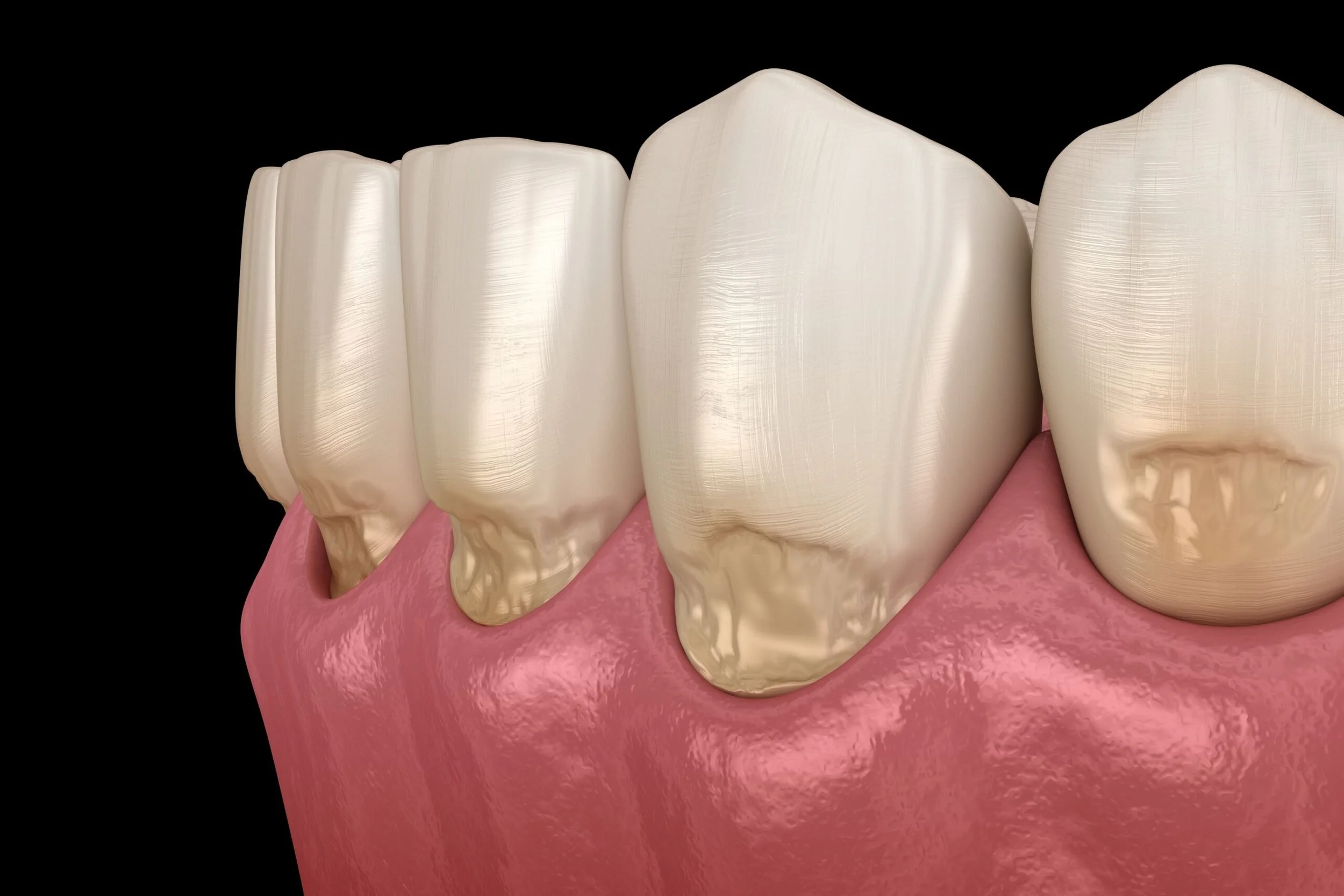
As the disease progresses, the gums may recede, spaces may develop between the teeth and gums, and teeth may become loose.

Advanced periodontitis can eventually lead to tooth loss.

Although lost supporting bone generally cannot be fully restored through routine cleaning alone, appropriate periodontal treatment can often help control the disease and prevent further deterioration.

What Causes Gum Disease?

The main cause is the accumulation of dental plaque around the teeth and gumline. When plaque is not adequately removed, it can contribute to gum inflammation and may harden into tartar, which cannot be removed effectively by brushing alone.

Several factors can increase the risk of developing gum disease:

Inadequate oral hygiene: Infrequent or ineffective brushing and interdental cleaning allow plaque to accumulate.

Smoking and tobacco use: These can increase the risk of periodontal disease and impair healing.

Diabetes: Poorly controlled diabetes is associated with an increased risk of severe gum disease.

Hormonal changes: Pregnancy and certain hormonal changes may increase gum sensitivity and inflammation.

Genetic susceptibility: Some people are more vulnerable to periodontal disease despite apparently good oral hygiene.

Certain medications and medical conditions: These may affect saliva production, gum tissue or the body's response to inflammation.

Irregular dental visits: Without regular assessment, early signs of periodontal disease may go unnoticed.

Five Warning Signs of Gum Disease

Recognising symptoms early can help you seek treatment before significant damage occurs.

1. Bleeding gums

Gums that bleed regularly during brushing or flossing may be inflamed. Although aggressive brushing and other conditions can also cause bleeding, persistent symptoms deserve assessment.

2. Persistent bad breath

Ongoing unpleasant breath or an unpleasant taste may be associated with plaque accumulation, gum inflammation or periodontal pockets.

3. Receding gums

If your teeth appear longer than before, your gums may have receded. Gum recession can occur for several reasons, including periodontal disease and brushing trauma.

4. Loose or shifting teeth

Adult teeth should not become increasingly mobile without a reason. Tooth mobility can be a sign of damage to the supporting structures and requires prompt dental assessment.

5. Swollen or tender gums

Persistent redness, swelling or tenderness can indicate inflammation. Severe pain, pus or facial swelling may suggest an infection requiring urgent care.

Can Gum Disease Affect Your Overall Health?

Gum disease is not limited to the appearance of your smile. Periodontitis is a chronic inflammatory condition, and research has found associations between periodontal disease and several systemic health conditions, including cardiovascular disease and diabetes.

However, an association does not necessarily mean that gum disease directly causes those conditions. The relationship can be influenced by shared risk factors, including smoking, age and metabolic health.

There is also a well-established two-way relationship between diabetes and periodontal health: diabetes can increase susceptibility to gum disease, while successful periodontal treatment may help improve blood glucose control in some patients.

Maintaining healthy gums is therefore an important part of looking after your overall health, even though dental treatment cannot guarantee the prevention of other medical conditions.

How Is Gum Disease Diagnosed?

A dentist assesses your gums, teeth and supporting structures to determine whether gum disease is present and how advanced it may be.

The examination may include:

  • Checking for redness, swelling and bleeding.

  • Measuring the depth of the spaces between the teeth and gums.

  • Assessing gum recession and tooth mobility.

  • Looking for plaque and tartar accumulation.

  • Taking dental X-rays when indicated to assess supporting bone.

The results help determine whether the problem is gingivitis, periodontitis or another condition that requires different management.

What Is the Treatment for Gum Disease?

Treatment depends on the severity of the condition.

Professional dental cleaning: Removing plaque and tartar helps control gum inflammation and supports effective home care.

Scaling and root surface debridement: For periodontitis, deeper cleaning below the gumline may be required to remove deposits and reduce inflammation.

Improved home oral hygiene: Your dentist or hygienist can demonstrate effective brushing and interdental cleaning techniques.

Periodontal maintenance: Patients with periodontitis may require ongoing reviews and professional cleaning at intervals tailored to their condition.

Additional periodontal treatment: Persistent deep pockets or advanced disease may require referral to a periodontist or consideration of further treatment.

Antibiotics are not routinely necessary for ordinary gum inflammation and should only be used when clinically indicated.

Can Gum Disease Be Reversed?

The answer depends on the stage.

Gingivitis can generally be reversed when plaque is effectively controlled and the gums are allowed to recover.

Periodontitis is different. Although treatment can reduce inflammation and help prevent further damage, lost supporting bone and attachment are not usually restored simply through routine cleaning.

This is why early assessment matters. Treating gum inflammation before significant supporting tissue is lost can make a meaningful difference to long-term oral health.

How Can You Prevent Gum Disease?

A consistent oral hygiene routine is one of the most effective ways to reduce plaque accumulation.

  • Brush twice daily with fluoride toothpaste.

  • Clean between your teeth daily using suitable interdental brushes or floss.

  • Avoid smoking and tobacco products.

  • Attend regular dental examinations and professional cleaning as recommended.

  • Manage diabetes and other relevant medical conditions with your healthcare team.

  • Seek advice if your gums bleed regularly or your teeth become loose.

Good home care is essential, but it does not replace professional treatment when periodontal disease has already developed.

Gum Disease Treatment in Sydney's Inner West

Bleeding gums, persistent bad breath and gum recession should not be ignored. Identifying gum disease early can help protect your teeth and reduce the risk of long-term damage.

At Pain Free Dentist Sydney, we can assess your gum health, discuss appropriate treatment options and help you understand how to maintain healthier gums.

If you are concerned about gum disease, contact our clinic to arrange a dental assessment.

Pain Free Dentist Sydney

G1A / Suite 1A, 570 New Canterbury Road, Hurlstone Park NSW 2193

Phone: 02 9558 8988

Email: info@painfreedentistsydney.com.au

Website: painfreedentistsydney.com.au

Disclaimer: This article provides general educational information and is not a substitute for individual dental or medical advice. Diagnosis and treatment recommendations depend on a clinical examination.

TMJ Disorder: How Jaw Problems Can Affect Your Whole Body

Do you suffer from jaw pain, frequent headaches, neck tension, poor sleep or unexplained facial discomfort? You may be surprised to learn that some of these symptoms can occur alongside temporomandibular joint (TMJ) disorders.

The temporomandibular joints connect your lower jaw to your skull and play an important role in speaking, chewing and yawning. However, the muscles and structures involved in jaw movement also interact with the surrounding head and neck region.

For some people, TMJ disorders can become a persistent problem that affects eating, sleeping, concentration and daily activities. Symptoms may extend beyond the jaw, making it important to look at the broader clinical picture rather than focusing on one painful area alone.

At Pain Free Dentist Sydney, we take a comprehensive approach to assessing jaw function, dental health and relevant contributing factors.

What Is TMJ Disorder?

The temporomandibular joints (TMJs) are located on either side of your head, just in front of your ears. They work together with muscles, ligaments and other structures to help your jaw move smoothly.

Temporomandibular disorders (TMD) are a group of conditions affecting these joints, the chewing muscles or associated structures.

Common symptoms include:

  • Pain or tenderness around the jaw joints.

  • Clicking, popping or grinding sounds when moving the jaw.

  • Difficulty opening the mouth fully.

  • Jaw locking or restricted movement.

  • Pain when chewing or yawning.

  • Headaches or tenderness around the temples.

  • Facial muscle fatigue or discomfort.

Not every clicking jaw indicates a disorder requiring treatment. However, persistent pain, locking or restricted movement deserves professional assessment.

1. TMJ Disorder and Headaches

One of the recognised symptoms associated with painful TMD is headache, particularly when pain is related to the chewing muscles or jaw movement.

The temporalis muscles extend across the sides of the head and help close the jaw. When these muscles are painful or tender, discomfort may be felt around the temples.

Some people notice that their headaches worsen when chewing, clenching their teeth or waking after a night of grinding.

However, headaches can have many causes, including migraine and other neurological conditions. A dental or TMJ assessment may help determine whether jaw dysfunction is contributing to your symptoms.

2. Jaw Problems and Neck Pain

The jaw, head and neck work together during everyday movement. People with TMD may also report neck discomfort, shoulder tension or tenderness around the surrounding muscles.

Pain can influence how someone holds their head, moves their neck or uses their muscles during daily activities. Conversely, neck problems may contribute to discomfort around the head and jaw.

This relationship is complex. Neck pain does not automatically mean that a person has TMJ disorder, and TMJ treatment should not be assumed to resolve every neck or shoulder problem.

A comprehensive assessment can help identify whether the jaw, neck or other factors may be contributing to the symptoms.

3. Teeth Grinding, Clenching and Muscle Fatigue

Bruxism refers to clenching or grinding the teeth during sleep or while awake.

Repeated clenching may increase the workload on the chewing muscles and contribute to tooth wear, muscle tenderness or jaw discomfort in some people.

You may notice:

  • Soreness when waking up.

  • Tired jaw muscles after eating.

  • Tenderness around the cheeks and temples.

  • Tooth sensitivity or damage to dental restorations.

  • A habit of keeping your teeth pressed together during the day.

Stress, sleep disturbances, medications and other factors may contribute to bruxism. Identifying the relevant factors is important because simply treating the teeth may not address every contributor.

4. TMJ Disorder, Sleep and Daytime Fatigue

Persistent jaw pain can make it difficult to find a comfortable sleeping position or may interrupt sleep when discomfort is present.

Poor sleep can, in turn, affect concentration, mood, energy levels and pain tolerance.

Some people with TMD also have sleep-related conditions, including obstructive sleep apnoea, but the presence of one condition does not establish that the other is caused by it.

If you experience loud snoring, witnessed pauses in breathing, gasping during sleep or excessive daytime sleepiness, discuss these symptoms with your doctor. A sleep assessment may be appropriate.

Treating jaw pain and investigating possible sleep disorders are separate but sometimes complementary parts of a person's care.

5. Can TMJ Disorder Affect Your Balance, Ears or Cause Tinnitus?

Some people with TMD report ear-region pain, a sensation of fullness or tinnitus, which is the perception of ringing or other sounds without an external source.

Because the jaw joints sit close to the ears, symptoms in these areas can sometimes overlap. However, ear symptoms can also arise from hearing conditions, infections and other medical causes.

The evidence linking TMD to dizziness, balance problems and tinnitus is variable. These symptoms should not automatically be attributed to the jaw.

Persistent tinnitus, sudden hearing changes or significant dizziness warrants appropriate medical assessment. Sudden hearing loss requires urgent medical attention.

6. The Relationship Between TMJ Disorder, Stress and the Nervous System

Chronic pain can affect more than the part of the body where it begins. Ongoing discomfort may influence sleep, stress levels, mood and the ability to participate in normal activities.

Stress can also increase awareness of pain and may contribute to clenching or muscle tension in some individuals.

This can create a difficult cycle: pain disrupts sleep, poor sleep makes coping harder, and increased muscle tension may aggravate jaw symptoms.

Not all TMD is stress-related, and psychological factors do not mean that the pain is imaginary. The physical, behavioural and psychological aspects of persistent pain may all deserve consideration.

Where appropriate, a coordinated approach involving dental care, medical assessment, physiotherapy and psychological support may help address different aspects of the problem.

7. Can Your Bite or Jaw Position Be Contributing to Your Symptoms?

Your teeth, jaw joints and chewing muscles work together during biting and chewing. Changes to the teeth, dental restorations or jaw function may be relevant when investigating certain symptoms.

However, the relationship between bite alignment and TMD is complicated. There is no single bite pattern that explains every TMJ disorder, and many people with bite differences have no jaw pain.

Treatment should be based on a careful diagnosis rather than assuming that a bite adjustment or permanent alteration of the teeth will cure a whole range of symptoms.

Depending on the findings, management may involve conservative measures, a suitable oral appliance, targeted exercises, treatment of dental problems or referral to another healthcare professional.

Irreversible dental procedures should not be undertaken solely on the assumption that they will resolve unexplained whole-body symptoms.

8. Why Looking Beyond the Jaw Matters

When several symptoms occur together, it can be tempting to search for one explanation for everything. Sometimes jaw dysfunction is an important contributor, but other conditions may be present at the same time.

A broader assessment considers:

  • The location, duration and pattern of your pain.

  • Jaw movement and joint function.

  • Chewing muscle tenderness.

  • Teeth grinding, clenching and dental wear.

  • Sleep quality and possible sleep-related breathing problems.

  • Neck symptoms, previous injuries and relevant medical history.

  • Whether additional medical investigations or referrals are needed.

This approach helps avoid overlooking other conditions and supports a more appropriate treatment plan.

How Is TMJ Disorder Treated?

Treatment depends on the type of TMD, the severity of symptoms and the factors contributing to the problem.

Options may include:

Conservative self-management: Temporarily choosing comfortable foods, avoiding excessive gum chewing and reducing unnecessary clenching.

Jaw physiotherapy and exercises: Selected exercises or manual therapy may help certain patients, depending on their diagnosis.

Oral appliances: A suitable splint may help some patients manage symptoms or protect teeth from damage. Appliance design and monitoring are important.

Management of dental problems: Cracked teeth, damaged restorations and other dental conditions may need separate treatment.

Medical or allied-health referral: Persistent headaches, sleep problems, significant neck symptoms or other unexplained complaints may require assessment by an appropriate healthcare professional.

More complex treatments should be considered only after an adequate assessment, discussion of alternatives and a clear explanation of potential benefits and risks.

When Should You See a TMJ Dentist?

Consider an assessment if you have persistent jaw pain, painful clicking, restricted opening, difficulty chewing, recurrent temple headaches or suspected teeth grinding.

Seek urgent care if you develop a jaw that becomes stuck open or closed, significant facial trauma, or sudden severe symptoms. Chest pain, difficulty breathing or new neurological symptoms require emergency medical assessment rather than routine dental care.

TMJ Assessment in Sydney's Inner West

At Pain Free Dentist Sydney, we understand that jaw pain can affect everyday activities and may occur alongside headaches, muscle discomfort, sleep difficulties and other concerns.

Our approach considers the jaw joints, chewing muscles, teeth, symptom history and relevant contributing factors. Where appropriate, we may recommend further investigations or collaboration with other healthcare professionals.

If you are experiencing persistent jaw symptoms, contact our team to enquire about a comprehensive TMJ assessment.

Pain Free Dentist Sydney

G1A / Suite 1A, 570 New Canterbury Road, Hurlstone Park NSW 2193

Phone: 02 9558 8988

Email: info@painfreedentistsydney.com.au

Website: painfreedentistsydney.com.au

Disclaimer: This article is for general educational purposes and is not a substitute for individual medical or dental advice. TMJ disorders can occur alongside a range of other symptoms, but they do not necessarily cause all symptoms affecting the body. Assessment is required to determine appropriate management.