Dental Emergency: When to Seek Same-Day Dental Treatment

A dental emergency can happen unexpectedly and often when you least expect it. Severe toothache, a broken tooth, facial swelling, a knocked-out tooth or a sudden dental infection can cause significant discomfort and anxiety.

In these situations, receiving prompt dental attention is important. Some dental problems can worsen quickly if left untreated, potentially leading to infection, further tooth damage or complications.

If you are experiencing sudden dental pain or an urgent dental problem, a same-day emergency dental appointment may help identify the cause, relieve discomfort and prevent the condition from becoming more serious.

At Pain Free Dentist Sydney in Dulwich Hill, we understand that dental emergencies can be stressful. Our aim is to provide compassionate dental care, assess urgent problems and discuss appropriate treatment options.

1. What Is Considered a Dental Emergency?

A dental emergency is any dental problem that requires prompt professional assessment because of pain, infection, trauma or the risk of further damage.

Common dental emergencies include:

  • Severe or persistent toothache.

  • Broken, cracked or fractured teeth.

  • Knocked-out permanent teeth.

  • Loose or displaced teeth following an accident.

  • Swelling of the gums, jaw or face.

  • Dental abscesses and suspected infections.

  • Lost fillings or dental crowns causing pain.

  • Bleeding following dental trauma or extraction.

  • Pain around wisdom teeth.

  • Broken dentures or dental restorations affecting function.

Not every dental problem requires immediate treatment, but persistent pain, swelling and dental trauma should never be ignored.

2. Severe Toothache: Do Not Ignore Persistent Dental Pain

A sudden or severe toothache can be caused by several underlying conditions, including tooth decay, inflammation of the dental pulp, a cracked tooth or infection.

Sometimes the pain may be sharp and triggered by hot or cold foods. In other cases, it may be continuous, throbbing or severe enough to interfere with sleep.

Possible causes include:

  • Deep dental decay.

  • Pulpitis (inflammation of the tooth nerve).

  • Dental abscess.

  • Cracked or fractured teeth.

  • Failed or damaged dental restorations.

  • Infection around the tooth root.

A dental examination may include clinical testing and dental X-rays to identify the underlying cause.

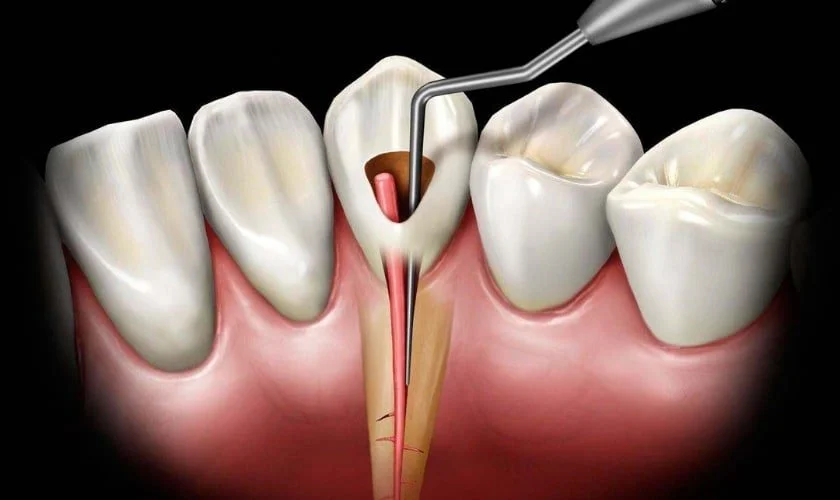
Depending on the diagnosis, treatment may involve a filling, root canal treatment, drainage of an infection or tooth extraction.

3. Broken or Chipped Tooth

A broken tooth can occur when biting on hard food, experiencing an accident or having a weakened tooth.

Even a small fracture can expose sensitive inner tooth structures and cause discomfort.

If you break a tooth:

  • Avoid chewing on the affected side.

  • Rinse your mouth gently with warm water.

  • Keep any recovered tooth fragments.

  • Avoid very hot or cold foods if the tooth is sensitive.

  • Arrange a dental assessment promptly.

Treatment depends on the extent of the damage. Options may include composite bonding, a dental crown, root canal treatment or extraction in severe cases.

4. Knocked-Out Tooth: Why Time Matters

A knocked-out permanent tooth is a time-sensitive dental emergency.

If a permanent tooth has been completely displaced following an accident, immediate dental attention is essential. The possibility of successfully repositioning the tooth depends partly on how quickly appropriate treatment is provided.

If possible:

  • Pick up the tooth by the crown, not the root.

  • Avoid touching or scrubbing the root surface.

  • If dirty, gently rinse it with milk or saline without rubbing.

  • If safe and practical, gently reposition it into its socket.

  • Otherwise, keep it moist in milk or an appropriate tooth preservation solution.

  • Seek emergency dental treatment immediately.

Do not attempt to reinsert a baby tooth.

5. Dental Abscess and Facial Swelling

A dental abscess is a collection of pus caused by a bacterial infection.

It may develop around the root of a tooth or within the surrounding gum tissues.

Common symptoms include:

  • Severe throbbing toothache.

  • Swelling of the gums or face.

  • Pain when biting.

  • Sensitivity to hot and cold.

  • A bad taste in the mouth.

  • Fever or feeling generally unwell.

A dental abscess requires urgent professional assessment. Antibiotics alone are not usually sufficient to eliminate the underlying source of infection. Treatment may require drainage, root canal treatment or extraction, depending on the clinical findings.

Important: Facial swelling accompanied by difficulty breathing or swallowing, swelling around the eye, or rapidly spreading infection requires immediate hospital emergency assessment. Call 000 in Australia for life-threatening symptoms.

6. Lost Filling or Dental Crown

A lost filling or crown can expose the underlying tooth structure and cause sensitivity or pain.

Although some cases may not be immediately dangerous, prompt assessment is recommended, particularly if the tooth is painful or structurally weakened.

Avoid chewing hard foods on the affected tooth and keep the area clean until it can be examined.

Your dentist can determine whether the restoration can be replaced or whether additional treatment is necessary.

7. Wisdom Tooth Pain and Infection

Wisdom teeth can sometimes become impacted or partially erupt through the gum.

When this happens, bacteria and food debris may accumulate around the partially erupted tooth, causing inflammation known as pericoronitis.

Symptoms can include:

  • Pain at the back of the jaw.

  • Swollen gum tissue.

  • Difficulty opening the mouth.

  • Unpleasant taste or bad breath.

  • Pain when swallowing.

  • Facial swelling in more severe cases.

An examination and appropriate imaging can help determine whether the wisdom tooth can be managed conservatively or requires removal.

Severe swelling, fever or difficulty swallowing requires urgent assessment.

8. Can You Get a Same-Day Dental Appointment?

Many dental clinics try to accommodate urgent dental problems, depending on the availability of the dentist and the nature of the emergency.

At Pain Free Dentist Sydney, we encourage patients experiencing sudden dental pain or urgent dental concerns to contact our reception team as early as possible.

When you call, please let us know:

  • Where the pain or discomfort is located.

  • How long you have been experiencing symptoms.

  • Whether there is swelling, bleeding or infection.

  • Whether you have experienced dental trauma.

  • Whether you are having difficulty eating, sleeping or opening your mouth.

This information helps our team understand the urgency of your situation and determine whether an emergency appointment may be available on the same day.

Same-day appointments are subject to clinical availability, so please call before attending.

9. What Should You Do While Waiting for Your Dental Appointment?

While waiting to see your dentist, there are several steps you can take to minimise discomfort and avoid further damage.

  • Avoid chewing on the affected side.

  • Keep the area clean with gentle brushing.

  • Avoid extremely hot or cold foods if your teeth are sensitive.

  • Apply a cold compress externally if there is swelling.

  • Use appropriate over-the-counter pain relief according to the instructions and your medical circumstances.

  • Avoid placing aspirin directly against the tooth or gums.

  • Do not attempt to drain an abscess yourself.

If you experience difficulty breathing or swallowing, rapidly increasing swelling or other serious symptoms, seek emergency medical attention rather than waiting for a dental appointment.

healthdirect+2

10. Why Early Dental Treatment Matters

A dental emergency may initially appear to be a minor problem, but delaying treatment can sometimes lead to more complicated dental conditions.

For example, a small cavity may progress towards the dental nerve, a cracked tooth may fracture further, and an untreated dental infection may spread into surrounding tissues.

Early assessment allows your dentist to identify the underlying problem and discuss suitable treatment before further complications develop.

The aim of emergency dentistry is not simply to relieve pain. It is also to preserve natural teeth wherever possible, manage infection and protect your long-term oral health.

Need an Emergency Dentist in Dulwich Hill?

Dental emergencies can be frightening, particularly when pain develops suddenly or interferes with your daily activities.

At Pain Free Dentist Sydney, Dulwich Hill, Dr Lisa Chong and our dental team understand the importance of compassionate, patient-focused care.

Whether you have a severe toothache, broken tooth, dental infection, damaged filling or sudden dental discomfort, we encourage you to contact our clinic to discuss your situation.

We will assess your needs and advise whether a same-day appointment can be arranged.

Don't wait for dental pain to become unbearable. Seek professional advice early.

Pain Free Dentist Sydney – Dr Lisa Chong

Dental Implants vs Dentures: Which Tooth Replacement Option Is Right for You?

Losing one or more teeth can affect much more than your appearance. Missing teeth may influence your ability to chew comfortably, speak clearly and smile with confidence. Over time, tooth loss can also contribute to changes in your bite, movement of neighbouring teeth and deterioration of the supporting jawbone.

Fortunately, modern dentistry offers several options for replacing missing teeth. Two commonly considered solutions are dental implants and dentures.

But which option is better? Are dental implants more comfortable than dentures? Can dentures prevent bone loss? And are dental implants suitable for everyone?

Understanding the differences can help you make an informed decision about your long-term oral health.

At Pain Free Dentist Sydney in Dulwich Hill, we assess each patient's individual dental condition, bone structure, oral health and treatment goals before recommending an appropriate tooth replacement solution.

1. What Are Dental Implants?

Dental implants are artificial tooth roots designed to replace missing natural teeth. They are usually made from biocompatible titanium and are surgically positioned within the jawbone.

Over time, the implant integrates with the surrounding bone through a biological process known as osseointegration.

Once the implant has healed sufficiently, a dental crown, bridge or full-arch prosthesis can be attached to restore the missing teeth.

Dental implants can be used for:

  • Replacing a single missing tooth.

  • Replacing several missing teeth.

  • Supporting implant-retained bridges.

  • Replacing an entire upper or lower arch of teeth.

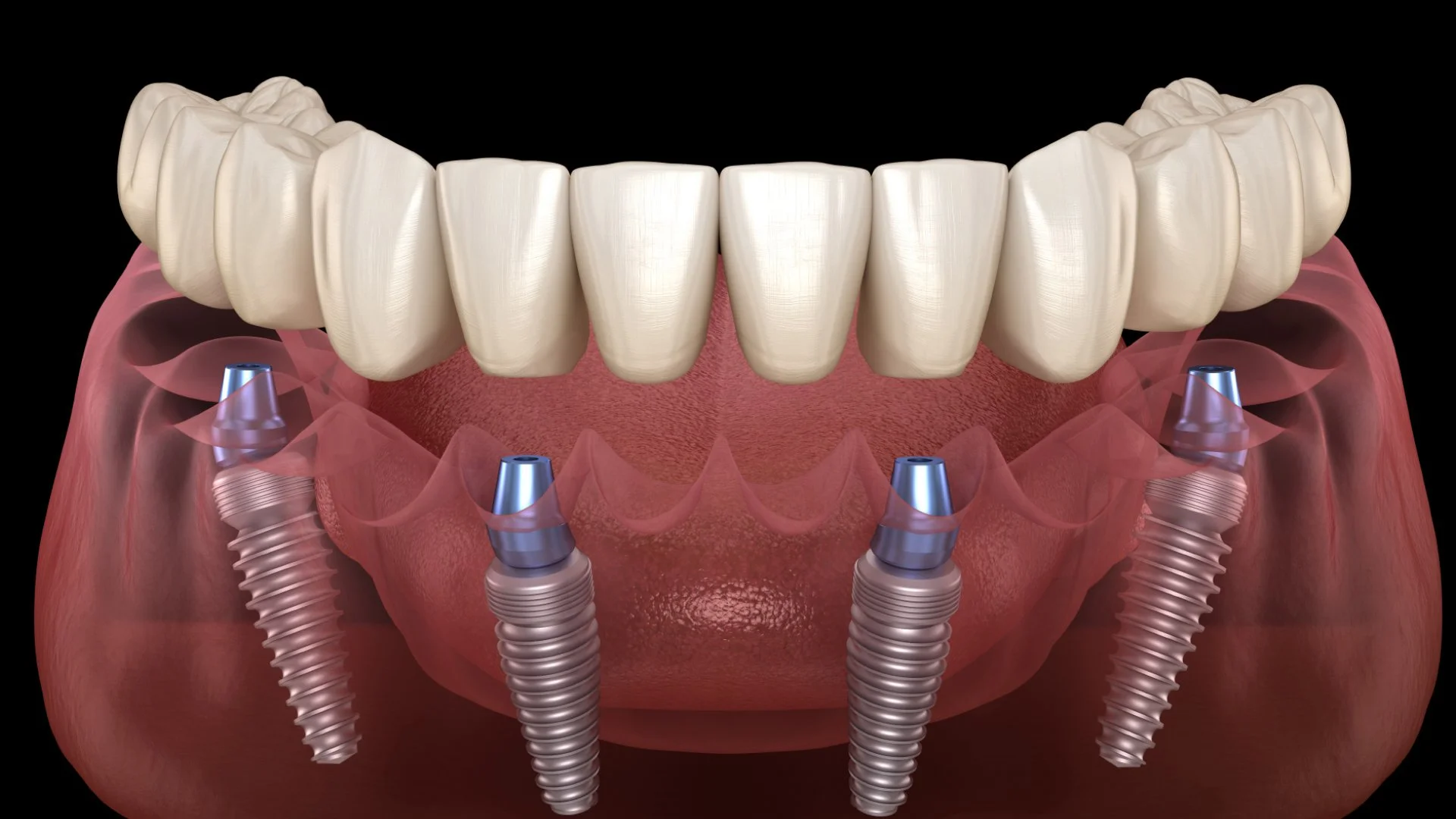
  • Supporting full-mouth rehabilitation using All-on-4 or All-on-6 treatment concepts.

One of the major advantages of dental implants is that they provide a fixed foundation for replacement teeth without relying on neighbouring natural teeth for support.

2. What Are Dentures?

Dentures are removable dental appliances designed to replace missing teeth and surrounding oral structures.

They can be used to replace a few missing teeth or an entire arch.

There are two main types of dentures.

Partial dentures

Partial dentures replace several missing teeth while using the remaining natural teeth and supporting tissues for retention and stability.

They may contain metal clasps or other attachment systems to help keep the appliance in position.

Full dentures

Full dentures replace all the teeth in the upper or lower jaw. They generally rest on the underlying gum tissues and rely on the shape of the jaw, suction and muscular control for stability.

Dentures can restore the appearance of a smile and improve chewing function. However, some patients experience movement, discomfort or difficulty adapting to removable appliances.

3. Dental Implants vs Dentures: Understanding the Main Differences

Although both options replace missing teeth, they function differently.

Stability and comfort

Dental implants are anchored into the jawbone, providing a stable foundation for replacement teeth. Once fully restored, implant-supported teeth generally feel more like fixed natural teeth.

Traditional dentures rest on the gum tissues and may move during speaking, laughing or eating, particularly when the jawbone has undergone significant resorption.

Chewing ability

Dental implants can provide excellent chewing function because they are securely supported by the jawbone.

Traditional dentures may have reduced chewing efficiency compared with natural teeth or fixed implant-supported restorations.

Jawbone preservation

One important difference concerns the jawbone.

Natural tooth roots stimulate the surrounding bone during chewing. When teeth are lost, this stimulation is reduced, and the jawbone may gradually shrink through a process called bone resorption.

Dental implants can provide functional stimulation to the surrounding bone through the implant structure.

Traditional dentures do not replace natural tooth roots and cannot provide the same direct stimulation to the jawbone.

Appearance

Both dentures and dental implants can be designed to look natural.

Modern dental materials allow dentists to create restorations that complement facial features, tooth proportions and the patient's smile.

However, fixed implant-supported restorations may provide greater stability and can help support facial function when appropriately designed.

Maintenance

Dental implants require daily brushing, interdental cleaning and regular professional reviews.

Dentures need to be removed and cleaned regularly. Patients must also maintain good gum and remaining tooth health.

Both options require ongoing dental maintenance.

4. Do Dentures Cause Jawbone Shrinkage?

This is an important consideration for patients who have lost multiple teeth.

When natural teeth are removed, the jawbone no longer receives stimulation through their roots. Over time, the bone may gradually reduce in height and width.

This can affect the fit of dentures.

As the jawbone changes shape, previously well-fitting dentures may become loose, requiring adjustments, relining or replacement.

In some patients, significant bone resorption can make conventional dentures increasingly difficult to retain.

Dental implants can help preserve the surrounding bone in the areas where they are placed by transferring functional forces to the bone.

However, implants do not prevent bone loss in every part of the jaw, and appropriate implant positioning and long-term maintenance remain important.

5. Are Dental Implants More Comfortable Than Dentures?

Many patients find fixed implant-supported teeth more comfortable because they do not need to remove the teeth for cleaning or worry about them moving during everyday activities.

Traditional dentures can sometimes cause:

  • Gum irritation.

  • Pressure points.

  • Difficulty chewing certain foods.

  • Movement while speaking.

  • Reduced confidence when eating socially.

  • Frequent adjustments as the jawbone changes.

Implant-supported restorations can reduce many of these concerns.

However, dental implants involve surgery and a healing period. Not everyone is immediately suitable for implant treatment, and some patients may require additional procedures before implants can be placed.

6. What Is All-on-4 and All-on-6 Dental Implant Treatment?

For patients who have lost most or all of their teeth, full-arch implant rehabilitation may be an alternative to conventional removable dentures.

Two commonly used treatment concepts are All-on-4 and All-on-6.

All-on-4 dental implants

This approach uses four strategically positioned dental implants to support a fixed full-arch prosthesis.

In suitable cases, the posterior implants are angled to maximise the available bone and help avoid certain anatomical structures.

All-on-6 dental implants

This approach uses six dental implants to support a full-arch restoration.

Depending on the patient's anatomy, bone quality, implant positioning and bite forces, using six implants may provide additional support and distribute functional loads across more implant sites.

Neither approach is automatically better for everyone. The decision depends on individual anatomy, prosthetic design, available bone and the overall treatment plan.

<escape>Both All-on-4 and All-on-6 aim to provide a fixed alternative to conventional removable full dentures.</escape>

7. Can You Change from Dentures to Dental Implants?

Yes. Many patients who have worn dentures for years eventually consider dental implants because they want improved stability and chewing function.

However, long-term tooth loss and denture use can be associated with significant jawbone resorption.

Before implant treatment, a comprehensive assessment is necessary to evaluate:

  • Available bone height and width.

  • Bone density and quality.

  • Position of nerves and other anatomical structures.

  • Gum health.

  • Bite relationship and jaw function.

  • Medical history and healing considerations.

A CBCT scan may be recommended to provide a three-dimensional assessment of the jawbone and assist with implant planning.

Some patients may require bone grafting or other preparatory procedures before implant placement. Others may have sufficient bone for treatment without additional grafting.

8. Who Is Suitable for Dental Implants?

Dental implants may be suitable for adults who have missing teeth and adequate oral and general health to undergo implant treatment.

Factors considered during an assessment include:

  • Adequate jawbone volume or the possibility of preparing the site.

  • Healthy gums and good oral hygiene.

  • Stable general health.

  • Appropriate bite forces and functional requirements.

  • Smoking habits.

  • Medical conditions and medications that may affect healing.

  • Commitment to ongoing implant maintenance.

Age alone does not determine whether someone is suitable for dental implants.

A detailed examination and appropriate imaging help determine the most suitable treatment approach.

9. Are Dentures Still a Good Option?

Absolutely. Dentures remain an important and valuable treatment option.

They may be appropriate for patients who:

  • Prefer a non-surgical approach.

  • Are not suitable for implant surgery.

  • Have medical or anatomical limitations.

  • Need a temporary tooth replacement.

  • Prefer a removable dental appliance.

Some patients may also benefit from implant-retained overdentures, which combine the removable nature of dentures with the additional stability provided by dental implants.

This can be a useful middle ground for patients who want better denture retention without committing to a fully fixed prosthesis.

10. How Do You Choose Between Dental Implants and Dentures?

There is no single solution that is right for every patient.

The best treatment depends on your oral health, jawbone condition, functional requirements, expectations and personal circumstances.

For some patients, a conventional denture may provide a practical solution. For others, dental implants may offer better long-term stability and function.

Patients with extensive tooth loss may benefit from discussing full-arch implant rehabilitation, including All-on-4 or All-on-6 treatment.

A proper dental assessment is the first step towards understanding which options are suitable.

Restore Your Smile with the Right Tooth Replacement Solution

Missing teeth do not have to mean compromising your ability to eat, speak or smile confidently.

Both dental implants and dentures can restore important aspects of oral function. Understanding their differences allows you to make a decision that considers not only the immediate result but also your long-term dental health.

At Pain Free Dentist Sydney, Dulwich Hill, Dr Lisa Chong provides comprehensive dental assessments and discusses suitable tooth replacement options, including dental implants, implant-supported bridges and full-arch rehabilitation.

Our approach focuses on understanding each patient's needs and developing an appropriate treatment plan based on individual clinical findings.

If you are considering replacing missing teeth or would like to explore alternatives to your existing dentures, we welcome you to arrange a consultation.

Pain Free Dentist Sydney – Dr Lisa Chong

Phone: 02 9558 8988
Email: info@painfreedentistsydney.com.au
Website: https://painfreedentistsydney.com.au

Smoking and Oral Health: How Smoking Affects Your Teeth, Gums and Overall Dental Health

Smoking is widely recognised as a major risk factor for many health conditions, but its impact on oral health is often underestimated. From stained teeth and persistent bad breath to gum disease, delayed healing and an increased risk of oral cancer, smoking can significantly affect the health of your mouth.

Whether you smoke cigarettes, use other tobacco products or have been smoking for many years, understanding the effects on your teeth and gums is an important step towards protecting your oral health.

At Pain Free Dentist Sydney in Dulwich Hill, we believe that educating patients about the connection between lifestyle habits and dental health is essential for maintaining a healthy smile.

1. How Does Smoking Affect Your Teeth?

One of the most noticeable effects of smoking is tooth discolouration.

Tobacco contains nicotine and tar, which can contribute to yellow or brown stains on the tooth surfaces. Over time, these stains may become increasingly difficult to remove with ordinary brushing.

Smoking can also contribute to:

  • Persistent bad breath.

  • Increased plaque and calculus accumulation.

  • Greater risk of tooth decay.

  • Reduced saliva production in some individuals.

  • Changes in taste and smell.

  • Increased risk of dental complications.

Professional dental cleaning can help remove external tobacco stains and accumulated deposits, although it cannot reverse every effect of smoking.

2. Smoking and Gum Disease

One of the most serious effects of smoking is its relationship with periodontal disease, commonly known as gum disease.

Smoking affects the body's immune response and reduces its ability to fight bacterial infections. This makes smokers more vulnerable to developing gum disease and experiencing more severe periodontal damage.

Healthy gums provide essential support for your teeth. When bacterial plaque accumulates around the gumline, inflammation can develop.

In smokers, periodontal disease may progress with less obvious warning signs. Nicotine-related changes in blood circulation can reduce visible gum bleeding, meaning that the absence of bleeding does not necessarily indicate healthy gums.

Advanced gum disease can lead to:

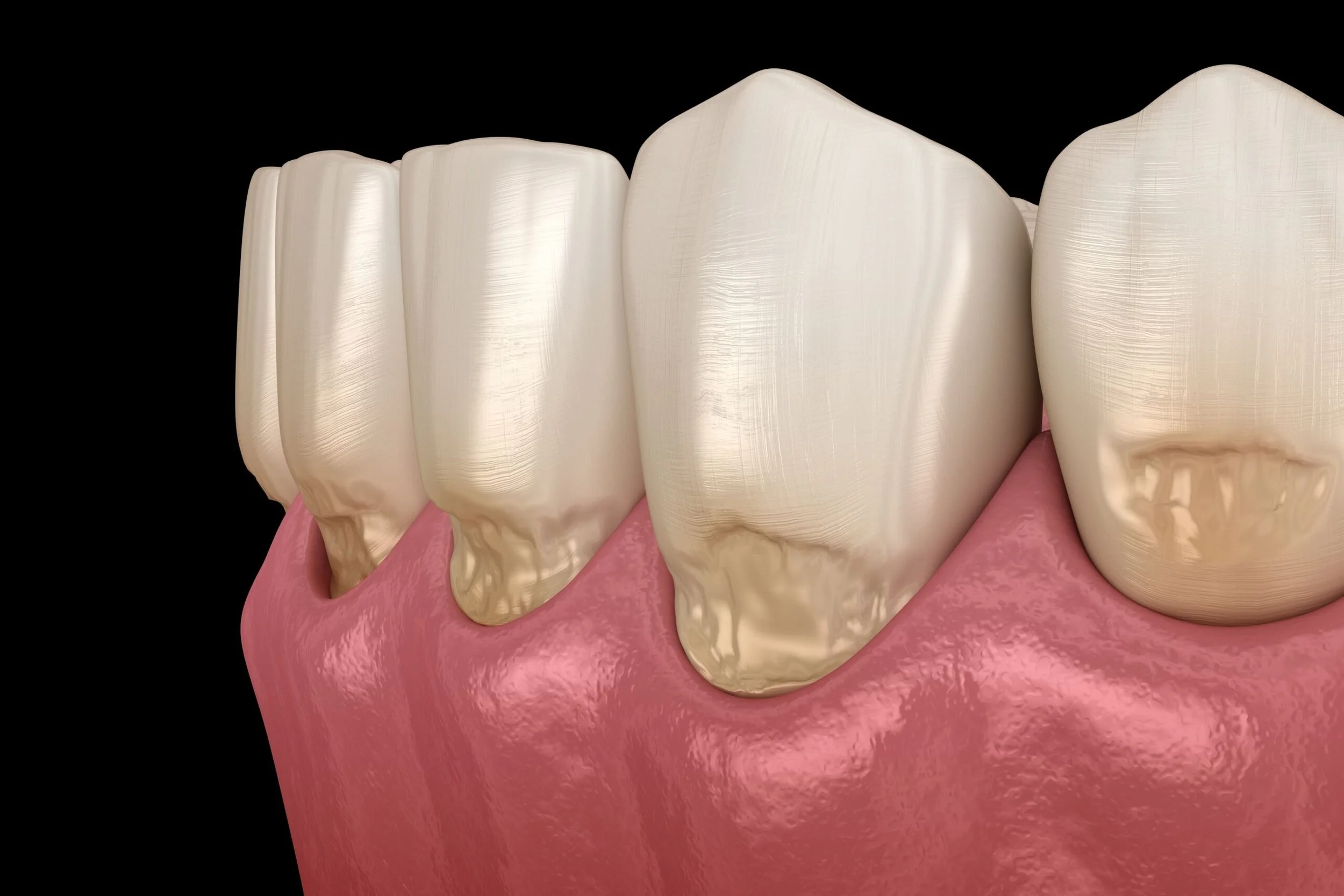
  • Gum recession.

  • Deep periodontal pockets.

  • Loss of supporting bone.

  • Loose or shifting teeth.

  • Persistent bad breath.

  • Increased risk of tooth loss.

Regular periodontal examinations are particularly important for people who smoke because significant gum damage may develop without obvious symptoms.

3. Smoking Can Delay Healing After Dental Treatment

Smoking can interfere with the body's natural healing processes.

Nicotine causes blood vessels to constrict, while carbon monoxide and other tobacco-related toxins can affect oxygen delivery to tissues.

This can compromise the healing environment following dental procedures.

Patients who smoke may have an increased risk of complications after:

  • Tooth extractions.

  • Dental implant surgery.

  • Bone grafting procedures.

  • Periodontal treatment.

  • Oral surgery.

  • Other dental procedures involving soft tissue healing.

Following dental treatment, your dentist may recommend avoiding smoking during the healing period. For procedures such as dental implant placement, smoking cessation is particularly beneficial because successful healing depends on healthy surrounding tissues and adequate bone integration.

4. Smoking and Dental Implants

Dental implants are designed to replace missing teeth by integrating with the surrounding jawbone.

Successful implant treatment depends on several factors, including bone quality, gum health, oral hygiene and the body's ability to heal.

Smoking can negatively affect these processes and is associated with an increased risk of implant complications and implant failure.

Potential concerns include:

  • Impaired wound healing.

  • Increased risk of infection.

  • Greater likelihood of peri-implant inflammation.

  • Reduced predictability of bone integration.

  • Increased risk of long-term implant complications.

Peri-implantitis is an inflammatory condition affecting the tissues surrounding a dental implant. If left untreated, it can cause progressive bone loss and potentially compromise the implant.

For patients considering dental implants, discussing smoking habits with their dentist is important when assessing treatment suitability and planning appropriate aftercare.

5. Smoking Increases the Risk of Oral Cancer

One of the most serious consequences of tobacco use is its association with oral cancer.

Smoking exposes the tissues of the mouth to numerous carcinogenic substances. These chemicals can damage cells and increase the risk of developing cancers affecting the lips, tongue, floor of the mouth, cheeks and other areas of the oral cavity.

Warning signs that require professional assessment include:

  • A mouth ulcer that does not heal.

  • Persistent red or white patches.

  • Unexplained lumps or thickened areas.

  • Persistent soreness or pain.

  • Difficulty swallowing.

  • Unexplained changes in tongue movement.

  • Persistent hoarseness or changes in speech.

Not every mouth ulcer or patch is cancerous. However, persistent or unexplained changes should never be ignored.

Early detection is important because oral cancer treatment outcomes are generally better when the disease is identified at an earlier stage.

A comprehensive dental examination can include an assessment of the soft tissues of the mouth to identify suspicious changes.

6. Does Smoking Cause Bad Breath?

Yes. Smoking is a common contributor to persistent bad breath, also known as halitosis.

Tobacco smoke leaves unpleasant-smelling substances in the mouth and can affect saliva production. Smoking also contributes to plaque accumulation and gum disease, both of which can worsen breath odour.

Simply using mouthwash or chewing gum may temporarily mask the smell without addressing its underlying cause.

If you experience persistent bad breath, a dental examination can help identify whether gum disease, tooth decay, dry mouth or another oral health condition is contributing to the problem.

7. Can Smoking Affect Your Sense of Taste?

Smoking can affect the taste buds and reduce sensitivity to different flavours.

Some smokers notice that food tastes less enjoyable or that they require stronger flavours to experience the same sensation.

Tobacco use can also affect the sense of smell, which plays an important role in how we experience food.

After quitting smoking, many people notice improvements in their sense of taste and smell over time.

8. Is Vaping Safer for Your Oral Health?

Although vaping does not expose users to tobacco smoke in the same way as conventional cigarettes, it should not be considered harmless to oral health.

Research into the long-term oral effects of vaping is still developing. However, potential concerns include:

  • Dry mouth.

  • Gum irritation.

  • Changes in the oral microbiome.

  • Increased plaque accumulation in some users.

  • Possible effects on gum inflammation and healing.

Nicotine-containing vaping products can also affect blood vessels and circulation.

It is important to understand that switching from cigarettes to vaping does not eliminate all potential oral health risks.

9. How Can Smokers Protect Their Oral Health?

Quitting smoking is one of the most beneficial steps you can take to improve your general and oral health.

Although stopping smoking can be challenging, even small steps towards reducing tobacco exposure can be worthwhile.

We recommend:

Maintain excellent oral hygiene: Brush twice daily with fluoride toothpaste and clean between your teeth every day.

Attend regular dental examinations: Smokers should not rely solely on symptoms to determine whether their gums are healthy.

Arrange professional dental cleaning: Regular cleaning helps remove plaque, calculus and external tobacco stains.

Monitor changes in your mouth: Report persistent ulcers, red or white patches, lumps or unexplained discomfort.

Consider quitting smoking: Seek support from your healthcare professional or an appropriate smoking cessation service.

Inform your dentist: Always disclose your smoking or vaping habits before dental treatment, particularly when considering dental implants or oral surgery.

10. What Happens to Your Oral Health After Quitting Smoking?

The body begins recovering after smoking cessation, although the extent and speed of improvement vary between individuals.

Over time, quitting smoking can help:

  • Improve blood circulation.

  • Support healthier gum tissues.

  • Reduce the ongoing exposure of oral tissues to harmful chemicals.

  • Improve taste and smell.

  • Improve the healing environment following dental procedures.

  • Reduce the risk of developing tobacco-related oral diseases.

Importantly, quitting smoking does not automatically reverse existing periodontal bone loss or other permanent dental damage. Professional assessment and appropriate treatment may still be necessary.

Protect Your Smile with Regular Dental Care

Smoking can affect almost every aspect of oral health, from the appearance of your teeth to the condition of your gums and the body's ability to heal after dental treatment.

The effects are not always immediately visible, which is why regular dental examinations are particularly important for smokers.

At Pain Free Dentist Sydney, Dulwich Hill, Dr Lisa Chong takes a comprehensive approach to dental care, focusing on prevention, early diagnosis and maintaining long-term oral health.

Whether you are concerned about bleeding gums, persistent bad breath, stained teeth, gum recession or dental implant suitability, a professional dental assessment can help identify potential problems and guide appropriate treatment.

Your oral health is worth protecting. Early attention can make a significant difference to your long-term dental health.

Contact Pain Free Dentist Sydney

Phone: 02 9558 8988
Email: info@painfreedentistsydney.com.au
Website: https://painfreedentistsydney.com.au